
Film
A Matter of Life and Death
An RAF pilot, bailing out of a burning bomber without a parachute, miraculously survives, but Heaven's bureaucracy is sure he was supposed to die, and is preparing his appeal. Powell and Pressburger's monochrome-Heaven, Technicolor-Earth fantasy is one of the great British post-war films.
About
Michael Powell and Emeric Pressburger's A Matter of Life and Death (released in the United States as Stairway to Heaven) opened in November 1946 as the inaugural Royal Film Performance, the first British film to be screened in attendance of a member of the Royal Family. The film entered the Sight & Sound poll's upper tiers in 2022 and is widely considered one of the most distinctive achievements of British cinema's golden age.
RAF Squadron Leader Peter Carter (David Niven, in his career-defining lead) bails out of a burning bomber over the English Channel without a parachute on his last mission, but is mysteriously alive on the beach the next morning. Heaven's bureaucracy is convinced an administrative error has been made (Carter was supposed to have died) and prepares his appeal before a celestial tribunal. Meanwhile he has fallen in love with the American radio operator (Kim Hunter) whose voice was the last thing he heard before jumping.
The film's structural conceit (Earth in vivid Technicolor, Heaven in monochrome) was a Powell-Pressburger inversion of the conventional fantasy palette and showcased one of the most beautiful colour cinematographies of the 1940s, shot by Jack Cardiff in his first credit as director of photography. Commissioned by the Ministry of Information as a goodwill gesture toward fraying Anglo-American relations at the close of the war, the film transforms its diplomatic brief into philosophical comedy, with the celestial bureaucracy serving as a sly mirror of postwar political negotiation. The film has aged extraordinarily well; its image of the celestial escalator has become foundational to British screen iconography.
Where to Watch
Not currently available in your country.
Available in: , , , , , , , , , , , , , , , ,













Streaming availability via JustWatch. Last checked 2026-09-27.
Top Cast
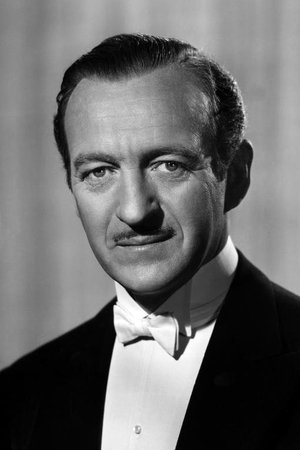
David Niven
Peter Carter
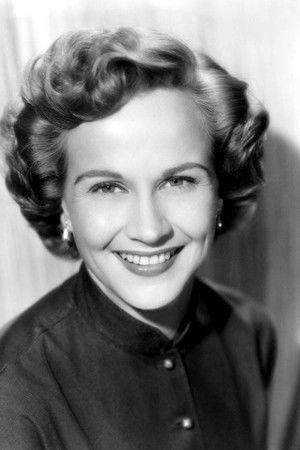
Kim Hunter
June
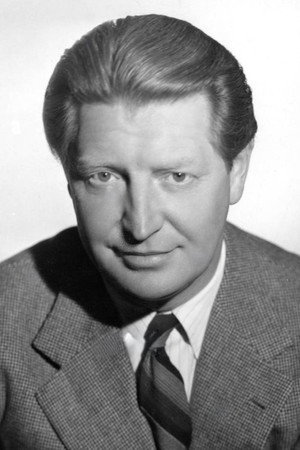
Roger Livesey
Doctor Reeves
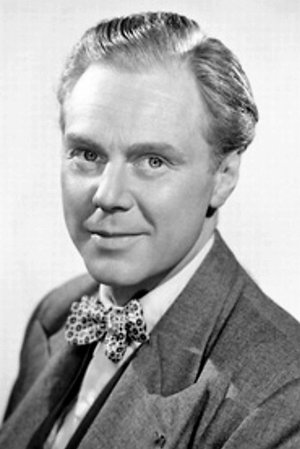
Marius Goring
Conductor 71
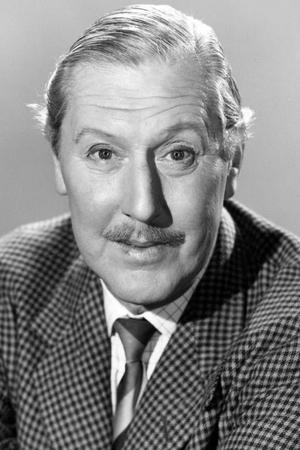
Robert Coote
Bob Trubshawe
Awards, Festivals & Mentions
-
Sight & Sound 250 Greatest Films
-
BFI 100 Greatest British Films


