
Film
Au hasard Balthazar
The life of a donkey named Balthazar, passed from owner to owner across a French village (a child who loved him, the cruel young man who breaks him, a miser, a circus, a smuggler) and the parallel undoing of the girl who first cared for him. Bresson's quiet masterpiece on suffering and saintliness.
About
Robert Bresson's Au hasard Balthazar opened in 1966 and is widely considered Bresson's masterpiece. The film entered the Sight & Sound critics' poll's top ten in 2022 and has been repeatedly cited by working filmmakers (Andrei Tarkovsky and Jean-Luc Godard among them) as one of the films that justified cinema as an art form. Anne Wiazemsky, the lead, was eighteen and acting for the first time; she would marry Godard the following year and become a central figure of the late-1960s French New Wave.
The film follows the life of a small French donkey named Balthazar, passed from owner to owner across a Pyrenean village (the schoolgirl Marie who loved him as a baby, the cruel young drifter Gérard who breaks him, a miser who works him to exhaustion, a travelling circus, a smuggler) and the parallel unfolding of Marie's own life as Gérard's victim. The film treats Balthazar's eyes and ears as an objective observer of human cruelty, and the donkey functions throughout as a parable figure in the lineage of Dostoevsky's The Idiot, which Bresson cited as the structural model.
Bresson's commitment to non-professional actors, the patient withholding of conventional dramatic emphasis, and the use of Schubert's Piano Sonata in A major as the only emotional acknowledgement produced one of the most genuinely religious films ever made, a meditation on suffering, dignity and witness that does not require its audience to share Bresson's own Catholic frame.
Where to Watch
Not currently available in your country.
Available in: , , , , , , , , , , , ,
















Streaming availability via JustWatch. Last checked 2026-09-27.
Top Cast
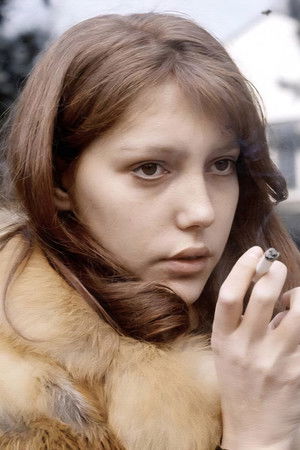
Anne Wiazemsky
Marie
Walter Green
Jacques
François Lafarge
Gérard
Jean-Claude Guilbert
Arnold
Philippe Asselin
Marie's Father
Awards, Festivals & Mentions
-
Sight & Sound Greatest Films of All Time — 2022 (one of the top 10)


