
Film
Daisies
Sedmikrásky
Two young women, both named Marie, decide that since the world has gone to ruin, they too will be ruined. They embark on a series of joyfully nihilistic stunts of consumption, destruction and escape, gorging themselves on food and the favours of older men before tearing the dining room apart. Banned by the Czechoslovak authorities for its alleged depiction of "food wastage" and "wanton girls," the film became a touchstone of feminist avant-garde cinema and a defining work of the Czechoslovak New Wave.
About
Věra Chytilová's Daisies (Sedmikrásky) opened in 1966 at the Bergamo Film Festival, where it won the Grand Prix, and was promptly banned by the Czechoslovak Communist authorities for the depiction of food waste, a charge that masked the regime's broader objection to the film's anti-authoritarian sensibility. Daisies remained suppressed in its country of origin until the end of the Communist period in 1989; it has since become one of the canonical works of the Czechoslovak New Wave and one of the foundational pieces of formally radical feminist cinema.
Two young women, both named Marie (Jitka Cerhová and Ivana Karbanová), decide that since the world has gone to ruin, they too will be ruined. The film is structured as a series of joyfully nihilistic stunts, exploiting older men in expensive restaurants for free meals, destroying flats with shears and scissors, walking through documentary footage of bombed cities, eventually staging a banquet-disruption that is the film's most-cited set piece. There is no narrative arc; the film operates as a sequence of structurally and chromatically experimental vignettes.
Jaroslav Kučera's photography (Chytilová's then-husband, also a foundational Czechoslovak New Wave cinematographer), the experimental colour-and-texture treatments, and the rapid editing make the film one of the most formally radical works of 1960s European cinema (directly influential on later work by Vera Drakeová, the Riot Grrrl scene, and a long subsequent feminist-avant-garde tradition. Chytilová's own commitment to the project) she defended it against state censors for over twenty years, is part of the work's continuing reception.
Where to Watch
Not currently available in your country.
Available in: , , , , , , , ,










Streaming availability via JustWatch. Last checked 2026-09-27.
Top Cast
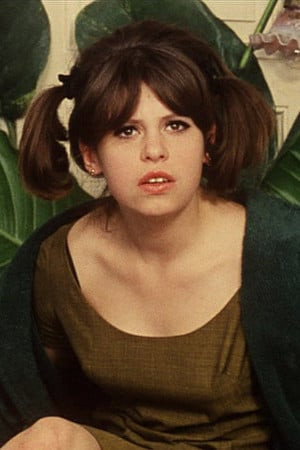
Jitka Cerhová
Marie I
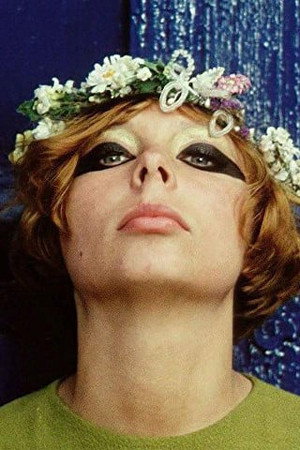
Ivana Karbanová
Marie II
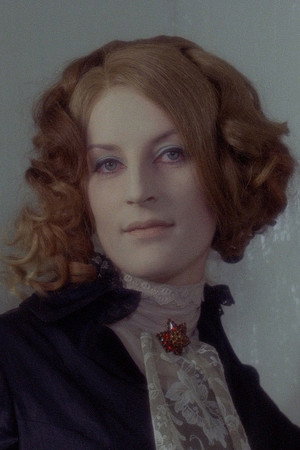
Helena Anýžová
Woman in toilet
Julius Albert
Elderly Gentleman
Jan Klusák
Young Gentleman
Awards, Festivals & Mentions
-
Winner — Grand Prix — Bergamo Film Festival


Stolen Kisses

That Obscure Object of Desire

Shoot the Piano Player

The Colour of Pomegranates

2 or 3 Things I Know About Her

Dr. Strangelove or: How I Learned to Stop Worrying and Love the Bomb

Day for Night

8½

Au hasard Balthazar

Persona

Vivre sa vie

Bellissima