
Film
Hiroshima mon amour
A French actress on a Hiroshima film shoot begins a brief intense affair with a Japanese architect; their conversations slip between her wartime memories and the city's.
About
Alain Resnais's Hiroshima mon amour opened in competition at Cannes 1959 (alongside Truffaut's The 400 Blows, with which it is widely considered to share the founding moment of the French New Wave) and won the FIPRESCI Prize. The screenplay was by the then-already-established novelist Marguerite Duras, marking her major entry into cinematic writing; she would go on to India Song and her own subsequent directorial career.
A French actress (Emmanuelle Riva), in Hiroshima for a film shoot about peace, begins a brief, intense affair with a Japanese architect (Eiji Okada). Across two days and two nights of conversation, embraces, walks through the city and visits to the Hiroshima Peace Memorial Museum, the film moves between her present-day affair and her wartime memories of an earlier love affair in Nevers, France (and Hiroshima's memories of itself. Bernard Fresson plays a small role.
The film's structural conceit) a sustained dialogue between personal-romantic memory and historical-collective memory, presented through Resnais's distinctive editing-driven tempo, became the foundational reference text for what European art-cinema modernism would attempt across the next two decades. Sacha Vierny's photography of Hiroshima and the brief Nevers passages established a registers that has continued to influence European cinema. Riva's central performance, in her first major film role, would launch a sustained career across more than half a century.
Where to Watch
Not currently available in your country.
Available in: , , , , , , , , , , , , , , , ,



























Streaming availability via JustWatch. Last checked 2026-09-27.
Top Cast

Emmanuelle Riva
Elle
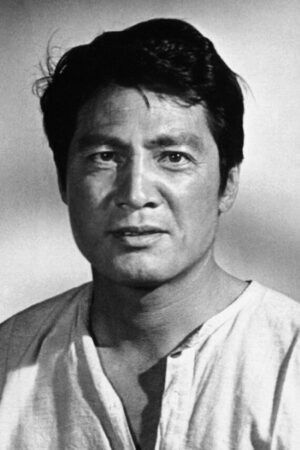
Eiji Okada
Lui
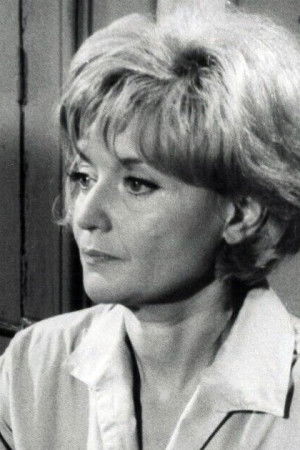
Stella Dassas
Mother
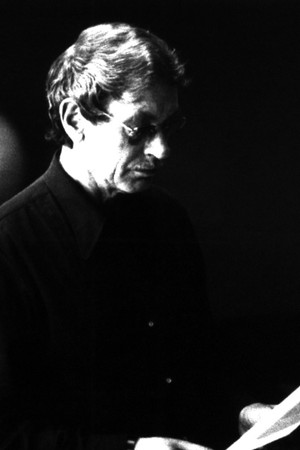
Pierre Barbaud
Father
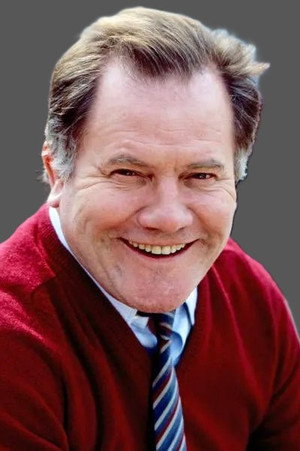
Bernard Fresson
German Lover
Awards, Festivals & Mentions
-

Winner — Cannes FIPRESCI Prize
-

Nominee — Academy Award Best Original Screenplay
-
Cannes Film Festival 1959 — Out of Competition
-
Sight & Sound 250 Greatest Films


In these collections
Featured In
- 10 Must-Watch French Films 5 May 2026