
Film
Je tu il elle
In three movements (alone in a bare Brussels apartment, on the road in a truck driver's cab, and in the apartment of a former female lover) a young woman moves through a sequence of intimate encounters. Chantal Akerman's avowedly autobiographical second feature.
About
Chantal Akerman's Je tu il elle opened in 1974, Akerman's first feature, made the year before Jeanne Dielman at the age of twenty-four. The film entered the Sight & Sound critics' poll's upper tier in 2022, alongside Akerman's better-known masterpiece, and has since become a foundational work in the broader feminist and lesbian cinema canon. The film was made on an extremely limited budget; Akerman herself plays the lead.
The film unfolds in three movements. In the first, Akerman's character is alone in a bare Brussels apartment, eating sugar from a paper bag and writing and rewriting a letter she will not send, across what is broadly several days of self-imposed isolation. In the second she is on the road, hitchhiking in the cab of a truck driver (Niels Arestrup, in his very early career, before his subsequent French-cinema lead-roles work), and the chapter unfolds in a register of accumulated observational silence. In the third she arrives at the apartment of a former female lover (Claire Wauthion) and they spend a night together.
Akerman's commitment to long static takes, the absence of conventional plot, and the central body of her own performance (distant, observant, occasionally uncomfortable) produced a film of unusual formal seriousness for the period. The third-movement intimacy is one of the most-discussed cinematic representations of female sexuality of the 1970s. The film is widely cited as foundational to the European-feminist-cinema tradition that Jeanne Dielman would extend the following year.
Where to Watch
Not currently available in your country.
Available in: , , , , , , , ,














Streaming availability via JustWatch. Last checked 2026-09-27.
Top Cast
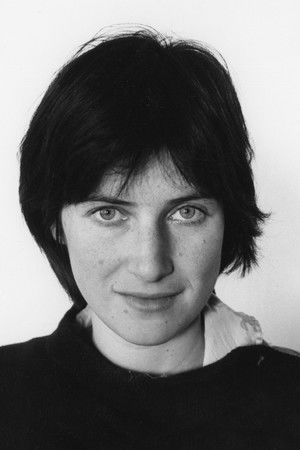
Chantal Akerman
Julie
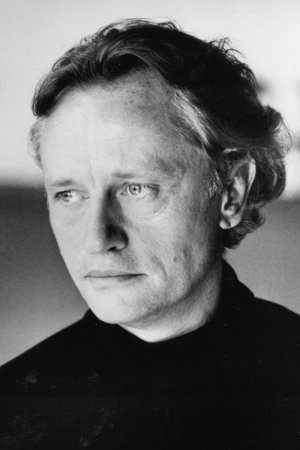
Niels Arestrup
Truck Driver

Claire Wauthion
Girlfriend
Awards, Festivals & Mentions
-
Sight & Sound 250 Greatest Films


Featured In
- 10 Must-Watch Belgian Films 19 April 2026