
Film
Les Enfants du paradis
1830s Paris, the Boulevard du Crime: a mime, an actor, a count and a criminal all love the same enigmatic, ungovernable woman. Marcel Carné and Jacques Prévert built the film during the Nazi occupation, in secret, and released it as a kind of national resurrection.
About
Marcel Carné's Les Enfants du paradis (Children of Paradise) opened in 1945 and was nominated for the Academy Award for Best Original Screenplay (Jacques Prévert) in 1947. The film was made during the Nazi occupation of France between 1943 and 1945; production conditions included the substantial difficulty of working under Vichy censorship, the absence of major Jewish collaborators (Carné's longtime production designer Alexandre Trauner was hidden during production), and the secret participation of Resistance-aligned crew members. Carné and Prévert had completed earlier wartime work together (Le Jour se lève, 1939) and their collaboration on this film is widely considered the apex of pre-and-post-war French poetic-realist cinema.
1830s Paris, the Boulevard du Crime, the central street of Paris theatre and popular entertainment, named for the staged crimes that the popular melodramas of the period dramatised. A mime named Baptiste Debureau (Jean-Louis Barrault), an actor named Frédérick Lemaître (Pierre Brasseur), the wealthy aristocrat Count Édouard de Montray (Louis Salou), and the criminal Pierre-François Lacenaire (Marcel Herrand) all love the same enigmatic, ungovernable woman, Garance (Arletty, in the lead role of her career). The film follows their interconnected lives across a decade.
Roger Hubert's photography of the Boulevard du Crime sets (built at scale at the Studios de Nice) produced one of the most distinctive period reconstructions in 1940s cinema. The film operates simultaneously as historical chronicle, love story, and theatrical-life document of nineteenth-century Paris. The film's continuing standing in French cinema is foundational; it is widely placed at the top of any post-war French-cinema canon.
Where to Watch
Not currently available in your country.
Available in: , , , , , , , , ,

























Streaming availability via JustWatch. Last checked 2026-09-27.
Top Cast
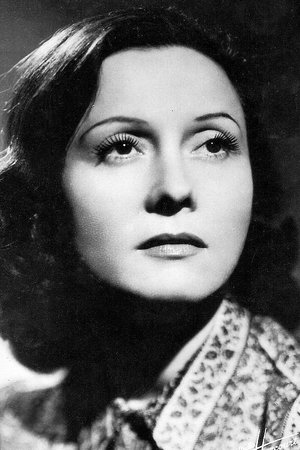
Arletty
Claire Reine, dite Garance
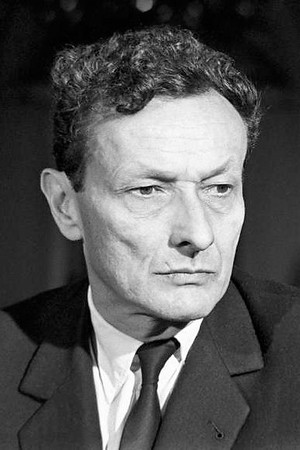
Jean-Louis Barrault
Baptiste Debureau

Pierre Brasseur
Frédérick Lemaître
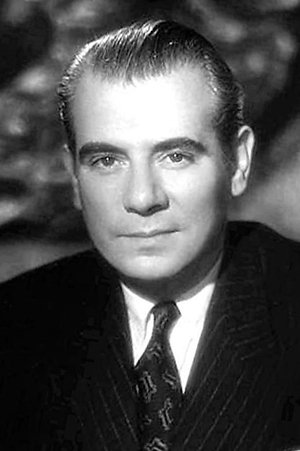
Marcel Herrand
Pierre-François Lacenaire

María Casares
Nathalie
Awards, Festivals & Mentions
-

Nominee — Academy Award Best Original Screenplay
-

Nominee — BAFTA Best Foreign Film
-

Sight & Sound 250 Greatest Films


