
Film
Man with a Movie Camera
Человек с киноаппаратом
A single experimental day in the lives of four Soviet cities (Moscow, Kyiv, Kharkov and Odessa) captured by a cameraman who is also the film's protagonist. Dziga Vertov's groundbreaking essay-documentary defines the avant-garde possibilities of montage, weaving split screens, slow motion, double exposures and rapid cutting into a self-aware celebration of cinema itself. Nearly a century later it remains a basic answer to the question of what cinema can do. Ranked among the greatest films ever made in successive Sight & Sound polls.
About
Dziga Vertov's Man with a Movie Camera (Человек с киноаппаратом) opened in 1929 and was named the greatest documentary of all time by the Sight & Sound poll in 2014, and entered the broader top-ten greatest-films list in 2012 and 2022. The film became the foundational text of the broader European avant-garde-essay-documentary tradition; its influence on subsequent generations of filmmakers (Vertov's own contemporaries, the post-war essay-film tradition, the broader documentary canon) is incalculable.
The film is structured as a single experimental day in the lives of four Soviet cities (Moscow, Kyiv, Kharkov and Odessa) captured by a cameraman who is also the film's central figure. Mikhail Kaufman, Vertov's brother, plays the cameraman; Yelizaveta Svilova, Vertov's wife, was the editor and is shown in the film working at her flatbed editing table. The film operates simultaneously as document of late-1920s urban Soviet life, manifesto for what cinema could become if liberated from theatrical conventions, and sustained formal experiment in what Vertov and his Kino-Eye collaborators were calling the cinema-eye.
The film's structural commitment to refusing actors, screenplay, dialogue (it is silent) and conventional narrative continuity (and to deploying instead split screens, double exposures, slow motion, fast cutting, freeze frames, and a sustained recursive engagement with the act of filmmaking itself) produced one of the most formally radical works in any cinematic tradition. Almost a century after release, the film continues to influence working filmmakers and remains a permanent reference text in any serious film education.
Where to Watch
Not currently available in your country.
Available in: , , , , , , , , , , , , , , , ,
















Streaming availability via JustWatch. Last checked 2026-09-27.
Top Cast
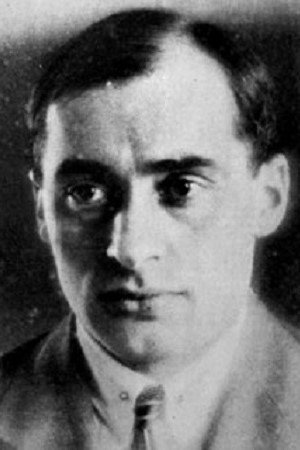
Mikhail Kaufman
The Cameraman
Awards, Festivals & Mentions
-
Sight & Sound 100 Greatest Films
-
BFI 100 Greatest Films


