
Film
Miss Violence
On her eleventh birthday, Angeliki jumps from the family balcony to her death, wearing a smile. As police and social services investigate what the family insists was an accident, the film peels back the facade of an outwardly ordinary Athens household to reveal a sustained pattern of abuse and total patriarchal control. Alexandros Avranas constructs the revelation with clinical restraint, letting dread accumulate through silence and procedure rather than melodrama. Winner of the Silver Lion for Best Director and Best Actor (Themis Panou) at the Venice Film Festival 2013, it stands as one of the most harrowing and necessary Greek films of its era.
About
Alexandros Avranas's Miss Violence won the Silver Lion for Best Director and the Volpi Cup for Best Actor (Themis Panou) at Venice 2013. The film consolidated Avranas, alongside Yorgos Lanthimos and Athina Rachel Tsangari, as one of the central figures of the broader Greek Weird Wave that emerged from the post-2010 Greek economic crisis. The film's reception at Venice was highly polarised (some critics walked out) and the eventual prizes confirmed the strength of the jury's commitment to the work.
On her eleventh birthday, Angeliki jumps from the family balcony, the opening sequence the film deliberately does not contextualise. As police and social services investigate what the family insists was an accident, the film slowly peels back the daily life of the household around Angeliki, her grandfather (Themis Panou), grandmother (Reni Pittaki), mother (Eleni Roussinou), aunt and the broader extended family. The investigation operates as a structural device that lets the film's actual subject matter (what has been happening inside the household for the previous decade) emerge in fragments.
Avranas's commitment to a register of clinical-deadpan staging (long static frames, the absence of musical scoring, the sustained refusal of conventional emotional emphasis) produced a film whose moral-political reception became continuously debated. The film operates simultaneously as character study, contemporary Greek-society critical document, and sustained provocation in the broader Greek Weird Wave register. The Venice jury's recognition was widely received as the most sustained recent international engagement with the broader Greek Weird Wave's confrontational mode.
Where to Watch
Not currently available in your country.
Available in: , , ,






Streaming availability via JustWatch. Last checked 2026-09-27.
Top Cast
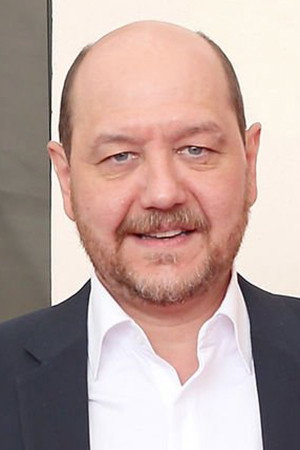
Themis Panou
Father

Reni Pittaki
Mother
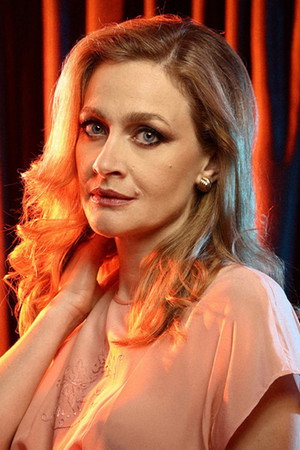
Eleni Roussinou
Eleni

Sissy Toumasi
Myrto
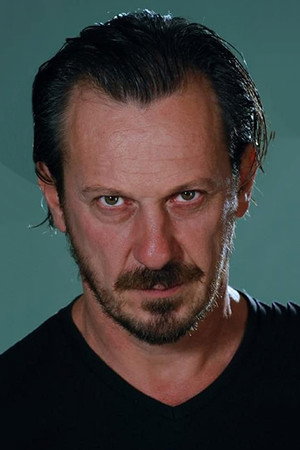
Kostas Antalopoulos
Social Welfare Employee
Awards, Festivals & Mentions
-

Winner × 2 — Venice prizes: Silver Lion for Best Director, Volpi Cup for Best Actor (Themis Panou)
-

Winner × 3 — Oscars: Best Film (Hellenic Film Academy Awards), Best Director (Hellenic Film Academy Awards), Best Actor (Themis Panou) (Hellenic Film Academy Awards)


