
Film
The 400 Blows
Les Quatre Cents Coups
13-year-old Antoine Doinel slips between school, an indifferent home and the streets of Paris, drifting toward delinquency; Truffaut's autobiographical debut, foundation of the French New Wave.
About
François Truffaut's The 400 Blows (French: Les Quatre Cents Coups) is the first feature in the five-film Antoine Doinel cycle Truffaut would extend across two decades, from the short film Antoine et Colette (1962) through Stolen Kisses (1968), Bed and Board (1970) and Love on the Run (1979). The original feature was shot in late 1958 in Paris when Truffaut was twenty-six years old and won him the Best Director prize at the Cannes Film Festival the following May.
The lead, Jean-Pierre Léaud, was fourteen at the time of casting; he would go on to become one of the central faces of the French New Wave through repeated work with Truffaut, Godard, Eustache, Rivette and others, and remained Truffaut's onscreen alter ego across the entire Doinel cycle. The screenplay is largely autobiographical, drawing directly on Truffaut's own difficult adolescence and his time in a juvenile detention centre after running away from home. Cinematography is by Henri Decaë, the New Wave's foundational cameraman, in CinemaScope on early 35mm anamorphic stock.
The film was a foundational entry in the French New Wave alongside Godard's Breathless the following year, and is now treated as one of the canonical works of postwar European cinema. Sight & Sound returned it to its Greatest Films of All Time list in 2022. The closing freeze-frame became one of the most-imitated visual gestures of late-twentieth-century cinema, referenced directly in films from Stand by Me to Pawel Pawlikowski's Ida.
Where to Watch
Not currently available in your country.
Available in: , , , , , , , , , , , ,




























Streaming availability via JustWatch. Last checked 2026-09-27.
Top Cast
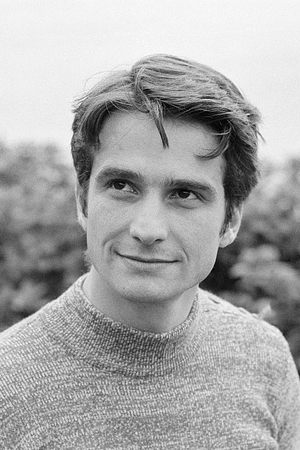
Jean-Pierre Léaud
Antoine Doinel
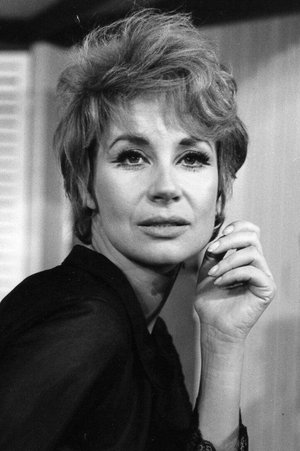
Claire Maurier
Gilberte Doinel
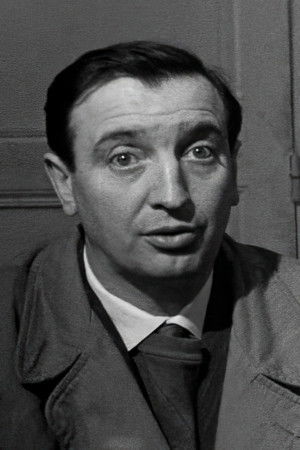
Albert Rémy
Julien Doinel
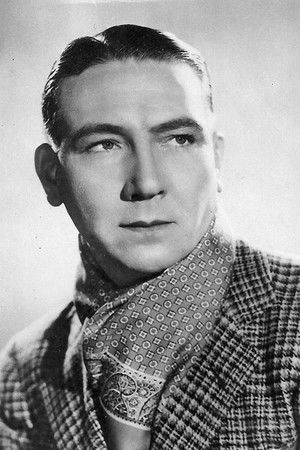
Georges Flamant
Mr. Bigey
Patrick Auffay
René
Awards, Festivals & Mentions
-
Winner — Best Director — Cannes
-

Nominee — Academy Award Best Original Screenplay
-
Sight & Sound 250 Greatest Films


In these collections
Featured In
- 10 Must-Watch French Films 5 May 2026