
Film
Vivre sa vie
A young Paris record-shop clerk drifts out of her life and into prostitution, filmed in twelve numbered chapters.
About
Jean-Luc Godard's Vivre sa vie (also known as My Life to Live) won the Special Jury Prize at the 23rd Venice International Film Festival in 1962, Godard's first major Venice recognition, two years after the international success of Breathless. The film is widely cited as the central work of Godard's first phase, between Breathless (1960) and Pierrot le fou (1965); it is structured in twelve numbered chapters with intertitles and is the most formally rigorous of Godard's early features.
The lead, Anna Karina, was Godard's wife at the time of shooting (they had married in 1961). The film is the third of their seven cinematic collaborations, after Le petit soldat (1960, banned by French censors and not released until 1963) and Une femme est une femme (1961, also a Silver Bear winner at Berlin). The Karina-Godard partnership across this six-year period is widely considered one of the most consequential director-actress relationships in twentieth-century cinema; their collaboration ended in 1967 with Made in U.S.A., the year of their divorce.
The cinematography is by Raoul Coutard, the New Wave's foundational cameraman who shot every Godard feature from Breathless through Week-end in 1967. The score is by Michel Legrand and uses extended passages of his own original work alongside Bach. The film engages directly with Carl Theodor Dreyer's The Passion of Joan of Arc in a famous central sequence that intercuts Karina watching the Maria Falconetti silent film at a Paris cinema. Sight & Sound's 2022 critics' poll placed the film on its Greatest Films of All Time list.
Where to Watch
Not currently available in your country.
Available in: , , , , , , , , ,














Streaming availability via JustWatch. Last checked 2026-09-27.
Top Cast
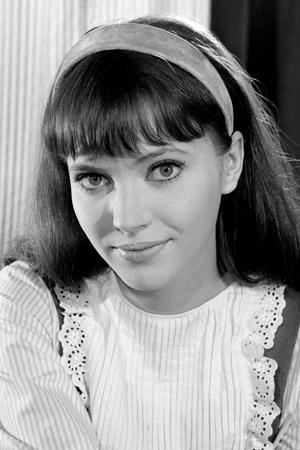
Anna Karina
Nana Kleinfrankenheim
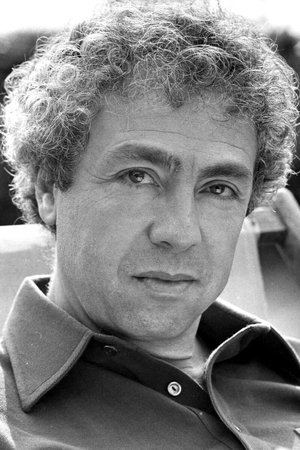
Sady Rebbot
Raoul
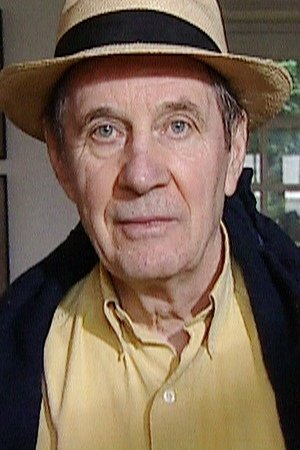
André S. Labarthe
Paul
Guylaine Schlumberger
Yvette
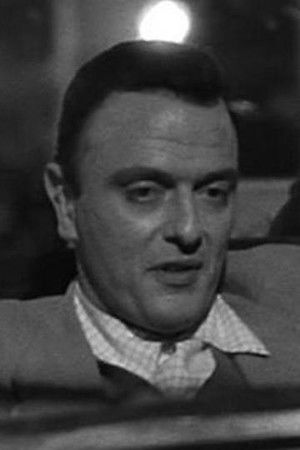
Gérard Hoffmann
Chef
Awards, Festivals & Mentions
-

Winner × 2 — Venice prizes: Special Jury Prize, Grand Jury Prize
-

Sight & Sound 250 Greatest Films


Le Bonheur

Last Year at Marienbad

Beau Travail

Shoot the Piano Player

Jeanne Dielman, 23 quai du Commerce, 1080 Bruxelles

Hiroshima mon amour

The Secret of the Grain

The Umbrellas of Cherbourg

Les Enfants du paradis

The Soft Skin

Orpheus

Bob le flambeur