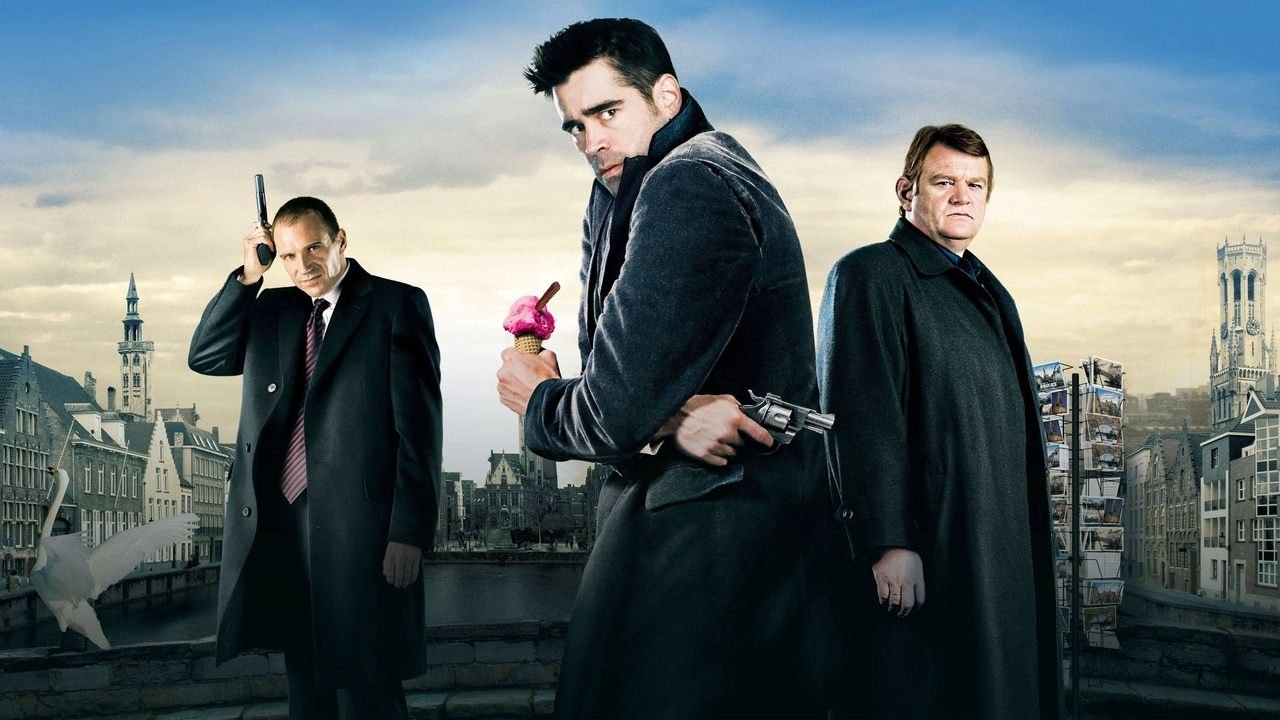
From Chantal Akerman's structural masterpieces to the Dardenne brothers' two Palmes d'Or and Lukas Dhont's new wave, ten essential Belgian films from one of Europe's most rigorous national cinemas.
Belgium produces more important films per capita than almost any country in Europe. Chantal Akerman's Jeanne Dielman tops the most recent Sight & Sound poll of the greatest films of all time. The Dardenne brothers have won the Palme d'Or twice and the Grand Prix once. Lukas Dhont, Felix van Groeningen, and the Cartoon Saloon-adjacent stop-motion studios working out of Wallonia have continued the tradition. The Belgian Film Fund and the Flemish Audiovisual Fund have, between them, sustained one of the most consistently rewarding small-country cinemas in Europe for fifty years.
This list spans fifty-one years and includes two Palme d'Or winners, one Cannes Grand Prix laureate, and the most influential Belgian feminist film ever made. Whether you're new to Belgian cinema or filling in the gaps, here are ten films you need to watch.
1. Jeanne Dielman, 23 quai du Commerce, 1080 Bruxelles (1975)
Dir. Chantal Akerman · Belgium / France · Drama
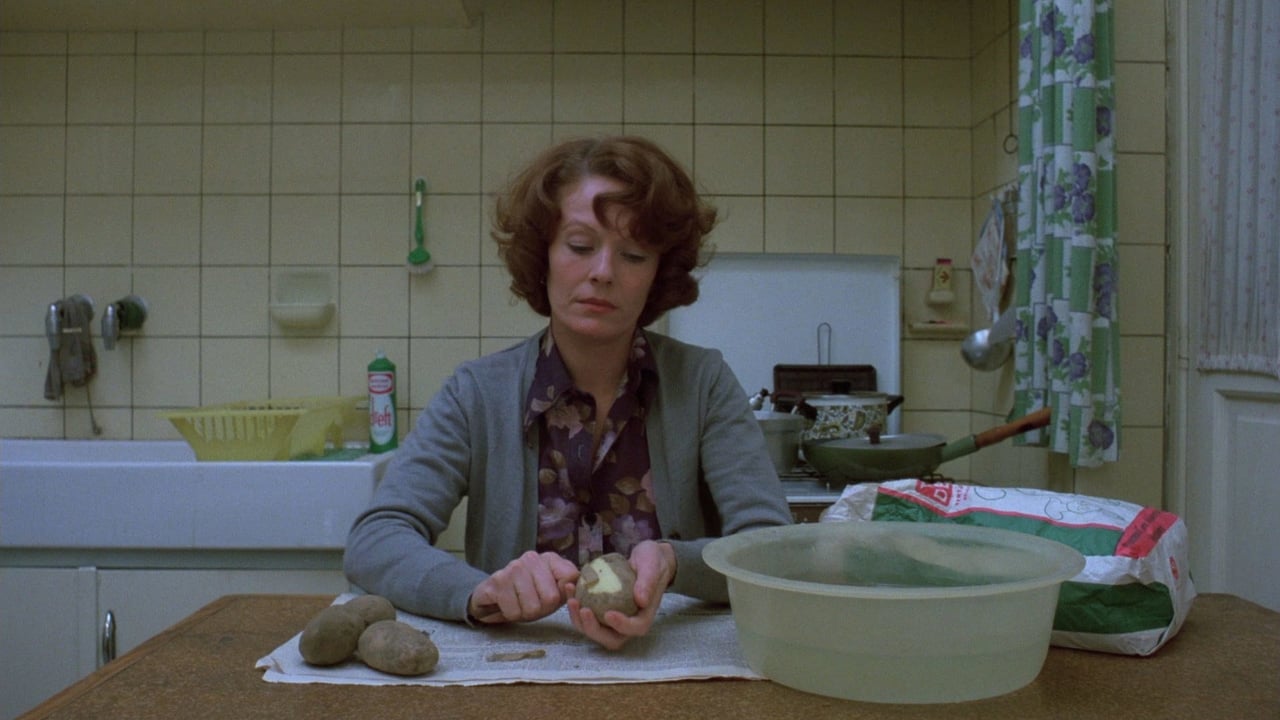
Chantal Akerman was twenty-five when she made this three-and-a-half-hour film about three days in the life of a Brussels widow (Delphine Seyrig), filmed almost entirely in fixed master shots inside the small flat she shares with her teenage son. Akerman dignifies her subject's domestic routine with a duration normally reserved for epics — peeling potatoes, cleaning, preparing meals — and produces one of the most rigorous arguments any film has ever made for taking a woman's daily labour seriously.
In 2022, the Sight & Sound critics' poll placed Jeanne Dielman at number one — the first film by a woman director to take the position in the poll's seventy-year history. Seyrig's performance, mostly without dialogue, is one of the great achievements of European screen acting. A film that demands and rewards extraordinary patience.
2. Rosetta (1999)
Dir. Jean-Pierre & Luc Dardenne · Belgium / France · Drama
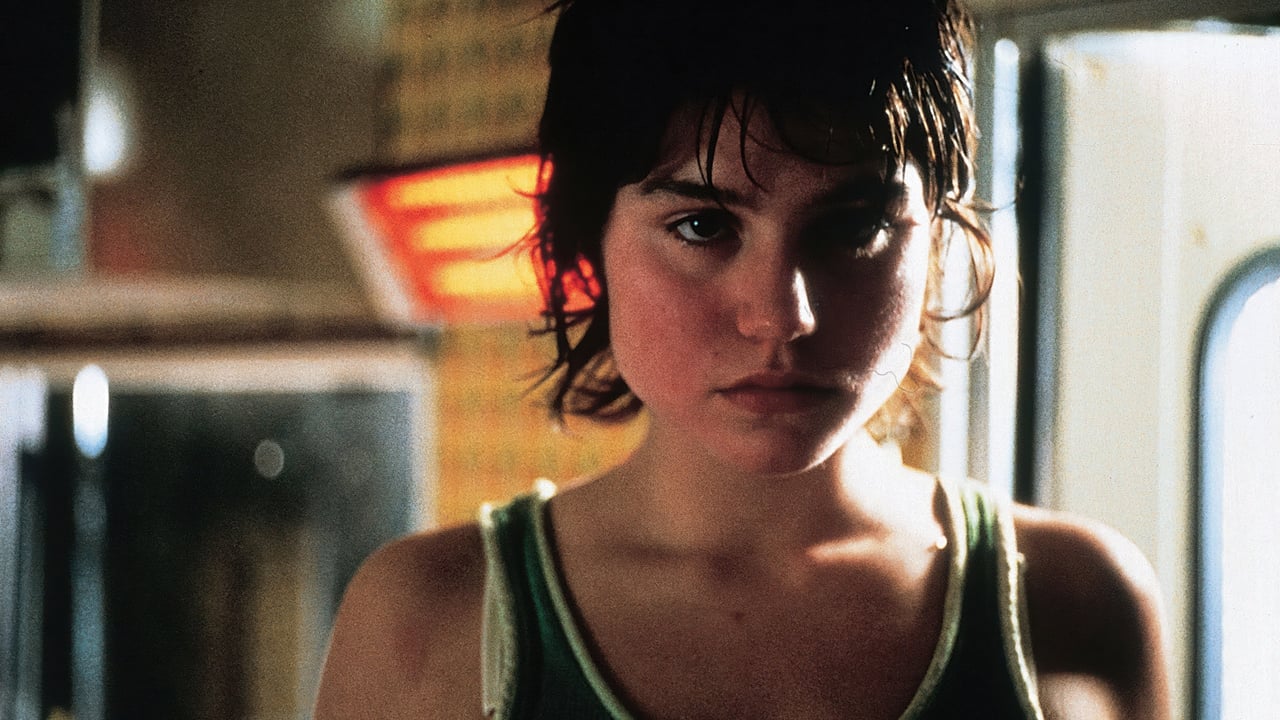
Émilie Dequenne plays Rosetta, a young Belgian woman living with her alcoholic mother in a caravan park, fighting (with extraordinary determination) for the kind of permanent job that might give her a foothold in society. Jean-Pierre and Luc Dardenne's third feature won the Palme d'Or at Cannes 1999 and Best Actress for Dequenne, and immediately announced the brothers as the most morally serious filmmakers working in Europe.
The film's handheld, almost-procedural style (the camera fixed on Rosetta's back through long passages of action) became one of the most influential visual languages in twenty-first-century cinema. The film's social impact in Belgium was concrete: legislation introduced shortly after its release, designed to protect young workers from exploitation, became known popularly as la loi Rosetta. A film that genuinely changed the world it depicted.
3. L'Enfant (2005)
Dir. Jean-Pierre & Luc Dardenne · Belgium / France · Crime / Drama
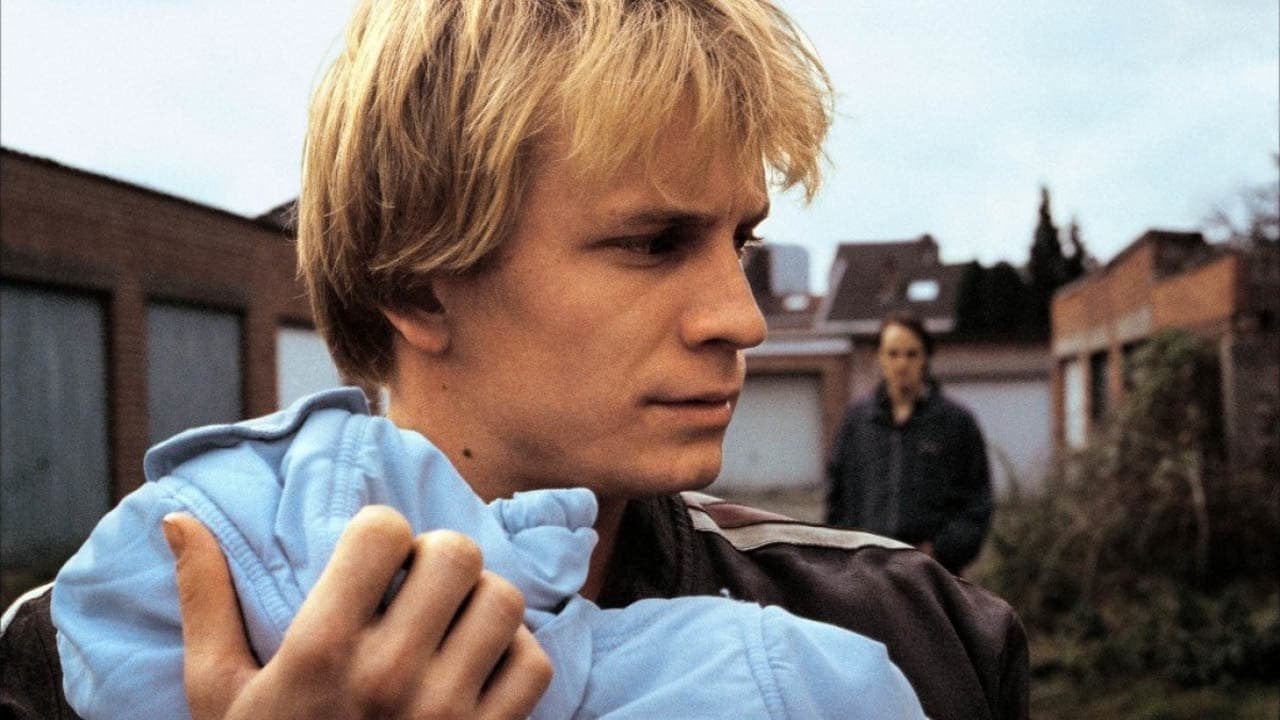
The Dardenne brothers' second Palme d'Or winner, set in the same Liège-Seraing region of southern Belgium as Rosetta and most of their other films. Jérémie Renier plays Bruno, a small-time hustler in his early twenties whose girlfriend (Déborah François) has just given birth to their son. Bruno's response to fatherhood is the substance of the film.
The Dardennes won the Palme d'Or for the second time in seven years, an extraordinary achievement matched by very few directors in the festival's history. Renier — who had been in their earlier The Promise as a fourteen-year-old — was extraordinary; he has continued to work with the brothers across most of their subsequent films. A piece of moral cinema in the most rigorous Bressonian tradition.
4. Two Days, One Night (2014)
Dir. Jean-Pierre & Luc Dardenne · Belgium / France / Italy · Drama
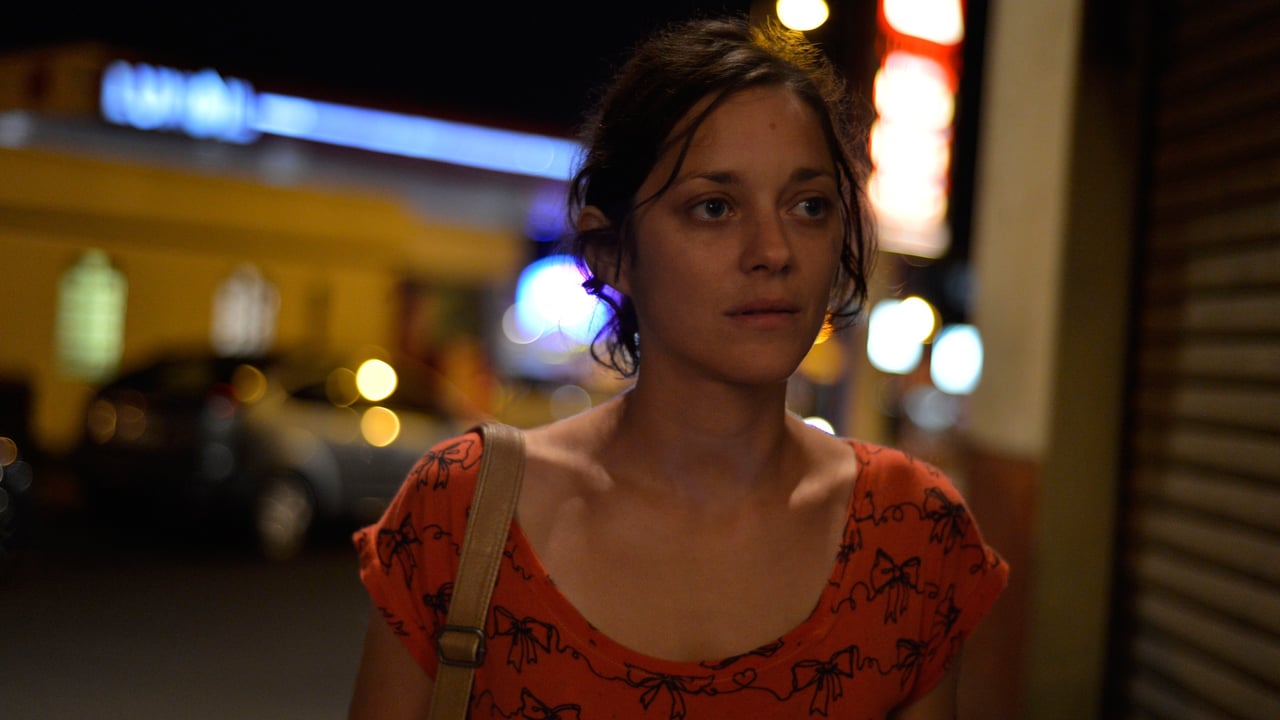
Marion Cotillard plays Sandra, a Belgian solar-panel factory worker on sick leave who learns that her colleagues have been offered a bonus on the condition that they vote to make her redundant. She has the weekend to visit each of them and ask them to vote against the bonus. The film's structure — sixteen separate visits across two days — is among the most rigorous in modern cinema.
Cotillard, in a rare non-French film, was nominated for the Academy Award for Best Actress. The film won the Sydney Film Prize and a long list of European citations. The Dardennes' use of an international star without compromising any of their methods is one of the great showcases for what their style can do. A film whose premise is also a piece of moral philosophy.
5. The Broken Circle Breakdown (2012)
Dir. Felix van Groeningen · Belgium · Drama / Romance / Music
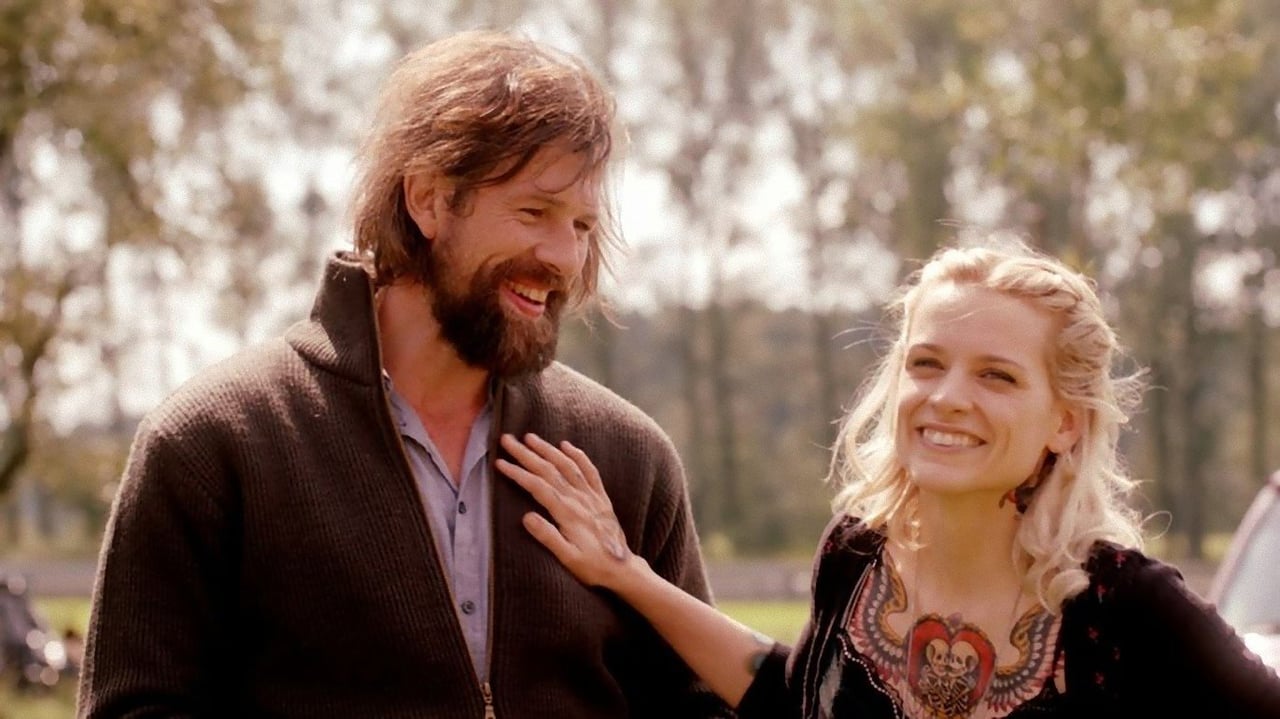
A Flemish bluegrass musician (Johan Heldenbergh) and a tattoo artist (Veerle Baetens) meet, fall in love, and have a daughter. Felix van Groeningen's film, structured as a series of fragments across the years of their relationship, is built around the kind of music — the American old-time and bluegrass tradition — that has unexpectedly thriving subcultures in northern Europe.
The film was nominated for the Academy Award for Best Foreign Language Film and won the European Film Award for Best Actress for Baetens. Its handling of grief, of music, and of the way two people can disagree about the most fundamental questions while still loving each other is exceptional. The soundtrack, performed by the cast on screen, is one of the most affecting song collections in modern European cinema.
6. Close (2022)
Dir. Lukas Dhont · Belgium / Netherlands / France · Drama
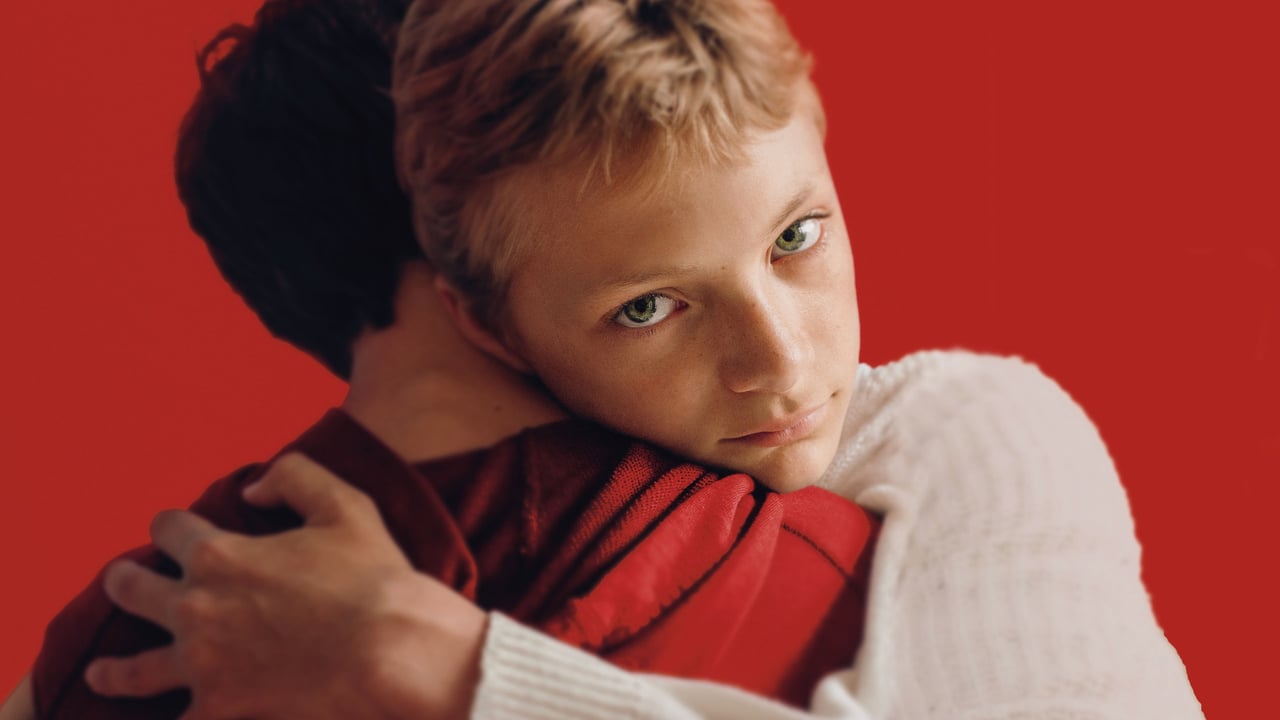
Two thirteen-year-old boys (Eden Dambrine and Gustav De Waele) have grown up as inseparable best friends in rural Belgium. The transition into a new school year, and the social pressures that come with it, set the stage for Lukas Dhont's second feature. The film won the Grand Prix at Cannes 2022 and was nominated for the Academy Award for Best International Feature.
Dhont's debut Girl had been controversial; Close is by consensus a more achieved film. Dambrine's central performance, almost entirely interior, is one of the most extraordinary debuts of recent European cinema. Frank van den Eeden's photography of the Belgian countryside (the flower farms of West Flanders) is among the most beautiful work in any film of the year.
7. The Eight Mountains (2022)
Dir. Felix van Groeningen & Charlotte Vandermeersch · Italy / Belgium / France / UK · Drama
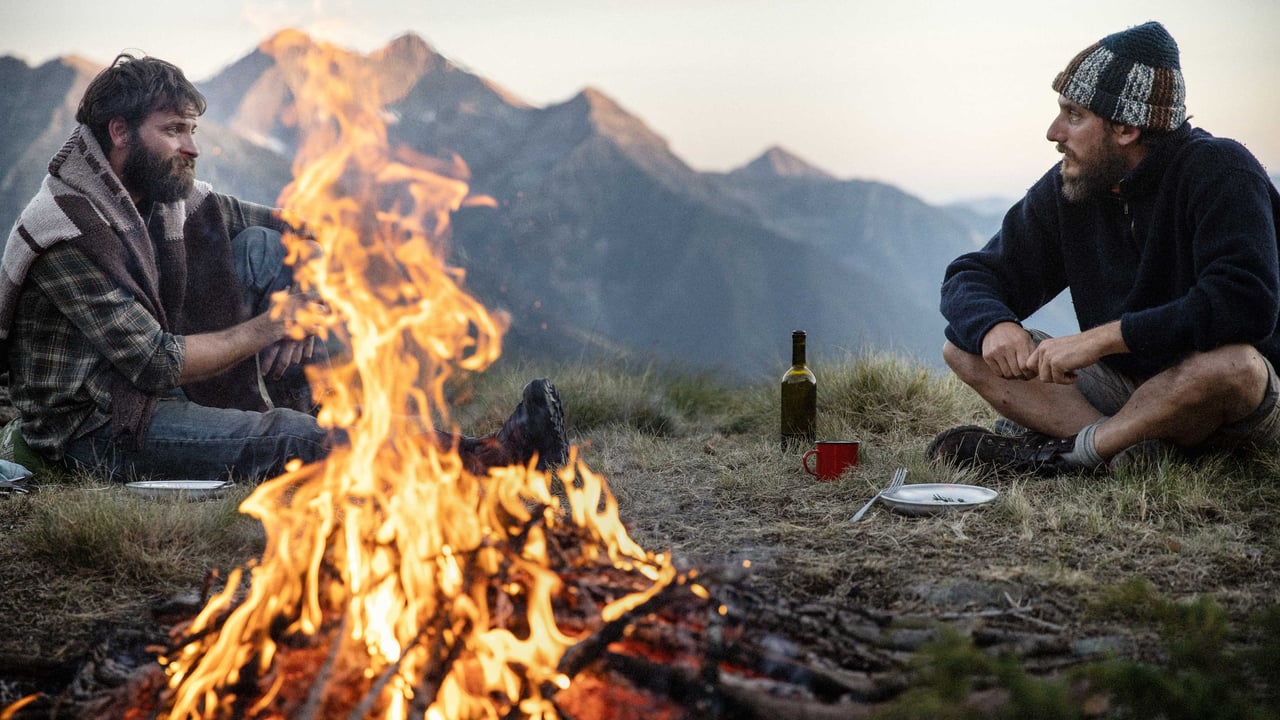
Felix van Groeningen's second film on this list, co-directed with Charlotte Vandermeersch and adapted from Paolo Cognetti's prize-winning novel. Two Italian boys, one from Turin and one from a remote alpine village, meet in childhood and continue their friendship across decades. The film won the Jury Prize at Cannes 2022 and a long list of European citations.
Luca Marinelli and Alessandro Borghi (both at the height of their powers) play the two friends as adults; Ruben Impens's photography of the Italian Alps is exceptional. The film is also one of the most accomplished examples of contemporary European co-production: a Belgian-led production, in Italian, set in Italy and Nepal, distributed across the world. Two-and-a-half hours that pass with the patience of mountain weather.
8. A Town Called Panic (2009)
Dir. Stéphane Aubier & Vincent Patar · Belgium / France / Luxembourg · Animation / Comedy
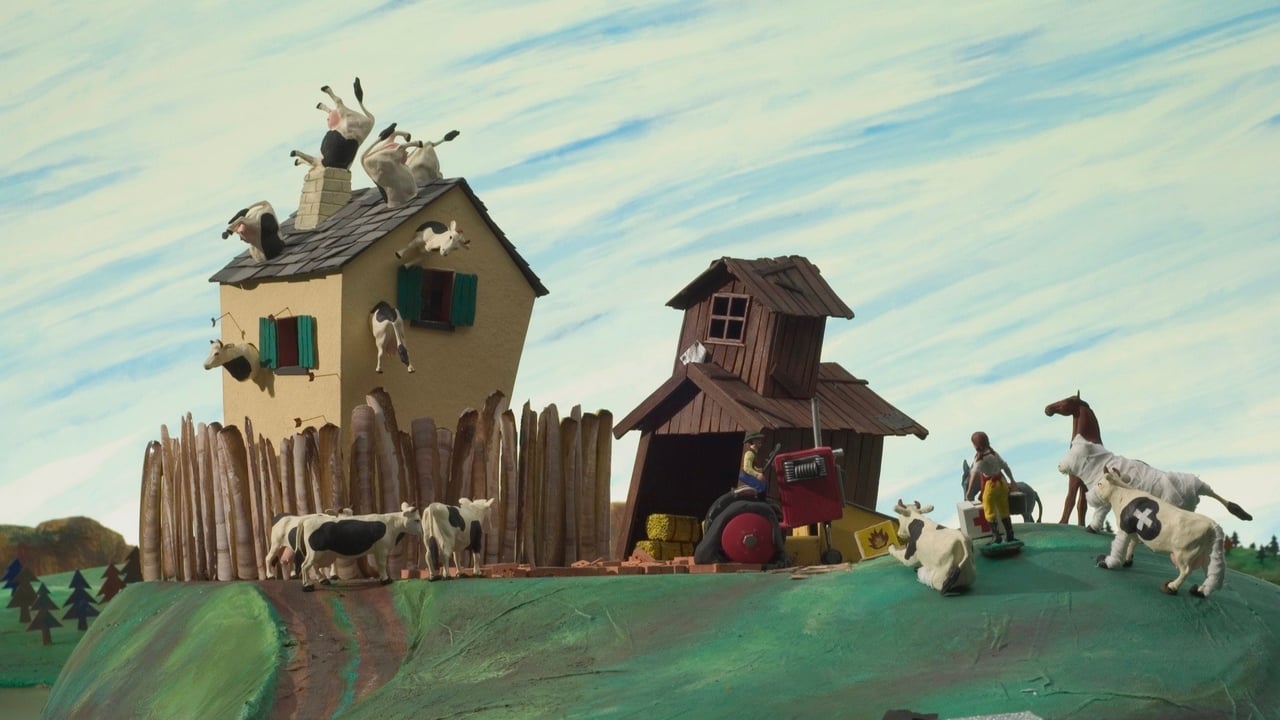
The first stop-motion animation feature ever selected for the Cannes Film Festival's official competition, made by the Belgian writer-directors Stéphane Aubier and Vincent Patar. Cowboy, Indian, and Horse — three plastic toy figurines living in a small village — accidentally order fifty million bricks. What follows is one of the most genuinely strange children's films ever made.
The film won the European Film Award for Best Animation and remains one of the most internationally beloved Belgian animations of the past two decades. Its sensibility (manic, deadpan, occasionally surreal) sits in a Belgian comic tradition that runs from Hergé to Magritte. Suitable for children but written with adults in mind.
9. News from Home (1977)
Dir. Chantal Akerman · Belgium / France · Documentary
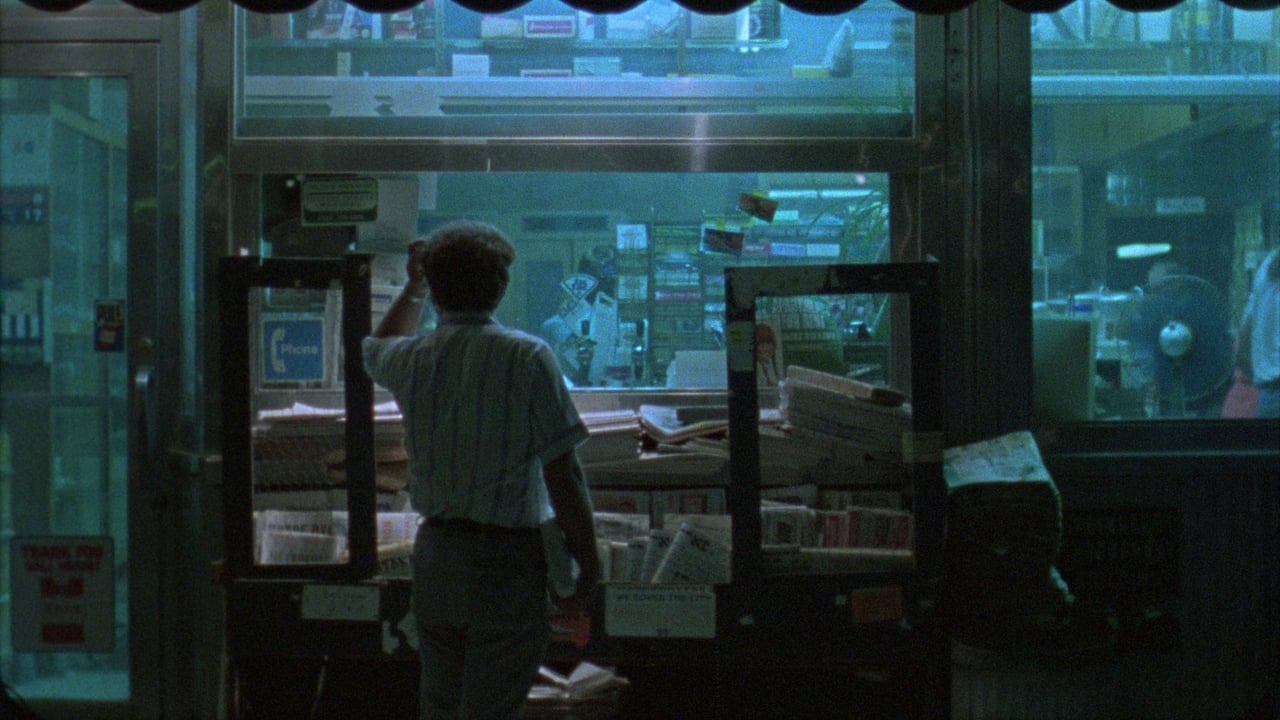
Chantal Akerman's second-most-important film and one of the foundational works of the personal essay-film tradition. Static shots of New York streets, subway platforms, and shop windows, photographed during Akerman's mid-1970s residency in the city, are accompanied on the soundtrack by the director reading aloud the letters her mother sent her from Brussels.
The juxtaposition (a young woman observing a foreign city while her absent mother begs her to come home) is one of the most quietly powerful uses of voice and image in any documentary. The film has been cited as a primary influence by James Benning, Sharon Lockhart, and a long list of contemporary slow-cinema filmmakers. Worth seeing alongside Akerman's other work in our catalogue.
10. Small Things Like These (2024)
Dir. Tim Mielants · Ireland / Belgium · Drama
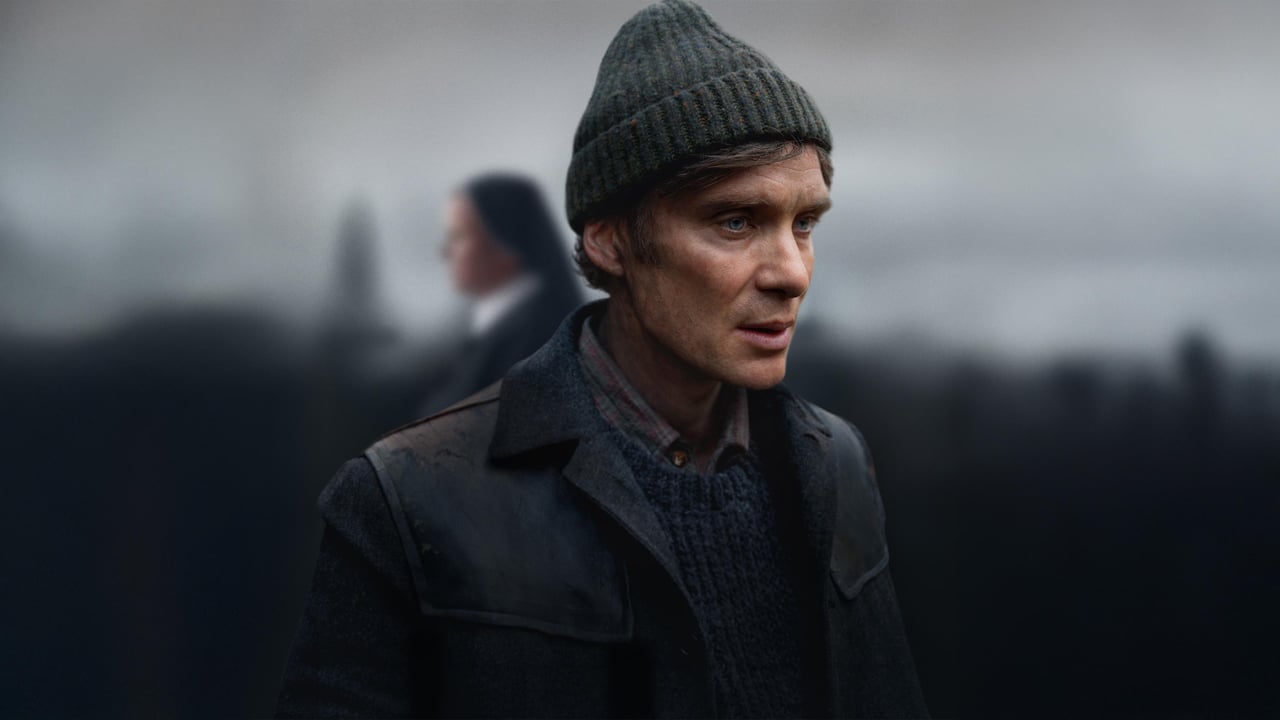
Cillian Murphy plays Bill Furlong, a coal merchant in 1985 small-town Ireland, who in the run-up to Christmas comes into uneasy contact with the local Magdalene laundry — one of the church-run institutions where unmarried women and their children were held under conditions of forced labour. Tim Mielants is a Flemish director (best known for Peaky Blinders) and the film is a Belgian co-production.
The film opened the Berlinale 2024 in competition; Murphy's performance, almost entirely inward, is one of his most accomplished post-Oppenheimer roles. Adapted from Claire Keegan's novella by the playwright Enda Walsh. A study in moral hesitation, made with the patience and restraint that has become a Belgian directorial signature.
The Belgian Tradition
What unites these ten films, despite the fifty years between the earliest and the latest, is a willingness to take ordinary lives seriously and to let cinema time match the time of those lives. Akerman's three-and-a-half hours with Jeanne Dielman, the Dardennes' patience with Rosetta and Bruno, Mielants's slow Christmas in 1985 Ireland — all are examples of a cinema that refuses to compress experience for the convenience of the audience.
The other through-line is Belgian co-production. The country has been one of the great enabling forces in contemporary European cinema, putting funding into films directed by French, Italian, and Irish auteurs as well as Belgian ones. Many of the most important European films of the past two decades have a Belgian co-production credit, even when they don't appear to be Belgian films. The cinema of a small country, working at scale.
Honourable Mention: Je, Tu, Il, Elle (1974)
Dir. Chantal Akerman · Belgium / France · Drama
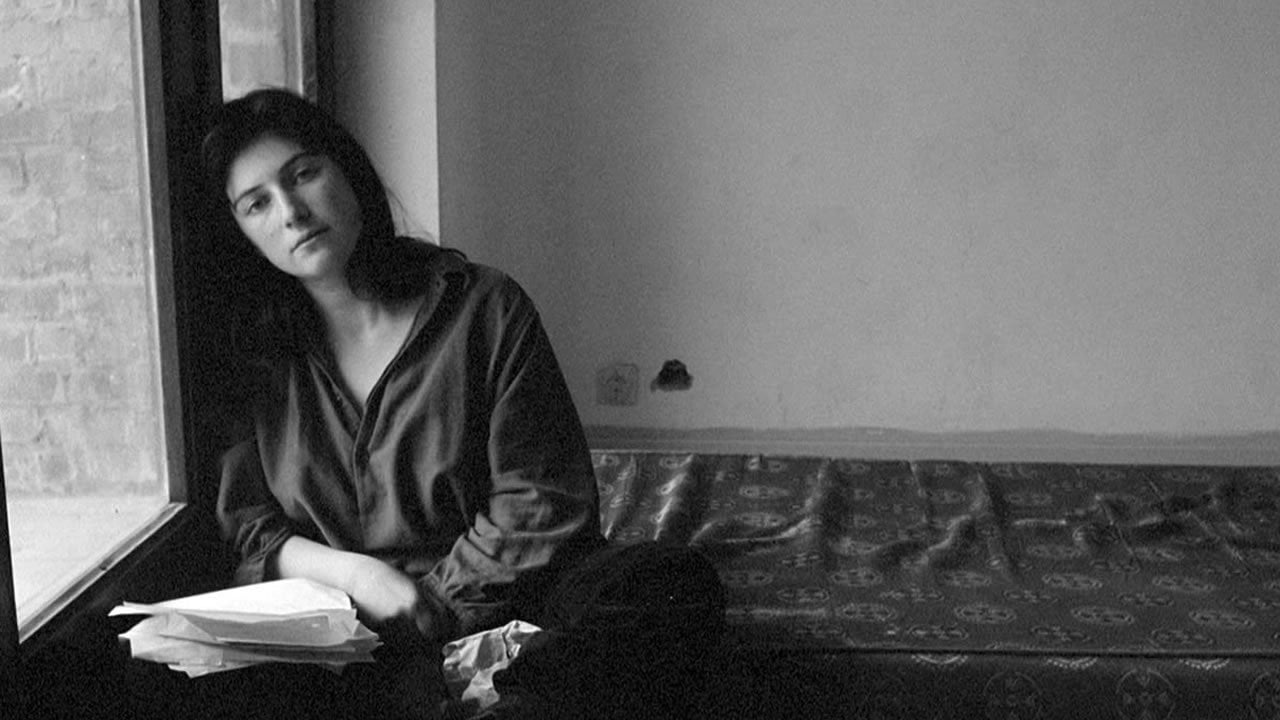
Akerman's debut feature, made the year before Jeanne Dielman, with the director herself in the leading role. The film is a study in three stages — solitude, a hitchhiker, a former lover — each shot in long static takes. Often programmed alongside Jeanne Dielman as the establishing pair of works in Akerman's career. A film whose formal radicalism has lost none of its capacity to provoke.
Where to Start
If you're new to Belgian cinema, Two Days, One Night (with Marion Cotillard) and The Broken Circle Breakdown are the most immediately accessible. For something more ambitious, Close is the most rewarding recent release. For a single film that will likely change how you think about cinema, Jeanne Dielman remains one of the great viewing experiences in European film, provided you have an afternoon to give it.
If you enjoyed this list, explore our companion guides — our 10 Must-Watch French Films and our 10 Must-Watch European Films of 2025. For the lighter end of the continent's output, including the Aubier–Patar stop-motion tradition that gave us A Town Called Panic, see our 10 Must-Watch European Comedies.