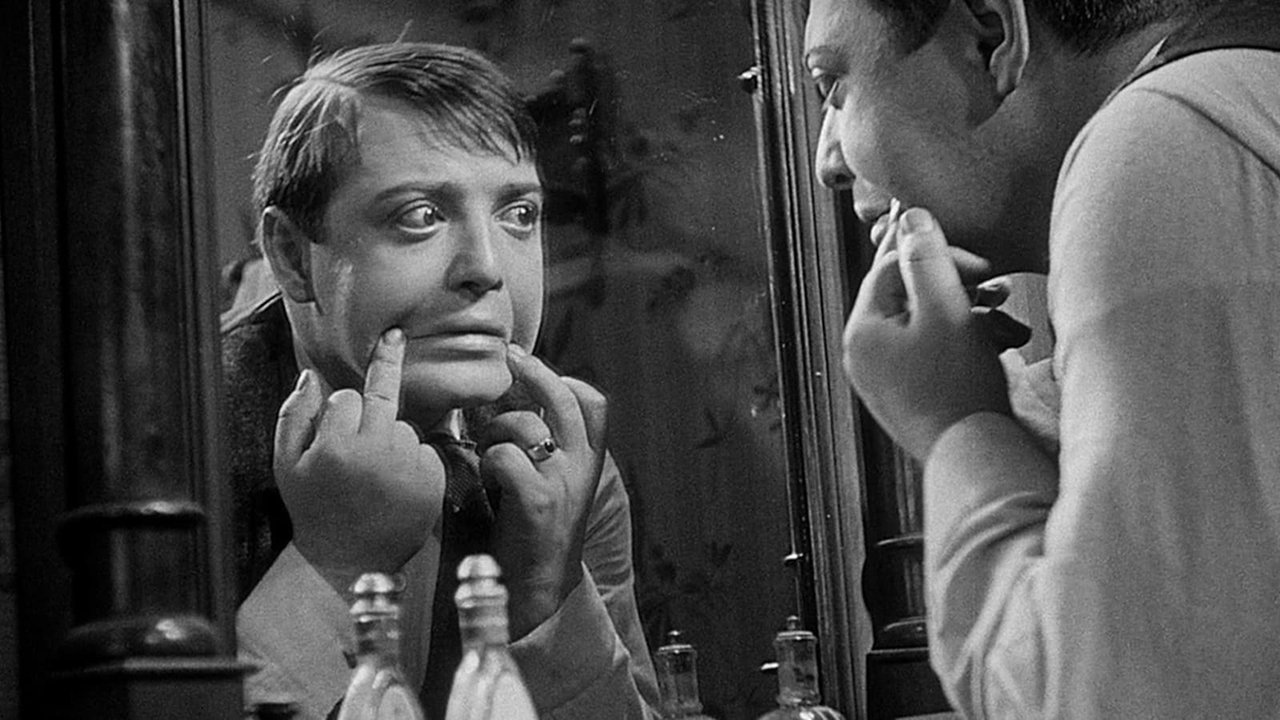
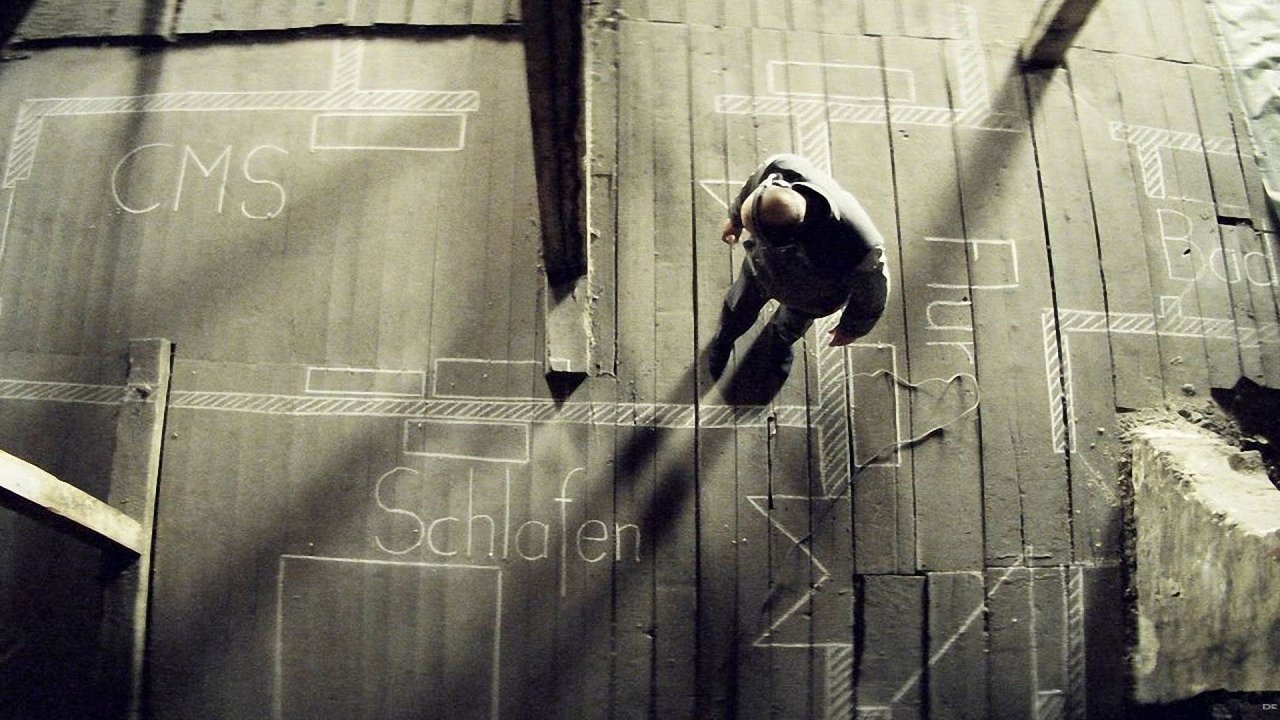
From Jean-Pierre Melville's existential noir to the new wave of courtroom dramas, ten essential French crime films from the deepest tradition in European genre cinema.
French crime cinema is older than the genre's American equivalent and arguably more philosophically restless. The polar — France's distinctive contribution to noir — emerged in the 1950s with directors like Jean-Pierre Melville and Henri-Georges Clouzot, and developed through the New Wave into a tradition that takes the procedural seriously while refusing the simpler moral architectures of Hollywood crime film. Contemporary French directors continue the line: courtroom dramas, banlieue gang films, prison procedurals, and Hitchcockian thrillers all flourish.
The ten films below span seventy years and four generations of French filmmaking. They include winners of the Palme d'Or, the Grand Prix at Cannes, and the Academy Award for Best Original Screenplay. Whether you're new to French crime cinema or filling in the gaps, here are ten films you need to watch.
1. Le Samouraï (1967)
Dir. Jean-Pierre Melville · France · Crime / Drama / Thriller
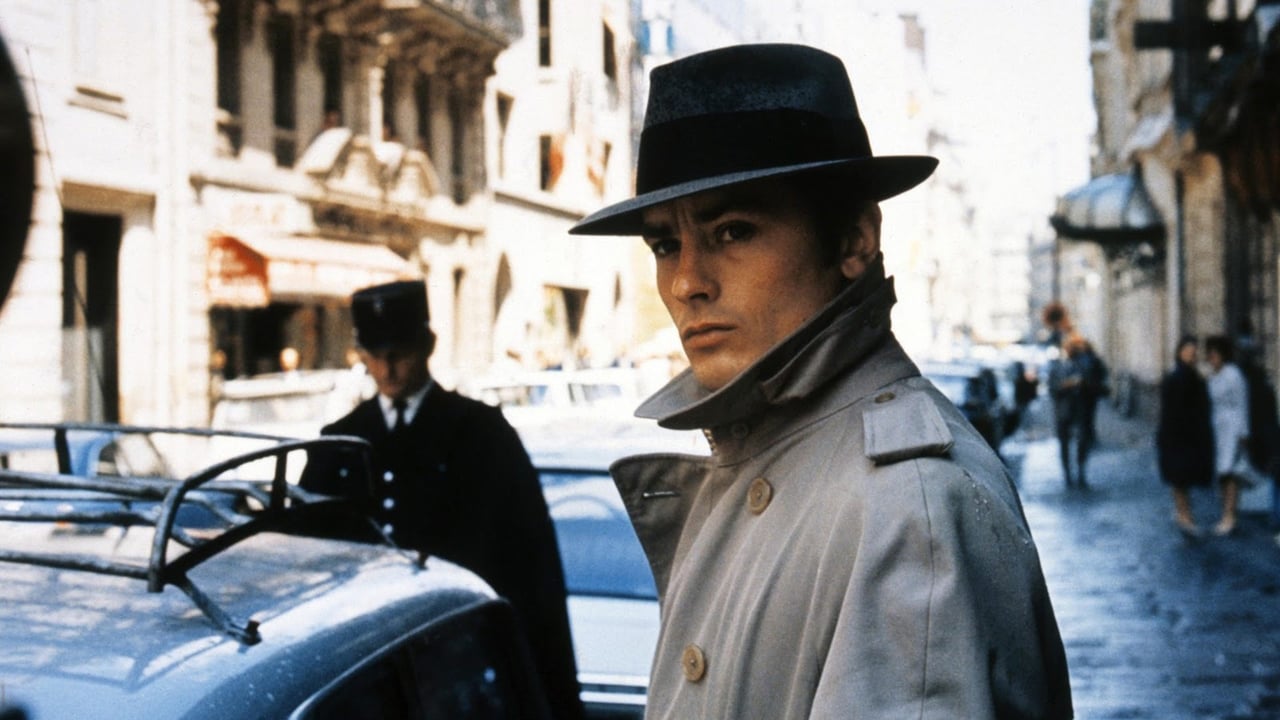
Alain Delon plays Jef Costello, a contract killer in a trench coat and fedora, moving through Paris with the ritual precision of an obsessive. Jean-Pierre Melville's film is the definitive statement of the French polar: spare, almost wordless, structured around long passages of pure procedural observation, and infused throughout with a cold spiritual seriousness that has no parallel in American crime cinema.
The film has been cited as a primary influence by John Woo, Jim Jarmusch (whose Ghost Dog is a direct homage), Quentin Tarantino, and Michael Mann. Henri Decaë's photography of grey Parisian interiors and rainy streets remains one of the great visual statements in noir of any nationality. A film whose every frame is composed with the discipline of a haiku.
2. The Wages of Fear (1953)
Dir. Henri-Georges Clouzot · France / Italy · Thriller / Drama
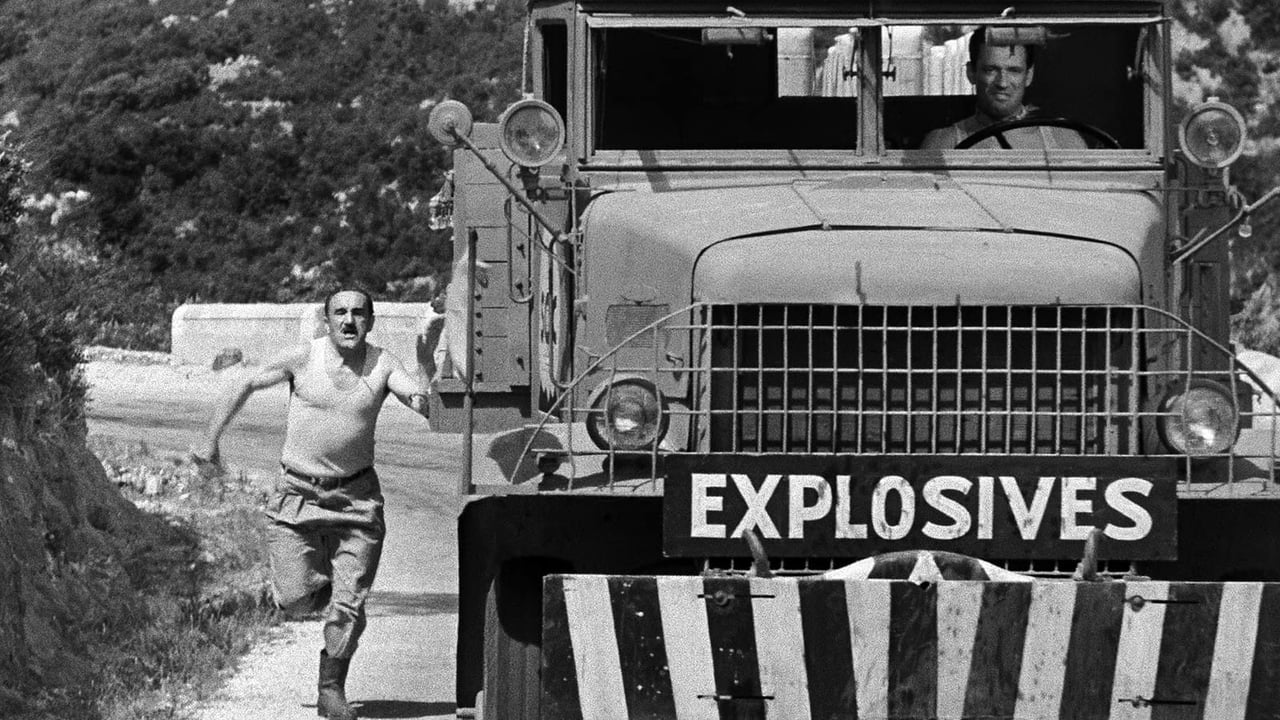
Four desperate men are hired by an American oil company to drive two trucks of nitroglycerine across two hundred miles of South American mountain road, with the explosive cargo unstable enough that any sudden jolt will detonate it. Henri-Georges Clouzot's film, adapted from Georges Arnaud's novel, won the Palme d'Or at Cannes and is one of the most physically tense films ever made.
Yves Montand became a star on the strength of his performance. The film's first hour, set in the impoverished oil-company town from which the drivers depart, is as carefully observed as any social-realist drama; the second hour, on the road, is a sustained masterclass in suspense filmmaking. Clouzot would follow it with Diabolique, the film Hitchcock said he wished he had made.
3. Pickpocket (1959)
Dir. Robert Bresson · France · Crime / Drama
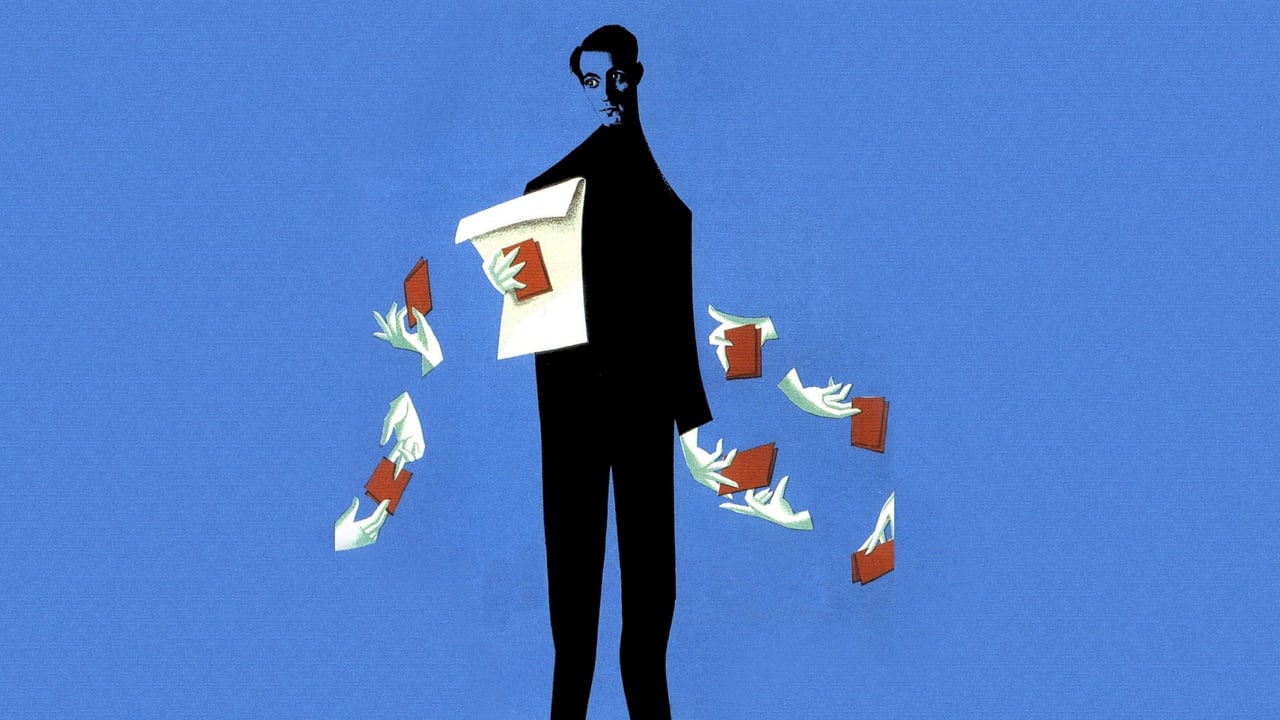
Robert Bresson's portrait of Michel, a young Parisian who has decided that he is exempt from ordinary moral law and pursues a career as a pickpocket on the metro, is one of the most influential crime films ever made. Loosely indebted to Dostoevsky's Crime and Punishment, the film follows Michel through a series of long, almost choreographed sequences of hands moving in and out of pockets and across briefcases.
Bresson's well-known method (the use of non-professional "models" rather than actors, the refusal of psychological underlining, the stripped-down sound design) finds its most rigorous application here. The film has been cited as a foundational text by Paul Schrader, who reworked its central premise in Taxi Driver, American Gigolo, and First Reformed. A film about the spiritual cost of self-mythologising.
4. A Prophet (2009)
Dir. Jacques Audiard · France / Italy · Crime / Drama
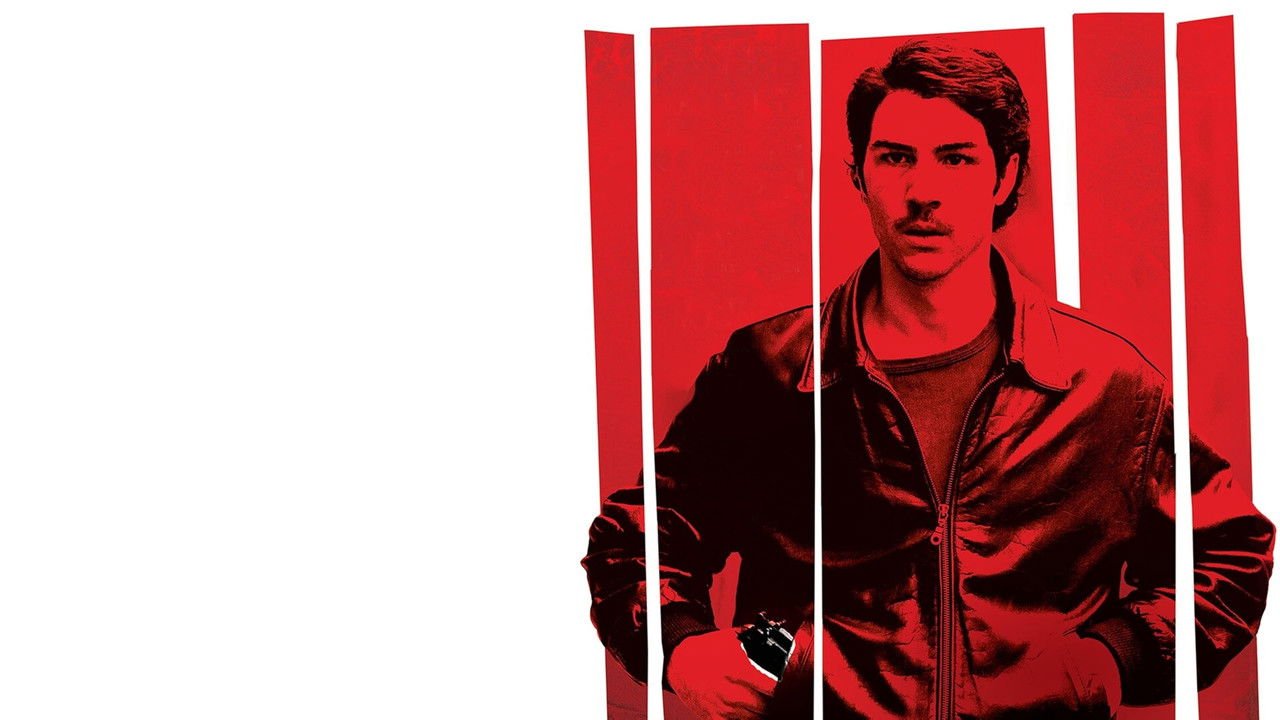
Tahar Rahim plays Malik El Djebena, a nineteen-year-old of Arab descent serving a six-year sentence in a French prison run by Corsican gangsters. Jacques Audiard's film is one of the most rigorous prison procedurals in contemporary cinema: an account of the institutional politics of the French penal system, told from the point of view of someone climbing through it.
The film won the Grand Prix at Cannes (the festival's runner-up to the Palme d'Or), eight Césars including Best Film, and a long list of European Film Awards. Rahim's performance, alongside Niels Arestrup as the Corsican boss César, is a masterclass in screen presence. Two-and-a-half hours of patient observation that pass faster than most ninety-minute thrillers.
5. Léon (1994)
Dir. Luc Besson · France · Action / Crime / Thriller
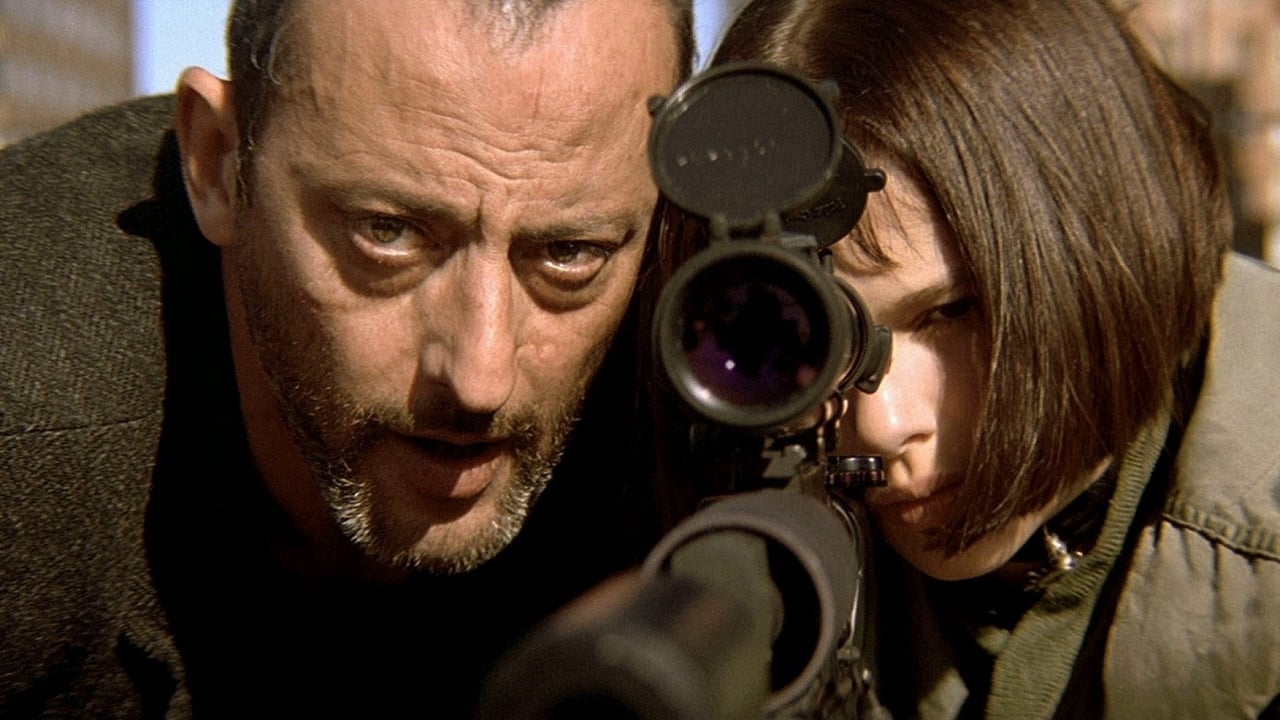
Jean Reno plays Léon, a hitman living in a small New York apartment, whose insulated life is upended when his twelve-year-old neighbour Mathilda (Natalie Portman, in her debut) is left orphaned by a corrupt DEA agent (Gary Oldman). Luc Besson's film, a French production shot in English on location in New York, became one of the most internationally successful French crime films ever made.
Portman's performance is one of the great child screen debuts. Oldman's antagonist, by turns absurd and terrifying, is among the most memorable in any thriller of the decade. The film has been cited as a primary influence by directors as different as Anton Corbijn and Lynne Ramsay. The international cut is the one to seek out.
6. La Haine (1995)
Dir. Mathieu Kassovitz · France · Crime / Drama
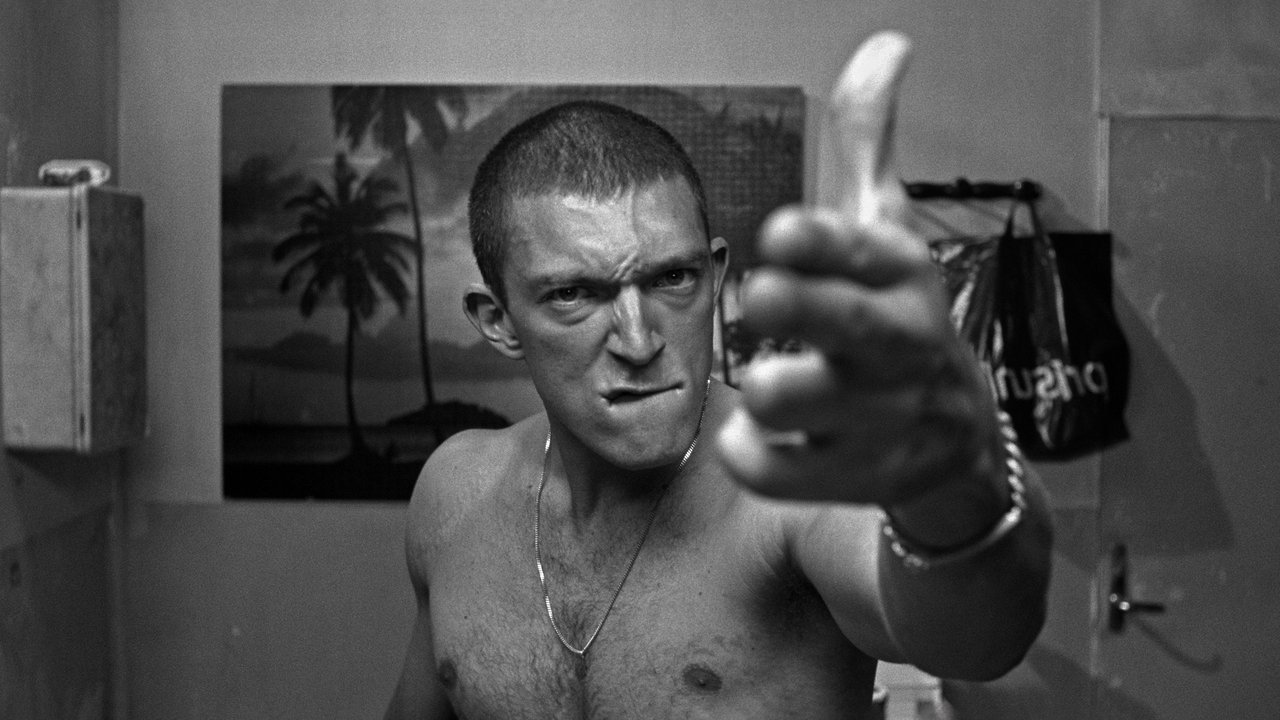
Twenty-four hours in the lives of three young men from the Paris banlieues — Vinz, Saïd, and Hubert — in the aftermath of a riot. Mathieu Kassovitz's second feature was made on the back of a year of actual unrest in the suburbs surrounding Paris, and shot in stark black-and-white by Pierre Aïm. Vincent Cassel, Saïd Taghmaoui, and Hubert Koundé became overnight stars.
Kassovitz won Best Director at Cannes; La Haine went on to become the defining French film of its decade and a touchstone for every cinema concerned with race, class, and policing. Three decades on, it has lost none of its anger or its formal bravura. A crime film whose argument extends beyond its genre.
7. Anatomy of a Fall (2023)
Dir. Justine Triet · France · Crime / Drama / Mystery
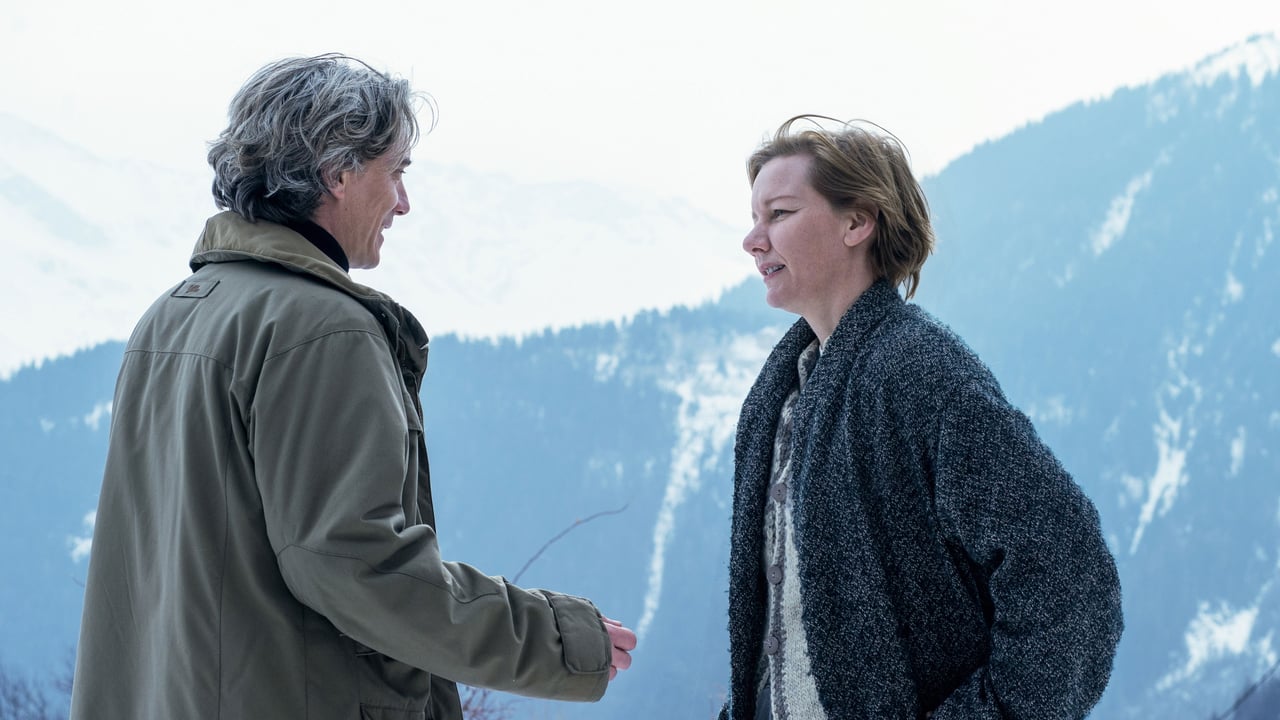
A man falls from the upper window of his Alpine chalet. His wife, a successful novelist (Sandra Hüller), is the only adult home; their visually impaired son discovers the body. Justine Triet's two-and-a-half-hour courtroom film is interested less in solving the death than in what marriage does to the people inside it.
Triet became only the third woman to win the Palme d'Or; the film went on to win the Academy Award for Best Original Screenplay and was nominated for Best Picture. Hüller's performance, in French and English, is one of the great recent achievements in screen acting. The most rewarding French courtroom film since the heyday of Claude Chabrol.
8. Caché (2005)
Dir. Michael Haneke · France / Austria / Germany / Italy · Thriller / Mystery
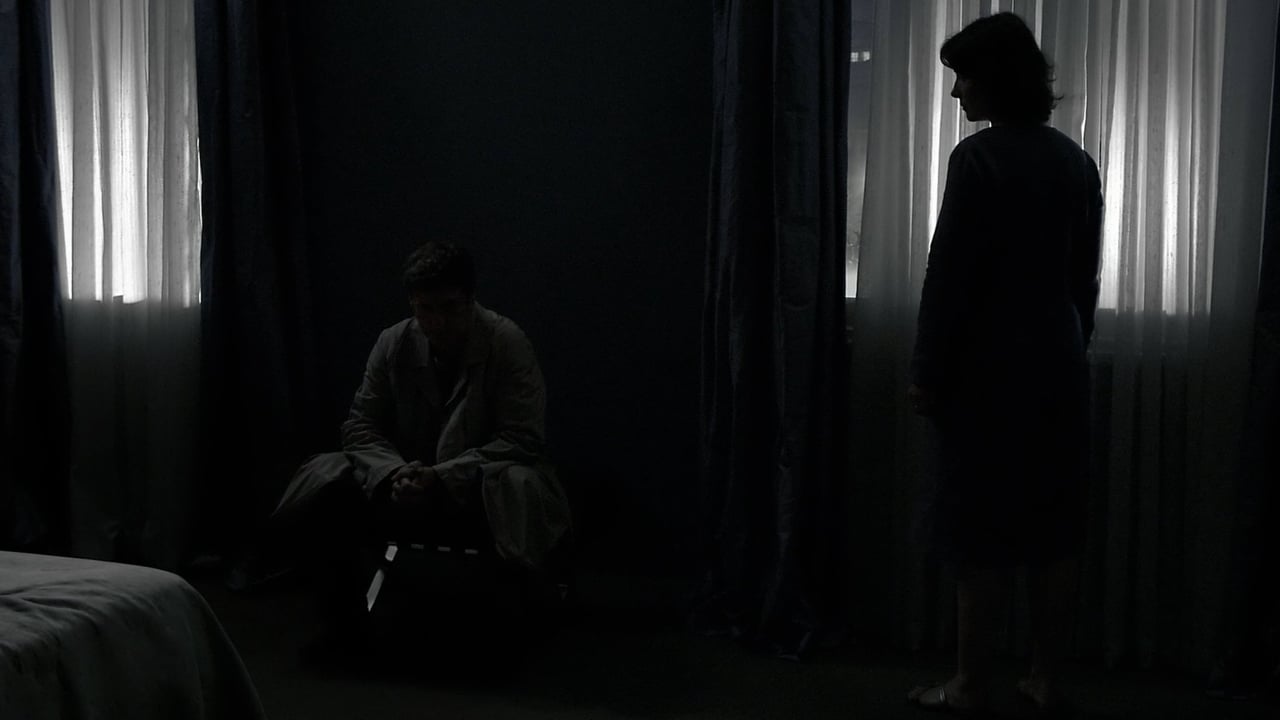
A successful Parisian intellectual (Daniel Auteuil) and his publisher wife (Juliette Binoche) begin to receive anonymous video tapes — long, static surveillance footage of the front of their house. Michael Haneke's French-language film is a thriller in form but a political work in substance, set in motion by the unresolved violence of the 1961 Paris massacre of Algerian protesters.
The film won Best Director at Cannes, the European Film Award for Best Film, and a long list of subsequent prizes. Haneke's refusal of conventional resolution has divided audiences for two decades; that disagreement is precisely the point. A film about what a society conceals from itself.
9. Saint Omer (2022)
Dir. Alice Diop · France · Drama / Crime
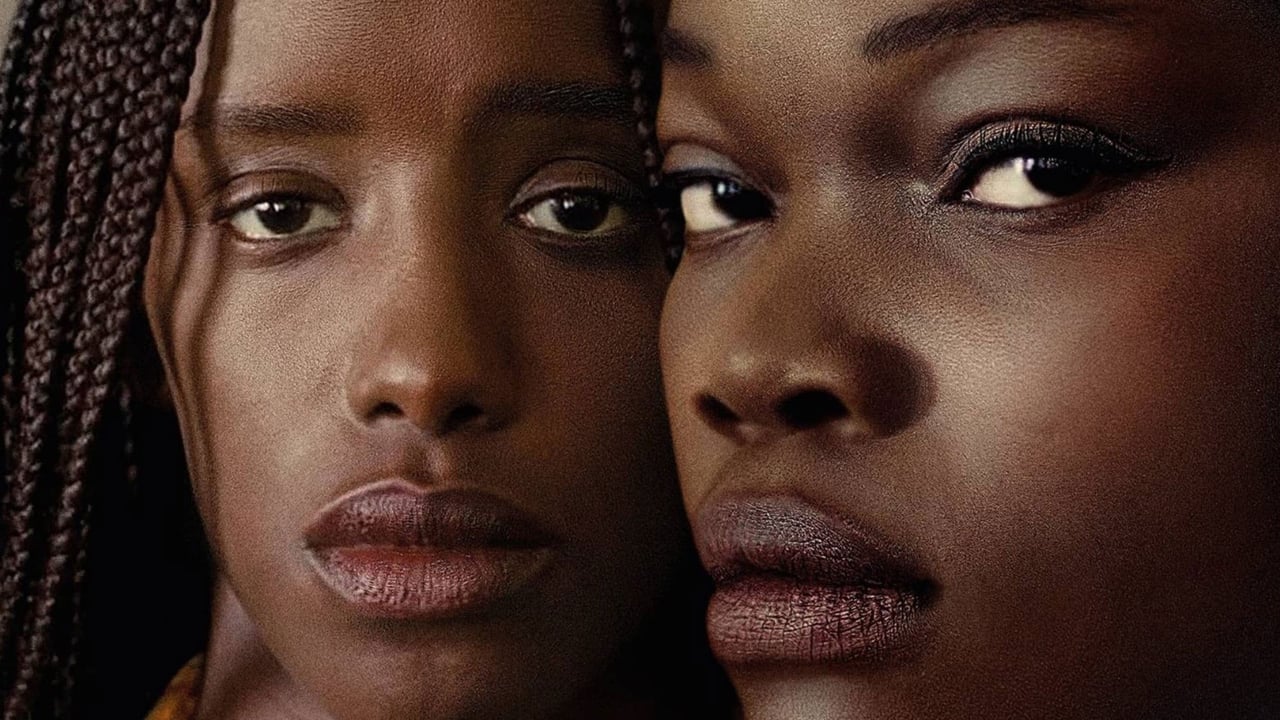
A novelist (Kayije Kagame) attends the trial of a Senegalese-French woman (Guslagie Malanda) charged with the death of her infant daughter on a beach in northern France. The film, drawn from the actual 2016 trial of Fabienne Kabou, unfolds almost entirely in the courtroom. Alice Diop, until then a documentarian, makes her fiction debut with extraordinary control.
The film won the Grand Jury Prize at Venice and France's submission for the Academy Awards. Malanda's performance, almost entirely composed of sustained close-ups across long passages of testimony, is a piece of screen acting of rare patience. A film about how women are listened to (or not) in institutional settings.
10. The Crimson Rivers (2000)
Dir. Mathieu Kassovitz · France · Crime / Thriller / Mystery
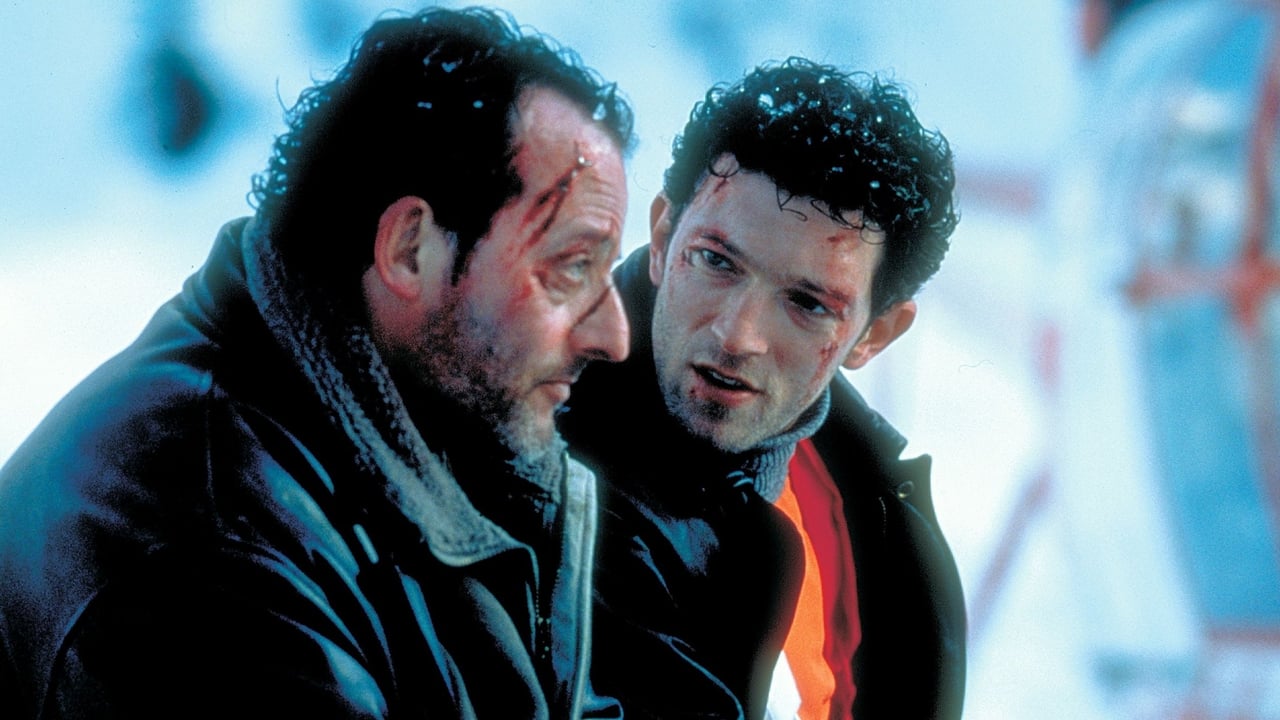
A body is found mutilated and chained to a cliff face above a remote French university town in the Alps. A Paris detective (Jean Reno) is sent to investigate; meanwhile, in another part of the country, a young provincial cop (Vincent Cassel) is following a parallel case of cemetery desecration. The two threads, inevitably, converge.
Mathieu Kassovitz's follow-up to La Haine was the highest-grossing French thriller of its year, and remains the most stylish big-budget French crime film of the early 2000s. Reno and Cassel, working together for the first time since La Haine, are the central pleasure. Adapted from the novel by Jean-Christophe Grangé, who went on to script several of the most successful French thrillers of the next two decades.
The French Crime Tradition
French crime cinema has always been more morally restless than its American counterpart. Where Hollywood noir tends to deliver a verdict on its protagonists, the French polar tends to suspend judgement, and to extend its observation past the moment of arrest into the courtroom, the prison, or the years of unresolved consequence. A Prophet, Saint Omer, Anatomy of a Fall, Caché — all are films interested in what comes after the crime, not just in solving it.
The other through-line is the seriousness with which the genre has been treated by major auteurs. Bresson, Melville, Clouzot, Chabrol, Audiard, Haneke, Triet — these are not directors working in genre as a slumming exercise. They are directors who have understood that crime cinema, properly handled, is one of the most efficient containers for serious questions about morality, society, and the limits of institutional justice.
Honourable Mention: Story of Women (1988)
Dir. Claude Chabrol · France · Crime / Drama
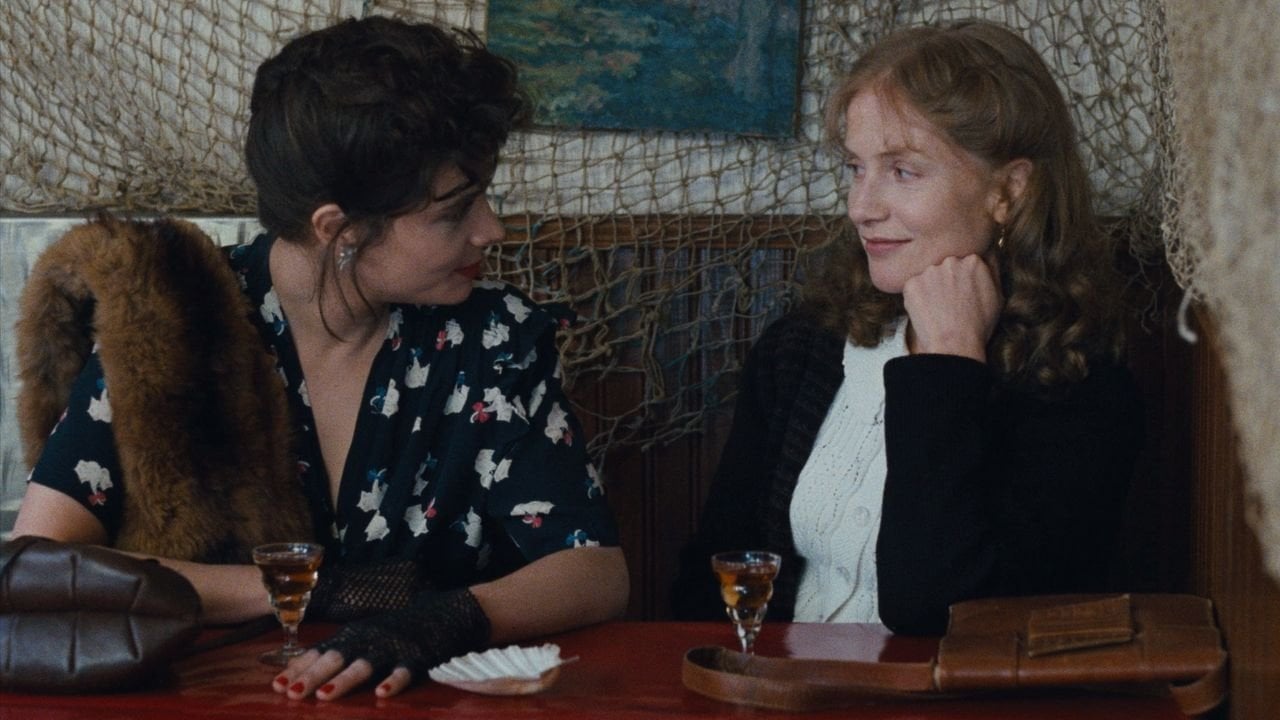
Isabelle Huppert won Best Actress at Venice for her performance as Marie, a working-class woman in occupied France during the Second World War, who turns to providing illegal abortions for the women of her town and finds herself caught up in the legal apparatus of the Vichy state. Claude Chabrol's most politically pointed film and one of the strongest entries in the long Chabrol-Huppert collaboration. Worth seeing alongside the other Chabrol films in our catalogue.
Where to Start
If you're new to French crime cinema, Léon and The Crimson Rivers are immediately accessible and showcase the popular face of the genre. For the foundational works, Le Samouraï and The Wages of Fear are the two films that made the French polar an internationally recognised tradition. For the most rewarding recent release, Anatomy of a Fall is the natural starting point.
If you enjoyed this list, explore our companion guides — our 10 Must-Watch French Films and our 10 Must-Watch European Crime Films. For the television side of the same tradition, see our 10 Must-Watch French Series.