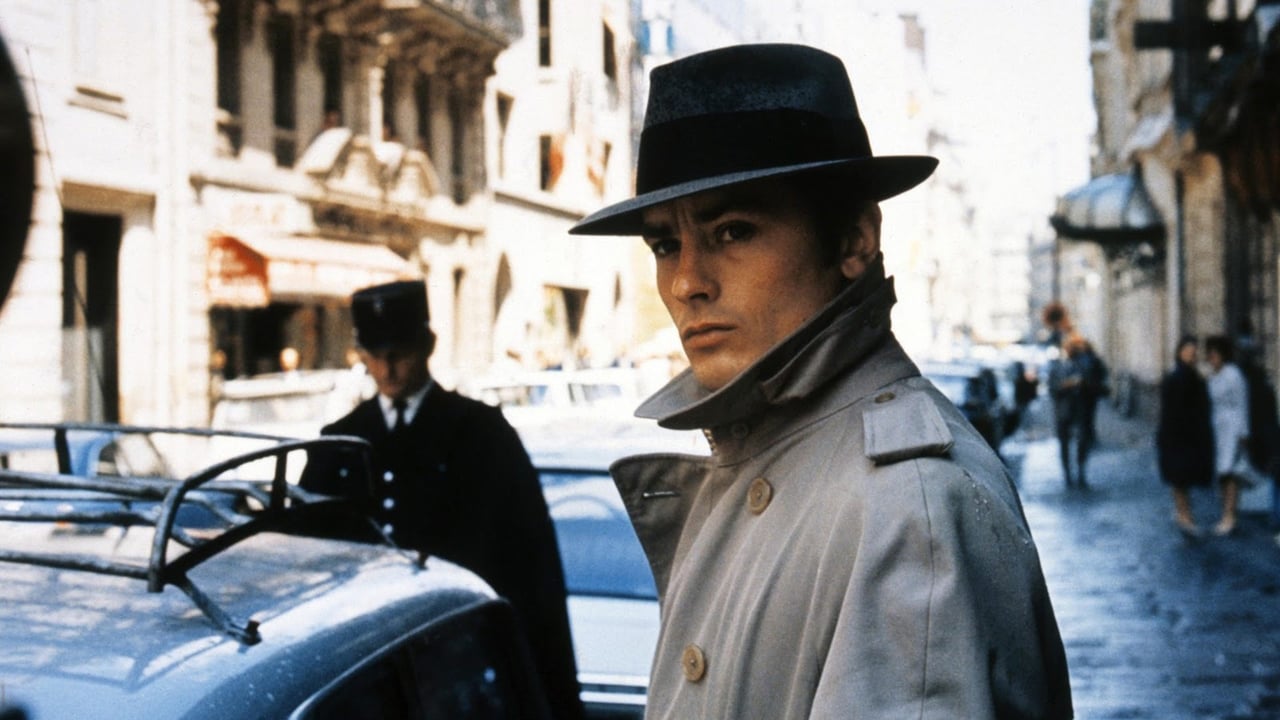
From Parisian manhunts and Neapolitan mob empires to Scandinavian noir and post-war espionage, European crime cinema at its darkest and most compelling.
European crime cinema has never played by Hollywood's rules. Where American gangster films often mythologise their antiheroes, European filmmakers tend to strip the genre down to its social, political, and psychological bones. The result is a tradition that stretches from Fritz Lang's pre-war Berlin to the banlieues of modern Paris: crime stories that are less interested in spectacle than in the systems, inequalities, and moral compromises that produce violence in the first place.
This list is not a ranking. It's a curated collection of ten essential films, spanning nearly a century and the full breadth of the continent, that together tell the story of what European crime cinema does differently and why it matters. Some are household names; others deserve to be. All of them will stay with you long after the credits roll.
1. M (1931)
Dir. Fritz Lang · Germany · Crime / Thriller
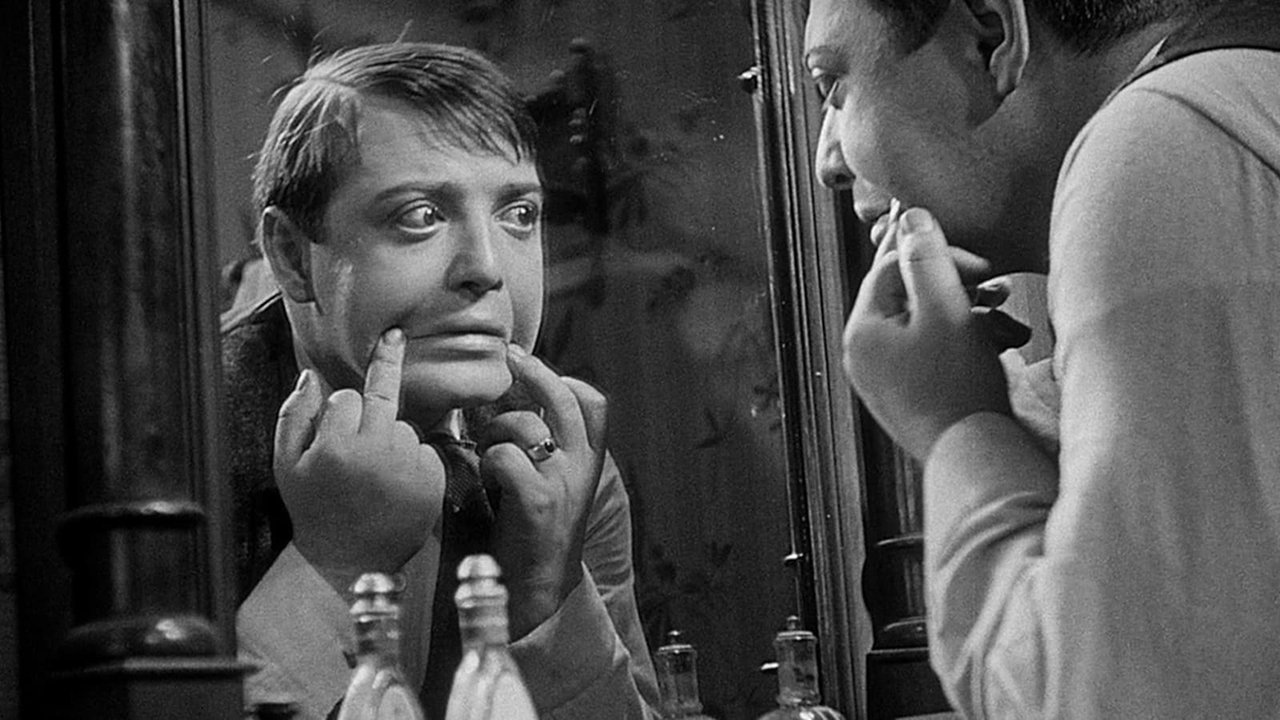
The film that invented the modern crime thriller. Fritz Lang's M follows the manhunt for a child murderer in Berlin, but the genius of the film is that the hunt is conducted not by police but by the city's criminal underworld, whose business is being disrupted by the increased scrutiny. Peter Lorre's portrayal of the killer, Hans Beckert, is one of cinema's most chilling performances: pathetic, terrifying, and heartbreakingly human all at once.
Nearly a century old, M remains astonishingly modern in its moral complexity. Lang refuses to let any institution (the police, the courts, the underworld) claim the moral high ground; he has set them all up against one another and will not let the viewer off the hook. Lorre's halting, whistled In the Hall of the Mountain King is one of the foundational uses of musical motif in sound cinema. If you think you know crime films and you haven't seen M, you have a blind spot the size of Weimar Berlin.
2. A Prophet (2009)
Dir. Jacques Audiard · France · Crime / Drama
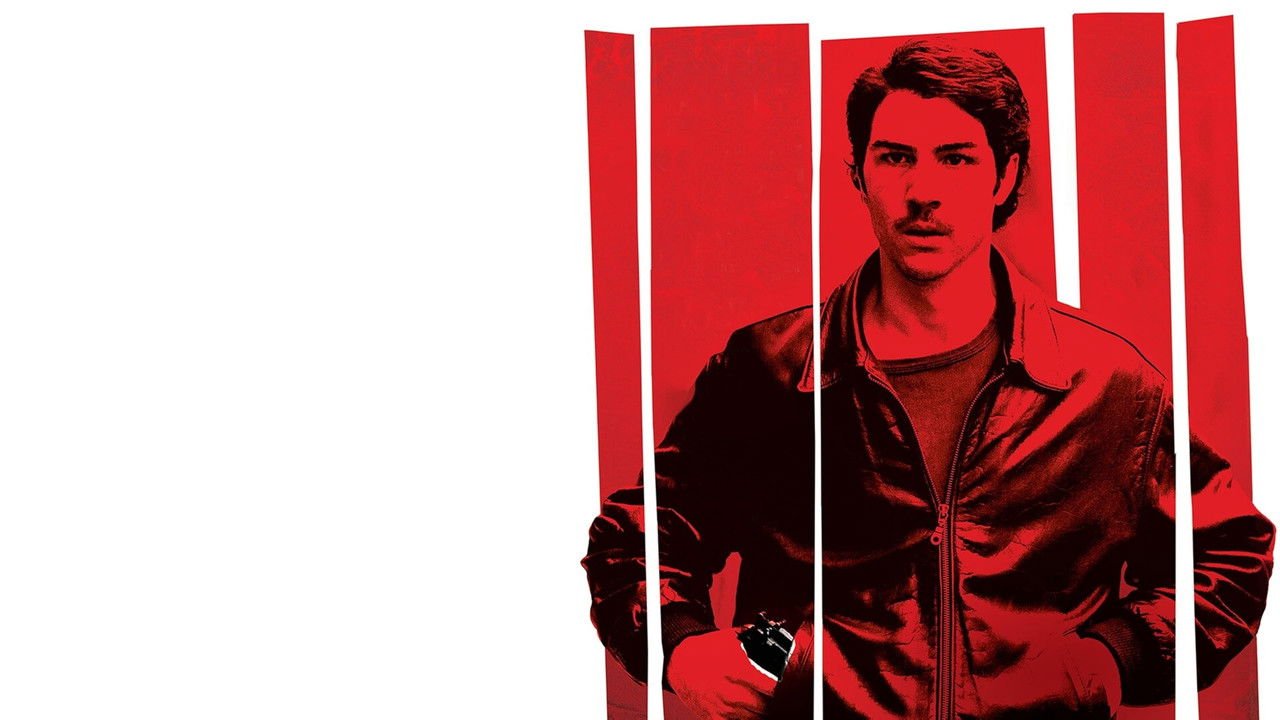
Jacques Audiard's prison epic follows Malik El Djebena, a young Franco-Arab man who enters prison illiterate and powerless and, over six years, becomes one of the most influential figures in France's criminal ecosystem. Tahar Rahim's performance (watchful, adaptive, devastating in its quiet intelligence) is one of the great screen debuts of the twenty-first century.
A Prophet works on multiple levels simultaneously: it's a gripping gangster film, a searing portrait of race and class in the French justice system, and a dark bildungsroman about a man who learns to navigate power in a world that was designed to crush him. It won the Grand Prix at Cannes and earned a Best Foreign Language Film nomination at the Oscars. Audiard has said the film was partly inspired by the absence of Arab faces in French cinema, a gap it fills with unforgettable force.
3. Gomorrah (2008)
Dir. Matteo Garrone · Italy · Crime / Drama
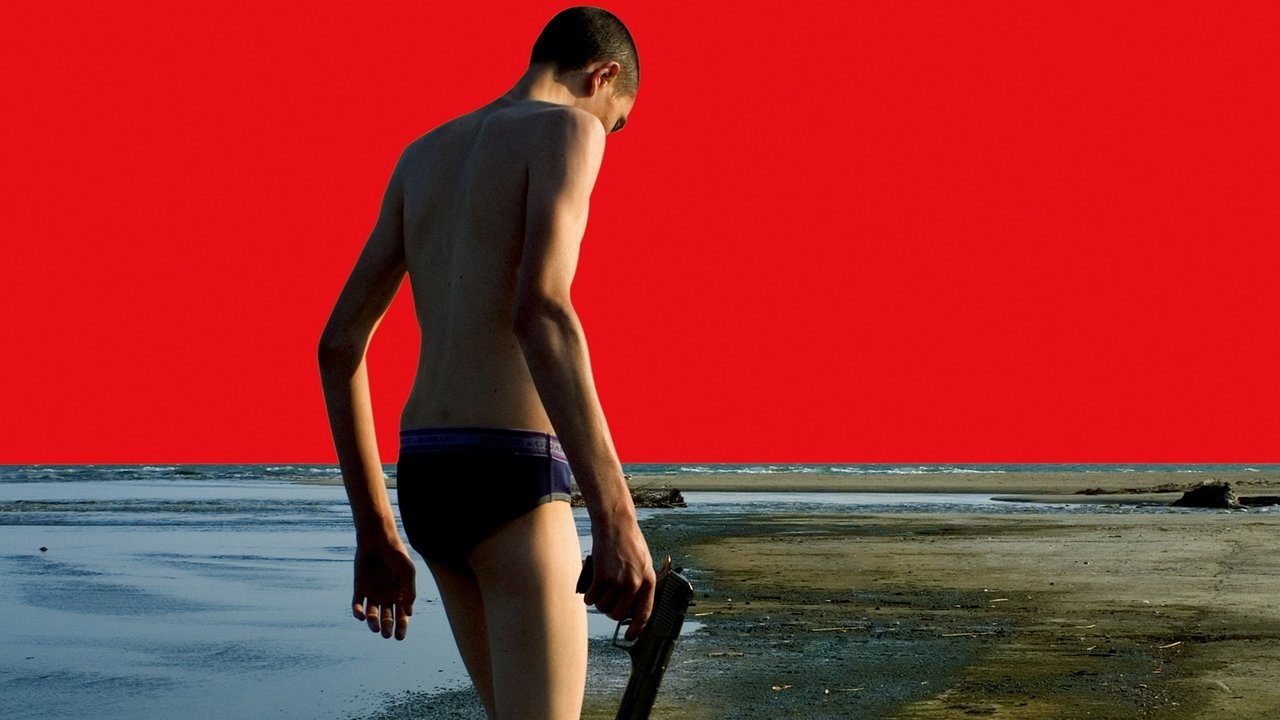
Based on Roberto Saviano's explosive non-fiction book, Matteo Garrone's Gomorrah presents the Camorra (Naples' sprawling criminal network) not as a cinematic spectacle but as a grinding, bureaucratic machinery of exploitation. There are no glamorous dons here, no operatic set pieces. Instead, we follow five interlocking stories of people caught in the system's gears: a tailor, a pair of reckless teenagers, a toxic waste dumper, a money courier, and a gangster's accountant.
The film's power lies in its refusal to romanticise. Garrone shoots the housing projects of Scampia with a documentarian's eye, and the violence, when it comes, is sudden, clumsy, and mundane. Gomorrah won the Grand Prix at Cannes and fundamentally changed the way Italian cinema depicted organised crime, moving away from the mythic and toward the systemic. It remains one of the most important European films of its decade.
4. The Secret in Their Eyes (2009)
Dir. Juan José Campanella · Argentina/Spain · Crime / Drama
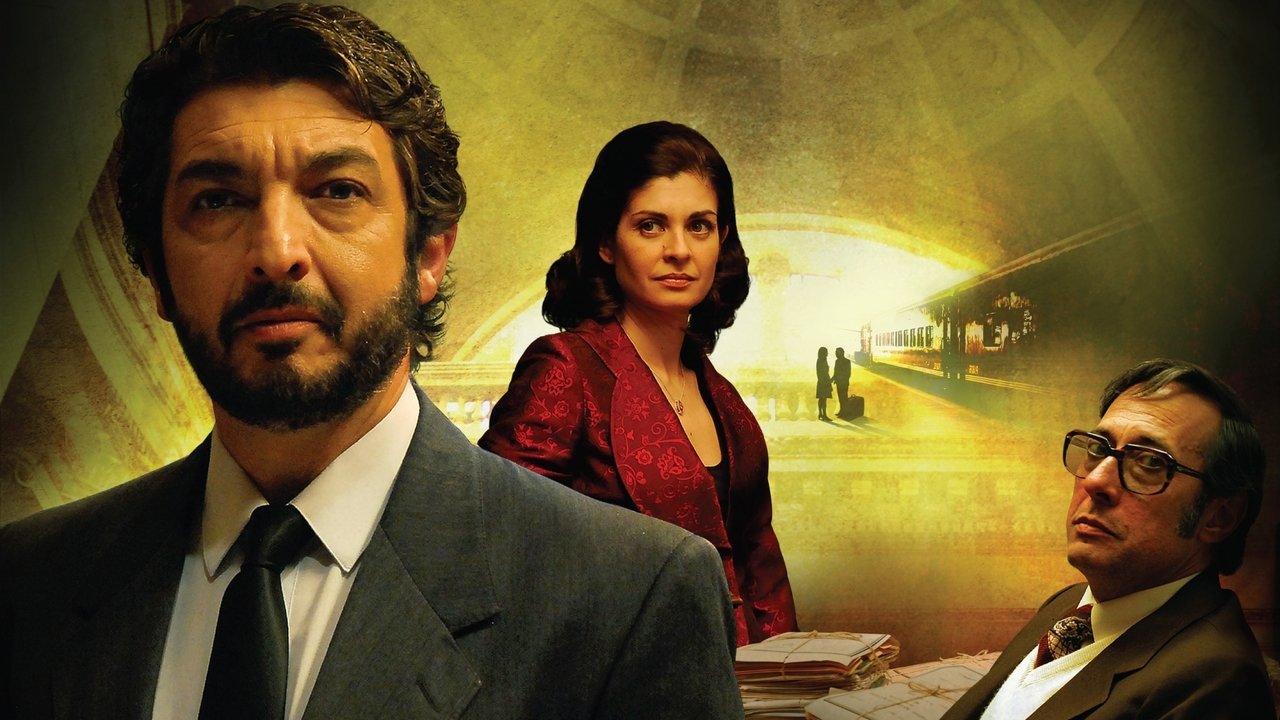
A retired legal counsellor in Buenos Aires attempts to write a novel about an unsolved murder case that has haunted him for twenty-five years, and about the woman he loved but never told. Campanella's film is simultaneously a crime procedural, a love story, and a meditation on memory and justice in a country scarred by political violence.
The Secret in Their Eyes won the Academy Award for Best International Feature Film, and its central mystery is brilliantly constructed. But the film's true achievement is the way it uses the crime plot as a vehicle for something larger: the question of whether it's ever possible to put the past to rest, or whether some wounds simply become the architecture of our lives. Ricardo Darín's performance anchors the whole thing with weary charm and moral seriousness.
5. The Lives of Others (2006)
Dir. Florian Henckel von Donnersmarck · Germany · Thriller / Drama
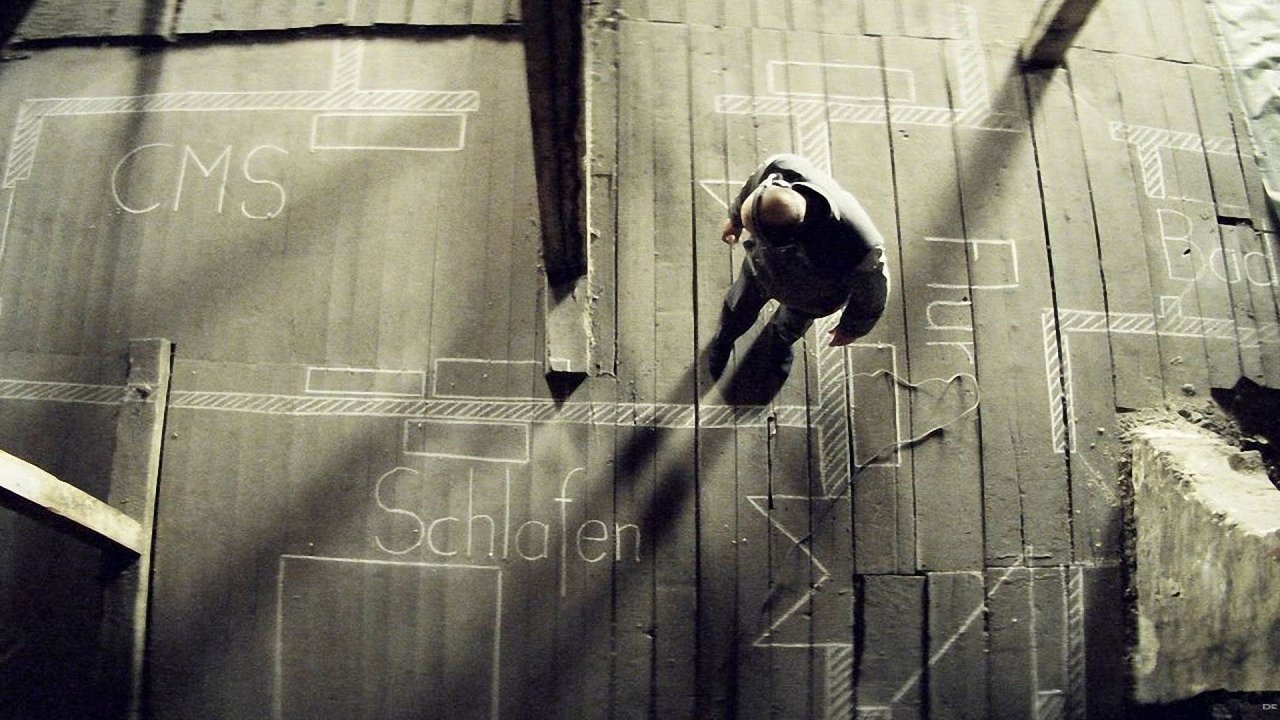
In 1984 East Berlin, a Stasi officer is assigned to surveil a playwright and his actress lover. What begins as a routine operation becomes something far more dangerous: the officer starts to empathise with his targets, and empathy, in a surveillance state, is the most subversive act of all.
Ulrich Mühe's performance as Captain Wiesler (controlled, haunted, gradually thawing) is one of the great screen portrayals of moral awakening. The film won the Oscar for Best Foreign Language Film and remains the definitive cinematic treatment of life under East German surveillance. What makes it a crime film, in the deepest sense, is its argument that the state itself was the criminal enterprise, and that resistance, even in its smallest forms, carried enormous personal cost.
6. La Haine (1995)
Dir. Mathieu Kassovitz · France · Crime / Drama
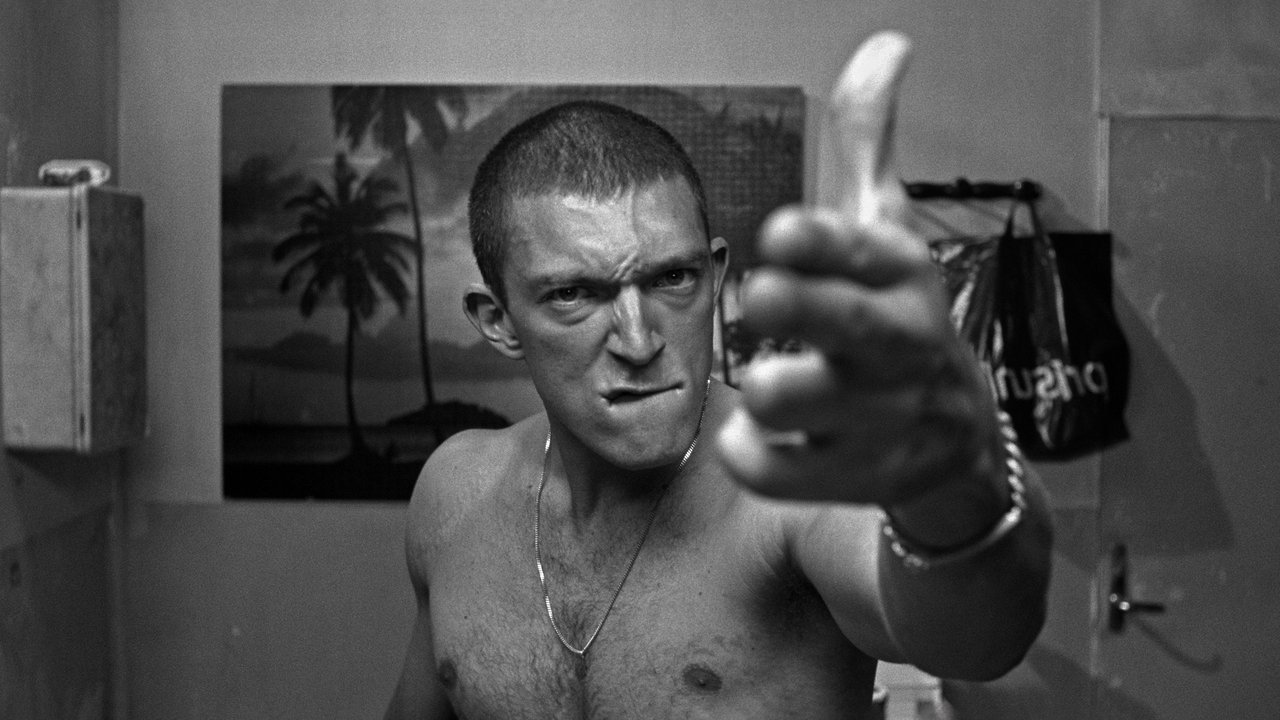
Twenty-four hours in the lives of three young men (Vinz, Saïd, and Hubert) on a housing estate outside Paris, in the aftermath of a police riot. One of them has found a police officer's gun. The question that runs through the film, as relentlessly as the ticking clock, is whether he'll use it.
Shot in high-contrast black and white, La Haine is less a crime film in the traditional sense than a film about the conditions that produce crime: poverty, racism, police brutality, and the slow erosion of hope. Kassovitz was 27 when he made it, and the film carries the urgency and anger of youth. Vincent Cassel's portrayal of Vinz remains iconic. The film's opening metaphor (a man falling from a building and muttering "so far so good") has become one of cinema's most quoted lines, and it cuts deeper with every passing year.
7. The Killing of a Sacred Deer (2017)
Dir. Yorgos Lanthimos · Ireland/UK · Thriller

Yorgos Lanthimos took the bones of a Greek tragedy (specifically the myth of Iphigenia) and rebuilt them inside the sterile corridors of a modern hospital. Colin Farrell plays a successful surgeon whose family begins to fall mysteriously ill after he fails to honour an unspoken debt to a teenage boy. The crime here isn't a whodunnit; it's a moral equation with no clean solution.
Lanthimos directs with surgical precision, his camera tracking through antiseptic hallways while the characters deliver lines in a flat, affectless register that makes the escalating horror all the more unbearable. Barry Keoghan's performance as the boy, Martin, is terrifyingly calm. European crime cinema at its most existential: what happens when guilt demands a payment that justice can't provide?
8. In Bruges (2008)
Dir. Martin McDonagh · UK/Belgium · Crime / Comedy
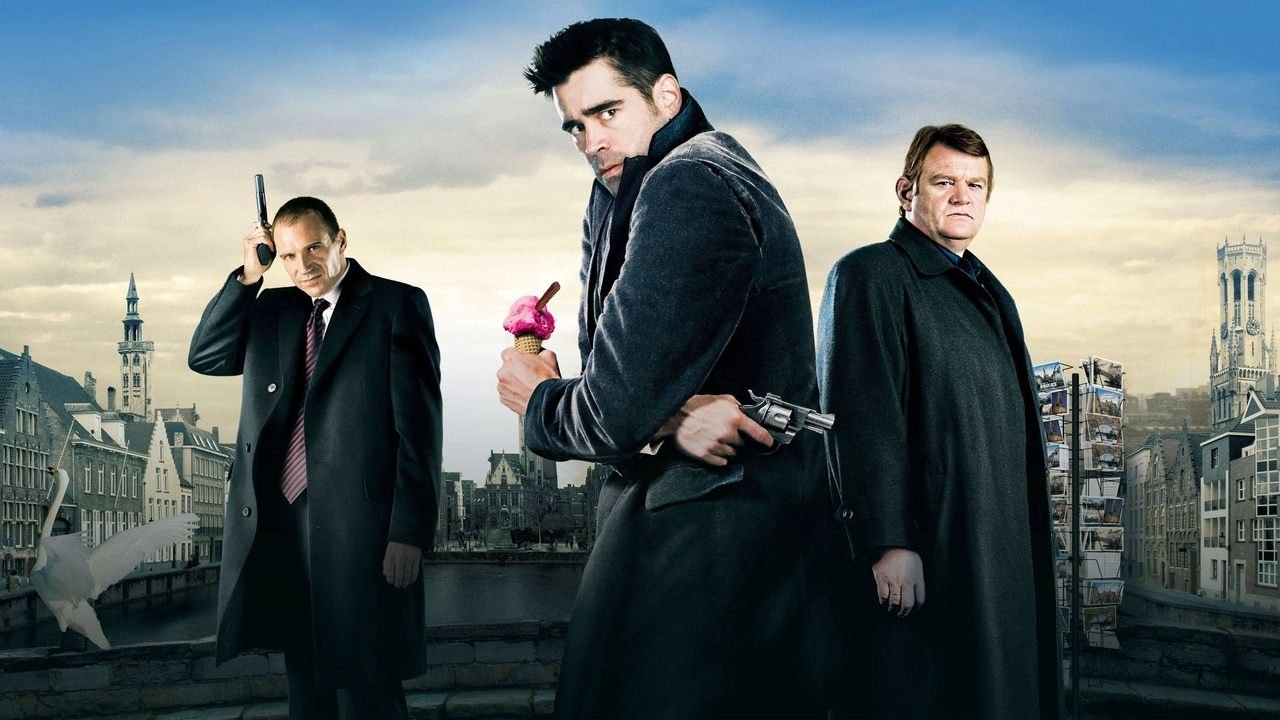
Two hitmen are sent to Bruges after a job gone catastrophically wrong. Ray hates Bruges. Ken loves it. Their boss, Harry, is furious with both of them. What follows is one of the finest crime comedies ever written, a film that is hilariously profane, unexpectedly tender, and quietly devastating in its meditation on guilt, redemption, and whether some things can ever be forgiven.
Martin McDonagh's screenplay is a masterclass in tonal control. Colin Farrell, Brendan Gleeson, and Ralph Fiennes form a triangle of flawed, funny, deeply human characters, each struggling with their own moral reckoning against the absurdly beautiful backdrop of medieval Bruges. The city itself becomes a character: a place so picturesque it feels like purgatory. Which, for these men, it very much is.
9. Headhunters (2011)
Dir. Morten Tyldum · Norway · Crime / Thriller
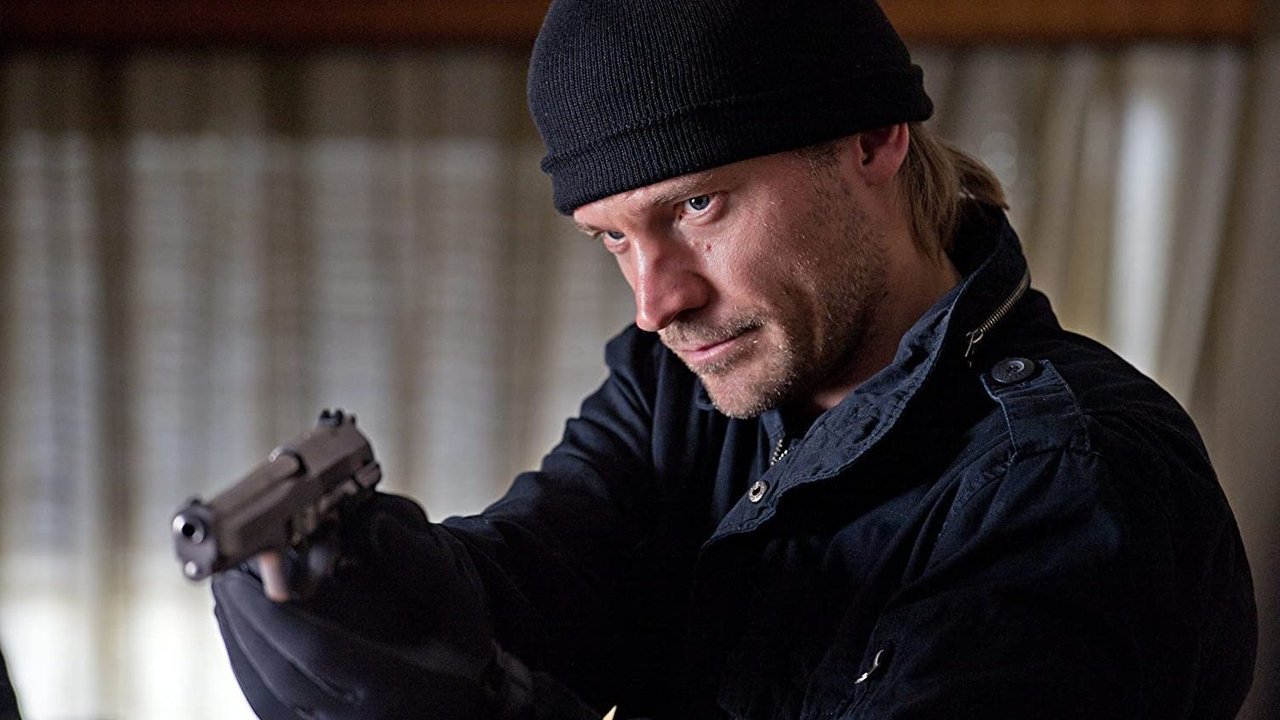
Roger Brown is Norway's most successful corporate headhunter. He's also an art thief who steals paintings from the executives he interviews to finance a lifestyle he can't otherwise afford. When he targets a former mercenary who owns a priceless Rubens, the heist goes sideways, violently, spectacularly, and with a body count that escalates far beyond anything Roger imagined.
Based on Jo Nesbø's novel, Headhunters is pure Scandinavian noir: slick, brutal, darkly funny, and propelled by a plot that twists with the precision of a Swiss watch. Aksel Hennie is superb as Roger, a man whose arrogance and insecurity make him both sympathetic and infuriating. Norway's highest-grossing film upon release and proof that Nordic crime cinema can be as wildly entertaining as it is psychologically sharp.
10. The Hunt (2012)
Dir. Thomas Vinterberg · Denmark · Drama / Thriller
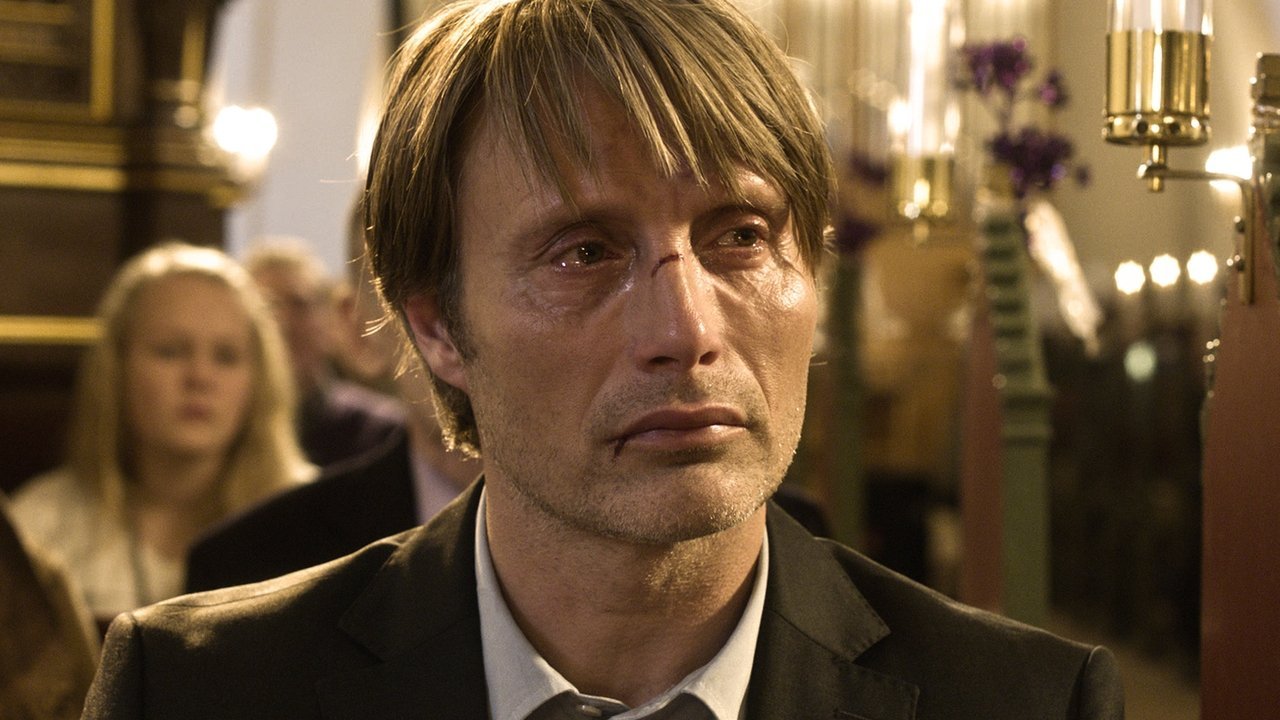
A kindergarten teacher in a small Danish community is falsely accused of sexually abusing a child. What follows is a forensic study of how suspicion becomes certainty, how a community turns on one of its own, and how innocence, once lost in the court of public opinion, is almost impossible to reclaim.
Mads Mikkelsen won Best Actor at Cannes for his devastating performance as Lucas, a gentle, well-liked man who watches his entire world collapse around a single lie. Vinterberg directs with an agonising restraint that makes every sideways glance, every whispered conversation, feel loaded with threat. The Hunt is a crime film in which the crime may not have happened, but the punishment is absolute. One of the most uncomfortable and essential films of the last twenty years.
Why European Crime Cinema Hits Different
What connects these ten films isn't geography or language. It's a shared refusal to let the audience off the hook. Hollywood crime films tend to resolve neatly: the case is solved, the villain is caught, order is restored. European crime cinema is far more interested in the mess that remains.
In M, the criminals are forced to look in the mirror they have set up for the killer. In A Prophet, every favour granted in prison is also a debt owed. In The Hunt, suspicion does its work long before any verdict can. These films understand that crime is not just an event but a condition, rooted in social structures, political failures, and the darkest corners of human psychology.
If you've been exploring European cinema through its festival dramas and arthouse offerings, the crime genre is where you'll find the continent at its most visceral, its most politically engaged, and (perhaps surprisingly) its most entertaining. Start anywhere on this list. You won't regret it.
If European crime on the big screen is your entry point, the television side is equally rewarding, explore our guide to the 10 Must-Watch European Crime Series. And for the prestige drama register that has produced some of the continent's sharpest crime storytelling, our 10 Must-Watch French Series is the natural next stop.
For more in this vein, see also our 10 Must-Watch French Crime Films and our 10 Must-Watch German Crime Series.
Where crime shades into pure tension — conspiracies, prison riots and institutional paranoia — see our 20 Must-Watch European Thrillers.