
Film
Alice in the Cities
Alice in den Städten
Philip, a German journalist on a stalled book commission, drifts through American motels collecting Polaroids in lieu of writing the article he owes. On a flight back to Europe he finds himself accidentally responsible for nine-year-old Alice, whose mother has vanished. Together they wander through northern Germany trying to find her grandmother from a half-remembered photograph. The first chapter of Wenders' Road Movie trilogy and one of his quietest, most loved films.
About
Wim Wenders's Alice in the Cities (Alice in den Städten) opened in 1974 and won the German Film Critics Award for Best Direction, becoming the first chapter of what is now known as Wenders's Road Movie trilogy, followed by Wrong Move (1975) and Kings of the Road (1976). The film established the New German Cinema preoccupation with American cultural influence on post-war European life that Wenders, Fassbinder and Herzog would each work in their own register.
Philip Winter (Rüdiger Vogler, Wenders's frequent collaborator), a German journalist on a stalled American magazine commission, drifts through East Coast motels taking Polaroids instead of writing the article he owes. At a New York airport he becomes accidentally responsible for nine-year-old Alice (Yella Rottländer, in a remarkable child performance), whose mother has decided to fly to Amsterdam without her. The two return to Europe together, and the second half of the film is Philip's increasingly committed search for Alice's grandmother across the Ruhr industrial cities, Wuppertal, Essen, Gelsenkirchen.
Robby Müller's monochrome photography of motel parking lots, autoroute service stations, and the Wuppertal monorail produced one of the foundational European visual registers of the 1970s, directly influential on Jim Jarmusch, Aki Kaurismäki, and the slow-cinema tradition more broadly. The film's tender, watchful patience with both adult drift and childhood seriousness is among the qualities that make it Wenders's most quietly important early work.
Where to Watch
Not currently available in your country.
Available in: , , , , , , , , , , , , ,





























Streaming availability via JustWatch. Last checked 2026-09-27.
Top Cast
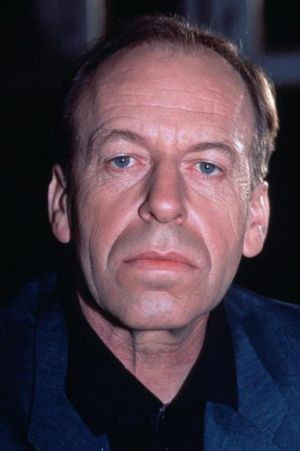
Rüdiger Vogler
Philip Winter

Yella Rottländer
Alice van Damm
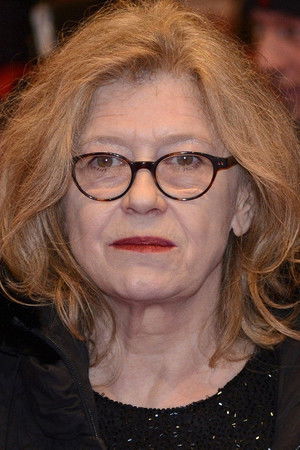
Lisa Kreuzer
Lisa van Damm
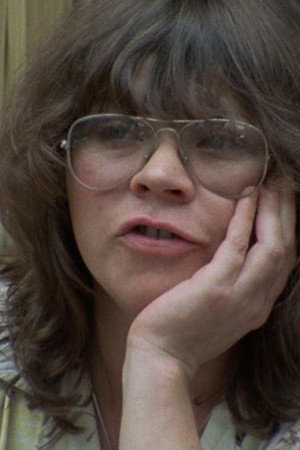
Edda Köchl
Angela
Ernest Boehm
Publisher
Awards, Festivals & Mentions
-

Winner — German Film Critics Award Best Direction


