
Film
A Fistful of Dollars
Per un pugno di dollari
A nameless drifter in a poncho rides into a small Mexican border town held in deadlock by two warring families and proceeds to play one against the other for his own profit. Sergio Leone's loose, operatic remake of Kurosawa's Yojimbo invents the Spaghetti Western and turns Clint Eastwood into a star. Ennio Morricone's score, all wordless yells and twanging guitars, is half the genre on its own.
About
Sergio Leone's A Fistful of Dollars opened in Italy in 1964 (produced on a tight budget at Cinecittà and on Spanish Almería locations) and effectively founded the Spaghetti Western genre. The film was an unauthorised remake of Akira Kurosawa's Yojimbo (1961), which Leone had not credited; Kurosawa successfully sued for international distribution rights, eventually receiving 15% of worldwide grosses and an out-of-court settlement. The film and its two sequels would establish Clint Eastwood as one of the most internationally recognised faces in cinema.
A nameless drifter in a poncho (Eastwood, in his first major film role after years of television Westerns) rides into a small Mexican border town held in deadlock by two warring families, the Rojos and the Baxters. Across the next ninety minutes he plays one against the other for his own profit, manipulates the contraband-trading economy, and eventually forces a confrontation. Gian Maria Volonté plays the volatile Ramón Rojo. Massimo Dallamano's photography established the visual register (close-ups of squinting eyes, wide negative-space landscapes) that would define the genre.
Ennio Morricone's score, composed before shooting and played on set, included whistled motifs, electric guitar and percussive sound effects unlike any earlier Western soundtrack. Leone followed with For a Few Dollars More (1965) and The Good, the Bad and the Ugly (1966); the trilogy made Eastwood a star, established Leone as one of the major stylists of the 1960s, and rewrote the genre's conventions.
Where to Watch
Not currently available in your country.
Available in: , , , , , , , , , , , , ,



































Streaming availability via JustWatch. Last checked 2026-09-27.
Top Cast
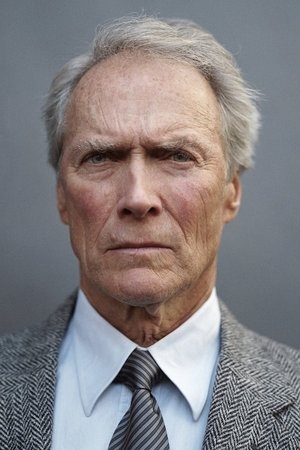
Clint Eastwood
Joe

Marianne Koch
Marisol
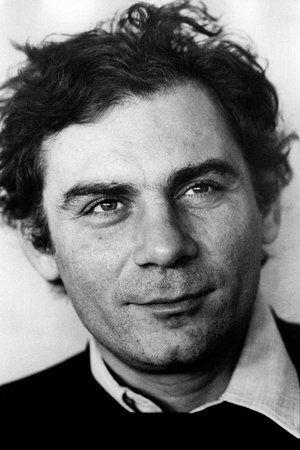
Gian Maria Volonté
Ramón Rojo
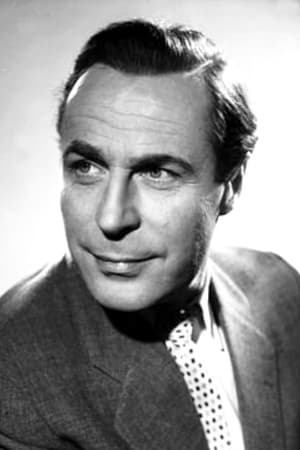
Wolfgang Lukschy
John Baxter
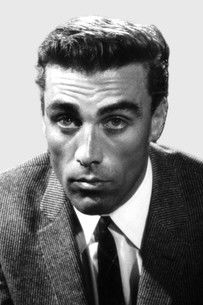
Sieghardt Rupp
Esteban Rojo


