
Film
Christiane F.
Christiane F. – Wir Kinder vom Bahnhof Zoo
Thirteen-year-old Christiane moves to a housing estate in West Berlin and falls in with the heroin scene around Bahnhof Zoo. What begins as teenage rebellion (nightclubs, David Bowie concerts, first love) slides with sickening inevitability into addiction, prostitution, and a daily fight for survival. Based on the real Christiane Felscherinow's testimony, Uli Edel's film is one of the most unflinching portraits of drug dependency ever made, and a time capsule of a divided Berlin at its most desolate.
About
Uli Edel's Christiane F., Wir Kinder vom Bahnhof Zoo opened in 1981 and became one of the most internationally consequential pieces of West German youth-cinema of its decade. Adapted from the 1979 oral-history book Wir Kinder vom Bahnhof Zoo, edited by Stern journalists Kai Hermann and Horst Rieck from interviews with the actual Christiane Felscherinow, the film consolidated public attention on the heroin epidemic among West Berlin teenagers around the Bahnhof Zoo station.
Thirteen-year-old Christiane (Natja Brunckhorst, in a debut performance that was later cited as one of the most physically committed by a child actor in German cinema) moves with her mother to the Gropiusstadt social-housing estate in West Berlin in the late 1970s. She is drawn into a slowly hardening youth-culture circle around the Sound nightclub and the Bahnhof Zoo concourse. The opening sequences include real West Berlin youth subcultures of the period, and David Bowie appears in concert in his actual 1976 Tour Earl's Court performance, a sequence Bowie agreed to release for the film.
The film's shooting on actual West Berlin streets (Bahnhof Zoo, the Tiergarten lake, the Gropiusstadt blocks) produced one of the most distinctive period-realist registers in early-1980s European cinema. Brunckhorst, fifteen at the time of release, never returned to acting at the same level; the actual Christiane Felscherinow remained a continuing public figure across the next four decades. The film became required viewing in West German schools as part of the public-health response to the period.
Where to Watch
Not currently available in your country.
Available in: , , , , , , , , , ,




















Streaming availability via JustWatch. Last checked 2026-10-11.
Top Cast

Natja Brunckhorst
Christiane
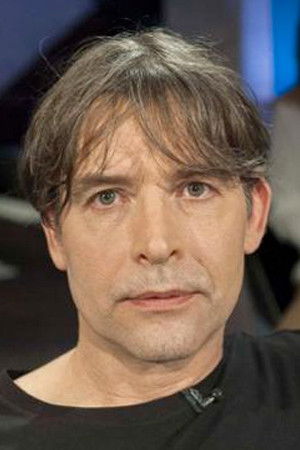
Thomas Haustein
Detlev

Jens Kuphal
Axel
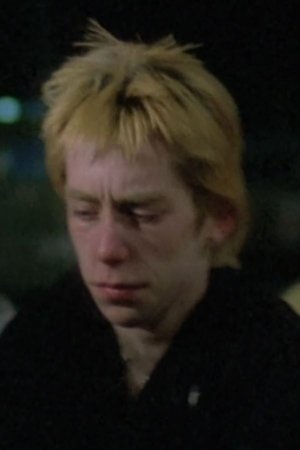
Rainer Woelk
Leiche (as Rainer Wölk)
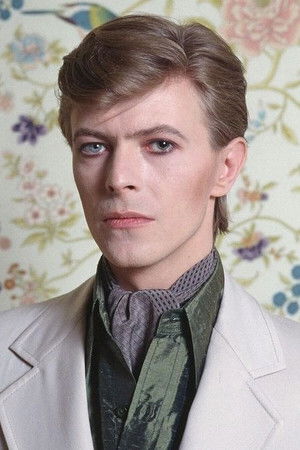
David Bowie
David Bowie
Awards, Festivals & Mentions
-

Winner — German Film Award — Best Actress (Natja Brunckhorst, 1982)


