
Film★ Editor's Pick
Come and See
Иди и смотри
1943 occupied Belarus: a young teenage boy named Flyora joins the partisans, then watches the Nazi reprisals burn his country to the ground; Elem Klimov's film, made for the 40th anniversary of the end of the war, is one of the most viscerally hard films ever shot, and one of the great anti-war films of any cinema.
About
Elem Klimov made Come and See in 1985, after eight years of Soviet censors blocking the script. The film was eventually approved as part of the official 40th-anniversary commemoration of Victory Day, and went on to win the Golden Prize at the Moscow International Film Festival the same year. It is one of the few films from late-Soviet cinema to be permanently embedded in the Sight & Sound poll's upper tier, at number 21 in the 2022 critics' chart.
1943, occupied Belarus. Flyora, a thirteen-year-old village boy played by the non-professional Aleksei Kravchenko, joins the local partisan resistance and is plunged into the Nazi Einsatzgruppen reprisals against his homeland, part of the wider campaign in which the Wehrmacht and SS would destroy 628 Belarusian villages along with their inhabitants. Klimov used live ammunition in several scenes, and Kravchenko's visible ageing across the 142-minute runtime is partly a function of the genuine psychological toll of the shoot. Klimov had begun work on the project shortly after the death of his wife, the director Larisa Shepitko, in a 1979 car accident; Come and See stands in part as a memorial to her unfinished filmmaking life.
The film's title is taken from the Book of Revelation. Its formal innovations (Steadicam-tracking work that was almost entirely new to Soviet productions of the period, the inarticulate moans on the soundtrack, the broken-fourth-wall stares directly into camera) have influenced everyone from Terrence Malick to Klimov's Russian and Ukrainian descendants. After completing this film, Klimov made no other features. He felt he had exhausted what cinema could do.
Why it's an Editor's Pick: The most uncompromising film ever made about the Eastern Front, and one of the few works that genuinely earns the cliché of unwatchable greatness. A film whose existence is itself an argument for the medium.
Where to Watch
Not currently available in your country.
Available in: , , , ,









Streaming availability via JustWatch. Last checked 2026-09-27.
Top Cast
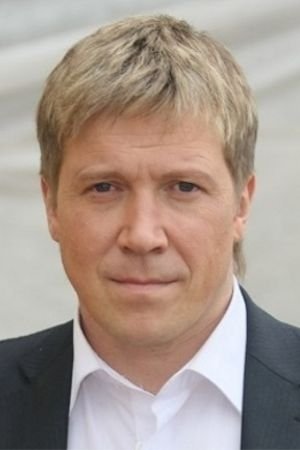
Aleksei Kravchenko
Flyora Gayshun
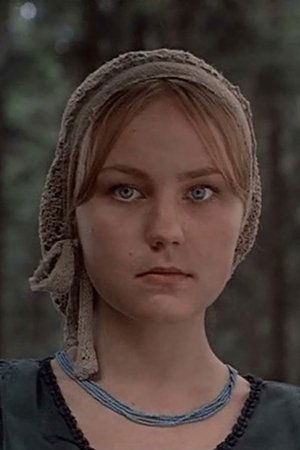
Olga Mironova
Glasha
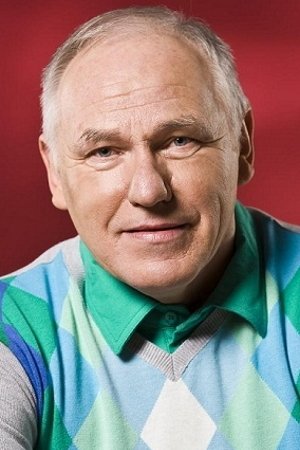
Liubomiras Laucevičius
Kosach
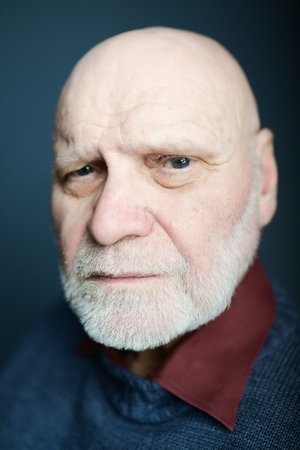
Vladas Bagdonas
Rubezh
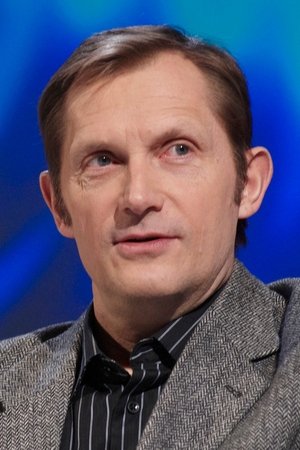
Jüri Lumiste
Obersturmführer
Awards, Festivals & Mentions
-
Winner — Golden Prize — Moscow International Film Festival
-

Winner — FIPRESCI Prize — Moscow
-
Sight & Sound 250 Greatest Films


Salò, or the 120 Days of Sodom

Jeanne Dielman, 23 quai du Commerce, 1080 Bruxelles

The Travelling Players

Nostalghia

Sátántangó

À nos amours

Brazil

Dr. Strangelove or: How I Learned to Stop Worrying and Love the Bomb

The Seventh Continent

The Beekeeper

The Zone of Interest

The Sacrifice
In these collections
Featured In
- 10 Must-Watch European War Films 9 June 2026