
Film
The Ascent
Восхождение
Occupied Belarus, 1942. Two Soviet partisans cross a snowbound landscape in search of food and are captured by collaborators. Larisa Shepitko turns the Second World War into something close to a Russian Orthodox passion play, with Boris Plotnikov as a transcendent Christ figure.
About
Larisa Shepitko's The Ascent won the Golden Bear and the FIPRESCI Prize at the 1977 Berlin International Film Festival, the first Soviet film to take the Berlinale's top prize. Shepitko was thirty-eight and at the height of her career. Two years later, on 2 July 1979, she was killed in a car accident while scouting locations in Karelia for her next feature, and her husband, Elem Klimov, completed her unfinished work as Larisa (1980) and Farewell (1983).
The source is Vasil Bykaŭ's 1970 novella Sotnikov, a founding text of Belarusian Soviet literature about partisan warfare and collaboration. Yuri Klepikov is credited with the screenplay. Vladimir Chukhnov shot it in extreme cold on real winter locations in the Murmansk region, in a deliberately stark, high-contrast black and white. The score is by Alfred Schnittke, who would also score Klimov's Come and See eight years later.
Sight & Sound returned The Ascent to its Greatest Films of All Time list in 2022 at #181, with the much more famous Come and See directly above it. The two are now often seen as a pair, twin films about the Eastern Front in Belarus, and Klimov made his partly as a tribute to what Shepitko had achieved with the same material. She had been one of the most distinguished students of Aleksandr Dovzhenko at VGIK in Moscow.
Where to Watch
Not currently available in your country.
Available in: , , , , , ,















Streaming availability via JustWatch. Last checked 2026-11-08.
Top Cast
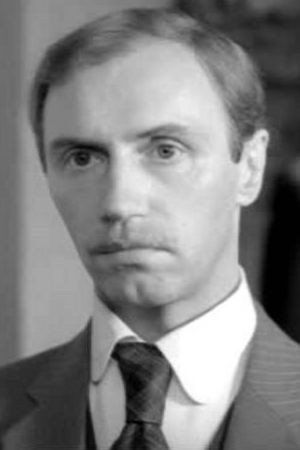
Boris Plotnikov
Sotnikov
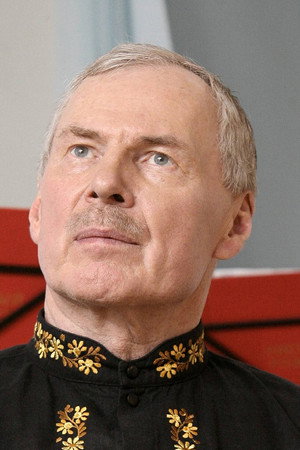
Vladimir Gostyukhin
Rybak
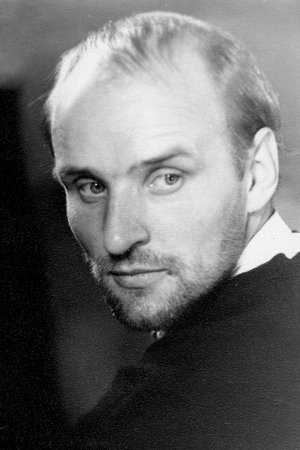
Anatoliy Solonitsyn
Portnov, collaborationist interrogator
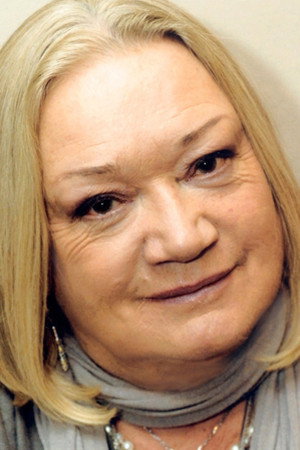
Lyudmila Polyakova
Avginya Demchikha, the mother

Viktoriya Goldentul
Basya Meyer, the girl
Awards, Festivals & Mentions
-

Winner × 3 — Berlin prizes: Golden Bear, FIPRESCI Prize, Golden Bear
-

Sight & Sound 250 Greatest Films


