
Film
Dr. Strangelove or: How I Learned to Stop Worrying and Love the Bomb
An unhinged US Air Force general orders an unauthorised nuclear strike on the Soviet Union; an RAF officer at his side and the President's war room scramble to recall the bombers before mutual assured destruction is triggered. Stanley Kubrick's pitch-black satire of Cold War paranoia, military groupthink and the absurdity of nuclear strategy.
About
Stanley Kubrick's Dr. Strangelove arrived in cinemas in January 1964, three months after the Cuban Missile Crisis had brought the world closer to nuclear exchange than any previous moment of the Cold War. Kubrick had begun the project as a serious adaptation of Peter George's 1958 novel Red Alert, but rewrote it with George and the satirist Terry Southern as a black comedy when he realised, in his own account, that he could not write the dialogue without it becoming inadvertently funny. The film was a UK production financed by Columbia Pictures and shot at Shepperton Studios outside London.
Peter Sellers plays three of the film's central roles (RAF Group Captain Lionel Mandrake, US President Merkin Muffley, and the wheelchair-bound former-Nazi nuclear strategist Dr. Strangelove) having signed on after Sellers' other studio commitments collapsed. George C. Scott as General Buck Turgidson, Sterling Hayden as the deranged Brigadier General Jack Ripper, Slim Pickens as Major Kong, and James Earl Jones in his screen debut round out the principal cast. Cinematography is by Gilbert Taylor; the war room is one of the most-cited single sets in cinema history, designed by Ken Adam.
The film earned four Academy Award nominations (Best Picture, Best Director, Best Actor (Sellers) and Best Adapted Screenplay) and won the BAFTA for Best Film. Sight & Sound has placed it on its Greatest Films of All Time poll across multiple decades. The original ending (a custard-pie fight in the war room) was filmed but cut after the John F. Kennedy assassination in November 1963, and is considered lost; Kubrick decided the closing montage of nuclear explosions set to Vera Lynn's We'll Meet Again better matched the film's tone.
Where to Watch
Not currently available in your country.
Available in: , , , , , , , , , , , , , , , ,



























Streaming availability via JustWatch. Last checked 2026-09-27.
Top Cast
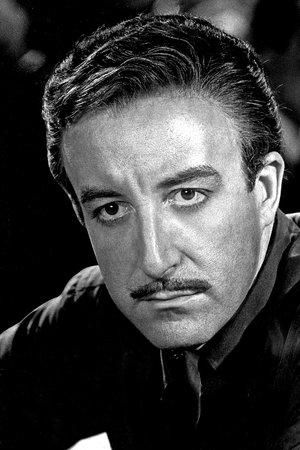
Peter Sellers
Group Capt. Lionel Mandrake / President Merkin Muffley / Dr. Strangelove
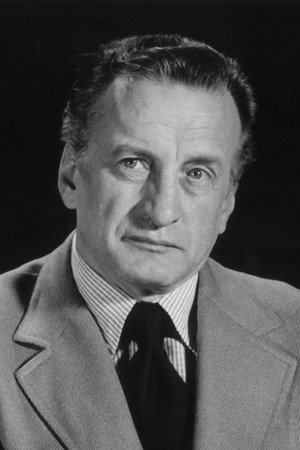
George C. Scott
General 'Buck' Turgidson
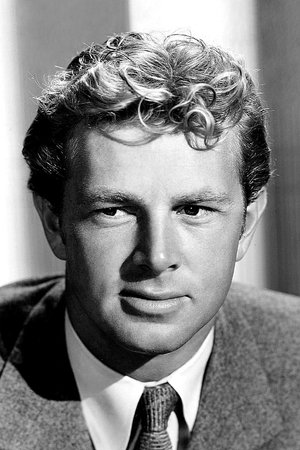
Sterling Hayden
Brigadier General Jack D. Ripper
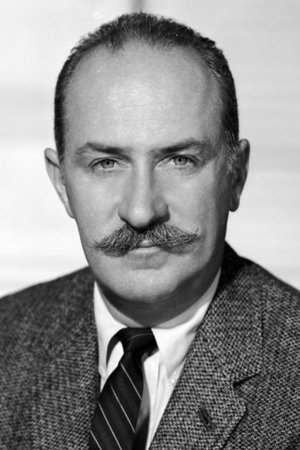
Keenan Wynn
Colonel Bat Guano
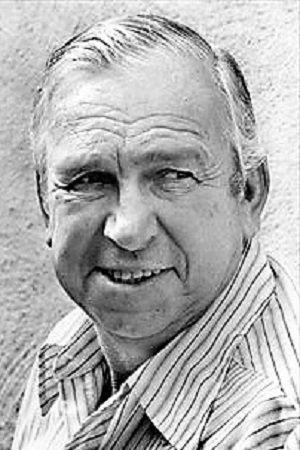
Slim Pickens
Major "King" Kong
Awards, Festivals & Mentions
-
Winner × 2 — BAFTAs: Best British Film, Best Film
-

Winner — Bodil Award Best Non-American Film
-

Nominee × 4 — Oscars: Best Actor, Best Director, Best Picture, Best Adapted Screenplay
-
Nominee — BAFTA Best British Screenplay


