
Film
Funny Games
A middle-class Austrian family arrives at their lakeside holiday house and within hours are taken hostage by two polite, white-gloved young men who propose a sequence of cruel "games." Haneke delivers a relentless, deliberately punishing meditation on screen violence, audience complicity and the politics of bourgeois passivity. It is the film he was so committed to that he made it twice — first here in German, then a decade later as a shot-for-shot English-language remake.
About
Michael Haneke's Funny Games opened in competition at Cannes 1997 and was widely received as one of the most controversial European films of its decade — a confrontation Haneke had explicitly designed and had spoken about beforehand. The film consolidated Haneke as the most uncompromising European auteur of the late 1990s; he would go on to The Piano Teacher, Caché, The White Ribbon, and Amour across the next two decades. Haneke remade the film, almost shot-for-shot, in English in 2007 with Naomi Watts and Tim Roth.
An Austrian middle-class family — Anna (Susanne Lothar), Georg (Ulrich Mühe), and their young son Schorschi — arrive at their lakeside holiday house. Within hours they are taken hostage by two polite, white-gloved young men, Paul (Arno Frisch) and Peter (Frank Giering), who propose a sequence of what they describe as games. The film's central provocation is its sustained address to the audience — Paul, breaking the fourth wall and looking directly into camera, repeatedly negotiating with the viewer about the entertainment they are receiving.
Haneke's commitment to interrogating the conventions of home-invasion-thriller filmmaking — its inherited assumptions about violence, complicity and the viewer's pleasure — produced a film that has been continuously debated since release. The film operates as both straight horror-thriller and sustained critique of the audience's appetite for the genre. The closing minutes, with their direct provocation of the viewer's assumptions about narrative justice, are among the most-discussed sequences of 1990s European cinema.
Top Cast
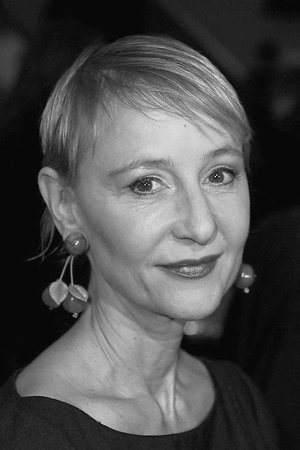
Susanne Lothar
Anna
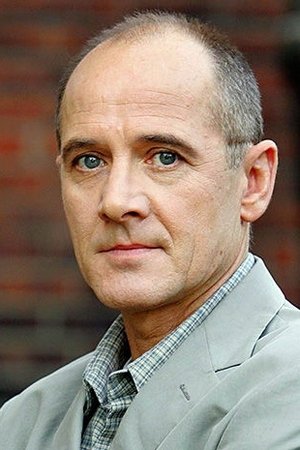
Ulrich Mühe
Georg
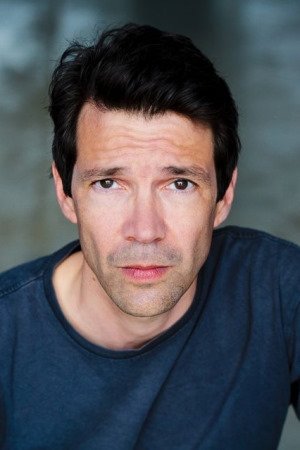
Arno Frisch
Paul
Frank Giering
Peter
Stefan Clapczynski
Georgie
Awards, Festivals & Mentions
-

Cannes In Competition
-
Selected by Cahiers du Cinéma as one of the best films of


