
Film
Revanche
Alex, a working-class ex-con scraping by as a handyman in a Vienna brothel, plans a small-time bank robbery to free himself and his Ukrainian girlfriend Tamara from the life she has been pushed into. When the robbery goes catastrophically wrong, he retreats to his grandfather's remote farm in the Austrian countryside, only to discover that his nearest neighbour is the rural policeman whose actions destroyed his life. What follows is a methodical, devastating moral thriller, told with extraordinary patience and almost no music. One of the great late-2000s European films.
About
Götz Spielmann's Revanche earned a 2009 Academy Award nomination for Best Foreign Language Film and won the Austrian Film Award for Best Direction; it also collected European Film Award nominations and confirmed Spielmann (until then a respected but lower-profile figure in Austrian cinema) as one of the country's most accomplished narrative directors. The film premiered in Telluride and Toronto in 2008 and became a fixture of art-house programming the following year.
Johannes Krisch plays the lead, with Ursula Strauss, Andreas Lust and Hannes Thanheiser in support; the cinematography is by Martin Gschlacht, the longtime collaborator on Jessica Hausner and Ulrich Seidl projects. The film was shot in the rural Waldviertel region of Lower Austria (Spielmann's own home territory) and the texture of those landscapes is central to the film's grammar: long, deep-focus takes, almost no music, and a deliberately patient rhythm that critics regularly compare to the early work of Michael Haneke.
Austrian cinema in the late 2000s was at one of its high points internationally, with Haneke's The White Ribbon winning the Palme d'Or in 2009, Seidl's Import Export in competition at Cannes, and Hausner emerging with Lourdes. Revanche belongs to that exact moment and is now treated as one of the canonical works of that wave, a film widely cited in discussion of how Austrian directors built international careers through long, observational, morally serious genre cinema.
Where to Watch
Not currently available in your country.
Available in: , , , , , , , , , , , , , ,







Streaming availability via JustWatch. Last checked 2026-09-27.
Top Cast
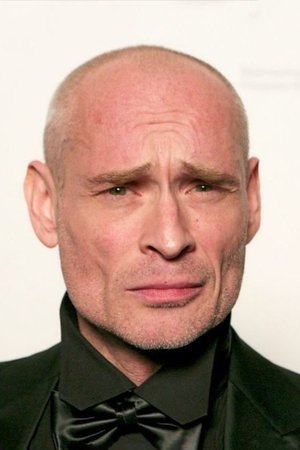
Johannes Krisch
Alex
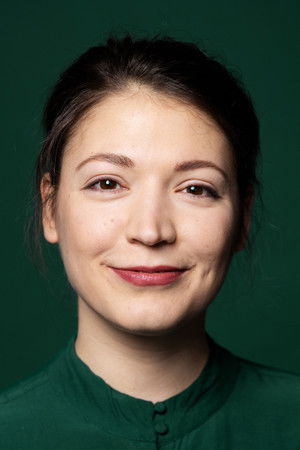
Irina Potapenko
Tamara
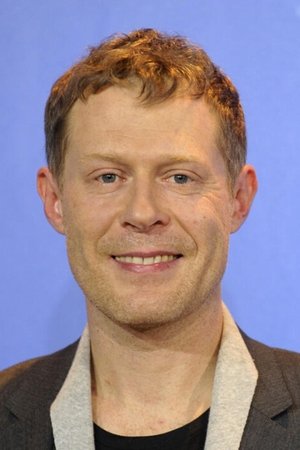
Andreas Lust
Robert

Ursula Strauss
Susanne
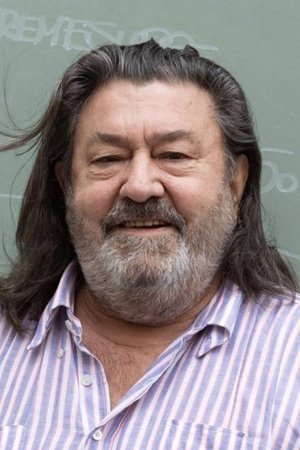
Hanno Pöschl
Konecny
Awards, Festivals & Mentions
-
Winner — Austrian Film Award Best Direction
-

Winner — European Film Award nominations
-

Nominee × 2 — Oscars: Best Foreign Language Film, Best International Feature Film


