
Film★ Editor's Pick
Lawrence of Arabia
British Army officer T.E. Lawrence is sent to Arabia during the First World War to assess the prospects of Prince Faisal in his revolt against the Ottoman Turks. Drawn ever deeper into the desert and the Arab cause, he unites warring tribes, leads daring raids across impossible terrain, and is transformed by the violence and myth-making that follow. David Lean's sweeping epic is a masterpiece of scale and interiority, anchored by Peter O'Toole's incandescent debut and Freddie Young's 70mm desert vistas. A landmark of British cinema and one of the towering achievements of the form.
About
David Lean's Lawrence of Arabia opened in December 1962 and won seven Academy Awards including Best Picture, Best Director, and Best Cinematography. The 228-minute restored director's cut is the standard version. Robert Bolt and Michael Wilson's screenplay was adapted from T. E. Lawrence's Seven Pillars of Wisdom; production took two years across Jordan, Spain and Morocco.
The British Army officer T. E. Lawrence (Peter O'Toole, in the role that made him a star at twenty-eight) is dispatched in 1916 to assess Prince Faisal's revolt against the Ottoman Empire. Drawn into the desert and the Arab cause, Lawrence orchestrates the cross-Sinai assault on Aqaba and the harassment of the Hejaz Railway, becomes a folk hero, and is broken by the political betrayal that follows. Alec Guinness as Faisal, Anthony Quinn as Auda abu Tayi, Omar Sharif (in the role that launched his career) as Sherif Ali, and Jack Hawkins as General Allenby form one of the great supporting ensembles in classical cinema.
Freddie Young's 70mm Super Panavision photography produced images that have permanently reshaped the cinematic imagination of desert landscape. Maurice Jarre's score is among the most enduring ever composed for film. The film's politics (its handling of orientalism, of Lawrence's psychology, of Sykes-Picot's betrayal) have been continuously debated, but its artistry has never been questioned.
Why it's an Editor's Pick: The greatest historical epic ever made, and the film against which all subsequent epics are measured. Three hours of cinema as it can only be made once a generation.
Where to Watch
Not currently available in your country.
Available in: , , , , , , , , , , , , , , , ,




























Streaming availability via JustWatch. Last checked 2026-09-27.
Top Cast
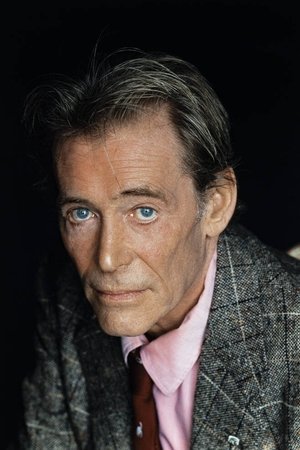
Peter O'Toole
T.E. Lawrence
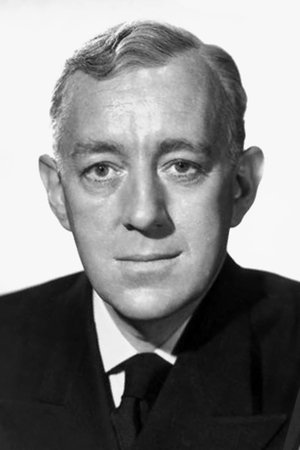
Alec Guinness
Prince Feisal
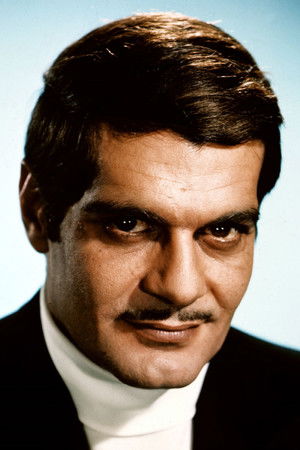
Omar Sharif
Sherif Ali
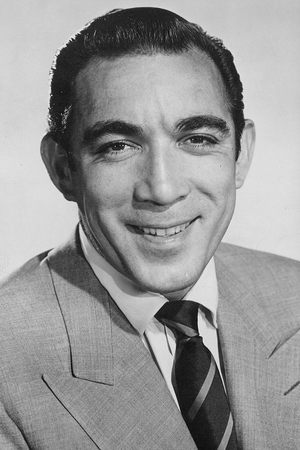
Anthony Quinn
Auda abu Tayi
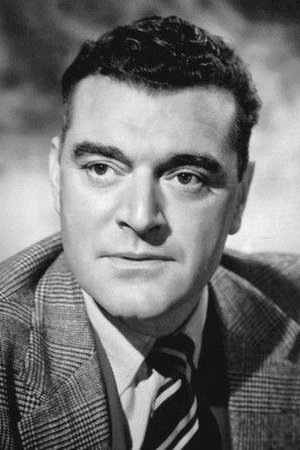
Jack Hawkins
General Allenby
Awards, Festivals & Mentions
-

Winner × 10 — Oscars: Best Picture, Best Director (David Lean), Best Cinematography, Best Original Score, Best Film Editing, Best Art Direction, Best Sound, Best Art Direction, Color, Best Cinematography, Color, Best Director
-
Winner — BAFTA Award Best Film
-
Nominee × 3 — Oscars: Best Actor, Best Supporting Actor, Best Adapted Screenplay

Brief Encounter

The Leopard

Barry Lyndon

2001: A Space Odyssey

Tom Jones

Michael Collins

Dr. Strangelove or: How I Learned to Stop Worrying and Love the Bomb

The Battle of Algiers

The Good, the Bad and the Ugly

The King's Speech

Darkest Hour

Lee


In these collections
Featured In
- 10 Must-Watch British Films 25 April 2026