
Film
Le Bonheur
A young French carpenter loves his wife and their two children, and decides he can also love a young postal clerk in town with no diminishment of his existing happiness. Varda's most disquieting fairy-tale, scored to Mozart and shot in saturated summer Technicolor.
About
Agnès Varda's Le Bonheur won the Silver Bear at the Berlin Film Festival 1965 and the Louis Delluc Prize the same year. Coming after Cléo from 5 to 7 (1962), it confirmed Varda as one of the most distinctive directors of the French New Wave, in a career that would run for more than five decades through Vagabond (1985), The Gleaners and I (2000) and the late documentary work that culminated in Faces Places (2017).
François (Jean-Claude Drouot), a young French carpenter, loves his wife Thérèse and their two young children. Drouot's real-life wife, Claire Drouot, plays Thérèse, and their actual children, Olivier and Sandrine, play the on-screen children. Without any moral hesitation that the film treats as a problem, François decides that he can also love Émilie (Marie-France Boyer), a young postal clerk in the next town, with no diminishment of the happiness he already has. The film follows the domestic arrangement that results over one summer.
Its brightly coloured fairy-tale realism has been argued over ever since its release. Varda sets the film's surface beauty against its moral subject and declines either to condemn François's position or to endorse it, and the result is one of the most-discussed works of feminist and philosophical cinema of the 1960s. Jean Rabier's photography of sun-saturated village exteriors in rural France is among the most distinctive of the New Wave era.
Where to Watch
Not currently available in your country.
Available in: , , , , , , , , , , , ,

























Streaming availability via JustWatch. Last checked 2026-11-08.
Top Cast
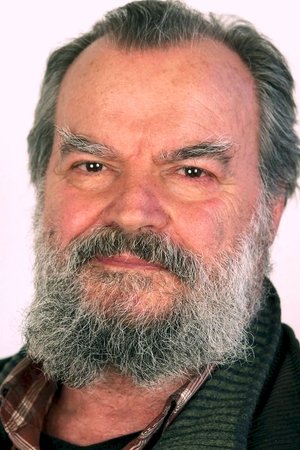
Jean-Claude Drouot
François Chevalier
Claire Drouot
Thérèse Chevalier
Olivier Drouot
Pierrot Chevalier
Sandrine Drouot
Gisou Chevalier
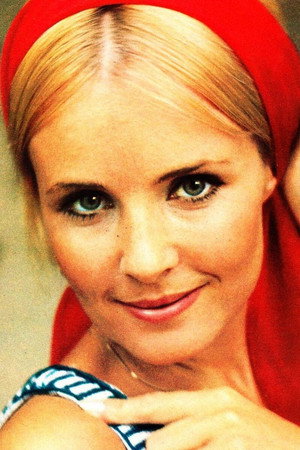
Marie-France Boyer
Émilie Savignard
Awards, Festivals & Mentions
-

Winner × 2 — Berlin prizes: Silver Bear, Silver Bear Grand Jury Prize
-

Winner — Louis Delluc Prize
-

Sight & Sound 250 Greatest Films


