
Film
Cléo from 5 to 7
Cléo de 5 à 7
Ninety minutes in real time on the Paris streets with a young pop singer waiting for the results of a possibly-fatal medical test.
About
Agnès Varda's Cléo from 5 to 7 (Cléo de 5 à 7) competed at Cannes 1962 and was Varda's first feature in nearly seven years. The film entered the Sight & Sound poll's upper tier in 2022 and is widely considered Varda's defining narrative feature; her broader filmography across more than six decades (The Gleaners and I, Vagabond, Faces Places) would steadily extend her reputation as one of the foundational figures of the French New Wave and the international art-documentary tradition.
The film unfolds in something close to real time across two hours of Paris on a single afternoon, slightly compressed from the title's promised five-to-seven span. Cléo Victoire (Corinne Marchand) is a young pop singer waiting for the results of a possibly-fatal medical test. She moves across the Right Bank (through the Café Le Dôme on Boulevard Edgar Quinet, the Parc Montsouris, a taxi ride along the Seine) accompanied by her songwriting collaborators (Michel Legrand and Serge Korber, in cameo). Antoine Bourseiller plays the soldier on leave who joins her in the parc.
The film operates as both real-time character study and meditation on what one's own time actually feels like when one might be dying. Jean Rabier's photography, the use of mirrors and reflections throughout, and Varda's structural conceit (each chapter named with a clock-time) made the film a continuing reference point for the formal possibilities of duration in narrative cinema. Marchand's central performance (beautiful, vulnerable, slowly clarifying) is one of the most internationally beloved central performances of the New Wave.
Where to Watch
Not currently available in your country.
Available in: , , , , , , , , , ,
































Streaming availability via JustWatch. Last checked 2026-09-27.
Top Cast
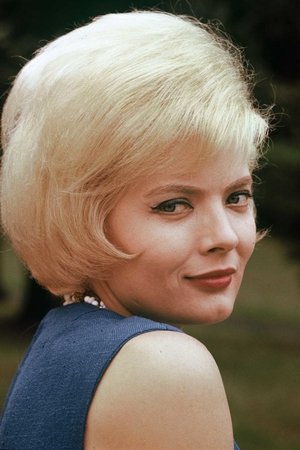
Corinne Marchand
Florence 'Cléo' Victoire
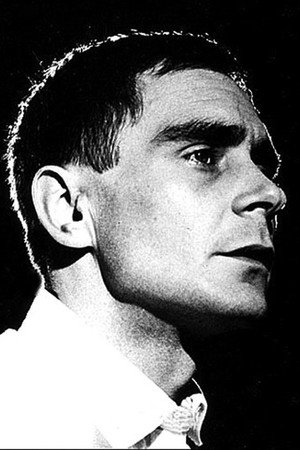
Antoine Bourseiller
Antoine
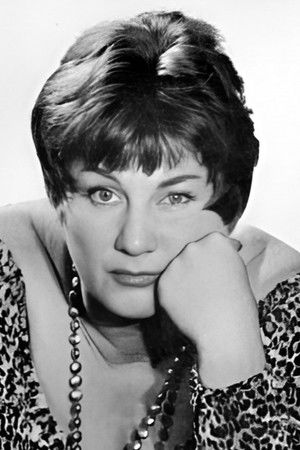
Dominique Davray
Angèle
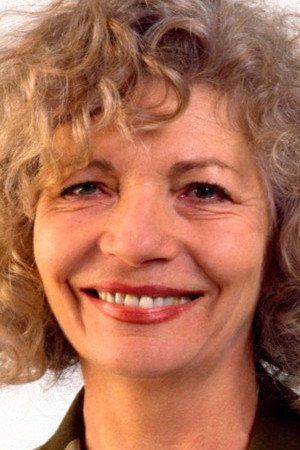
Dorothée Blanck
Dorothée
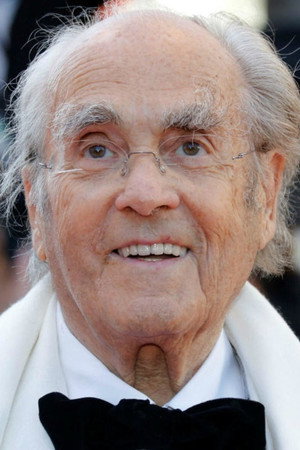
Michel Legrand
Bob, the Pianist
Awards, Festivals & Mentions
-

Cannes Film Festival 1962 — In Competition
-

Sight & Sound 250 Greatest Films


