
Film
Funny Games
A middle-class Austrian family arrives at their lakeside holiday house and within hours are taken hostage by two polite, white-gloved young men who propose a sequence of cruel "games." Haneke delivers a relentless, deliberately punishing meditation on screen violence, audience complicity and the politics of bourgeois passivity. It is the film he was so committed to that he made it twice, first here in German, then a decade later as a shot-for-shot English-language remake.
About
Michael Haneke's Funny Games opened in competition at Cannes 1997 and was widely received as one of the most controversial European films of its decade, a confrontation Haneke had explicitly designed and had spoken about beforehand. The film consolidated Haneke as the most uncompromising European auteur of the late 1990s; he would go on to The Piano Teacher, Caché, The White Ribbon, and Amour across the next two decades. Haneke remade the film, almost shot-for-shot, in English in 2007 with Naomi Watts and Tim Roth.
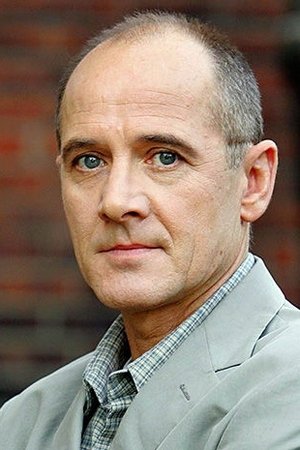
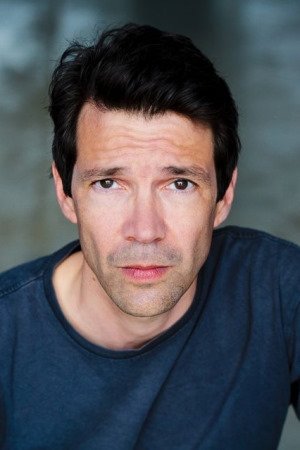
An Austrian middle-class family (Anna (Susanne Lothar), Georg (Ulrich Mühe), and their young son Schorschi) arrive at their lakeside holiday house. Within hours they are taken hostage by two polite, white-gloved young men, Paul (Arno Frisch) and Peter (Frank Giering), who propose a sequence of what they describe as games. The film's central provocation is its sustained address to the audience, Paul, breaking the fourth wall and looking directly into camera, repeatedly negotiating with the viewer about the entertainment they are receiving.
Haneke's commitment to interrogating the conventions of home-invasion-thriller filmmaking (its inherited assumptions about violence, complicity and the viewer's pleasure) produced a film that has been continuously debated since release. The film operates as both straight horror-thriller and sustained critique of the audience's appetite for the genre. The closing minutes, with their direct provocation of the viewer's assumptions about narrative justice, are among the most-discussed sequences of 1990s European cinema.
Where to Watch
Not currently available in your country.
Available in: , , , , , , , , , , ,

































Streaming availability via JustWatch. Last checked 2026-09-27.
Top Cast
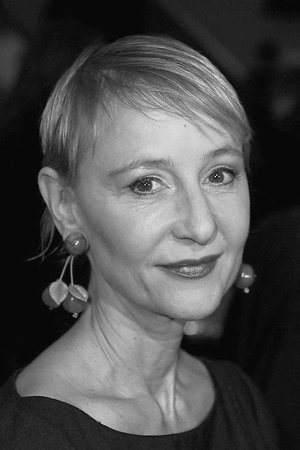
Susanne Lothar
Anna
Ulrich Mühe
Georg
Arno Frisch
Paul
Frank Giering
Peter
Stefan Clapczynski
Georgie
Awards, Festivals & Mentions
-

Cannes Film Festival 1997 — In Competition
-
Cahiers du Cinéma — one of the best films of 1997


Featured In
- 10 Must-Watch European Horror Films 1 May 2026