
Film
Salò, or the 120 Days of Sodom
Salò o le 120 giornate di Sodoma
Relocating Sade's 120 Days of Sodom to the dying days of Mussolini's puppet Republic of Salò, four wealthy Fascist libertines kidnap eighteen young men and women and subject them to one hundred and twenty days of progressively organised cruelty. Pasolini was murdered weeks before the film's premiere, leaving it as his blistering final statement. One of the most banned and most defended films in European cinema, it is now widely recognised as a savage allegory of fascism and consumerism.
About
Salò, or the 120 Days of Sodom was Pier Paolo Pasolini's last film. He delivered the final cut shortly before he was murdered on the beach at Ostia outside Rome on 2 November 1975, at the age of fifty-three; the film was released posthumously a few weeks later. The transposition of Sade's eighteenth-century novel to the Republic of Salò (Mussolini's German-backed puppet state in the Italian north between 1943 and 1945) was Pasolini's deliberate political-allegorical move, framing the libertines' debasement of bodies as a Marxist analysis of consumer capitalism.
The film was banned in multiple countries on its initial release, including the United Kingdom (where it remained effectively unavailable until the British Board of Film Classification approved it in 2000) and Australia. It has been the subject of more than fifty years of academic literature on censorship, fascism and the limits of representation, and was inducted into the Criterion Collection in 2008. The Sight & Sound critics' polls have placed it on the long list of greatest films of all time across multiple decades.
The screenplay was written by Pasolini with Sergio Citti and Pupi Avati; cinematography is by Tonino Delli Colli, the Italian master who shot Pasolini's The Gospel According to St. Matthew, several Sergio Leone westerns, and would later shoot Life Is Beautiful. The score is by Ennio Morricone. The film remains, by general critical agreement, the most contested entry in any conversation about the boundaries of permissible cinema, and is taught in film studies departments worldwide as a defining test case.

Top Cast
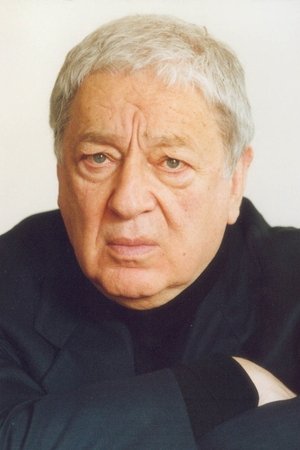
Paolo Bonacelli
The Duke
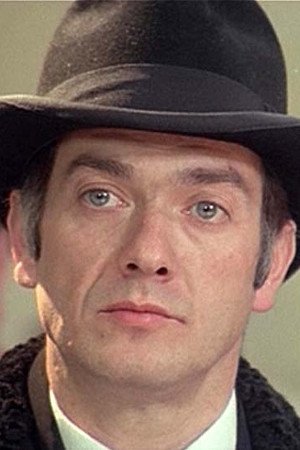
Giorgio Cataldi
The Bishop
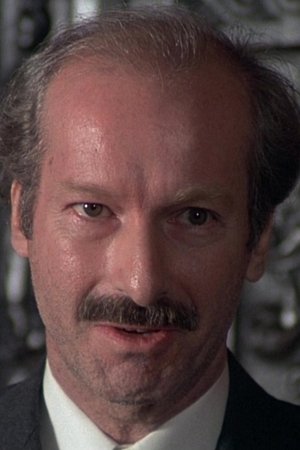
Uberto Paolo Quintavalle
The Magistrate
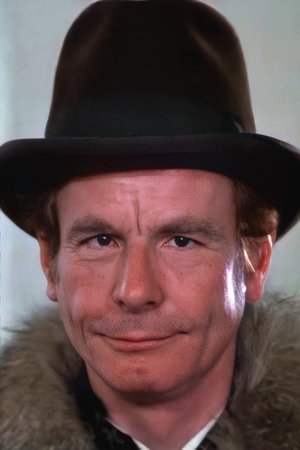
Aldo Valletti
The President
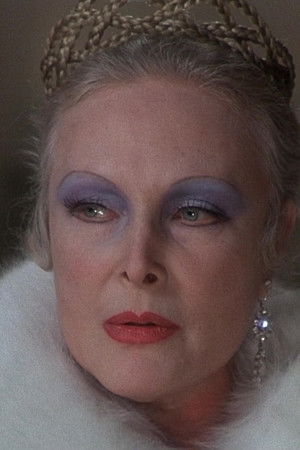
Caterina Boratto
Signora Castelli
Awards, Festivals & Mentions
-
Sight & Sound 250 Greatest Films
-
Criterion Collection canonical entry


