
Film
Sans soleil
Postcards from Tokyo, the volcanic Cape Verde and the small islands of Iceland, edited together with a fictional cameraman's letters and read aloud by an unnamed female narrator. Chris Marker's essay film, perhaps the foundational work of the late-twentieth-century international video essay.
About
Chris Marker's Sans soleil arrived in 1983 as the most fully realised expression of the essay-film form he had spent twenty years inventing, a form that has since become one of the central modes of late-twentieth-century non-fiction cinema. Marker had been making politically engaged documentaries since the 1950s, including La Jetée (1962) and A Grin Without a Cat (1977); Sans soleil was his most ambitious assembly of the techniques he had been developing.
The film is a 16mm assembly of footage Marker shot over more than a decade, principally in Tokyo and on the volcanic island of Sal in Cape Verde, with material from Iceland, Guinea-Bissau, Paris and the United States. The narration (letters from a fictional cameraman named Sandor Krasna, read in different language versions by different actresses) was written by Marker himself. The English-language version is voiced by Alexandra Stewart; the French version by Florence Delay.
The film entered Sight & Sound's Greatest Films of All Time list in the 2002 poll, climbed steadily through subsequent rounds, and reached the top fifty in 2022, the highest position ever achieved by a feature-length documentary outside Dziga Vertov's Man with a Movie Camera. It is now widely cited as the canonical reference point for documentary essay film, with directors from Harun Farocki to Joshua Oppenheimer to Werner Herzog naming it as a primary influence on their working method.
Where to Watch
Not currently available in your country.
Available in: , , , , , , , , , , , , , , ,

















Streaming availability via JustWatch. Last checked 2026-09-27.
Top Cast
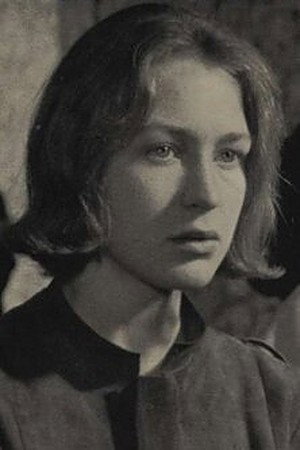
Florence Delay
Narrator (voice)
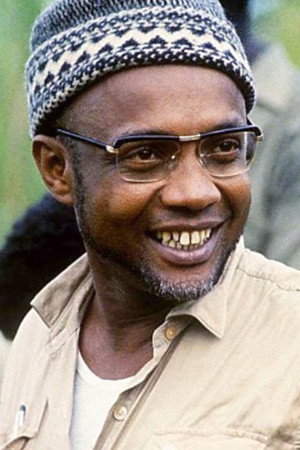
Amílcar Cabral
Self (archive footage)
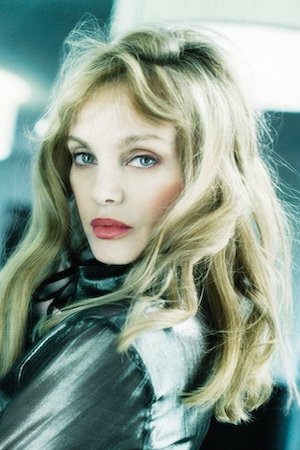
Arielle Dombasle
Self
Bin Akao
Self (uncredited)
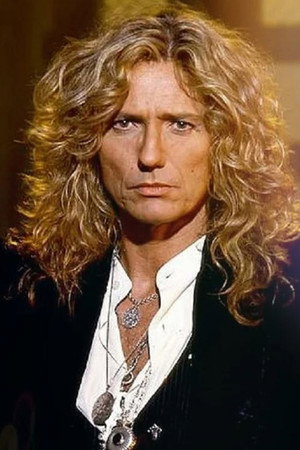
David Coverdale
Self / Deep Purple Singer (uncredited)
Awards, Festivals & Mentions
-
Sight & Sound 250 Greatest Films
-
BFI 100 Greatest Documentaries


