
Film★ Editor's Pick
Shoah
Nine and a half hours of testimony from survivors, perpetrators and witnesses of the Nazi destruction of European Jewry, recorded by Claude Lanzmann across eleven years of filming and refusing all archival footage. One of the most necessary works of the twentieth century.
About
Claude Lanzmann's Shoah, released in 1985, runs nine and a half hours and is composed entirely of contemporary testimony from Holocaust survivors, perpetrators and bystanders. Lanzmann shot for eleven years across fourteen countries, from 1973 to 1985, and refused on principle to use any archival footage of the camps, every image in the film was recorded after the fact, on the actual sites of destruction (Auschwitz, Treblinka, Sobibor, Chełmno) or in the homes of the speakers. The film is permanent in the upper tier of every Sight & Sound poll and is widely considered the most important documentary ever made.
Lanzmann's interview methodology was deliberate and at times brutal: hidden cameras when needed (he tricked one ex-SS officer into giving testimony), patient bilingual translation that preserves the work of finding each word, and a visible refusal to let his subjects retreat into language about Hitler or evil rather than language about timetables, ovens, witnesses, neighbours. The Polish villagers who lived next to the camps, the Auschwitz barber who had to cut the hair of women he knew, the Treblinka train conductor (these are the most-cited interviews in Holocaust literature.
Simon Srebnik singing on the Chełmno river) the opening sequence, has become the single most-quoted shot of the documentary form. Lanzmann's project was, in his own framing, to refuse the consolation of representation; Shoah is the film that made that refusal a permanent ethical option in cinema.
Why it's an Editor's Pick: The most necessary film ever made about the Holocaust, and the work that defined what documentary witness could demand. Few works in any medium take their own subject this seriously.
Where to Watch
Not currently available in your country.
Available in: , , , , , , , , , , , , ,









Streaming availability via JustWatch. Last checked 2026-09-27.
Top Cast
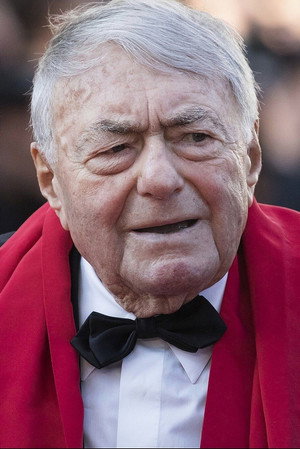
Claude Lanzmann
Self - Interviewer
Simon Srebnik
Self
Michael Podchlebnik
Self
Motke Zaidl
Self
Jan Karski
Self
Awards, Festivals & Mentions
-
Winner — Caesar Award Best Documentary
-
Sight & Sound 250 Greatest Films


2000 Meters to Andriivka

Put Your Soul on Your Hand and Walk

Nostalgia for the Light

À nos amours

Mauvais Sang

No Home Movie

Jeanne Dielman, 23 quai du Commerce, 1080 Bruxelles

The Travelling Players

The Lovers on the Bridge

The Green Room

The Act of Killing

In Vanda's Room