
Film
Germany Year Zero
Germania anno zero
In the ruins of postwar Berlin, twelve-year-old Edmund struggles to help his destitute family survive amid rubble and black-market subsistence. Corrupted by a former teacher who still mouths Nazi ideology, the boy poisons his ailing father to relieve his family of a burden, and then faces the full horror of what he has done. The final chapter of Rossellini's War Trilogy is his bleakest, a requiem for a continent's poisoned children.
About
Roberto Rossellini's Germany Year Zero (Germania anno zero) opened in 1948 and won the Golden Leopard at Locarno that year. The film completes Rossellini's loose neorealist War Trilogy after Rome, Open City (1945) and Paisà (1946), and was shot in the actual ruins of postwar Berlin during what was effectively the first cinematic engagement with German civilian-life devastation by an Italian director. Rossellini dedicated the film to his eldest son Romano, who had died in 1946.
Twelve-year-old Edmund (Edmund Moeschke, a non-professional Berlin child cast on the streets) struggles to help his destitute family survive in the bombed-out Berlin of late 1947, his consumptive father bedridden, his older brother in hiding for fear of war-crime arrest, his sister forced into informal sex-work for cigarettes and food. Edmund spends his days hawking small objects on the black market, and is briefly drawn into a relationship with a former teacher who continues to mouth Nazi ideology and pederastic exploitation in the rubble.
The film's location shooting in actual Berlin ruins (Rossellini negotiated with the Soviet, French and American occupation authorities for permission to shoot) produced one of the most distinctive period documents in any of the post-war neorealist works. Robert Juillard's photography of the rubble streets, the ruined Reichskanzlei, the bombed-out apartment blocks operates as both dramatic background and historical record. The closing sequence is among the most quietly devastating in any neorealist film.
Where to Watch
Not currently available in your country.
Available in: , , , , , , , , ,





















Streaming availability via JustWatch. Last checked 2026-10-11.
Top Cast
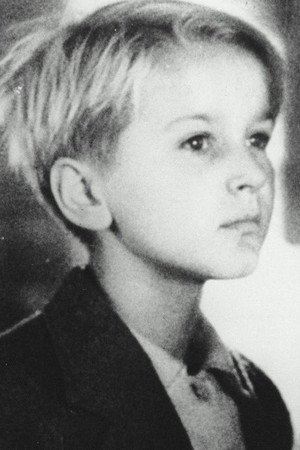
Edmund Moeschke
Edmund
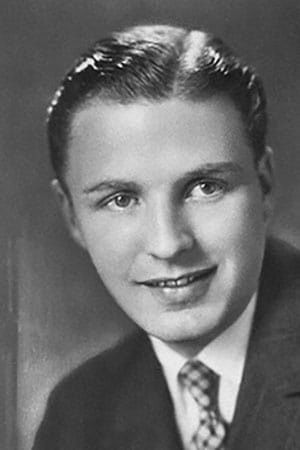
Ernst Pittschau
Father
Ingetraud Hinze
Eva
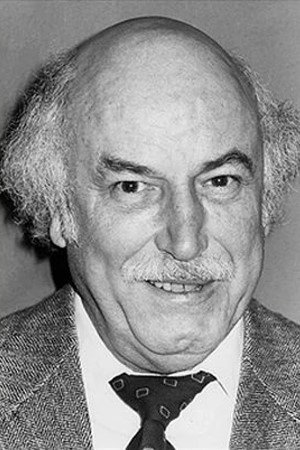
Franz-Otto Krüger
Karl-Heinz
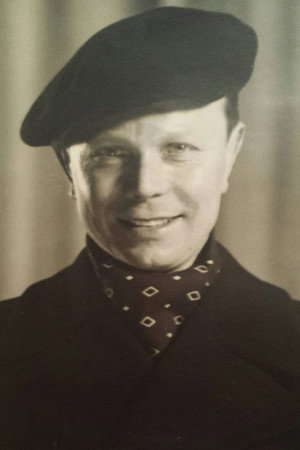
Erich Gühne
Teacher
Awards, Festivals & Mentions
-
Winner — Golden Leopard — Locarno International Film Festival


