
Film★ Editor's Pick
The Passion of Joan of Arc
La Passion de Jeanne d'Arc
The trial and burning of Joan of Arc, reconstructed from court transcripts and shot in extraordinary close-ups of Renée Jeanne Falconetti's face, a performance often called the greatest in cinema. Dreyer's film, lost for decades and miraculously rediscovered, remains one of the most overwhelming experiences the medium has produced.
About
Carl Theodor Dreyer's The Passion of Joan of Arc (La Passion de Jeanne d'Arc) opened in Paris in 1928 as a critical event in the late silent-cinema period. The original negative was destroyed in a fire shortly afterwards; a second version, also destroyed by fire, then survived in an inferior re-edited copy, until a near-perfect first-generation print was discovered in a Norwegian psychiatric hospital in 1981. The film sits permanently in the upper tier of every Sight & Sound critics' poll, at number 21 in the 2022 list.
Dreyer reconstructed the trial of Joan of Arc almost entirely from the surviving Latin court transcripts of 1431, compressing them into a single day. Renée Jeanne Falconetti, in her sole major film role, plays Joan in a sustained extreme-close-up performance that has been called, repeatedly, the greatest in the history of cinema. Dreyer required Falconetti to undergo physical conditions paralleling Joan's (including having her hair shorn on camera) and the resulting performance is one of the most directly transmitted forms of suffering ever recorded.
The film's formal radicalism (the refusal of establishing shots, the constant variations on close-up, the absence of conventional intertitles) produced a film closer to icon-painting than to drama. Falconetti made no other significant films and died in 1946; her single role remains foundational. Multiple modern composers have written scores for the film, with Richard Einhorn's Voices of Light (1994) the most-performed.
Why it's an Editor's Pick: The greatest performance ever recorded on film, in service of one of the most formally radical works of silent cinema. Almost a century later, no film about religious suffering has matched its directness.
Where to Watch
Not currently available in your country.
Available in: , , , , , , , , , , , , , , , ,






































Streaming availability via JustWatch. Last checked 2026-09-27.
Top Cast
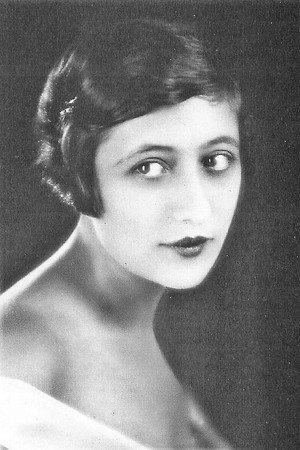
Maria Falconetti
Jeanne d'Arc
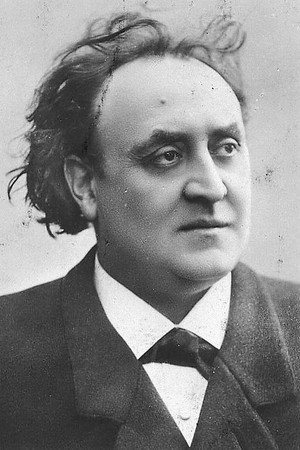
Eugène Silvain
Bishop Pierre Cauchon
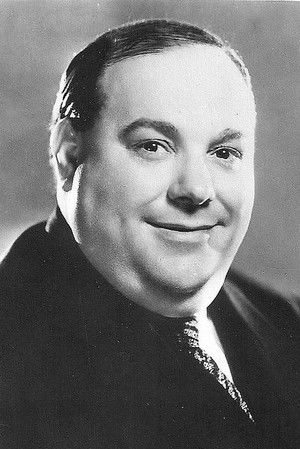
André Berley
Jean d'Estivet
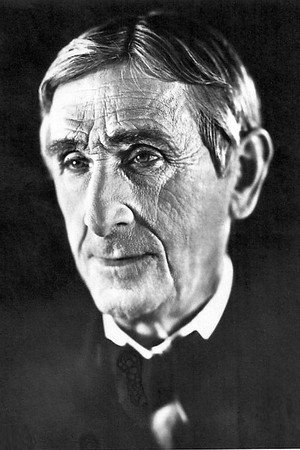
Maurice Schutz
Nicolas Loyseleur
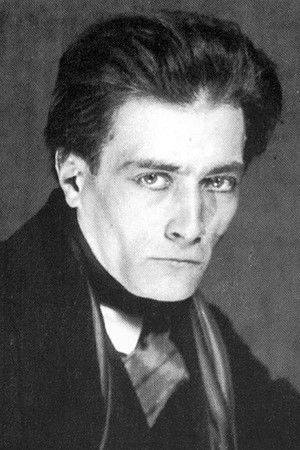
Antonin Artaud
Jean Massieu
Awards, Festivals & Mentions
-
Sight & Sound 250 Greatest Films


