
Film
Ordet
In a remote Jutland farmhouse, three brothers (a stolid believer, a seeker, and one who has perhaps lost his mind and believes himself to be Christ) struggle with their father's faith, a forbidden love, and a death that may not be a death. Dreyer's serene, austere masterpiece on the literal possibility of grace.
About
Carl Theodor Dreyer's Ordet (The Word) won the Golden Lion at the Venice Film Festival in 1955. The film entered the upper tier of every Sight & Sound poll covering Dreyer's filmography, and was nominated for the BAFTA for Best Foreign Language Film. The film was Dreyer's third masterwork (alongside The Passion of Joan of Arc (1928) and Day of Wrath (1943)) across a substantially-spaced career that produced relatively few features but widely-regarded ones.
In a remote Jutland farmhouse on the windswept Danish-North-Sea coast, three adult brothers, Mikkel (Emil Hass Christensen), the eldest, a stolid believer in the broader Danish-Lutheran-Inner-Mission religious framework that the family's father (Henrik Malberg) maintains with substantial conviction; Johannes (Preben Lerdorff Rye), the middle son who has perhaps lost his mind during religious-philosophical study and now publicly believes himself to be Jesus Christ; and Anders (Cay Kristiansen), the youngest, who is in love with the daughter of a religiously-rival neighbouring farming family, struggle with their father's faith, the broader theological-cultural environment, and the looming Inger pregnancy that anchors the family's hopes for the next generation.
Dreyer's commitment to long static takes (the average shot length in the film exceeds one minute), the absolute restraint of conventional dramatic emphasis, and the use of the actual rural-Jutland-Danish-Lutheran-Inner-Mission liturgical-cultural environment as the film's setting produced one of the most uncompromising religious-philosophical works in any cinematic tradition. Henning Bendtsen's photography of the farmhouse interiors and the broader Vendsyssel exteriors anchors a film that has been continuously cited as among the most distinctive in twentieth-century cinema.
Where to Watch
Not currently available in your country.
Available in: , , , , ,












Streaming availability via JustWatch. Last checked 2026-09-27.
Top Cast
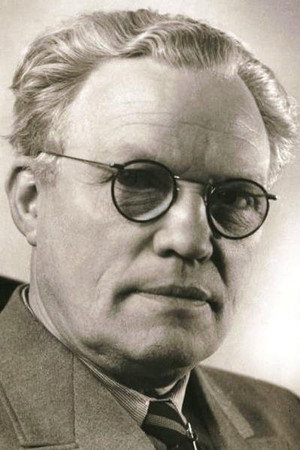
Henrik Malberg
Morten Borgen (uncredited)
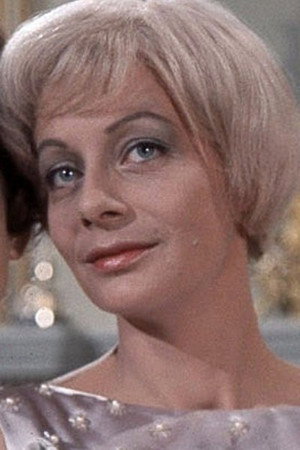
Birgitte Federspiel
Inger Borgen (uncredited)
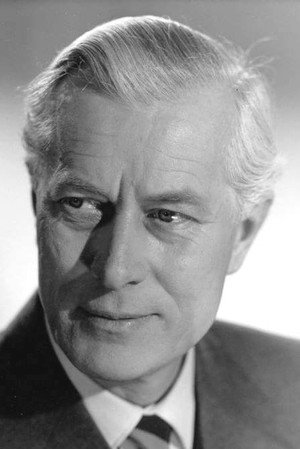
Emil Hass Christensen
Mikkel Borgen (uncredited)
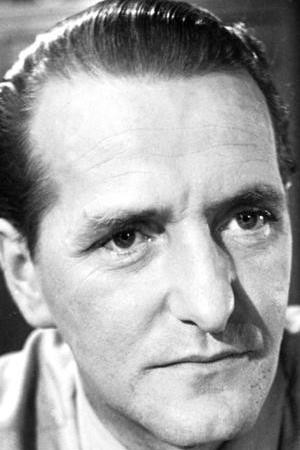
Preben Lerdorff Rye
Johannes Borgen (uncredited)
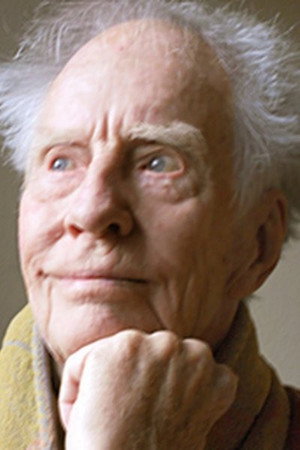
Cay Kristiansen
Anders Borgen (uncredited)
Awards, Festivals & Mentions
-
Winner × 2 — Venice prizes: Golden Lion, Golden Lion
-
Winner — Bodil Award Best Danish Film
-
Nominee — BAFTA Award Best Foreign Language Film
-
Sight & Sound 250 Greatest Films


