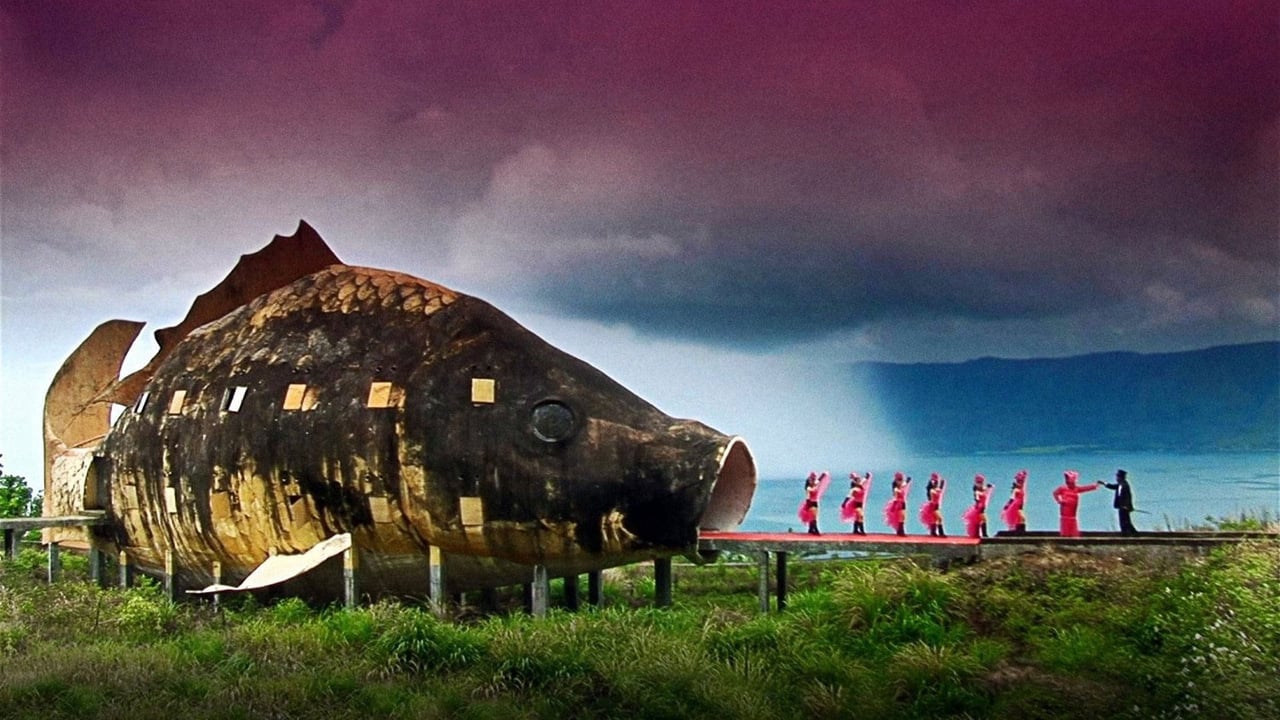
From a Cannes jury prize winner to a Venice prize-winner spanning a century, German cinema delivered its most ambitious year in recent memory.
German cinema arrived in 2025 with something to prove. While the country's film industry navigated economic headwinds, a government collapse, and an unfinished funding reform, its filmmakers responded with a body of work that was startlingly diverse, from century-spanning feminist epics to compact Cannes novellas, from politically charged Berlinale premieres to a true story behind one of the best-selling jazz records of all time.
The German Film Awards (the Lolas) saw September 5 sweep the ceremony with nine prizes including Best Film in Gold, while the European Film Awards nominated Sound of Falling across multiple categories and crowned it Germany's official Oscar submission. Meanwhile, at Cannes, Christian Petzold made his long-awaited debut on the Croisette, and a second-generation German-Turkish filmmaker delivered what the BFI called the standout German film of the Berlinale.
Here are the ten German films from 2025 that deserve your attention, whether you're an arthouse devotee or simply looking for something that Hollywood couldn't have made.
1. Sound of Falling
Dir. Mascha Schilinski · Drama · Cannes Jury Prize · Germany's Oscar Entry
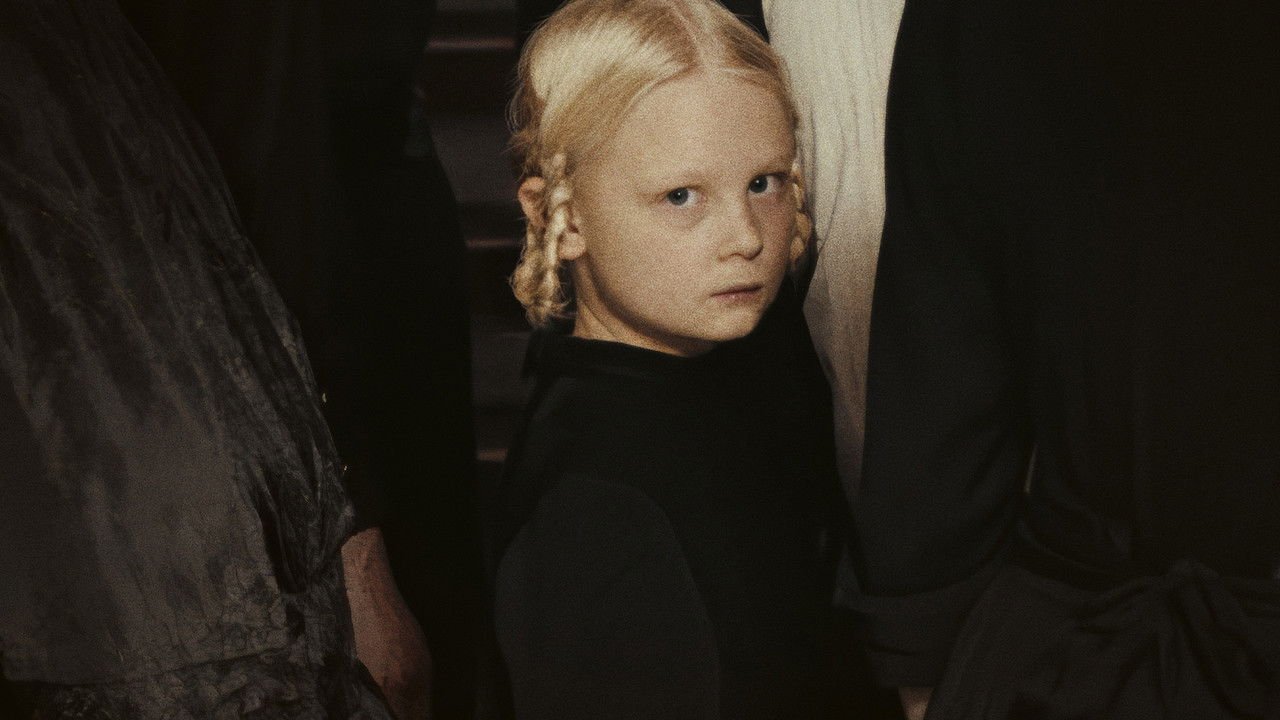
The film that defined German cinema in 2025. Mascha Schilinski's second feature braids together the lives of four young women across a century, all living in the same farmhouse in the Altmark region of northern Germany. Shot in grainy, tea-stained tones by cinematographer Fabian Gamper, the film moves between eras with the logic of memory rather than chronology, impressionistic, haunting, and deliberately disorienting.
Sound of Falling won the Jury Prize at Cannes, earned a Metacritic score of 91, and was nominated for European Director, Screenwriter, and multiple craft categories at the EFAs. The film was inspired by a single photograph of three women from the 1920s that Schilinski and co-writer Louise Peter found while spending a summer on an Altmark farm. Over 1,400 girls auditioned for the four lead roles. The result is a work that multiple critics described as an instant classic, a film about transgenerational trauma, feminism, and the longing to exist without the burden of the past. Distributed by MUBI, it demands patience and rewards it generously.
2. September 5
Dir. Tim Fehlbaum · Thriller / Drama · Lola for Best Film (Gold)
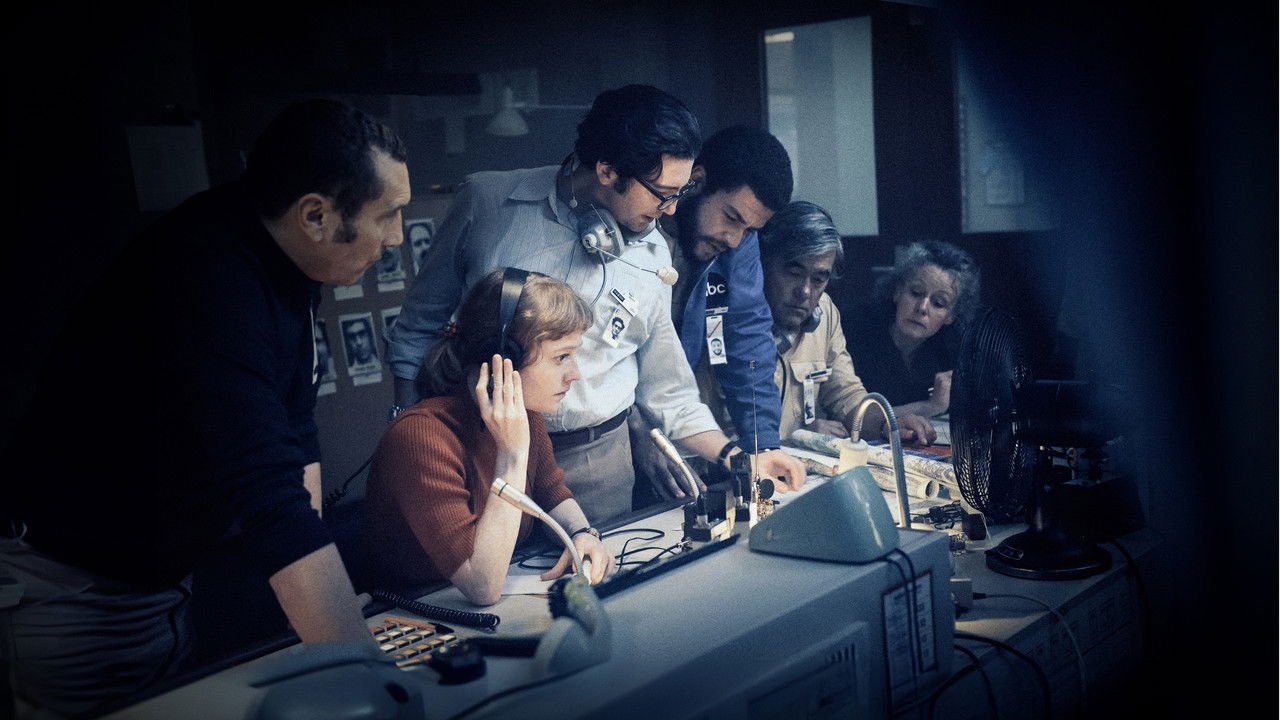
Tim Fehlbaum's gripping reconstruction of the 1972 Munich Olympics hostage crisis (told entirely from inside the ABC Sports broadcast booth) was the dominant force at the 2025 German Film Awards, winning nine Lolas including Best Film in Gold, Best Director, Best Screenplay, and Best Cinematography for Markus Förderer's taut, claustrophobic camerawork.
By confining the audience to what the broadcasters could see and know in real time, Fehlbaum turned a historical tragedy into an unbearably tense procedural about the birth of live news as spectacle. The film raises uncomfortable questions about media responsibility that feel sharply relevant today. Leonie Benesch won Best Supporting Actress for her performance, adding to a breakthrough year that saw her name circulate widely in international awards conversations.
3. Mirrors No. 3
Dir. Christian Petzold · Drama · Cannes Directors' Fortnight
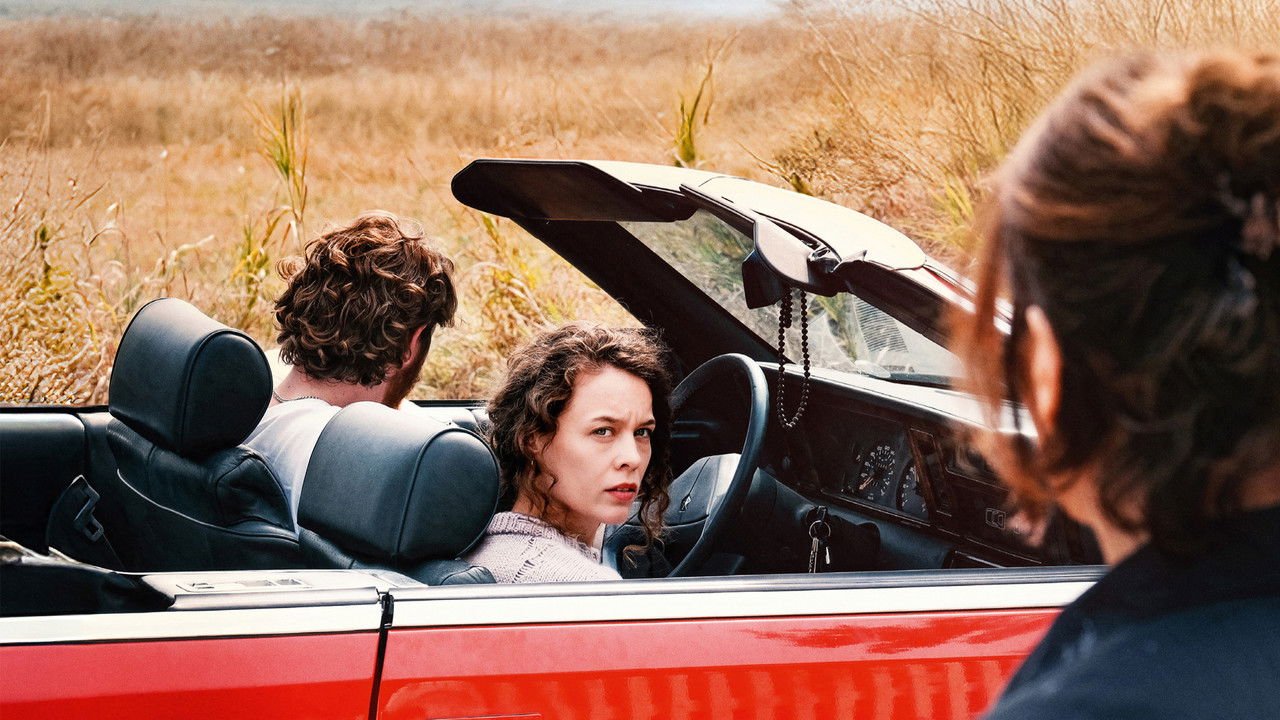
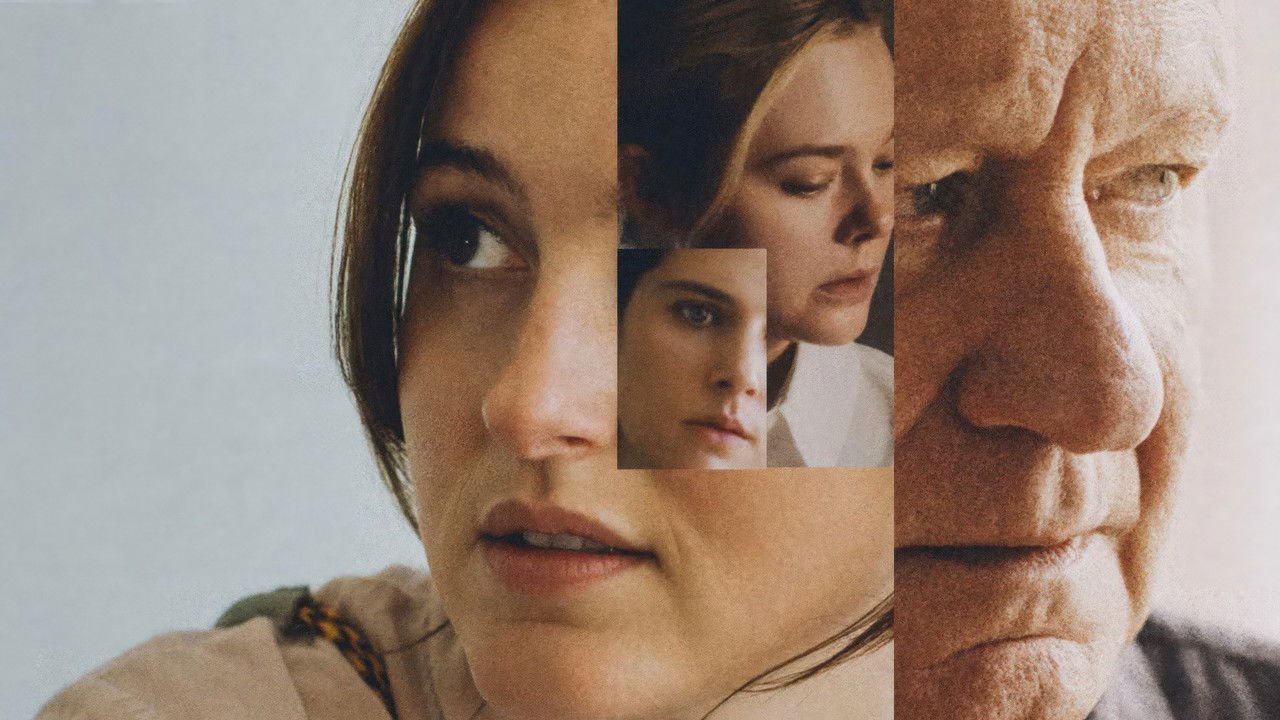
Christian Petzold's fifteenth feature (and his first to screen at Cannes) is a ghost story with no ghosts. Paula Beer, in her fourth collaboration with Petzold, plays Laura, a Berlin piano student who survives a car crash that kills her boyfriend. Taken in by a roadside family, she slowly slips into a life that isn't hers, filling the absence left by the family's dead daughter.
At a lean 86 minutes, the film is Petzold at his most compact and enigmatic. The title is borrowed from the third movement of Maurice Ravel's piano suite Miroirs (1905), and Mirrors No. 3 completes the elemental trilogy begun with Undine and Afire. Critics were divided on whether it ranks among his finest or sits as a minor key in a major body of work, but even Petzold's minor key, as IndieWire noted, is still a showcase for the uncanny chemistry between director and star. Beer, who won the Silver Bear for Undine and the Lola for Afire, anchors the film with the same poised ambiguity that has defined the partnership.
4. The Seed of the Sacred Fig
Dir. Mohammad Rasoulof · Drama · Lola for Best Film (Silver)
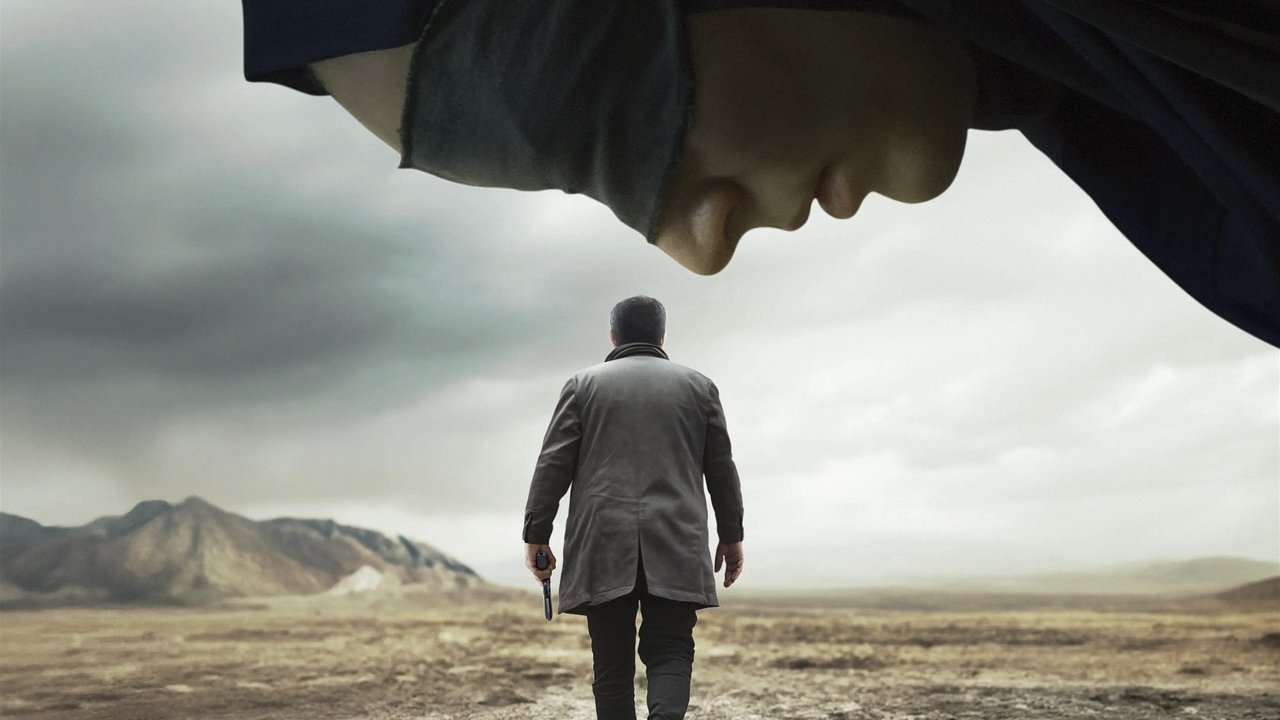
Technically a German-French co-production, Mohammad Rasoulof's searing family drama was shot in secret in Iran before the director fled the country. It won the Lola for Best Film in Silver and Best Actor for Missagh Zareh's portrayal of an Iranian patriarch whose family is torn apart by conflicting loyalties to an increasingly oppressive regime.
The film's presence at the German Film Awards was a powerful statement about Germany's role as a safe harbour for filmmakers in exile, and about the German industry's commitment to co-producing work that couldn't exist without international solidarity. Rasoulof's Oscar-nominated film is both a domestic thriller and a political allegory that speaks far beyond Iran's borders.
5. From Hilde, With Love
Dir. Andreas Dresen · Drama / Biography · Lola for Best Film (Bronze)
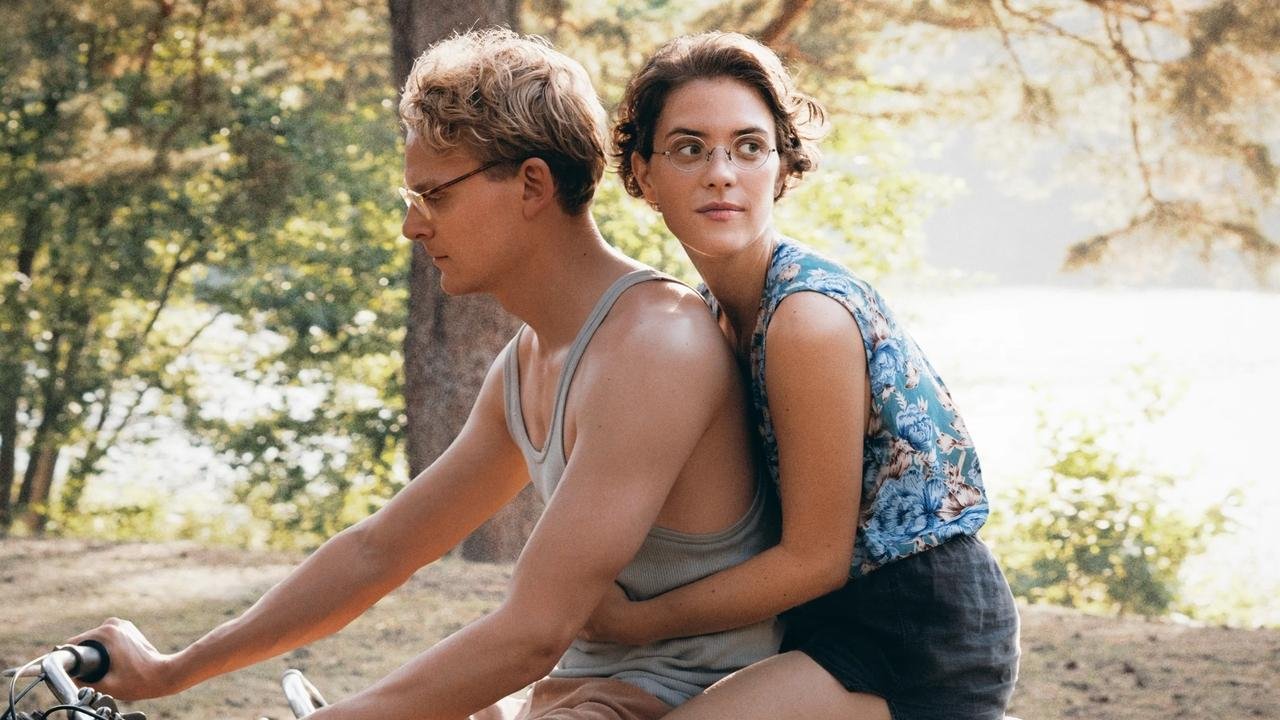
Andreas Dresen's biopic of Hilde Coppi (a young Berlin resistance fighter executed by the Nazis in 1943) won the Lola for Best Film in Bronze and delivered a breakout performance from Liv Lisa Fries, who earned Best Actress for a role that required her to carry enormous emotional weight with restraint and dignity. Alexander Scheer won Best Supporting Actor for his portrayal of Hilde's husband.
Dresen resists the temptation to make a monument. Instead, From Hilde, With Love is intimate and tender, focusing on the human cost of resistance rather than its heroism, a love story interrupted by history, told with a gentle hand. Screenwriter Laila Stieler earned a Lola nomination for her carefully layered script.
6. Hysteria
Dir. Esen Işık · Drama / Thriller · Berlinale 2025
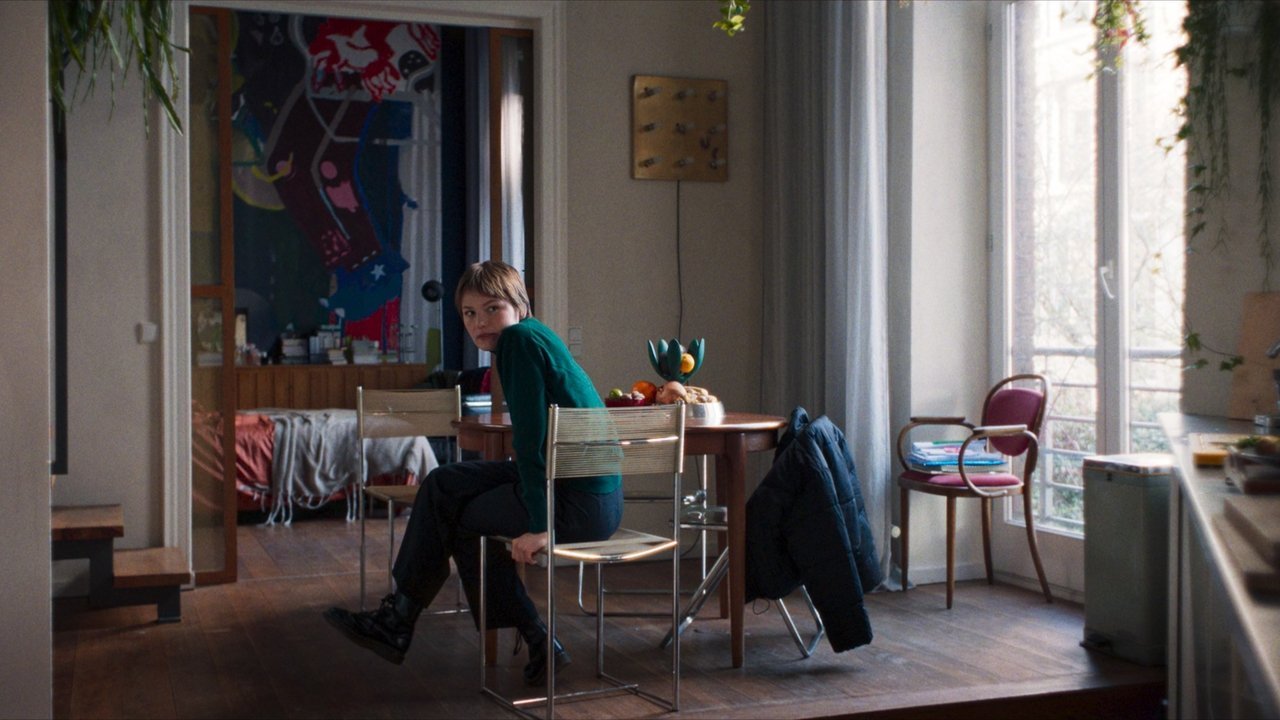
The standout German film of the 2025 Berlinale, according to the BFI, Hysteria is a politically charged whodunnit that explores the complex relationship between second-generation Germans and their Islamic heritage. Drawing comparisons to Michael Haneke's Hidden (there's even a scene where a giant Haneke book is used as a doorstop), the film is at once a brilliantly constructed thriller and a sharp satire of German cinema's own diversity politics.
It touches on class privilege, the moral price of artistic integrity, and the hypocrisies of a cultural industry that proclaims inclusivity while gatekeeping access. Bold, intelligent, and confrontational, this is the kind of film that German cinema needs more of.
7. Köln 75
Dir. Ido Fluk · Drama / Music · Berlinale Special Gala
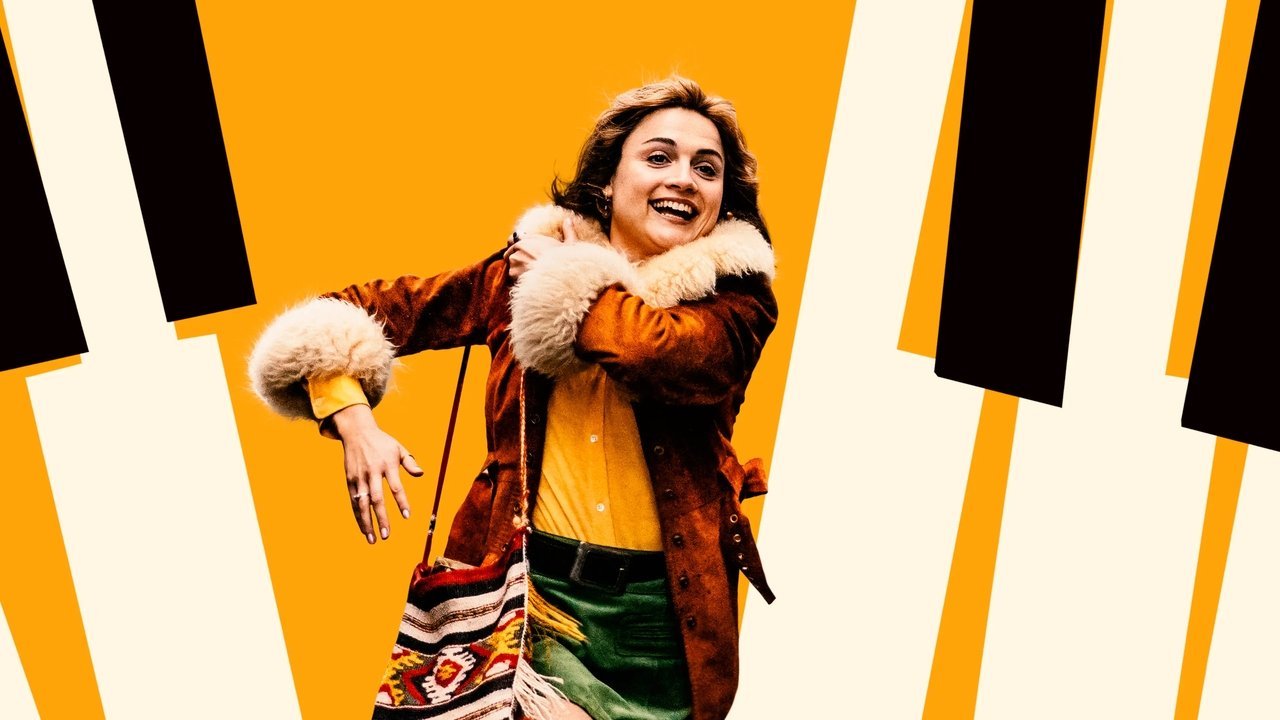
The true story behind one of the best-selling jazz records of all time: Keith Jarrett's legendary 1975 Köln Concert. The film centres on Vera Brandes, a rebellious teenage concert promoter in Cologne who risked everything to make the event happen, a concert that almost didn't occur and went on to sell four million copies.
John Magaro plays Jarrett, while Mala Emde brings fierce energy to Brandes, a young woman pushing against every boundary the 1970s music industry put in her way. Köln 75 premiered as a Berlinale Special Gala and was one of Germany's splashiest homegrown premieres of the year. It's a crowd-pleaser in the best sense, a film about what happens when belief, stubbornness, and pure chance collide.
8. Islands
Dir. Jan-Ole Gerster · Drama · Berlinale Special Gala
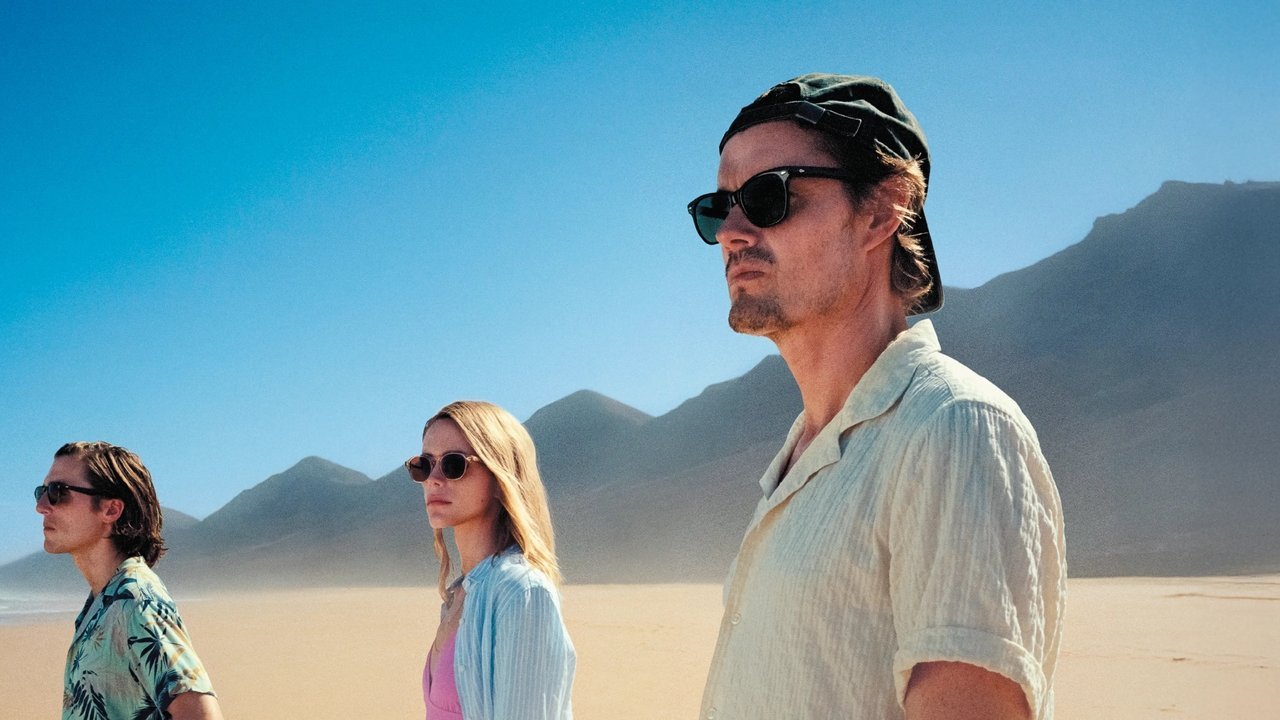
Jan-Ole Gerster, who made a splash with the Berlin-set Oh Boy over a decade ago, returned with Islands, a sun-drenched, quietly unsettling drama about a tennis coach on Fuerteventura whose carefully constructed life is disrupted by a guest's sudden disappearance. The film was nominated for the Lola for Best Film and won the German Film Award for Best Score, with Dascha Dauenhauer's music perfectly complementing the film's atmosphere of creeping unease beneath Mediterranean warmth.
Gerster has a gift for finding strangeness in ordinary settings, and Islands is his most controlled work to date, a slow-burn character study that lingers well after the credits.
9. Silent Friend
Dir. Ildikó Enyedi · Drama · Venice Competition · FIPRESCI Prize
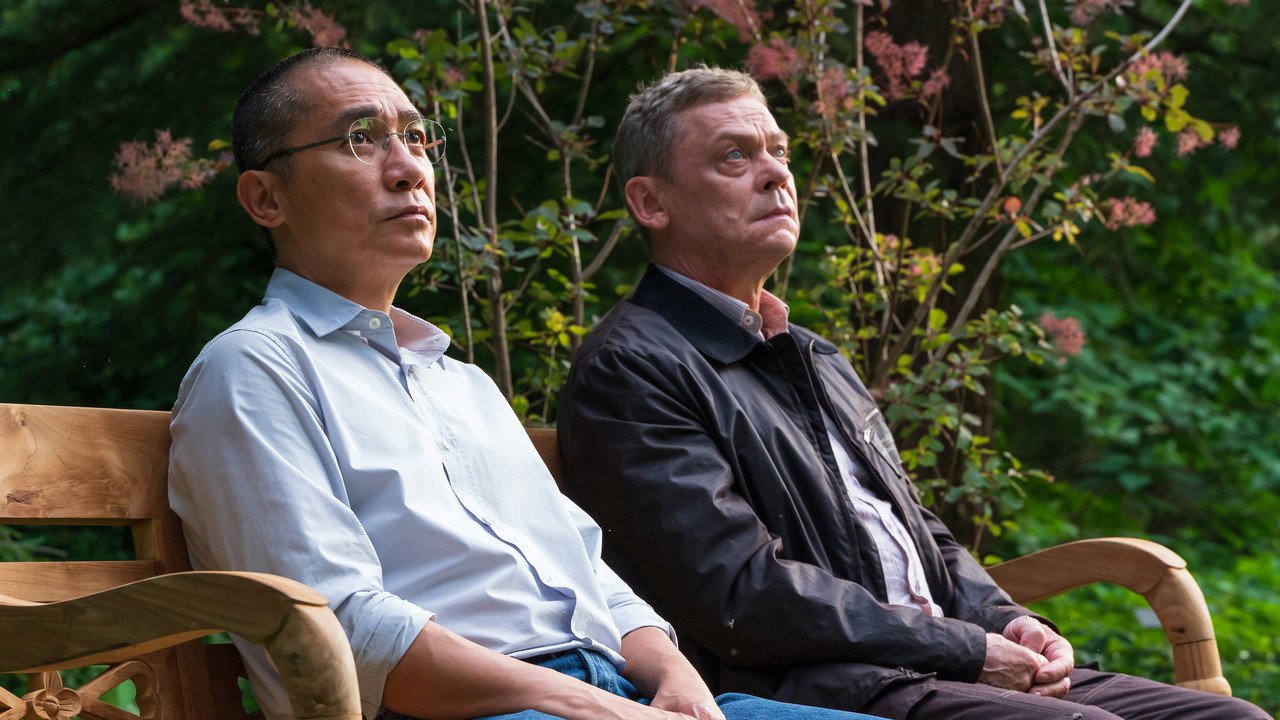
Ildikó Enyedi followed On Body and Soul, her Golden Bear winner, and The Story of My Wife with a German-led co-production shot largely in Marburg's old botanical garden. Silent Friend takes a ginkgo tree that has stood on the university grounds since the eighteenth century and builds three stories around it, set decades apart: a neurobiologist studying plant perception in the present, a student in 1972, and a woman in 1908 barred from the lecture halls she wants to sit in. Tony Leung Chiu-wai leads the contemporary strand, a rare European production for the Hong Kong star, alongside Léa Seydoux, Luna Wedler and Sylvester Groth.
It premiered in competition at Venice, where it took the FIPRESCI Prize and won Luna Wedler the Marcello Mastroianni Award for best emerging performer. Critics were close to unanimous, 96% on Rotten Tomatoes and 90 on Metacritic, praising Enyedi's patience and the film's unusual proposition that a tree can hold the centre of a narrative. At 147 minutes it asks for time, and gives something back for it.
10. Riefenstahl
Dir. Andres Veiel · Documentary · EFA Shortlisted
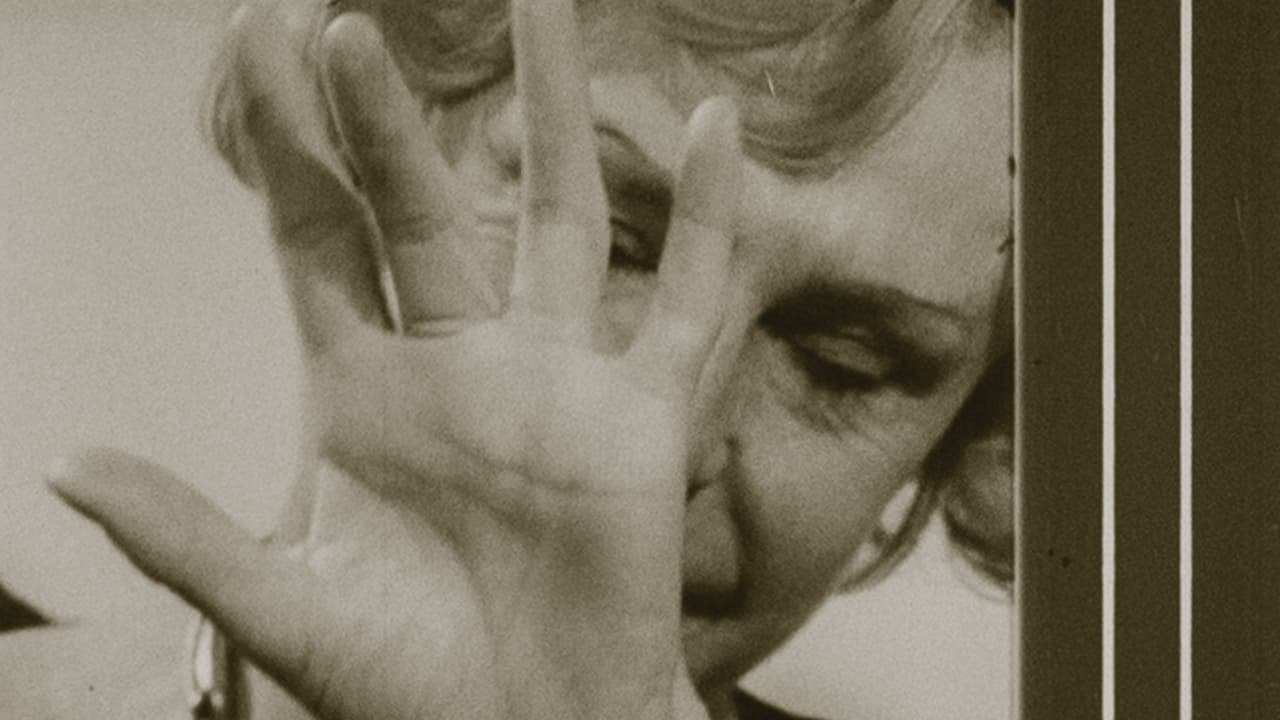
Andres Veiel's documentary takes a fresh look at one of cinema's most uncomfortable figures: Leni Riefenstahl. Is she a creative genius, a political victim, or a willing participant in Nazi propaganda? Veiel doesn't offer easy answers, instead constructing a portrait through archival montage that follows Riefenstahl from youth to old age, including footage of an elderly woman who, even in her final years, manipulated camera angles to ensure a more flattering appearance.
Shortlisted for the European Film Awards and nominated for the Lola for Best Documentary, Riefenstahl is a film about the relationship between art and power that feels disturbingly current. It won the Petra Kelly - Act Now! award at the German Film Awards, underscoring its political resonance.
A Year That Proved German Cinema Is Listening
What emerges from this list is a German film industry that is, at its best, deeply engaged with the present while being unafraid to interrogate the past. From Schilinski's century-spanning farmhouse epic to Veiel's unflinching look at Riefenstahl, from Rasoulof's exile thriller to Petzold's Cannes-bound novella, the range is remarkable.
The political undercurrents were impossible to ignore. Several Lola winners used their speeches to call out the rise of the far-right AfD. Panahi received a standing ovation at the EFAs in Berlin. And Işık's Berlinale standout turned its satire on German cinema's own diversity politics, from the inside.
German cinema in 2025 wasn't just making films. It was making arguments, about memory, identity, resistance, and the stubborn, irreplaceable value of telling stories that matter. If you've been sleeping on German film, this is the year to wake up.
For a broader picture of European cinema in the same year, see our round-up of the 10 Must-Watch European Films of 2025. And if the Weimar-era setting of Babylon Berlin has piqued your interest in Germany as a backdrop for crime, our 10 Must-Watch European Crime Series is the natural next stop.
For more in this vein, see also our 10 Must-Watch German Crime Series and the all-time companion to this year-in-review, our 10 Must-Watch German Films.