From the foundations of German Expressionism to the new wave of Cannes-laureled body horror, ten essential European horror films from the most philosophically restless tradition in genre cinema.
Horror is the oldest cinematic genre with a continuous European tradition. The German Expressionists invented the visual vocabulary of screen horror in the 1920s; the Italian giallo of the 1960s and 1970s redefined it; the Spanish, Belgian, French, and Scandinavian directors of the past two decades have continued the line. European horror tends to be more interested in atmosphere than in scares, more interested in dread than in jolts, and more politically and philosophically engaged than its American equivalent. The recent Cannes wins for Julia Ducournau and Coralie Fargeat have confirmed that horror is now a fully respectable container for the most ambitious European filmmaking.
This list spans 104 years and includes a Palme d'Or winner, multiple Goya and BAFTA winners, and several films routinely cited on greatest-of-all-time horror polls. Whether you're new to European horror or filling in the gaps, here are ten films you need to watch.
1. The Cabinet of Dr. Caligari (1920)
Dir. Robert Wiene · Germany · Horror / Mystery / Thriller
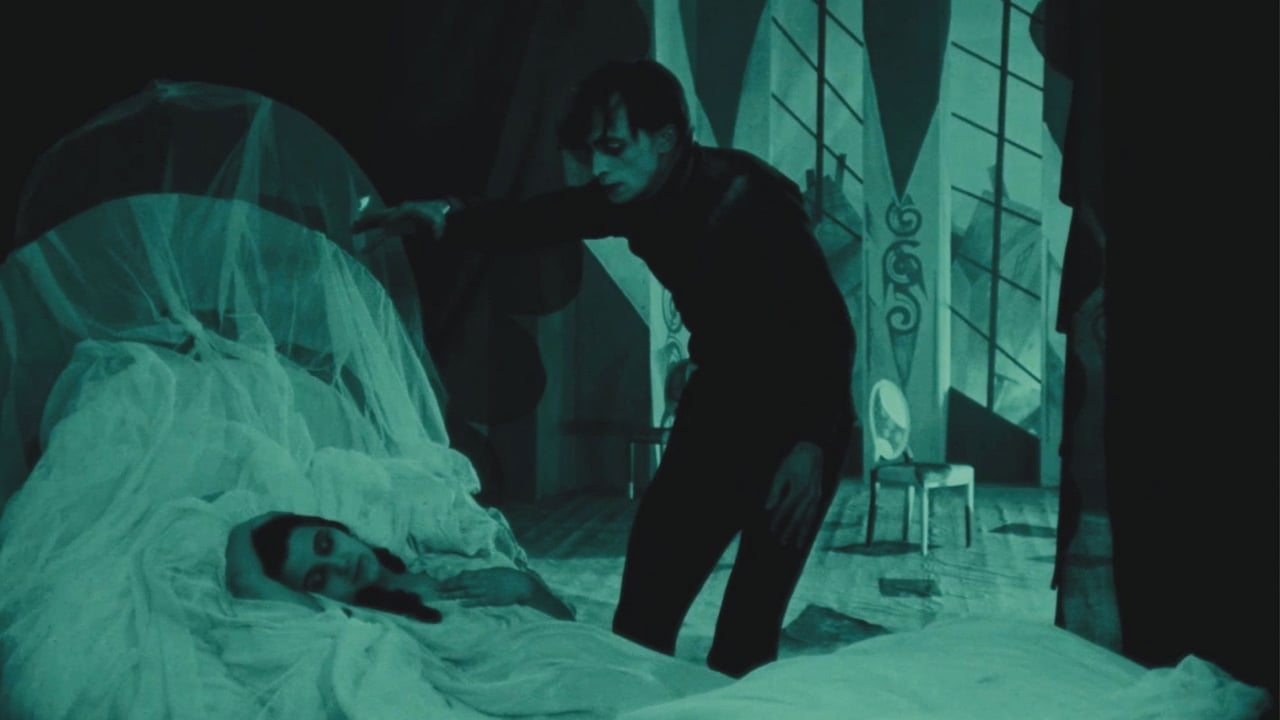
The founding text of cinematic horror and one of the most visually radical films ever made. Robert Wiene's silent feature, with sets designed by the Expressionist painters Hermann Warm, Walter Reimann, and Walter Röhrig, told the story of a sinister hypnotist and his somnambulist instrument with the slanted, painted-on shadows of the German Expressionist theatre.
The film established the visual grammar for almost every horror film that followed: the asylum, the unreliable narrator, the world as a fevered projection. Werner Krauss's Caligari and Conrad Veidt's Cesare became archetypes that still appear, recognisably, in contemporary horror. Almost every subsequent generation of horror filmmakers — from Tim Burton to Guillermo del Toro — has cited it as a foundational text.
2. Nosferatu (1922)
Dir. F. W. Murnau · Germany · Horror
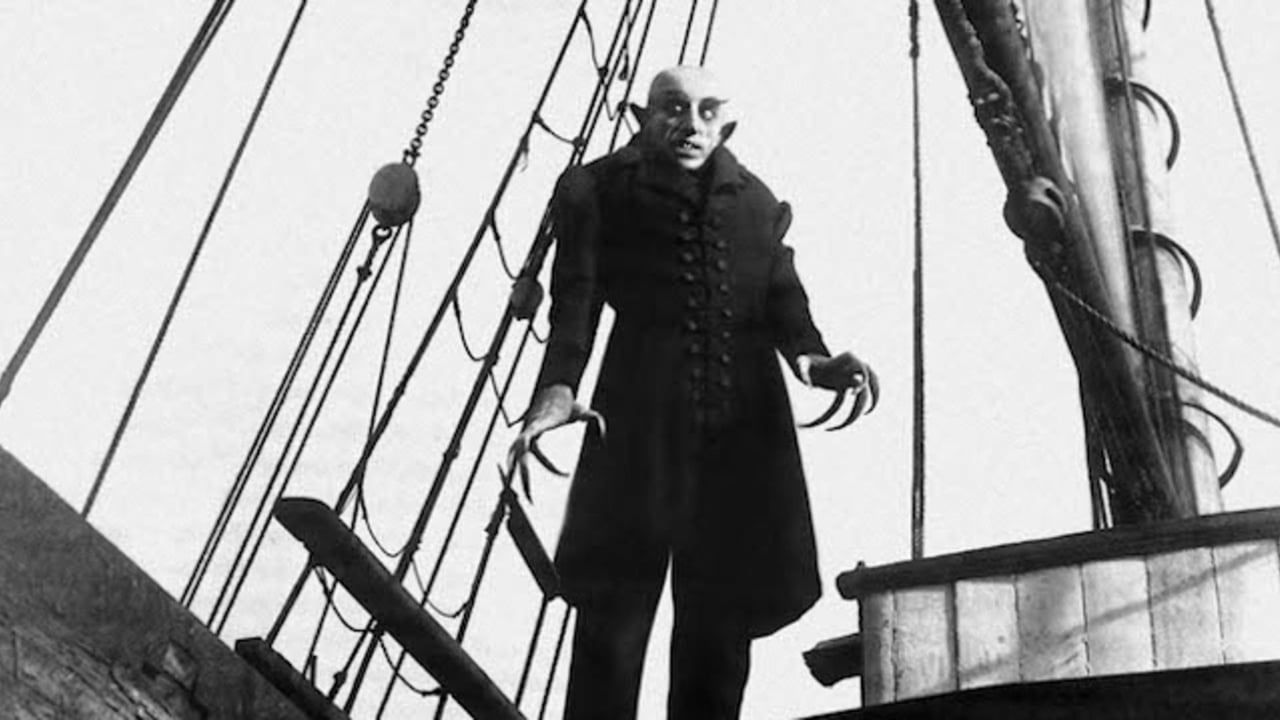
F. W. Murnau's unauthorised adaptation of Dracula remains, by some distance, the most genuinely uncanny vampire film ever made. Max Schreck's Count Orlok — pale, rat-like, with the long fingers and pointed ears that have become iconic — is a creature that none of the dozens of subsequent screen vampires have come close to surpassing.
Bram Stoker's widow successfully sued the production for copyright infringement, with the result that almost all prints of the film were ordered destroyed; the surviving copies, recovered from European archives over the following decades, allow us to see one of the most important horror films ever made. Murnau would go on to make Sunrise for Fox in Hollywood; this is the film that established his international reputation.
3. Don't Look Now (1973)
Dir. Nicolas Roeg · UK / Italy · Horror / Mystery / Drama / Thriller
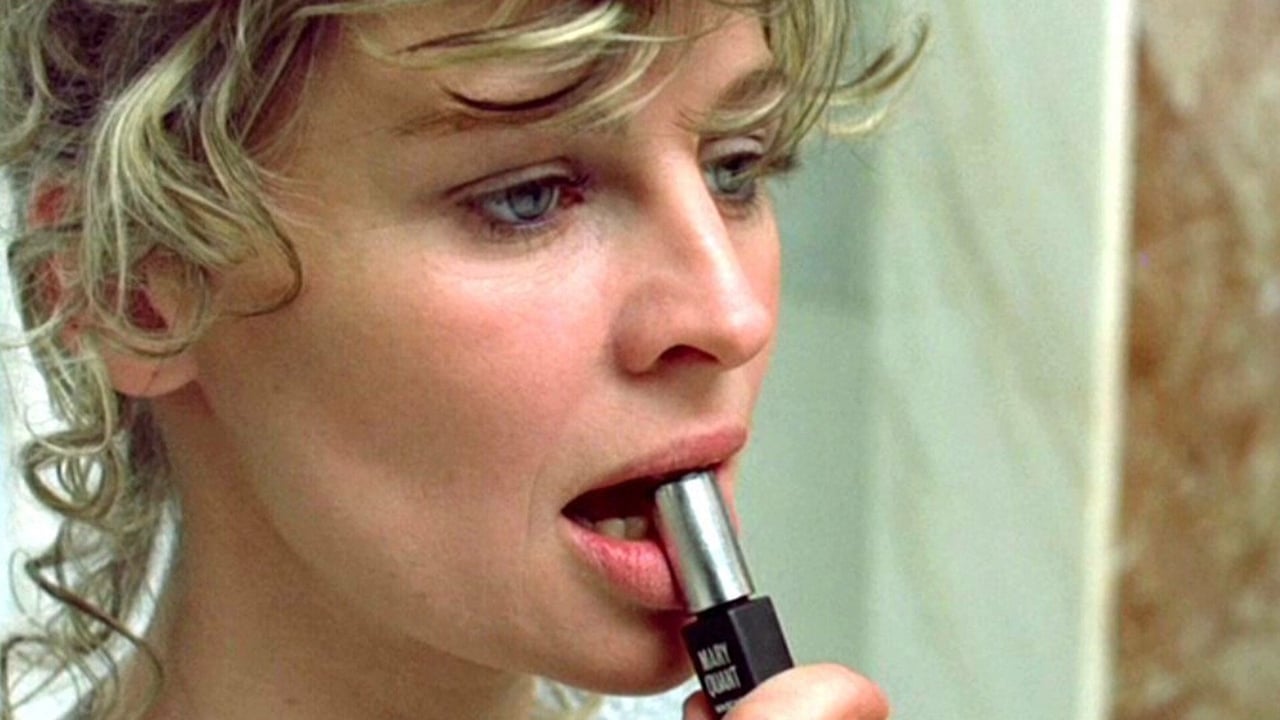
An English couple (Donald Sutherland and Julie Christie) take up a restoration job in Venice in the months after the death of their young daughter. Nicolas Roeg's adaptation of Daphne du Maurier's short story is one of the most formally radical films ever made within the horror tradition: cut against itself, full of premonition and visual rhyme, told in fragments that the viewer is required to assemble.
Roeg, a former cinematographer, photographs Venice in a way no other film has matched: a city of red and grey, of empty canals and unexpected stairways, of dread that builds without ever quite naming itself. The film has been cited as a primary influence by Christopher Nolan, Steven Soderbergh, and Lynne Ramsay. A masterclass in how editing creates meaning.
4. Suspiria (1977)
Dir. Dario Argento · Italy · Horror / Mystery
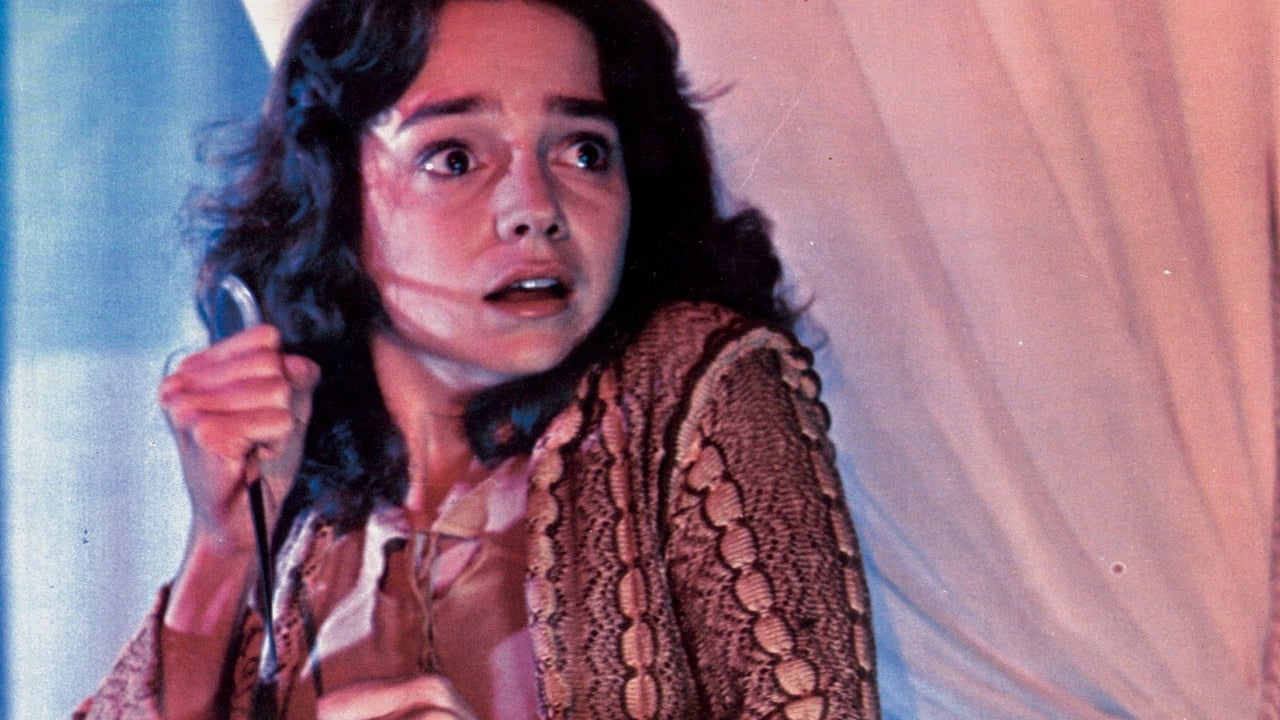
An American ballet student (Jessica Harper) arrives at a prestigious Freiburg dance academy that turns out to be the centre of a coven of witches. Dario Argento's most accomplished film is the highest expression of the Italian giallo tradition: saturated reds, blues, and greens; long passages of pure visual abstraction; and a Goblin score that has become one of the most recognisable in horror history.
The film was photographed in three-strip Technicolor (Italy's last feature shot in the format) which accounts for the supersaturated palette no subsequent film has quite matched. Luca Guadagnino's 2018 remake is interesting on its own terms; this is the original and the indispensable version. A film that operates entirely on the level of dream logic.
5. Possession (1981)
Dir. Andrzej Żuławski · France / Germany · Drama / Horror / Mystery
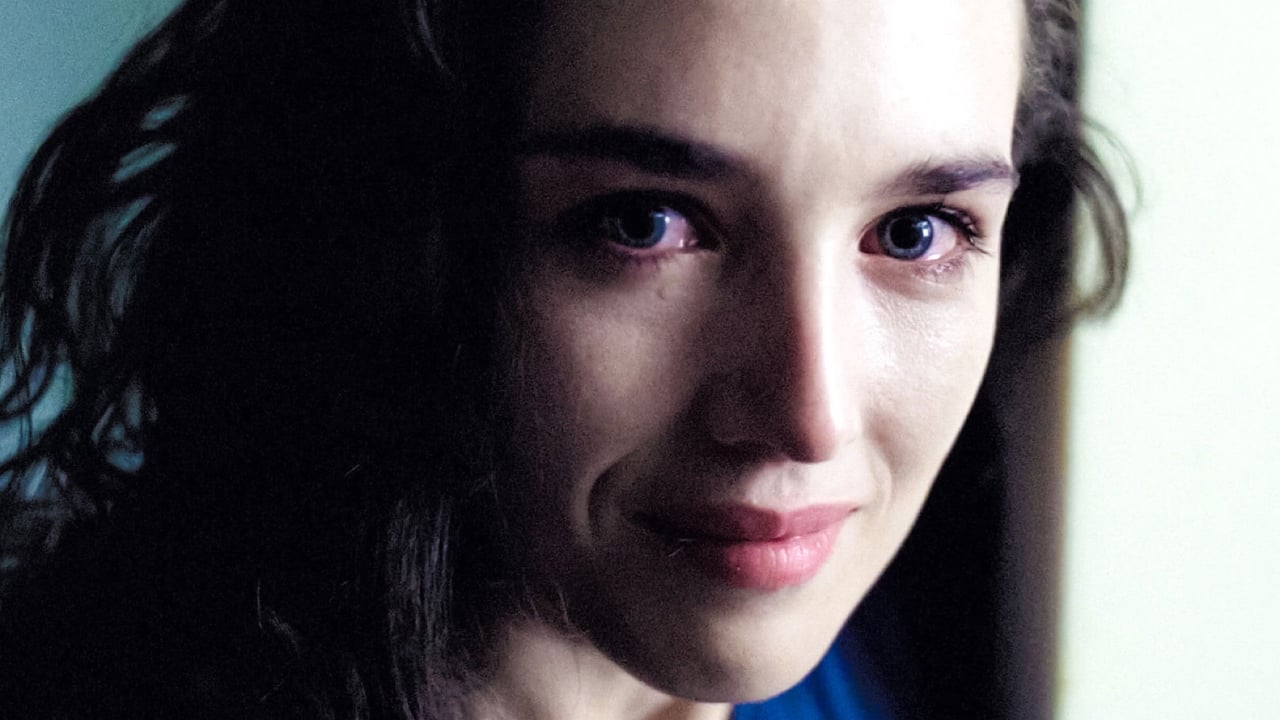
Andrzej Żuławski's Cold War-era Berlin film is one of the most extreme works of European horror ever made. Sam Neill plays a husband returning from a long espionage assignment to find his wife (Isabelle Adjani, in the most committed performance of her career) demanding a divorce for reasons she cannot articulate. The film descends into something that resists easy generic description.
Adjani won Best Actress at Cannes for the role and a César; the film was banned in the UK for over a decade as one of the original "video nasties". A 2025 4K restoration has finally given the film the international circulation it deserves. A piece of horror cinema operating at a register of pure psychological extremity. Often imitated, rarely matched.
6. Funny Games (1997)
Dir. Michael Haneke · Austria · Drama / Horror / Thriller
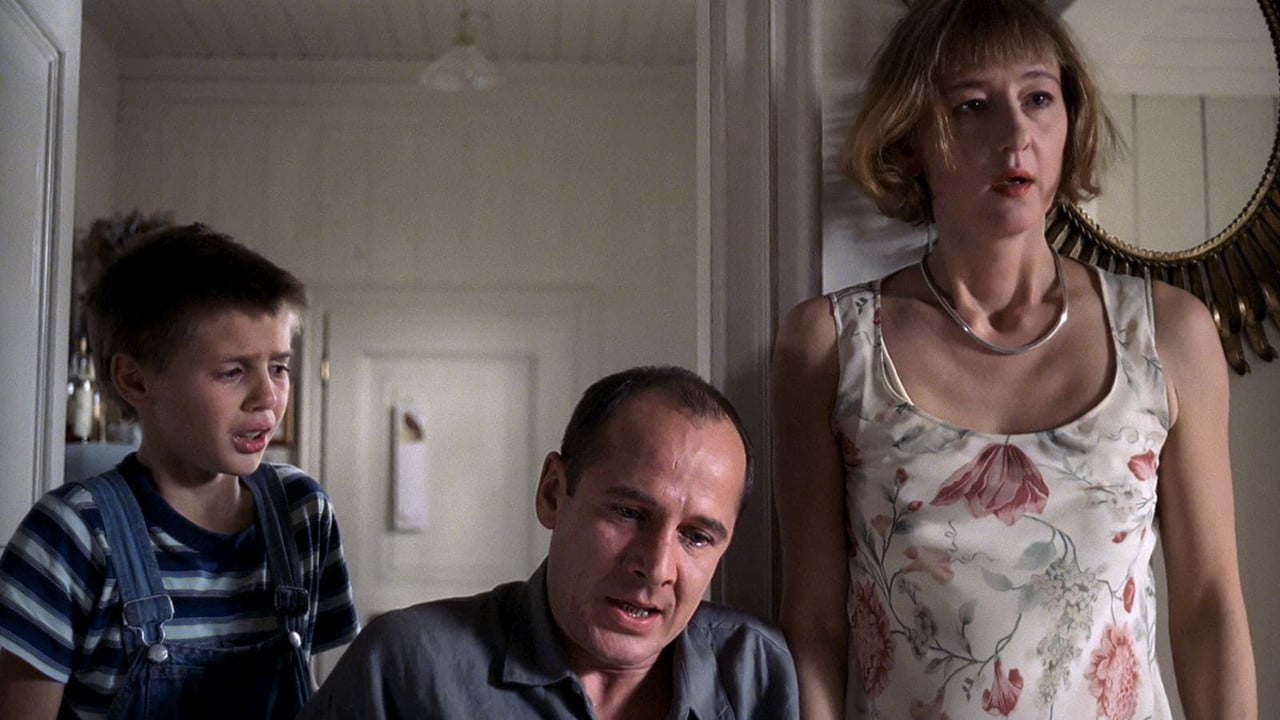
An upper-middle-class Austrian family arrives at their lakeside holiday home. Two young men in tennis whites (Arno Frisch and Frank Giering) appear at the door with a polite request to borrow some eggs. Michael Haneke's film is one of the most rigorous works of European horror, and one of the most uncomfortable films ever made about the audience's appetite for screen violence.
Haneke remade the film in English in 2007 with Naomi Watts and Tim Roth, producing a virtually shot-for-shot reconstruction. The original is the more brutally efficient version. Whether it counts as horror or as a piece of philosophical anti-genre cinema is genuinely debatable; that it has been one of the most discussed European films of the past three decades is not.
7. The Orphanage (2007)
Dir. J. A. Bayona · Spain / Mexico · Horror / Drama / Mystery
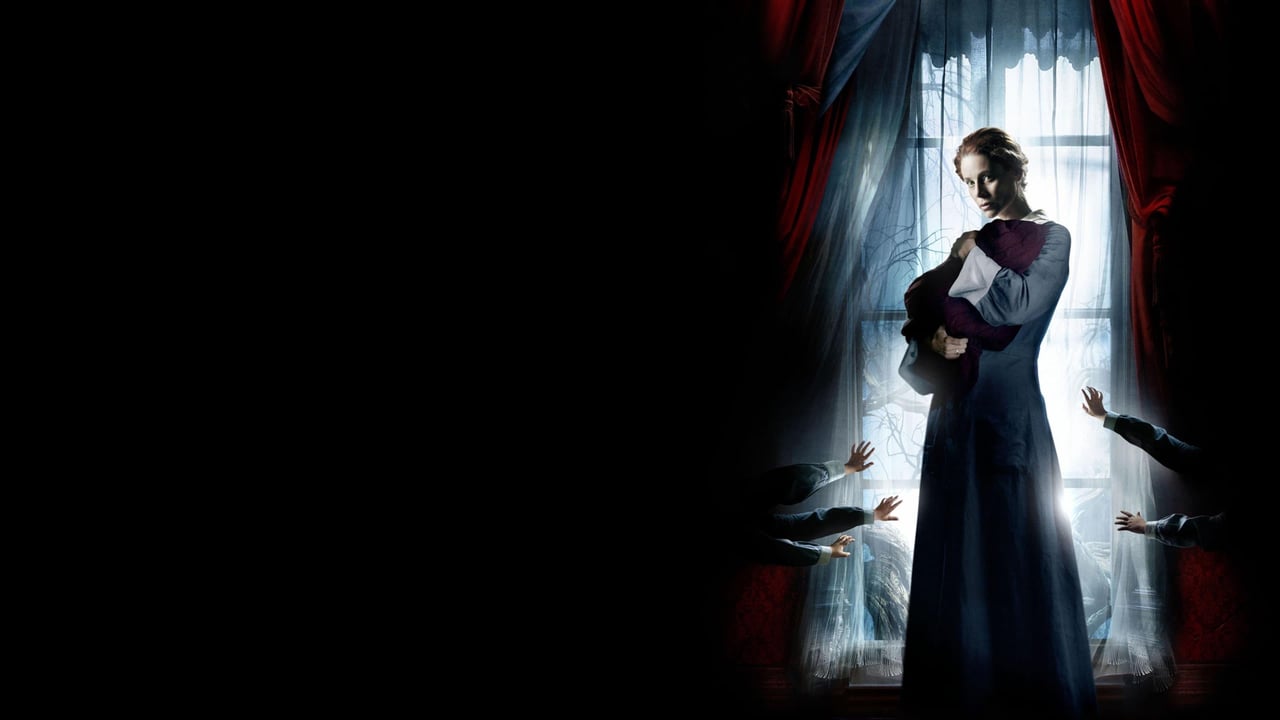
J. A. Bayona's debut feature was produced by Guillermo del Toro and emerged as the most accomplished Spanish horror film of its decade. Belén Rueda plays Laura, a woman who returns with her husband and adopted son to the seaside orphanage where she grew up, intending to reopen it as a home for children with disabilities.
The film won seven Goyas (including for first feature) and made Bayona's international career. Sergio G. Sánchez's screenplay treats the genre with absolute seriousness, in a Spanish horror tradition that prefers atmosphere and grief to jump scares. A film with a genuine emotional architecture beneath its careful frights, and one of the strongest entries in the haunted-house tradition since the 1970s.
8. Let the Right One In (2008)
Dir. Tomas Alfredson · Sweden · Horror / Drama / Romance
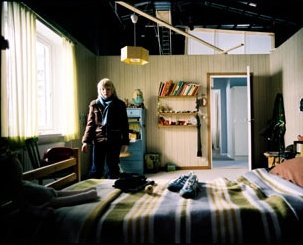
A bullied twelve-year-old boy (Kåre Hedebrant) in 1980s suburban Stockholm strikes up a friendship with a strange new neighbour (Lina Leandersson) who only appears at night. Tomas Alfredson's adaptation of John Ajvide Lindqvist's novel is one of the most quietly heartbreaking horror films of the past twenty years.
The film won the Saturn Award for Best International Film and a long list of European citations. Its restrained, snowbound aesthetic — quiet courtyards, long silences, the dirty white light of a Swedish winter — has been hugely influential on subsequent Scandinavian and international horror. Matt Reeves's English-language remake (Let Me In, 2010) is competent; the original is a genuine modern masterpiece.
9. Raw (2016)
Dir. Julia Ducournau · France / Belgium · Drama / Horror
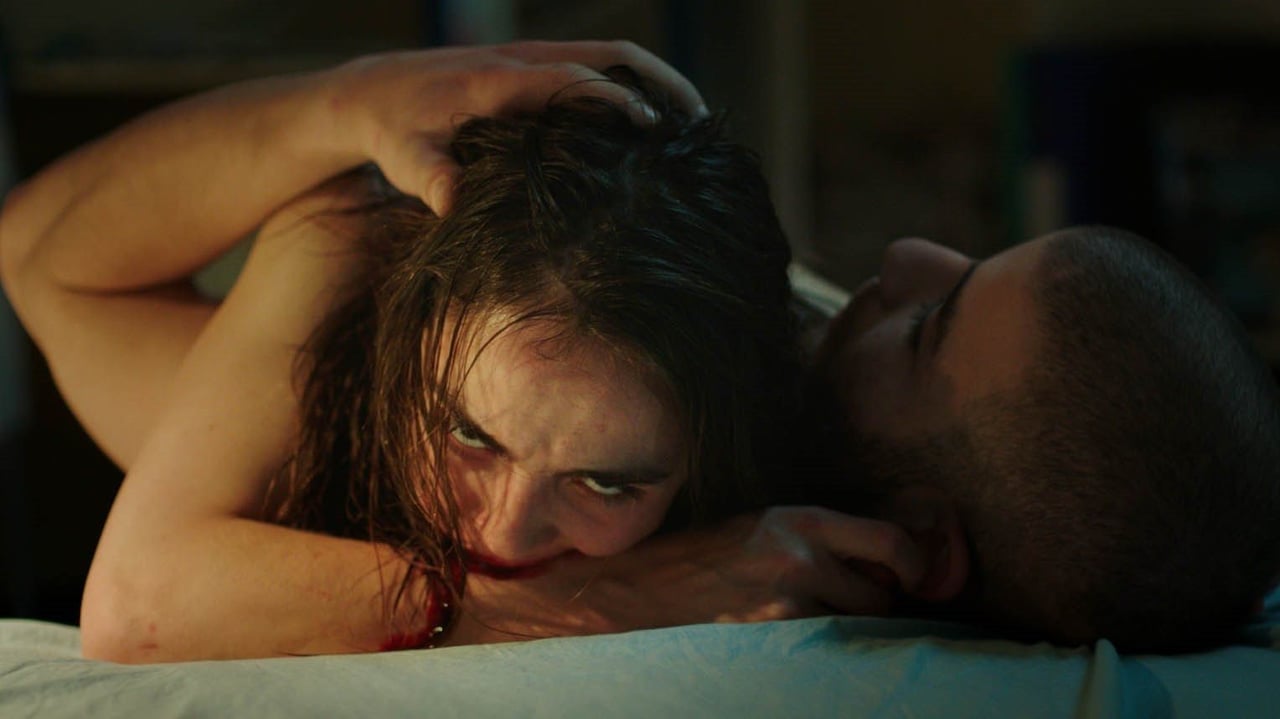
Julia Ducournau's debut feature is set at a French veterinary college where a vegetarian first-year student (Garance Marillier) is forced, as part of an initiation ritual, to eat raw meat for the first time. What follows is one of the most visceral coming-of-age films ever made, and the work that announced Ducournau as one of the most important young directors in European cinema.
The film won the FIPRESCI Prize at Cannes and a long list of subsequent prizes; it was also the source of one of the most circulated festival anecdotes of the year (paramedics reportedly attending screenings to assist audience members fainting in their seats). Whatever the reality of those reports, the film itself is a piece of writing and direction of remarkable confidence. The launching point for Ducournau's subsequent career.
10. Titane (2021)
Dir. Julia Ducournau · France · Horror / Drama
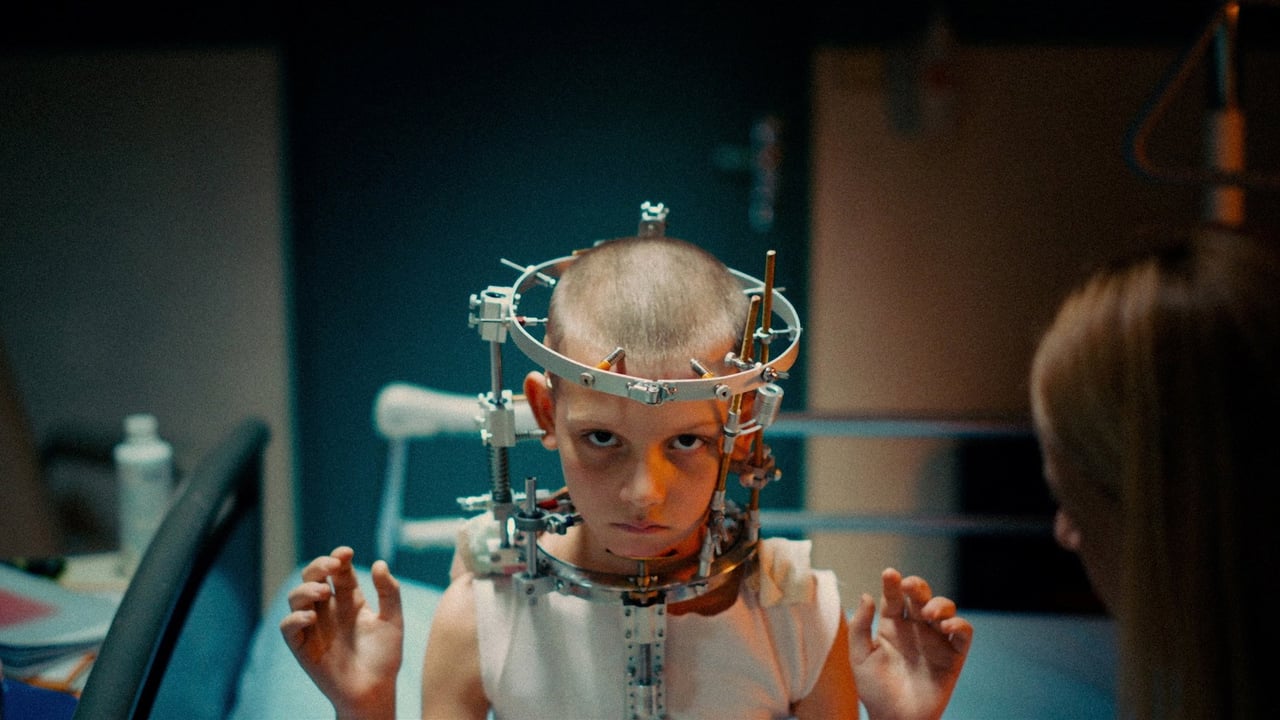
Julia Ducournau's second feature won the Palme d'Or at Cannes 2021, making her only the second woman in the festival's history to win the award outright. Agathe Rousselle plays Alexia, a young French woman with a titanium plate in her skull from a childhood accident, who works as a dancer at car shows and whose life takes a series of progressively stranger turns.
The film was the most divisive Palme winner of recent decades, but the consensus on its formal ambition has only grown over time. Vincent Lindon's supporting performance, as a fire chief drawn into the film's later sections, is one of the most disciplined of his career. A film that resists every classification it is offered. The most ambitious horror film of the 2020s so far.
The European Horror Tradition
What unites these ten films, despite the century of cinema history between the earliest and the latest, is a willingness to use horror as a serious vehicle for philosophical, political, and psychological inquiry. The Cabinet of Dr. Caligari is finally about the political instability of Weimar Germany. Funny Games is finally about the audience itself. Titane is finally about embodiment, gender, and family.
The other through-line is craft. European horror, at its best, has been the most visually inventive of the genres. Argento's Technicolor in Suspiria; the Expressionist painted sets of Caligari; the impossibly beautiful Venice of Don't Look Now; the wintery Stockholm of Let the Right One In — these are films whose imagery has populated the dreams of every subsequent generation of filmmakers.
Honourable Mention: The Substance (2024)
Dir. Coralie Fargeat · France / UK · Horror / Sci-Fi / Drama

Coralie Fargeat's body-horror satire of the entertainment industry, with Demi Moore and Margaret Qualley, won Best Screenplay at Cannes 2024 and was nominated for five Academy Awards including Best Picture. Made by a French director, in English, with international financing — the kind of cross-border genre filmmaking that European horror is now producing at scale. Worth seeing alongside the Ducournau films at the top of this list.
Where to Start
If you're new to European horror, Let the Right One In and The Orphanage are immediately accessible and showcase the genre's contemporary emotional range. For something more demanding, Don't Look Now and Suspiria are the foundational works of the past fifty years. For the most ambitious recent release, Titane is the most rewarding entry on this list — though it is also the most challenging.
If you enjoyed this list, explore our companion guides — our 10 Must-Watch French Crime Films and our 10 Must-Watch Italian Films. For Coralie Fargeat's The Substance and the wider 2024 vintage, see our 10 Must-Watch European Films of 2024.
For films that work on the nerves without crossing into horror proper, including Joachim Trier’s Thelma, see our 20 Must-Watch European Thrillers.