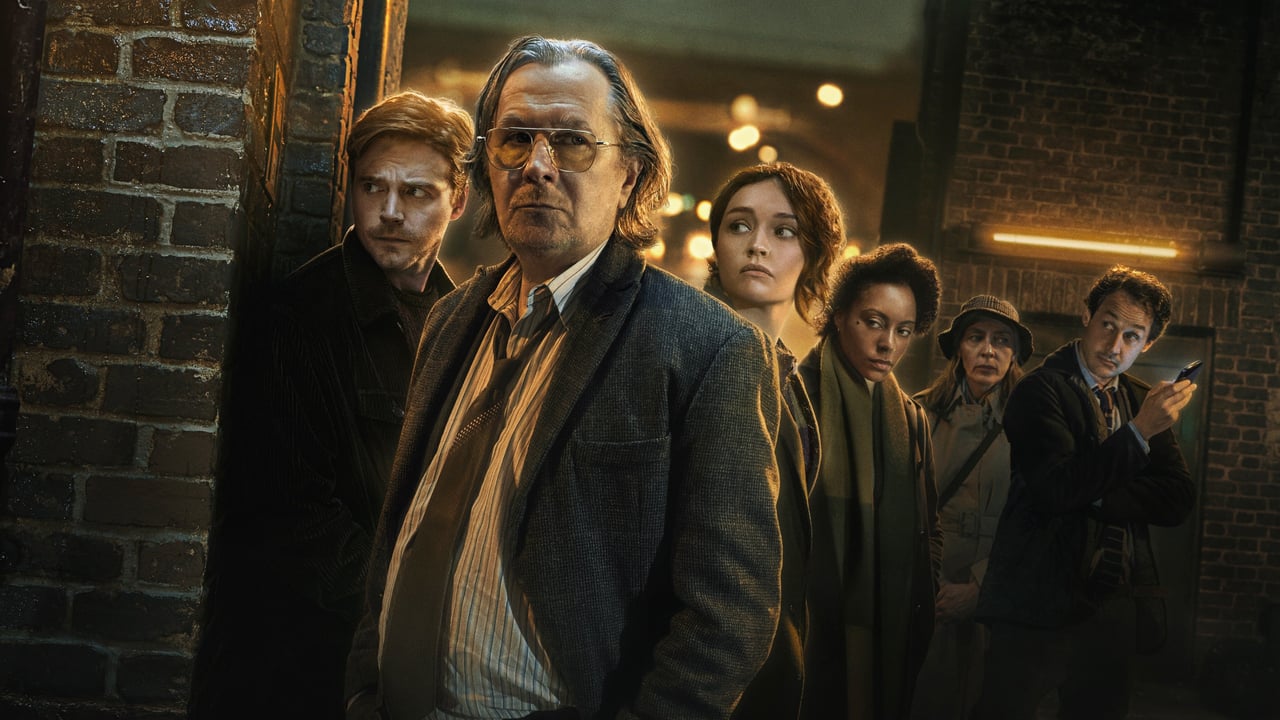
From Scandinavian noir to French procedurals and British police drama, ten series that redefined what crime television could be.
American crime TV gave us the antihero and the prestige procedural. European crime television gave us something different: the long winter light of Copenhagen, the rain-soaked streets of Belfast, the labyrinthine bureaucracy of the Paris justice system. European crime series tend to be slower, more atmospheric, and more interested in society than in spectacle. They ask what produces crime as much as who committed it. And they are, quite simply, some of the finest television ever made.
This list spans four countries and nearly two decades. Whether you're new to Nordic noir or looking for your next obsession after finishing Line of Duty for the third time, here are ten series you need to watch.
1. The Killing (2007)
Dir. Søren Sveistrup · Denmark · Crime / Drama
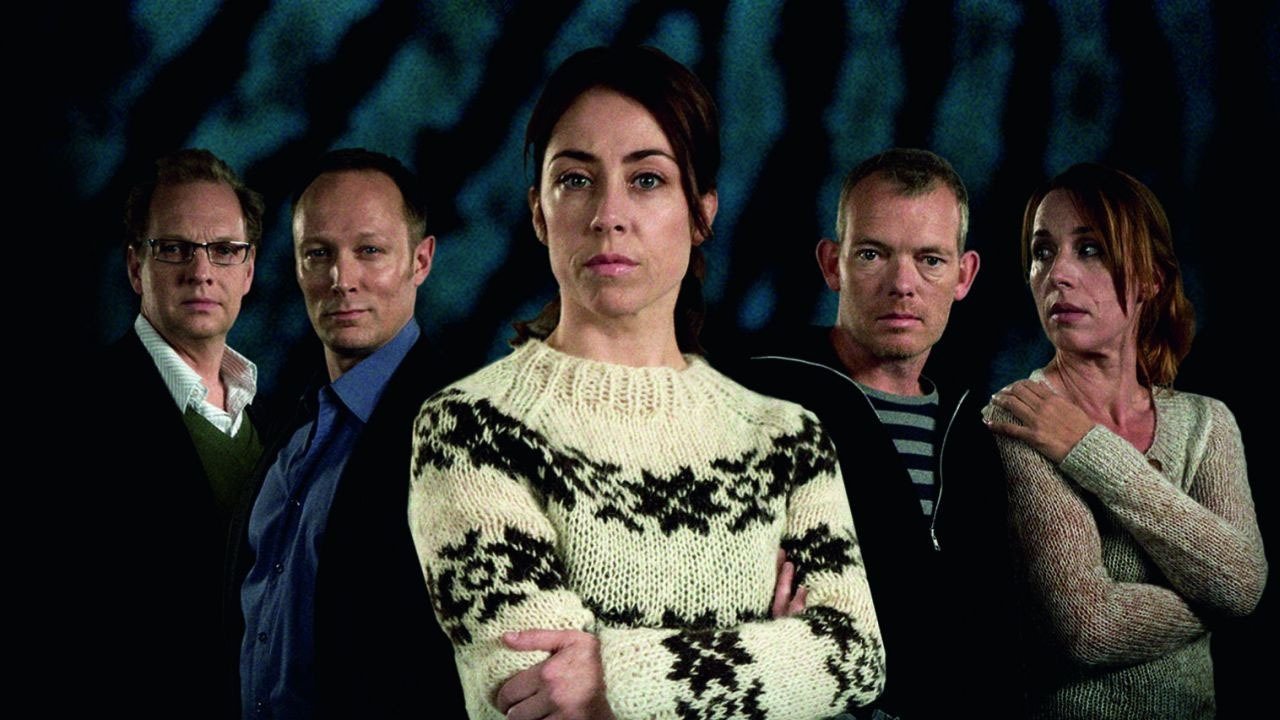
The series that launched a thousand imitations, and still hasn't been equalled. Sarah Lund is one of the great creations of 21st-century television: obsessive, socially awkward, morally absolute, perpetually wearing a Faroese jumper. DR's The Killing unfolds one murder case across twenty episodes, interweaving the investigation with the political and family fallout it sets in motion.
What set it apart in 2007 was its refusal to rush. Each episode covers a single day. The camera lingers on faces. Silence is allowed to breathe. The result was television that felt genuinely novelistic, and that showed the rest of the world how to do slow-burn crime drama. Three seasons, each better than the last.
2. The Bridge (2011)
Dir. Hans Rosenfeldt · Denmark / Sweden · Crime / Drama
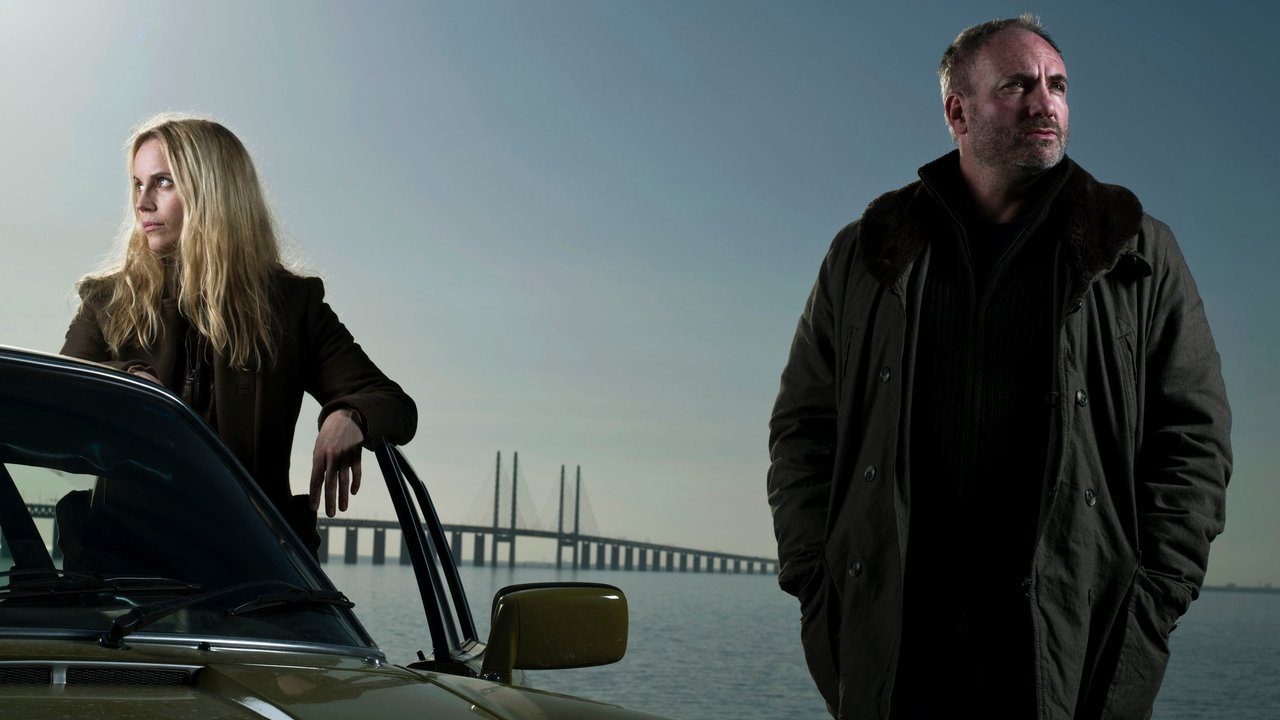
A body is found on the exact midpoint of the Øresund Bridge between Denmark and Sweden, which means two detectives from two countries must share the case. What follows is not just a gripping whodunnit but a study in contrasts: the methodical, blunt Swedish detective Saga Norén alongside the warmer, more instinctive Danish Martin Rohde. Their partnership is one of the great double acts in crime television.
Sofia Helin's portrayal of Saga (a character written with traits consistent with autism, though never labelled) is extraordinary: precise, alien, oddly moving. The series is also sharply political, using its crimes to explore contemporary anxieties about immigration, inequality, and identity across the Nordic region. Four seasons, endlessly rewatchable.
3. Wallander (2005)
Dir. Various · Sweden · Crime / Drama
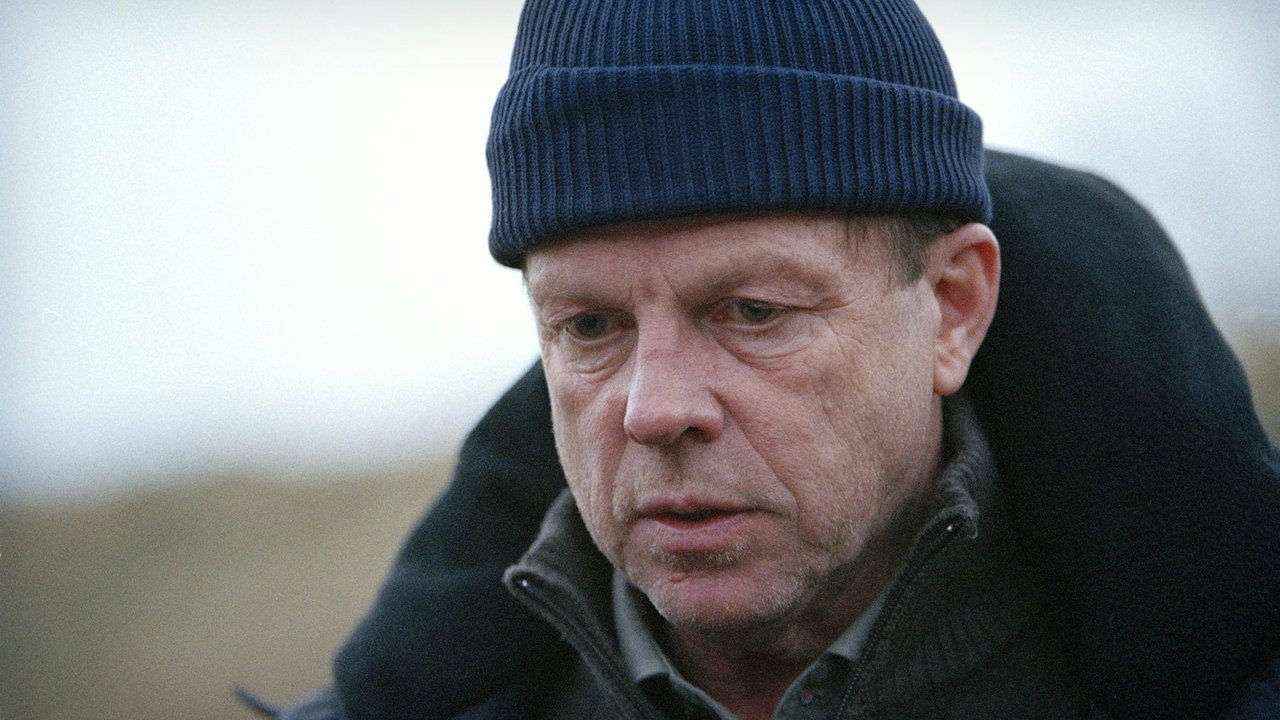
Before the BBC remake with Kenneth Branagh, there was the Swedish original, and it remains the definitive version. Krister Henriksson's Wallander is quieter, more worn, more recognisably human than his British counterpart. The Ystad that surrounds him feels genuinely provincial: a small Swedish town where violent crime arrives as a rupture in an otherwise orderly world.
Henning Mankell's novels are the source, but the series transcends adaptation. It is less interested in the mechanics of detection than in what a life of witnessing violence does to a person. By the final season, Wallander is a man diminished by his work, and Henriksson plays that diminishment with quiet heartbreak. If you've only seen the BBC version, watch this, it's a different and in many ways superior experience.
4. Spiral (2005)
Dir. Alexandra Clert · France · Crime / Drama
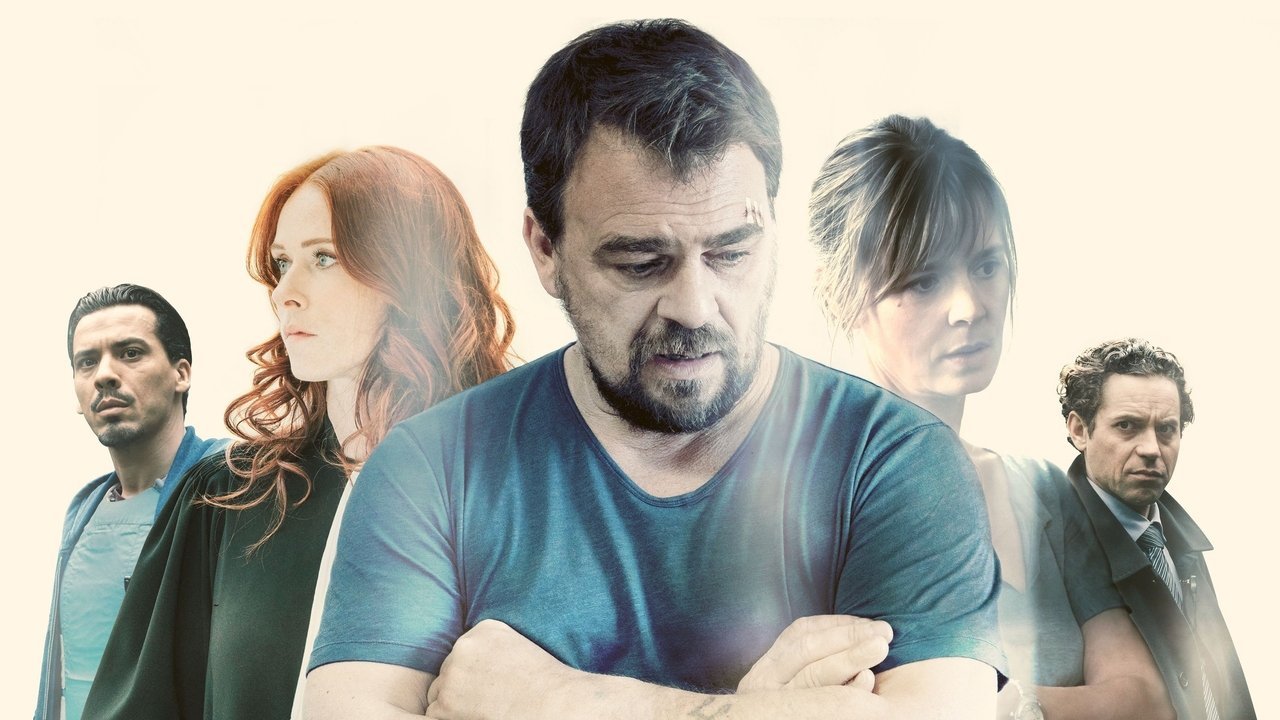
Eight seasons across fifteen years, and Spiral never lost its nerve. The French series is unique in following not just the police but every strand of the Paris criminal justice system simultaneously: the investigators, the prosecution, the investigating judge, and the defence lawyers. The result is a portrait of a system that is, at every level, under pressure, moral, institutional, and personal.
Caroline Proust's Captain Laure Berthaud is the series' soul: fierce, compromised, irresistible. Thierry Godard as Gilou provides the chaos. The show is procedurally dense (it rewards attention) and it is unflinching in its portrayal of what justice looks like when the machinery is strained almost to breaking point. Essential French television, and the best argument for why the Nordic countries don't have a monopoly on crime drama.
5. Babylon Berlin (2017)
Dir. Tom Tykwer, Achim von Borries, Henk Handloegten · Germany · Crime / Thriller
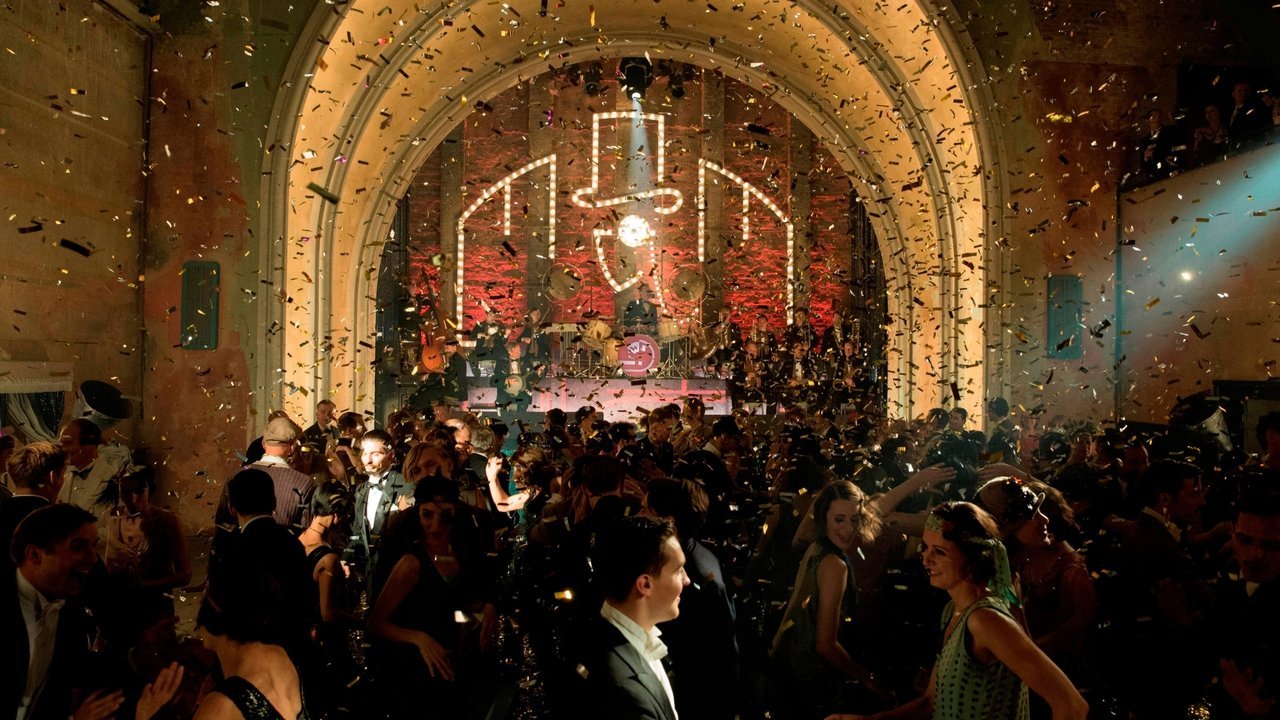
The most expensive German television production ever made, and worth every pfennig. Set in Weimar Berlin at the end of the 1920s, as the city slides toward fascism and the economy collapses, Babylon Berlin is a crime series that is also a historical epic: part noir, part political thriller, part social panorama of a city at its most brilliant and most doomed.
Volker Kutscher's novels provide the source material, but the show expands them into something genuinely cinematic. The recreation of late-Weimar Berlin (its cabarets, its political violence, its sexual freedom alongside its gathering dread) is extraordinary. Detective Gereon Rath and the resourceful Charlotte Ritter make for a compelling pairing at the centre of it all. Crime television that doubles as history.
6. Happy Valley (2014)
Dir. Sally Wainwright · UK · Crime / Drama
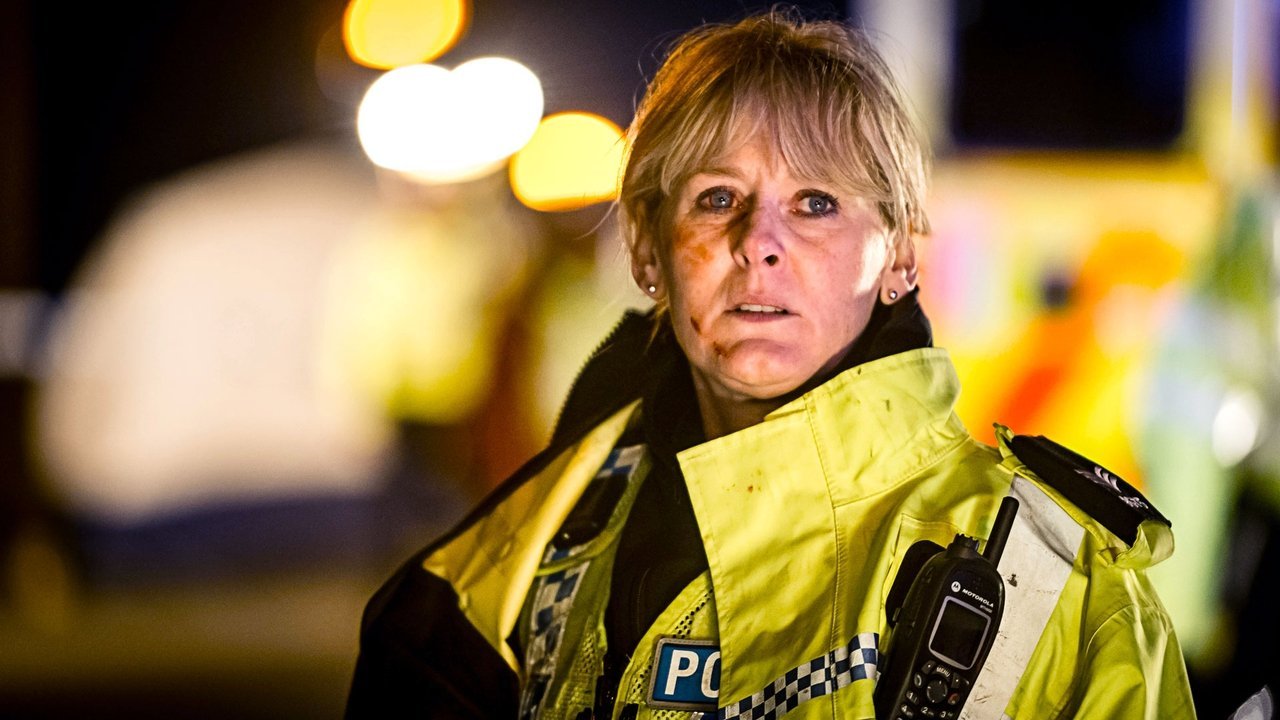
The title is ironic. Happy Valley (the Calder Valley in West Yorkshire) is a place of spectacular landscape and grinding economic hardship, and Sally Wainwright renders both with equal precision. Sergeant Catherine Cawood is the kind of police officer British crime drama does best: local, practical, deeply embedded in the community she serves, and carrying wounds that never fully close.
Sarah Lancashire's performance across three series is the finest in British television drama of the last decade. The show builds slowly, rooted in character and place, and then hits with a force that other crime series can only aspire to. It is, at its core, a series about grief, responsibility, and the particular exhaustion of women who hold everything together for everyone around them. Watch all three series in order, the final episode is one of the great pieces of British television.
7. Line of Duty (2012)
Dir. Jed Mercurio · UK · Crime / Thriller
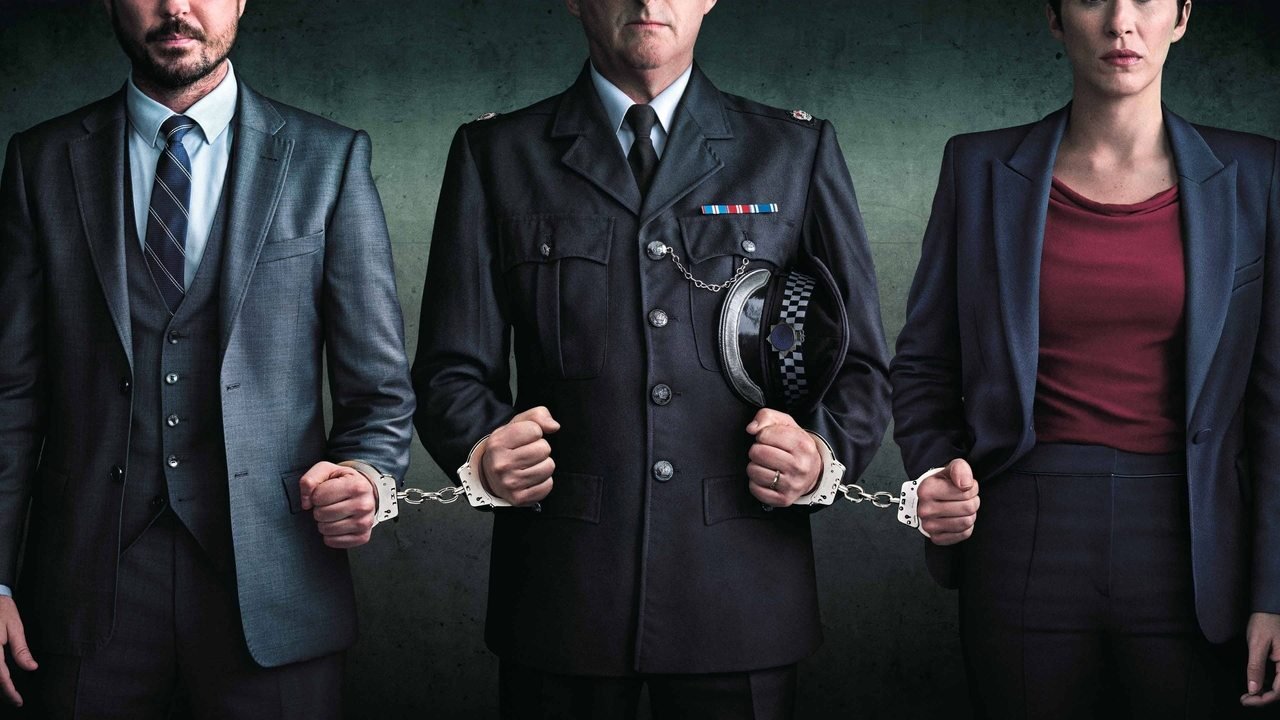
The premise is elegant: a police anti-corruption unit that investigates other police officers. The execution, across six series and nine years, is almost absurdly gripping. Jed Mercurio writes interrogation scenes of almost unbearable tension, and the show's central trio (Superintendent Hastings, DS Kate Fleming, DS Steve Arnott) became some of the most beloved characters in British television history.
What Line of Duty does brilliantly is trust its audience. The show's mythology builds across series, rewarding long-term viewers with a dense web of conspiracies, acronyms, and reveals that generated genuine national conversation. The question of who H is (the senior figure behind institutional corruption) sustained six years of speculation. Whether the finale satisfied is still debated. That people cared so much is the point.
8. The Fall (2013)
Dir. Allan Cubitt · UK · Crime / Thriller
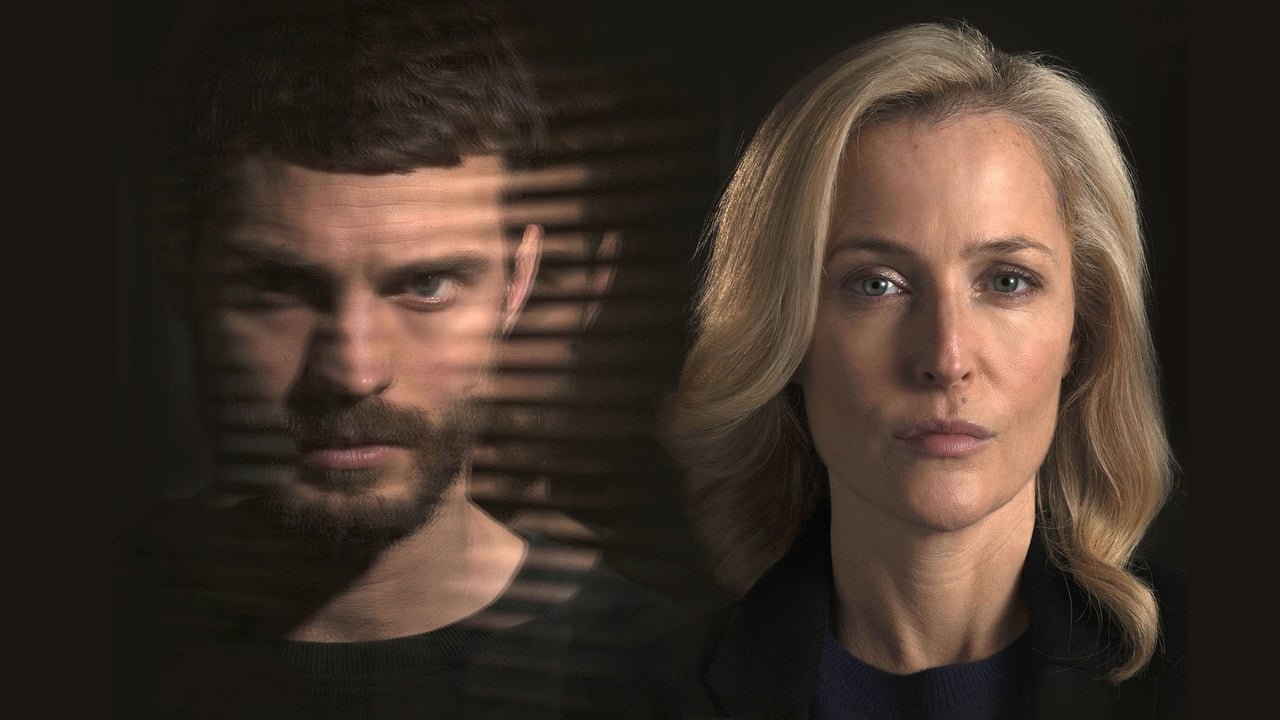
Most crime series maintain the suspense of not knowing who the killer is. The Fall takes a different approach: we know from the first episode that Paul Spector (Jamie Dornan) is the man strangling professional women in Belfast. The tension comes from the cold, methodical cat-and-mouse between Spector and Detective Superintendent Stella Gibson (Gillian Anderson), brought in from London to review the stalled investigation.
Allan Cubitt's series is one of the most psychologically rigorous crime dramas ever made. Anderson's Gibson is a fascinating creation: professionally precise, personally detached, immune to the institutional sexism around her. Dornan's Spector is genuinely terrifying precisely because he is so ordinary. The Belfast setting (a city still living with the memory of political violence) adds another layer of unease. Three seasons, perfectly paced.
9. Luther (2010)
Dir. Neil Cross · UK · Crime / Thriller
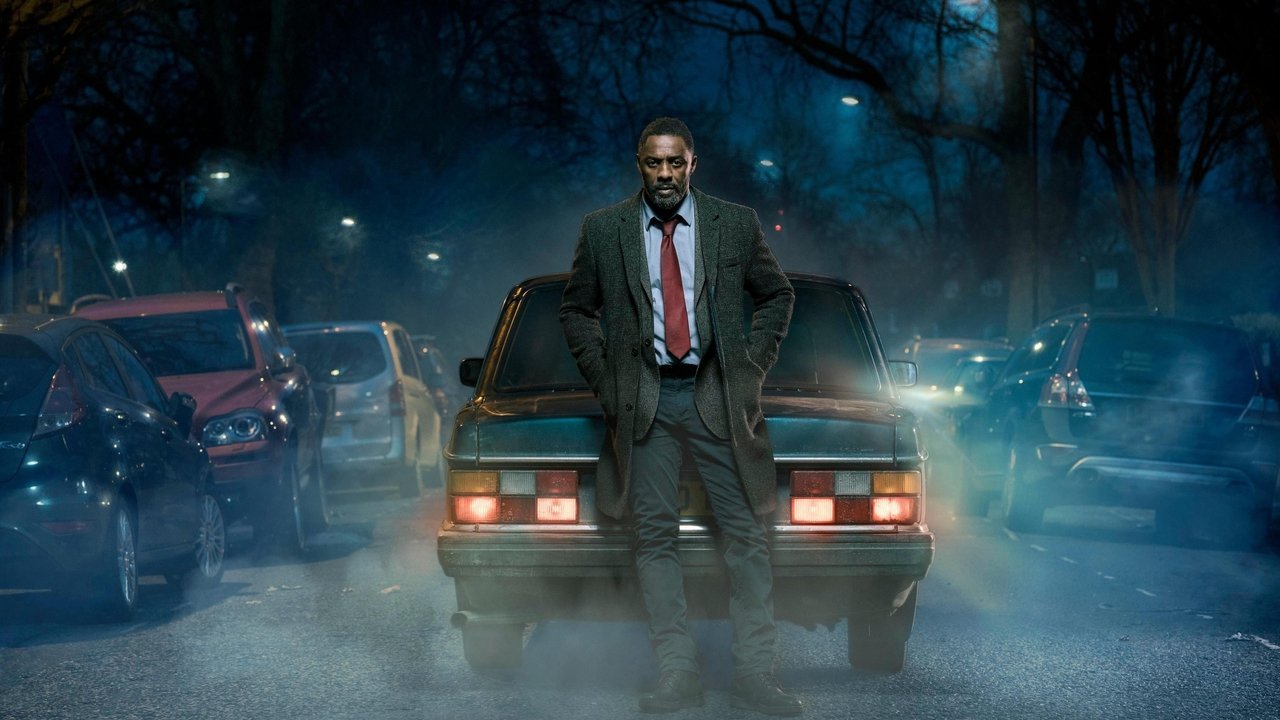
John Luther is not a realistic detective. He is a force of nature in a long coat, solving cases through intuition and barely contained fury, regularly crossing every procedural line in the book. What makes it work is Idris Elba, who brings such commanding physical presence and emotional rawness to the role that you believe in Luther completely, rules be damned.
The series' masterstroke is Alice Morgan (Ruth Wilson): a brilliant suspect introduced in the very first episode, whose intelligence Luther cannot quite contain. Wilson's performance launched a career that would extend through The Affair, His Dark Materials and the National Theatre stage; her scenes opposite Elba are some of the most discussed in 2010s British television. Neil Cross writes them with a dark wit that lifts the whole series above its genre. Five series and a film, all worth your time.
10. Pagan Peak (2019)
Dir. Cyrill Boss, Philipp Stennert · Germany / Austria · Crime / Thriller
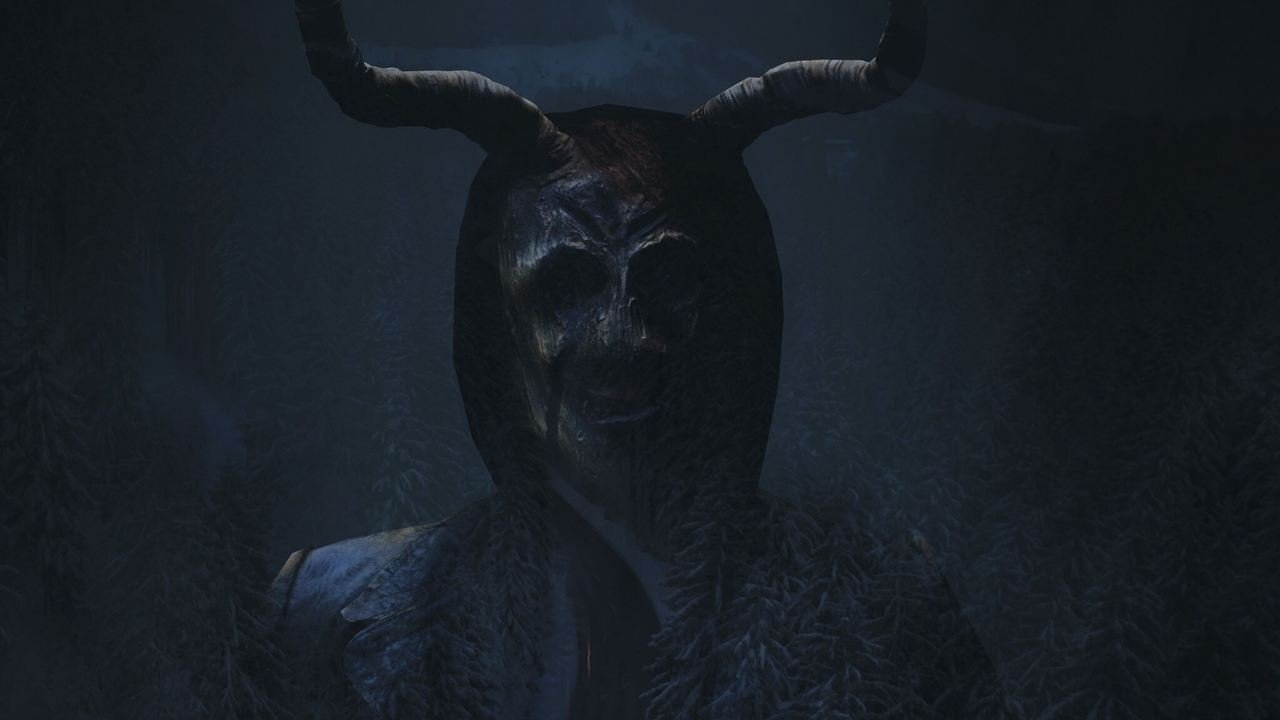
Lesser known than the others on this list, but one of the most atmospheric crime series of recent years. A body is found on the Bavarian-Austrian border, posed in a ritualistic manner evoking Alpine pagan mythology. An Austrian detective and a Bavarian investigator are forced to work together across jurisdictions, and across very different temperaments and cultures.
The show uses its mountain setting brilliantly: the landscape is vast, beautiful, and deeply unsettling, full of old folklore that the killer seems to be drawing on. Nora Waldstätten and Nicholas Ofczarek are excellent as the mismatched pair at its centre. If you've exhausted the Scandinavian canon and are looking for something with the same slow-burn intensity but a different geography, Pagan Peak is exactly what you need. Two seasons, self-contained, and criminally underseen.
The Case for European Crime TV
What unites these ten series is less genre than sensibility. They are all, in different ways, interested in institutions: how they function, how they fail, and what happens to the people inside them. The Killing shows us a political system as morally compromised as any criminal enterprise. Spiral reveals a justice system grinding its participants down. Line of Duty asks whether an institution can ever truly police itself.
European crime television is also, consistently, interested in place. The bridge between Denmark and Sweden is not just a setting, it's a metaphor. The Calder Valley shapes Happy Valley as surely as any character. The vanishing Weimar Republic haunts every frame of Babylon Berlin. These shows could not be set anywhere else, and that specificity of place is part of what makes them endure.
Honourable Mention: The Chestnut Man (2021)
Dir. Mikkel Serup · Denmark · Crime / Thriller
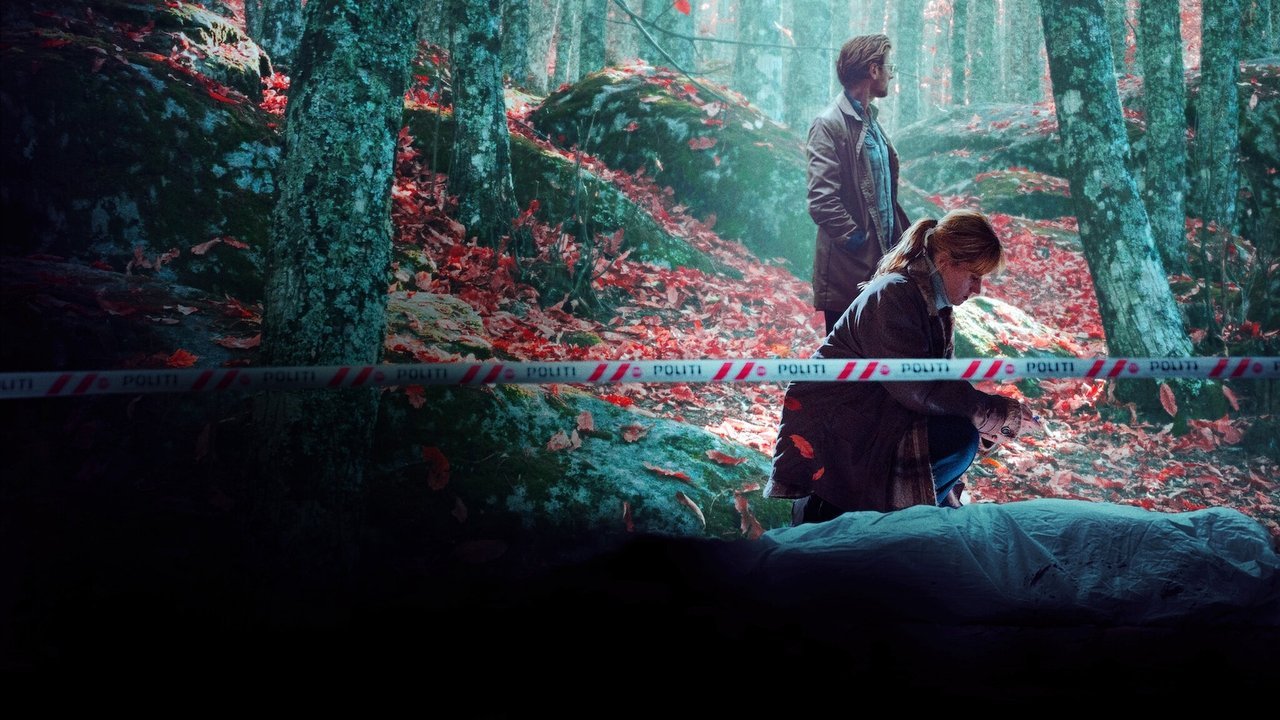
From the creators of The Killing, this Netflix adaptation of Søren Sveistrup's novel follows two detectives hunting a serial killer whose crime scenes are marked with small figures made of chestnuts, each containing a fingerprint belonging to a girl who disappeared a year earlier. The political subplot, involving the missing girl's minister mother, adds layers beyond the procedural. Not quite in the top ten, but if you've worked through this list and want more Danish crime, The Chestnut Man delivers.
The Case for European Crime TV
If you're new to European crime TV, start with The Killing or Happy Valley, both are immediately accessible and almost impossible to stop watching. If you're already a convert, Pagan Peak and Spiral are the ones most likely to be missing from your list. Either way: clear your schedule.
If these series have given you a taste for European crime storytelling, the film side is equally rich, see our picks for the 10 Must-Watch European Crime Films. And for the country whose prestige TV has become its own crime register, see our 10 Must-Watch French Series.
For more in this vein, see also our 10 Must-Watch British Crime Series and our 10 Must-Watch German Crime Series.
See also our 10 Must-Watch Scandinavian Crime Series.
For the wider genre these series grew out of — spy thrillers, political dramas and psychological serials from across the continent — see our 15 Must-Watch European Thriller Series.