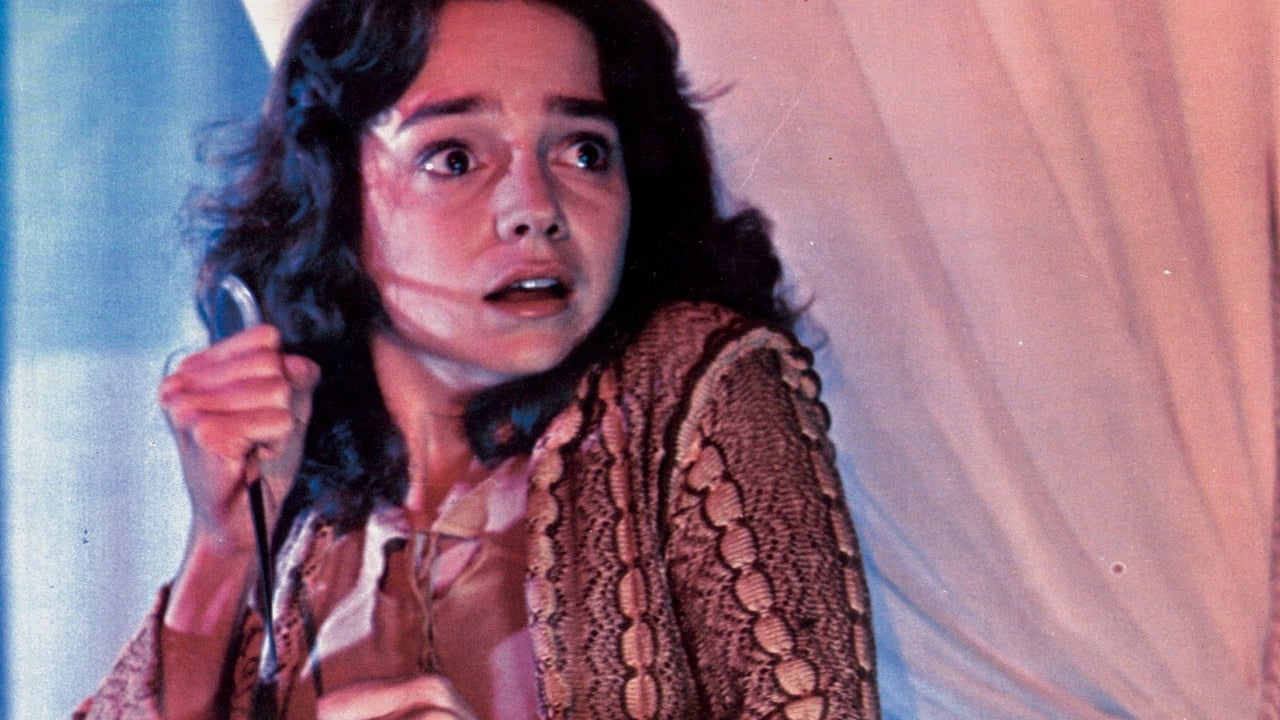
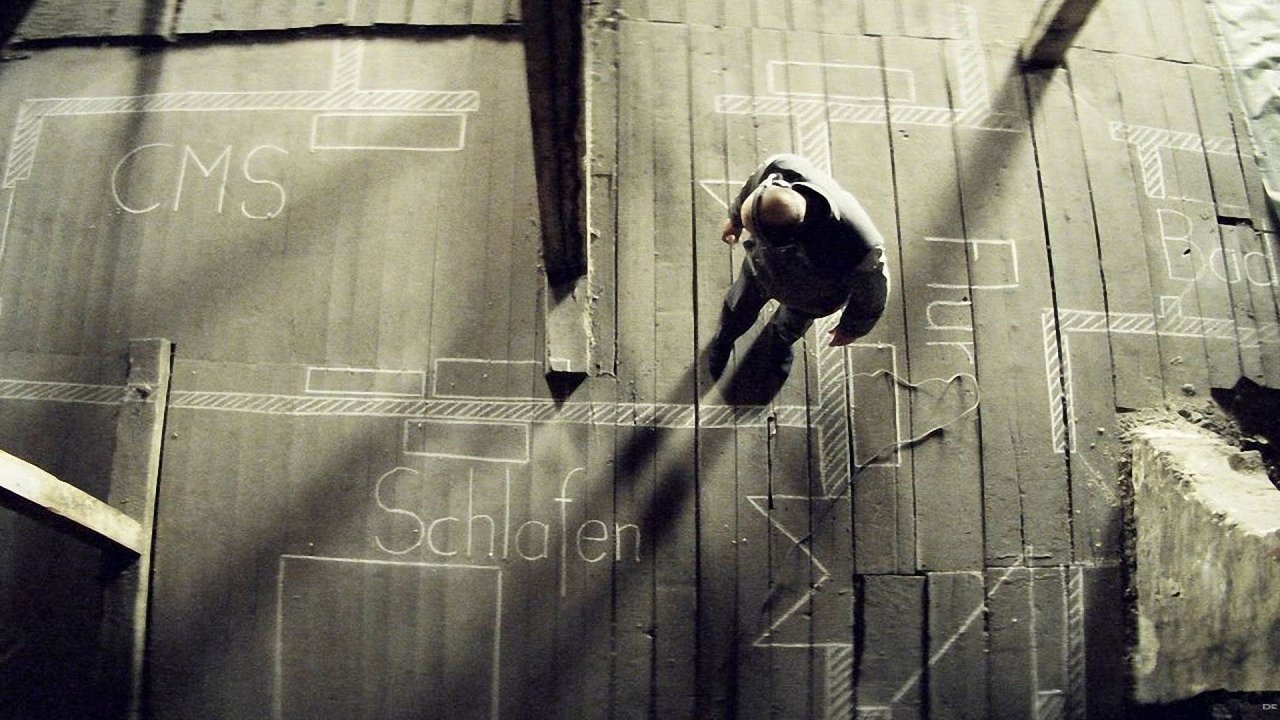
From Víctor Erice's late-Franco masterpiece to the cinema of Pedro Almodóvar and the new generation of Goya laureates, ten essential Spanish films from one of Europe's richest national cinemas.
Spanish cinema emerged from the long isolation of the Franco years to produce, in the 1980s and 1990s, one of the most distinctive national cinemas in Europe. Pedro Almodóvar set the template (queer, melodramatic, formally vivid, generously humane); Alejandro Amenábar followed with thrillers and prestige dramas of extraordinary craft; Guillermo del Toro and J.A. Bayona built bridges to Mexican and international production. The contemporary scene, dominated by Goya winners like Rodrigo Sorogoyen and the genre breakouts of Galder Gaztelu-Urrutia, continues to produce work that travels.
This list spans fifty years and includes three Academy Award winners, four Goya winners for Best Film, and several Cannes laureates. Whether you're new to Spanish cinema or filling in the gaps, here are ten films you need to watch.
1. The Spirit of the Beehive (1973)
Dir. Víctor Erice · Spain · Drama
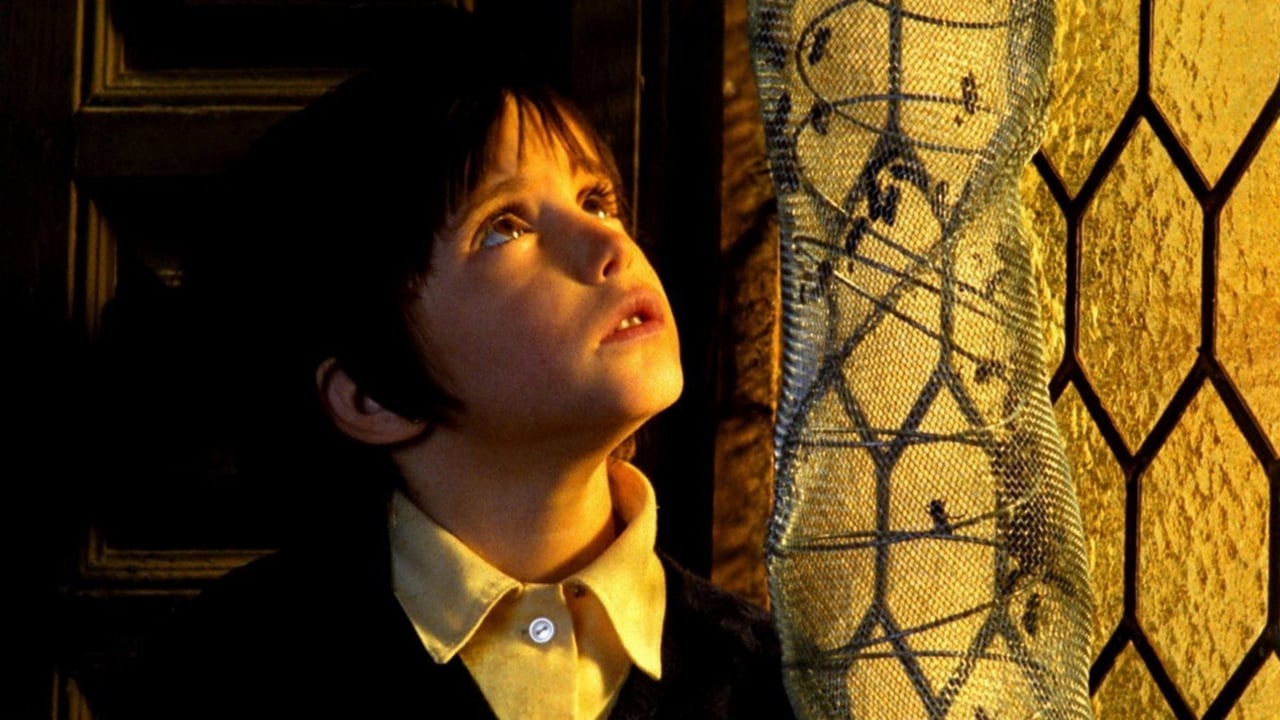
Made in the final years of Francisco Franco's dictatorship, Víctor Erice's debut feature is one of the most quietly subversive films ever made under conditions of censorship. Six-year-old Ana (Ana Torrent, in her first role) sees James Whale's Frankenstein at a travelling cinema in her remote Castilian village in 1940, and becomes haunted by the question of where the monster came from.
The film communicates almost everything through silence, through Luis Cuadrado's amber-lit photography of empty Castilian landscapes, and through the small, watchful presence of Ana herself. Erice would only complete two further features in the following half-century, but on the strength of this one alone he holds a permanent place in any account of European cinema. A masterpiece of indirection.
2. All About My Mother (1999)
Dir. Pedro Almodóvar · Spain / France · Drama
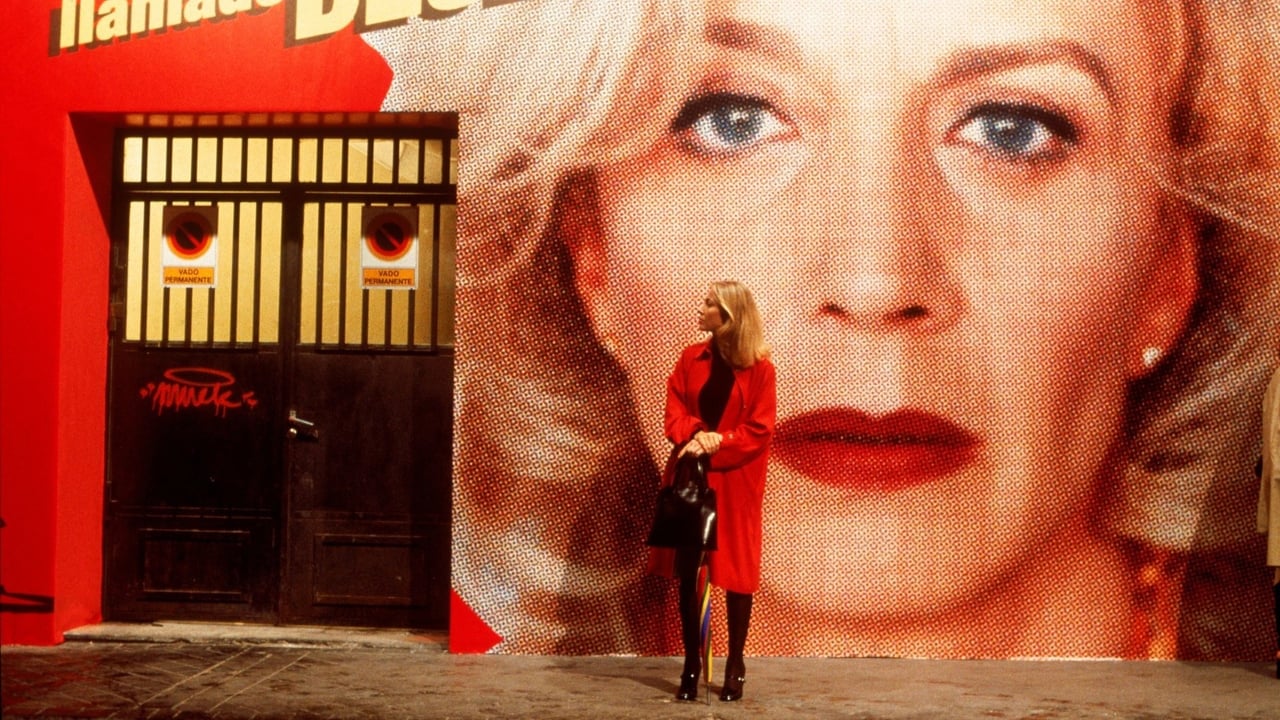
Pedro Almodóvar's thirteenth feature is the film that broke him through to the international mainstream and won the Academy Award for Best Foreign Language Film. Cecilia Roth plays Manuela, a Madrid hospital worker who travels to Barcelona at a moment of grief, hoping to reconnect with the people from her past. The supporting cast (Marisa Paredes, Antonia San Juan, Penélope Cruz, Candela Peña) gives Almodóvar one of his great female ensembles.
The film won Best Director at Cannes alongside the Oscar; it was also Spain's first Goya for Best Film of the new century. Almodóvar's mature style — saturated melodrama treated with the formal seriousness of Sirk or Cassavetes — finds its fullest expression here. A film about motherhood, mourning, and the kindness women extend to one another.
3. Open Your Eyes (1997)
Dir. Alejandro Amenábar · Spain / France / Italy · Mystery / Sci-Fi / Thriller
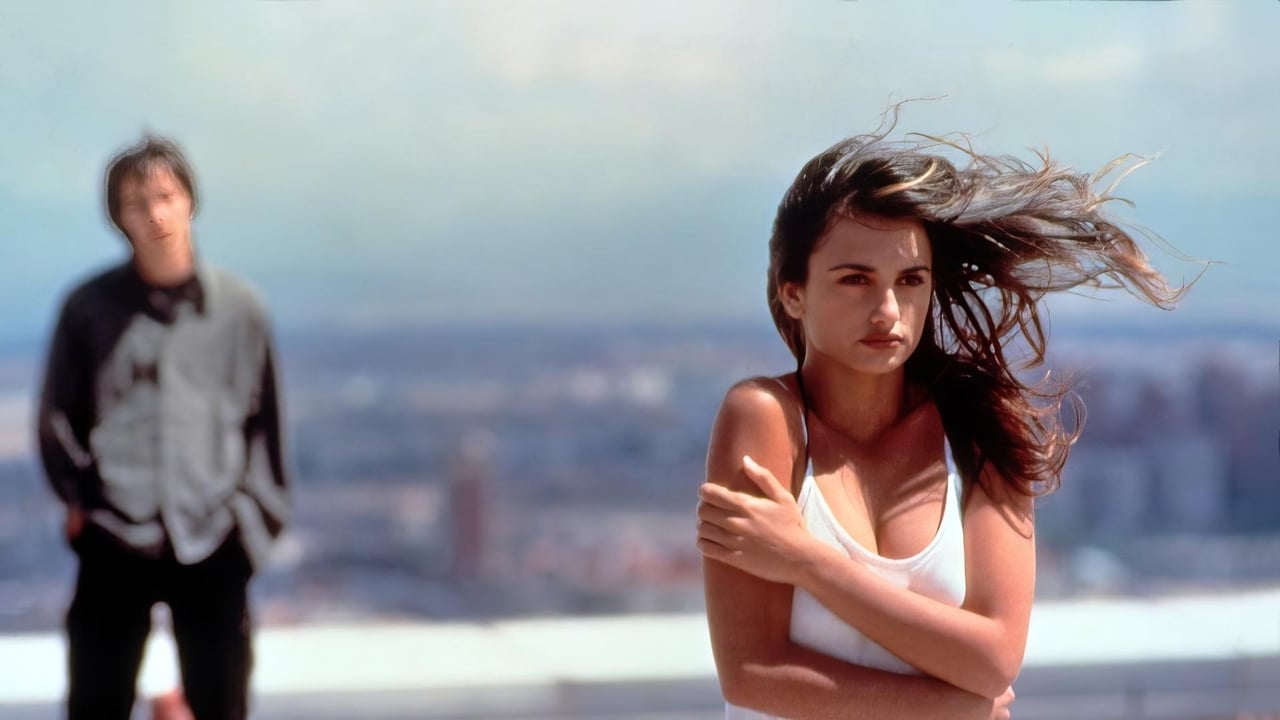
Alejandro Amenábar's second feature, made when he was twenty-five, is one of the most influential Spanish thrillers of the past forty years. Eduardo Noriega plays a wealthy young Madrid playboy who, after a car accident, finds his life and identity progressively unmoored. Penélope Cruz, in her early twenties, plays the woman at the centre of his obsession.
Cameron Crowe's 2001 American remake (Vanilla Sky) is the better-known version internationally; the original is the more rigorous film, with a coldness and a willingness to disorient that the remake softens. Amenábar would go on to direct The Others in English with Nicole Kidman; this is the film that made that international career possible. A formally daring puzzle film with a genuinely melancholy core.
4. Talk to Her (2002)
Dir. Pedro Almodóvar · Spain · Drama / Romance
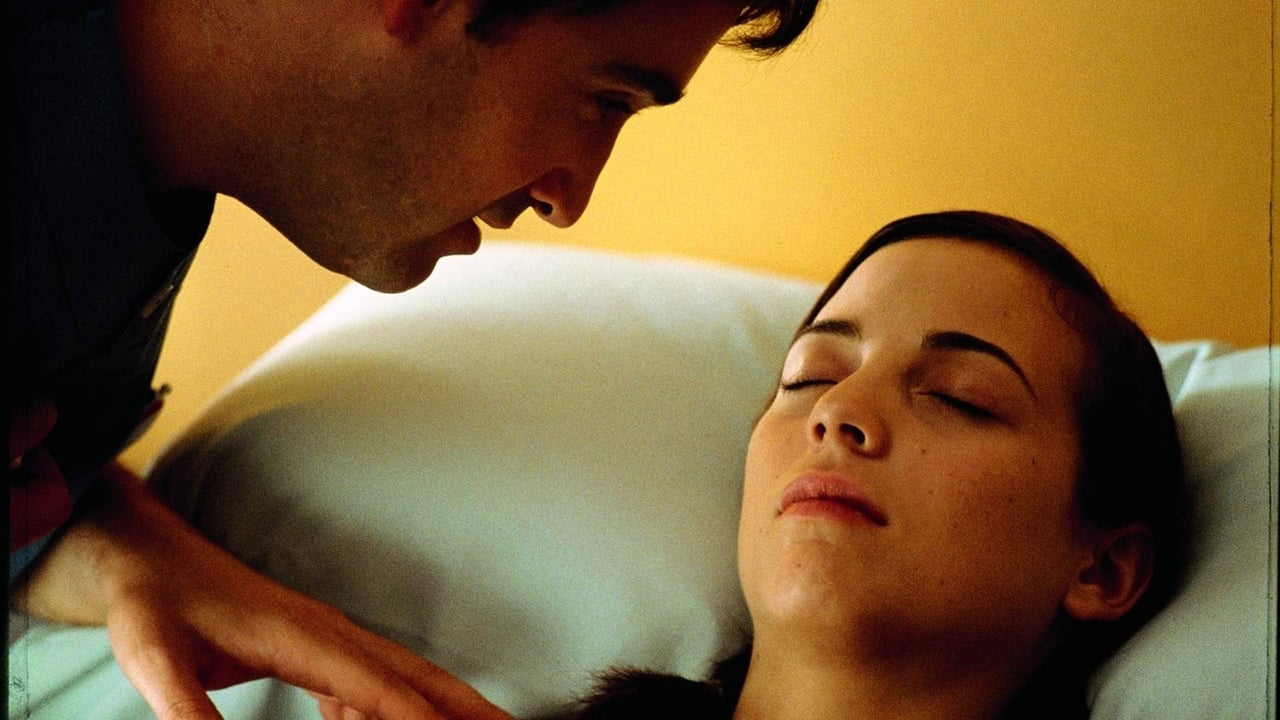
Two men, both in love with women in comas, meet in the Madrid hospital where the women are being cared for. Pedro Almodóvar's most morally ambivalent film won the Academy Award for Best Original Screenplay (the first time a foreign-language script had won the category outright in over twenty years) and remains, for many critics, his finest achievement.
Javier Cámara and Darío Grandinetti are extraordinary as the two men; Caetano Veloso performs a live song, on screen, that is among the most quietly heartbreaking moments in modern European cinema. Alberto Iglesias's score, composed for an Almodóvar film for the first time, became the basis of one of the great director-composer partnerships in contemporary cinema. A film that wrestles with material most directors would not dare to handle.
5. The Sea Inside (2004)
Dir. Alejandro Amenábar · Spain / France / Italy · Drama / Biography
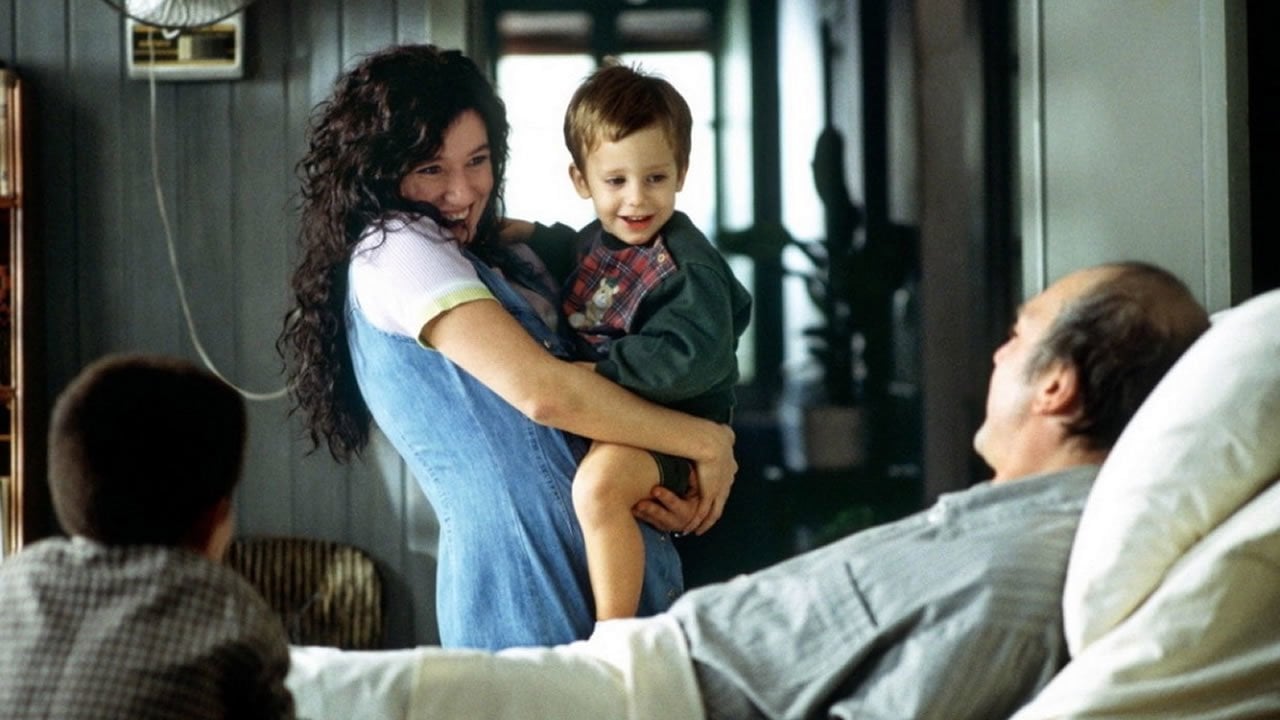
Javier Bardem plays Ramón Sampedro, a Galician quadriplegic who spent thirty years campaigning publicly for the legal right to die with dignity. Alejandro Amenábar's film, based on Sampedro's own memoir Cartas desde el infierno, won the Academy Award for Best Foreign Language Film and the Goya for Best Picture.
Bardem's performance, in heavy ageing prosthetics, is a textbook example of an actor disappearing into a role; Amenábar's screenplay refuses easy resolutions on either side of an extraordinarily difficult question. The film's visual handling of an immobilised protagonist (camera moves that imagine the freedom Sampedro cannot have) is one of the most inventive feats of staging in modern Spanish cinema.
6. Pan's Labyrinth (2006)
Dir. Guillermo del Toro · Spain / Mexico · Fantasy / Drama / War
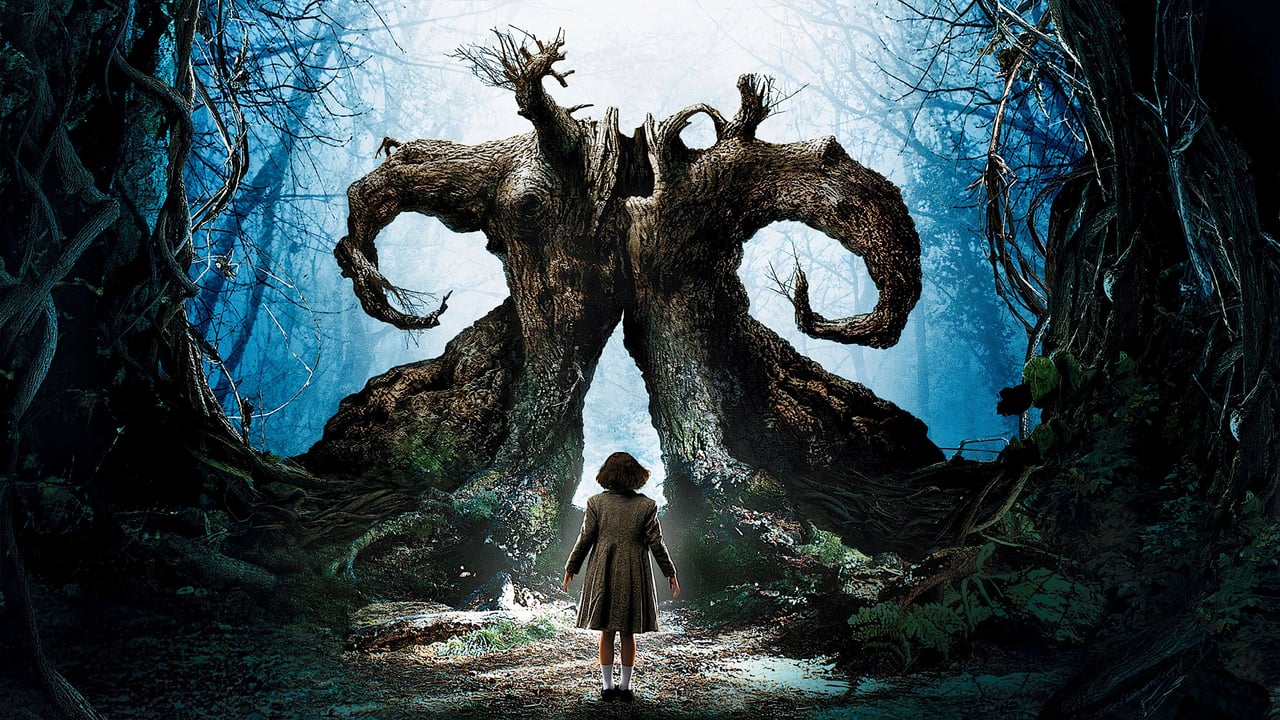
Guillermo del Toro's Spanish-language masterpiece sets a child's fairy-tale in a real-world frame: 1944 rural Spain, where a young girl (Ivana Baquero) accompanies her pregnant mother to the remote forest outpost of her stepfather (Sergi López), a sadistic captain in Franco's army hunting the last of the Republican guerrillas. The film moves between the brutal political reality and the labyrinth of mythical creatures the girl encounters in the woods.
The film won three Academy Awards (cinematography, art direction, makeup), six Goyas, and the BAFTA for Best Film Not in the English Language. Doug Jones's performances as the Faun and the Pale Man have become some of the most-recognised creature designs in contemporary cinema. A fairy-tale that earns its violence and that takes its child protagonist completely seriously.
7. The Orphanage (2007)
Dir. J.A. Bayona · Spain / Mexico · Horror / Drama / Mystery
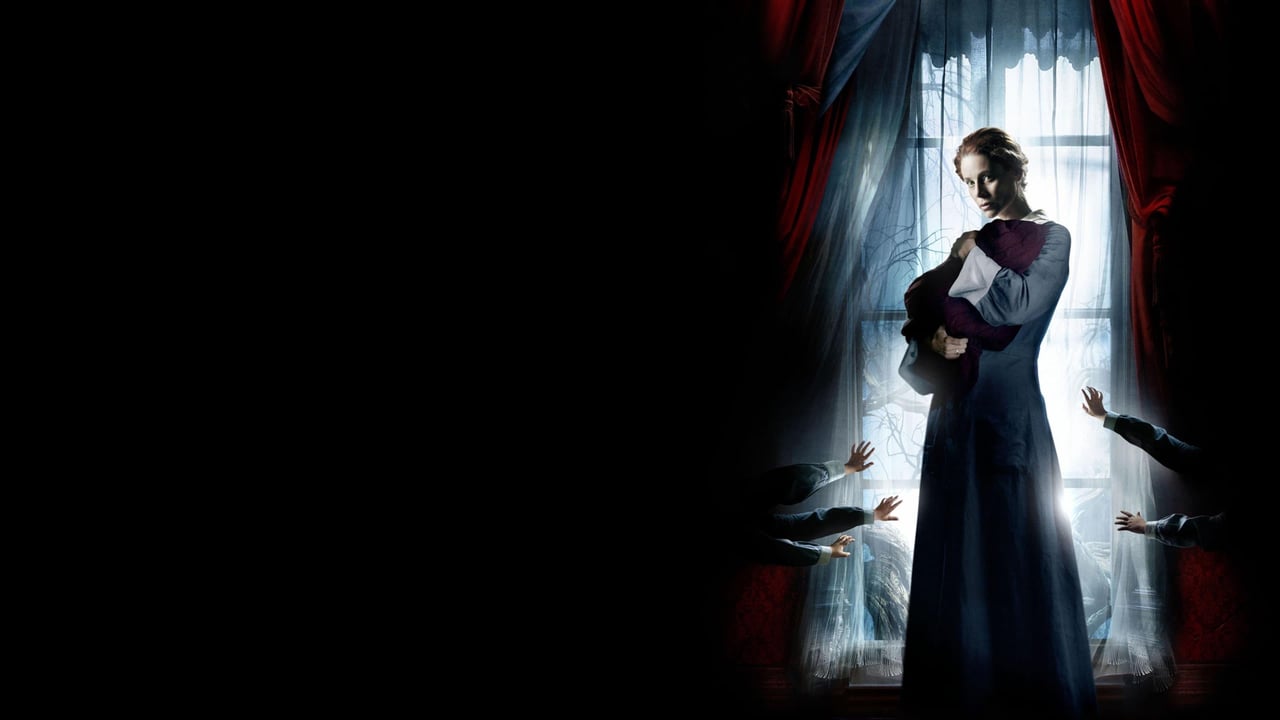
J.A. Bayona's debut feature was produced by Guillermo del Toro and emerged as the most accomplished Spanish horror film of its decade. Belén Rueda plays Laura, a woman who returns with her husband and adopted son to the seaside orphanage where she grew up, intending to reopen it as a home for children with disabilities.
The film won seven Goyas (including for first feature) and made Bayona's international career: he would go on to direct The Impossible, A Monster Calls, and Society of the Snow. Sergio G. Sánchez's screenplay treats the genre with absolute seriousness, in a Spanish horror tradition that prefers atmosphere and grief to jump scares. A film with a genuine emotional architecture beneath its careful frights.
8. Pain and Glory (2019)
Dir. Pedro Almodóvar · Spain · Drama
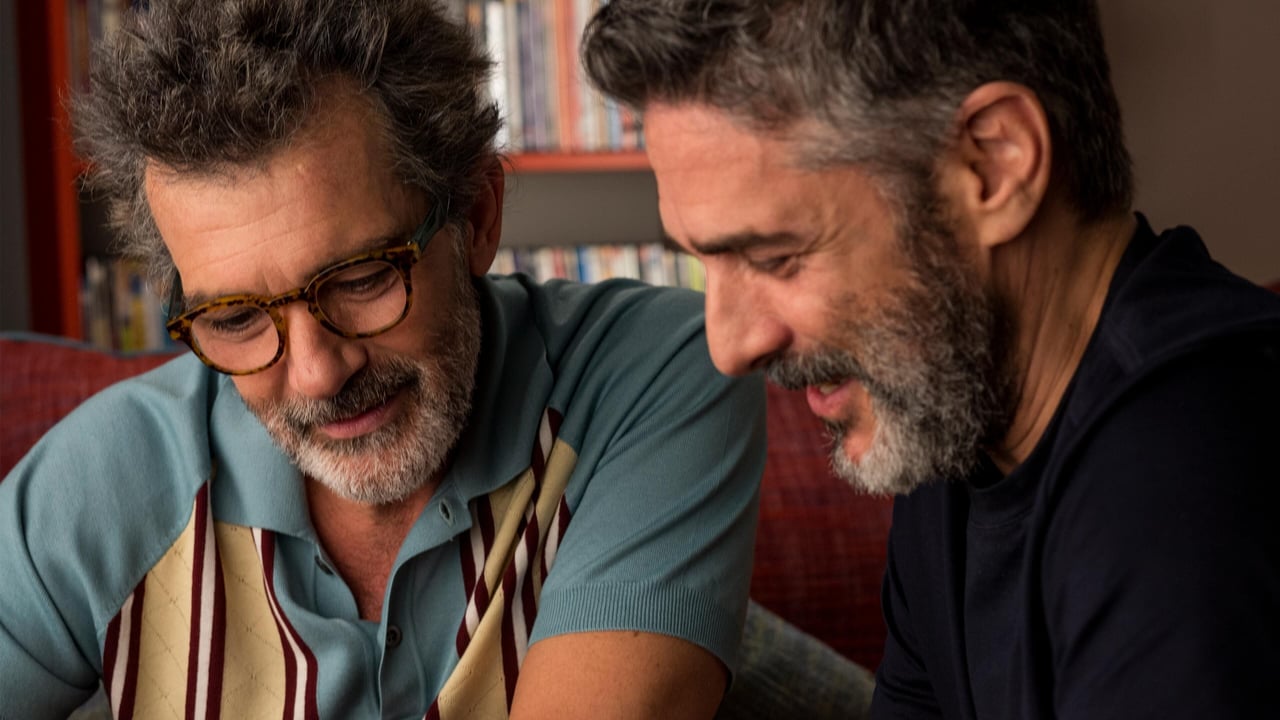
Pedro Almodóvar's most autobiographical film. Antonio Banderas plays Salvador Mallo, a celebrated film director in his sixties, in declining health and creative paralysis, looking back on his childhood in 1960s rural Valencia and on the relationships that shaped his career. The structure (a present-tense Madrid interleaved with long episodes of memory) is the most rigorous of Almodóvar's late films.
Banderas won Best Actor at Cannes for what is widely considered the finest performance of his career. The film was nominated for two Academy Awards (Best International Feature, Best Actor) and won a long list of European prizes. Penélope Cruz, in flashback as Salvador's mother, is heartbreaking. A film about how a life of art-making sediments into the body that has lived it.
9. The Platform (2019)
Dir. Galder Gaztelu-Urrutia · Spain · Sci-Fi / Horror / Thriller

Galder Gaztelu-Urrutia's debut feature became the breakout international Spanish film of the streaming era after Netflix acquired global rights in 2020. The premise is a parable: a vertical prison whose inmates are housed two to a cell across hundreds of levels, with a single platform of food descending each day, level by level, allowing those at the top to gorge while those at the bottom starve.
Iván Massagué plays Goreng, a new arrival who has signed up voluntarily to spend six months in the prison in exchange for a degree certificate. The allegory is unsubtle and the better for it; the genre execution (claustrophobic, increasingly nightmarish) is rigorous. The film won the Audience Award at Toronto. A reminder that Spanish genre cinema has always been more politically serious than its American equivalent.
10. As Bestas (2022)
Dir. Rodrigo Sorogoyen · Spain / France · Drama / Thriller
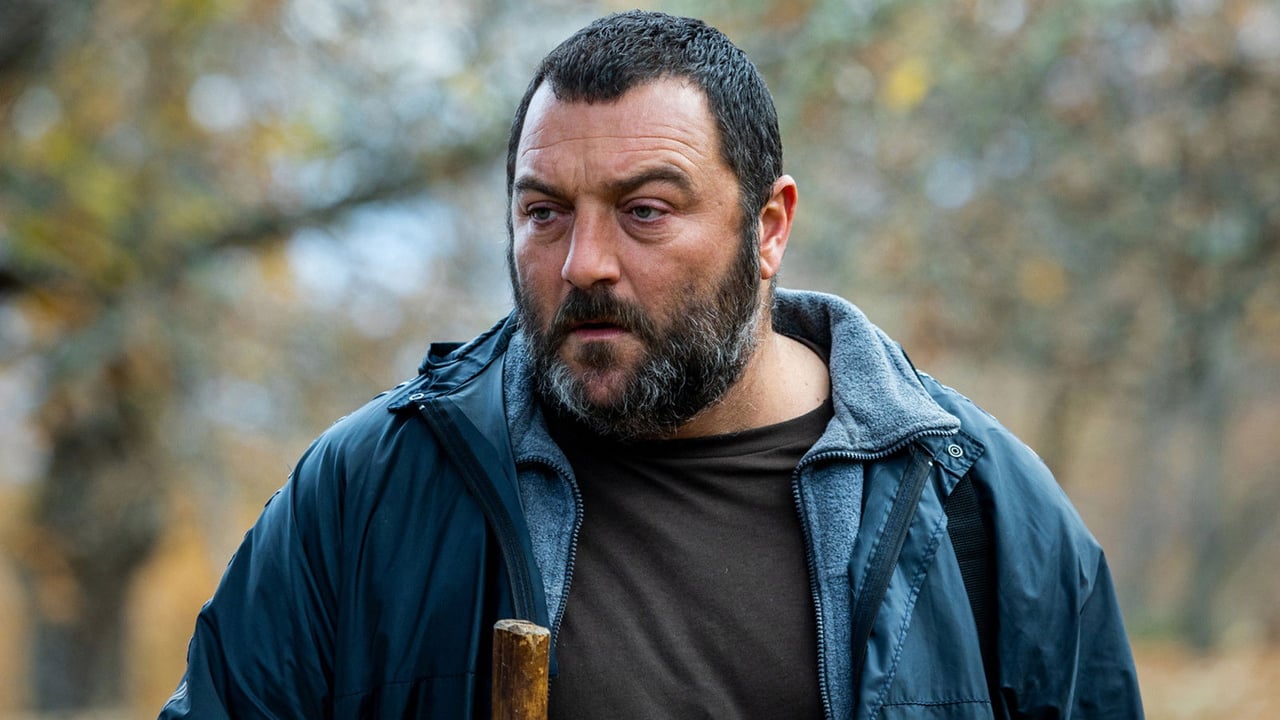
A French couple (Denis Ménochet and Marina Foïs) have moved to a remote Galician village to take up sustainable agriculture. Their relationship with two of the village's lifelong residents (Luis Zahera and Diego Anido), who oppose the wind-farm development the couple has voted to support, deteriorates across the long Spanish summer.
Rodrigo Sorogoyen's film won nine Goyas (the most of any film at the 2023 ceremony) and the César for Best Foreign Film. Zahera's antagonist is one of the most quietly menacing performances in recent Spanish cinema. A film that treats rural Spain with the seriousness American cinema usually reserves for the small-town American west — and that is interested in the slow, patient escalation of resentment between people who have to share a road.
The Spanish Tradition
Spanish cinema has long carried the weight of its political history. The Civil War of the 1930s, the dictatorship that followed, and the long democratic transition after Franco's death in 1975 are the inescapable backdrop to almost everything on this list. The Spirit of the Beehive works under censorship; Pan's Labyrinth works back through the same period from a different angle; As Bestas deals with an entirely contemporary tension that is nonetheless legible in light of the longer history.
The other through-line is craft: Spanish cinema has always been visually ambitious, and the cinematographers (José Luis Alcaine, Guillermo Navarro, Javier Aguirresarobe) have populated international productions for decades. The films above are showcases for that craft tradition at the highest level.
Honourable Mention: Volver (2006)
Dir. Pedro Almodóvar · Spain · Drama

Penélope Cruz, the entire ensemble of which won Best Actress collectively at Cannes, plays a working-class Madrid woman in Almodóvar's most affectionate film about the rural Spain he came from. Three generations of women navigate the consequences of an event none of them is willing to discuss. Cruz received her first Academy Award nomination for the performance. Worth seeing alongside All About My Mother.
Where to Start
If you're new to Spanish cinema, All About My Mother and Pan's Labyrinth are immediately accessible and showcase the country's two dominant modes (Almodóvar melodrama and del Toro fantasy) at their best. For something more recent, As Bestas is the most rewarding Spanish release of the past five years. For a single film that will surprise you, The Spirit of the Beehive remains one of the great quiet masterpieces of European cinema.
If you enjoyed this list, explore our companion guides — our 10 Must-Watch Italian Films and our 10 Must-Watch European Horror Films. For the Almodóvar comedies and the wider continental tradition they belong to, see our 10 Must-Watch European Comedies.
Spanish cinema is exceptionally strong in the thriller register — both Cell 211 and The Realm appear in our 20 Must-Watch European Thrillers.