From the founding works of Italian Neorealism to Fellini and Sorrentino, ten essential Italian films that defined modern cinema.
For three decades after the Second World War, Italy produced more great films per capita than any other country in the world. The neorealist movement, born in the rubble of Rossellini's Rome, gave cinema a vocabulary for everyday life that has not been surpassed. Fellini, Visconti, Antonioni, Pasolini, and Bertolucci followed, each working in distinct registers but all sharing an unshakeable confidence that film could carry the weight of a national consciousness. The contemporary heirs (Sorrentino, Garrone, Rohrwacher, Guadagnino) continue to work at the highest level.
Several of these films appear in every serious top-100 of all time. Italy has won the Academy Award for Best Foreign Language Film fourteen times, more than any other country. Whether you're new to Italian cinema or filling in the gaps, here are ten films you need to watch.
1. Bicycle Thieves (1948)
Dir. Vittorio De Sica · Italy · Drama
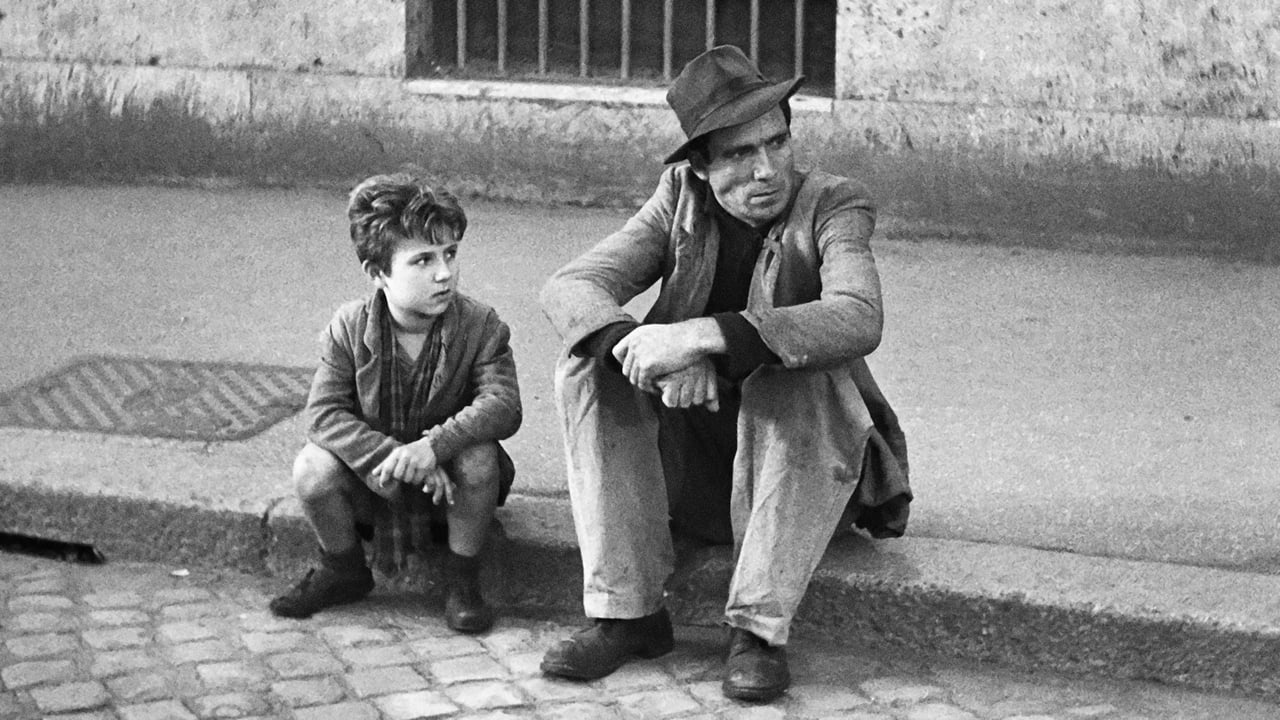
Vittorio De Sica's portrait of post-war Rome is the founding text of cinematic neorealism and one of the most-cited films in the history of the medium. A working-class father, finally offered a job pasting up advertising posters, has his bicycle (the tool he needs to do the work) stolen on his first morning. He spends the day searching for it through the streets of Rome with his young son.
De Sica cast non-professionals in both lead roles. Lamberto Maggiorani had been a factory worker; Enzo Staiola was a child found on the street. The film won an honorary Academy Award before the foreign-language category had been formalised, and has never left the upper reaches of the Sight & Sound poll. Cinema's clearest statement that a small story, told carefully, can carry the weight of an entire society.
2. Rome, Open City (1945)
Dir. Roberto Rossellini · Italy · Drama / War
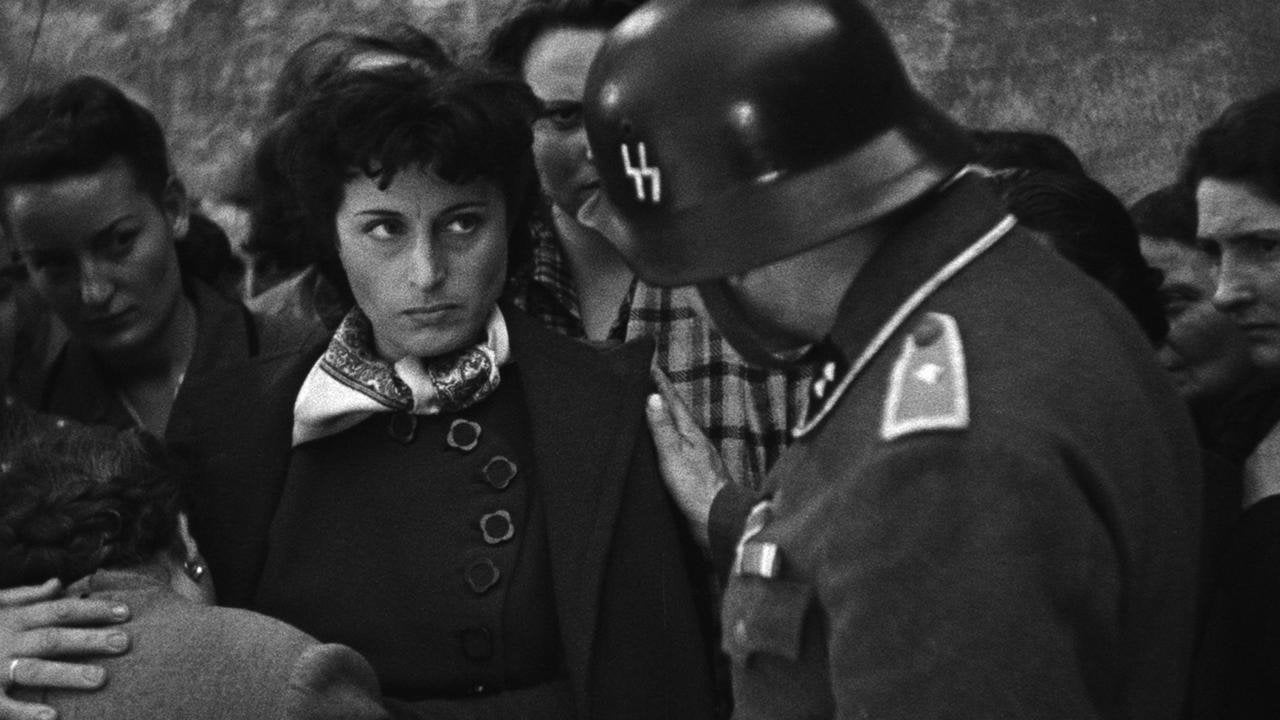
Shot in the months immediately after the Allied liberation of Rome, often on stock scavenged from the streets, Rossellini's film is set during the German occupation of the city in 1944. A communist resistance leader, a Catholic priest, and a young pregnant woman (Anna Magnani, in the performance that made her a star) navigate a city under siege.
The film won the Grand Prix at Cannes in 1946, the festival's first edition after the war, and inaugurated the neorealist movement. Rossellini's two follow-up films, Paisà (1946) and Germany Year Zero (1948), complete the so-called "war trilogy" — both also in our catalogue — and together constitute one of the most important bodies of work in twentieth-century European cinema.
3. La Strada (1954)
Dir. Federico Fellini · Italy · Drama
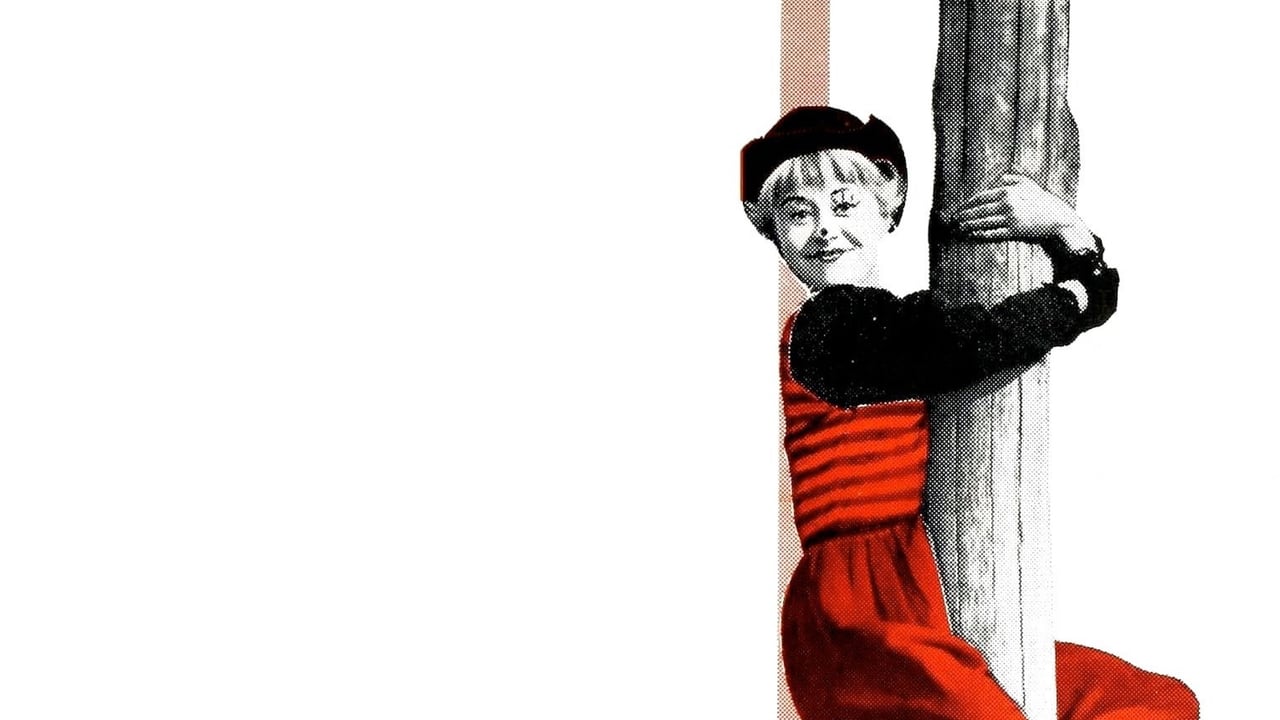
Fellini's third feature won the first Academy Award for Best Foreign Language Film and remains, for many viewers, the most emotionally direct of his works. Giulietta Masina (Fellini's wife and lifelong collaborator) plays Gelsomina, a simple young woman sold by her family to a brutish travelling strongman, Zampanò (Anthony Quinn). The two travel the back roads of post-war Italy, performing a meagre circus routine in village squares.
Masina's performance, often compared to Chaplin's, is one of the great achievements of screen acting. Nino Rota's score (the composer's first major collaboration with Fellini, a partnership that would extend to Coppola's Godfather) became one of the most recognisable themes in cinema. A film of fable-like simplicity that has lost none of its tenderness.
4. La Dolce Vita (1960)
Dir. Federico Fellini · Italy · Drama / Comedy
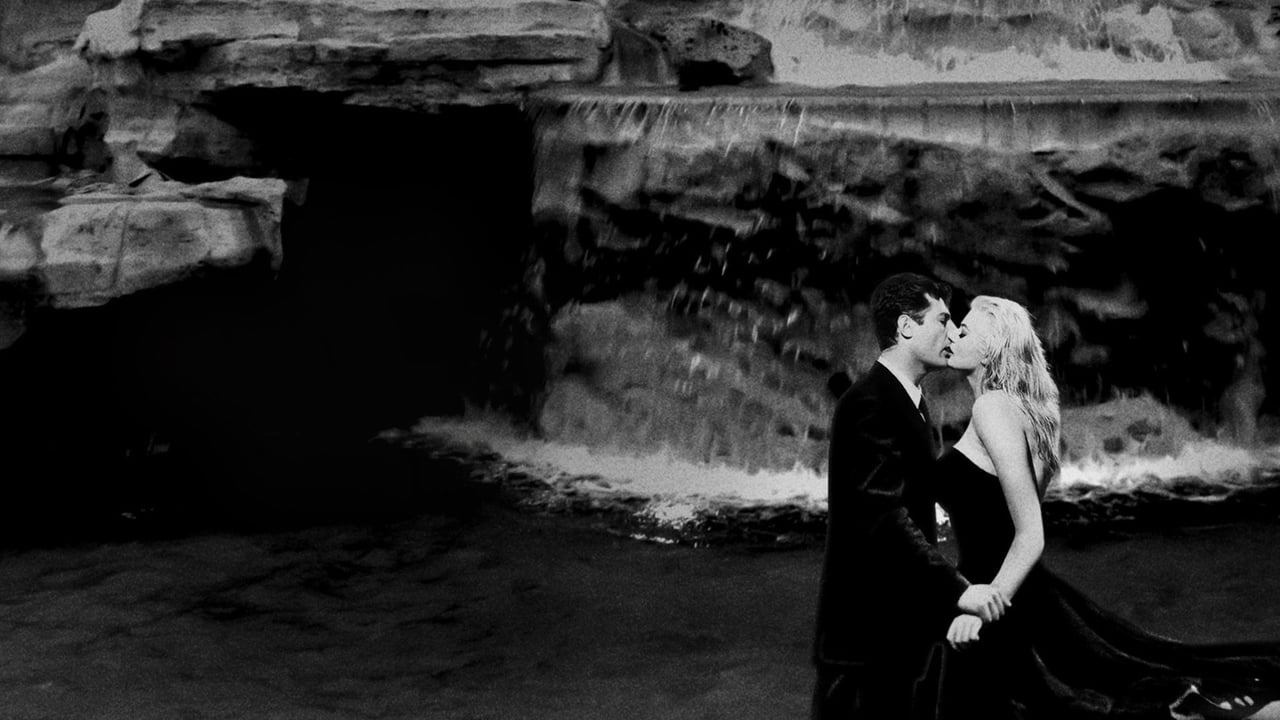
Marcello Mastroianni plays a gossip journalist drifting through a week of Roman nightlife, parties, and minor scandals in the Italy of the late 1950s economic boom. Fellini's three-hour film, structured as a series of long episodes rather than a conventional plot, gave the world the word "paparazzi" (the surname of a photographer character) and a definitive image of post-war glamour at the moment it was beginning to curdle.
The film won the Palme d'Or at Cannes and was nominated for four Academy Awards. Anita Ekberg's appearance in the Trevi Fountain is one of the most-quoted scenes in cinema. Fellini's break with strict neorealism is complete here: this is a film about surfaces, but one that finds genuine spiritual disquiet in their reflection.
5. 8½ (1963)
Dir. Federico Fellini · Italy / France · Drama / Comedy
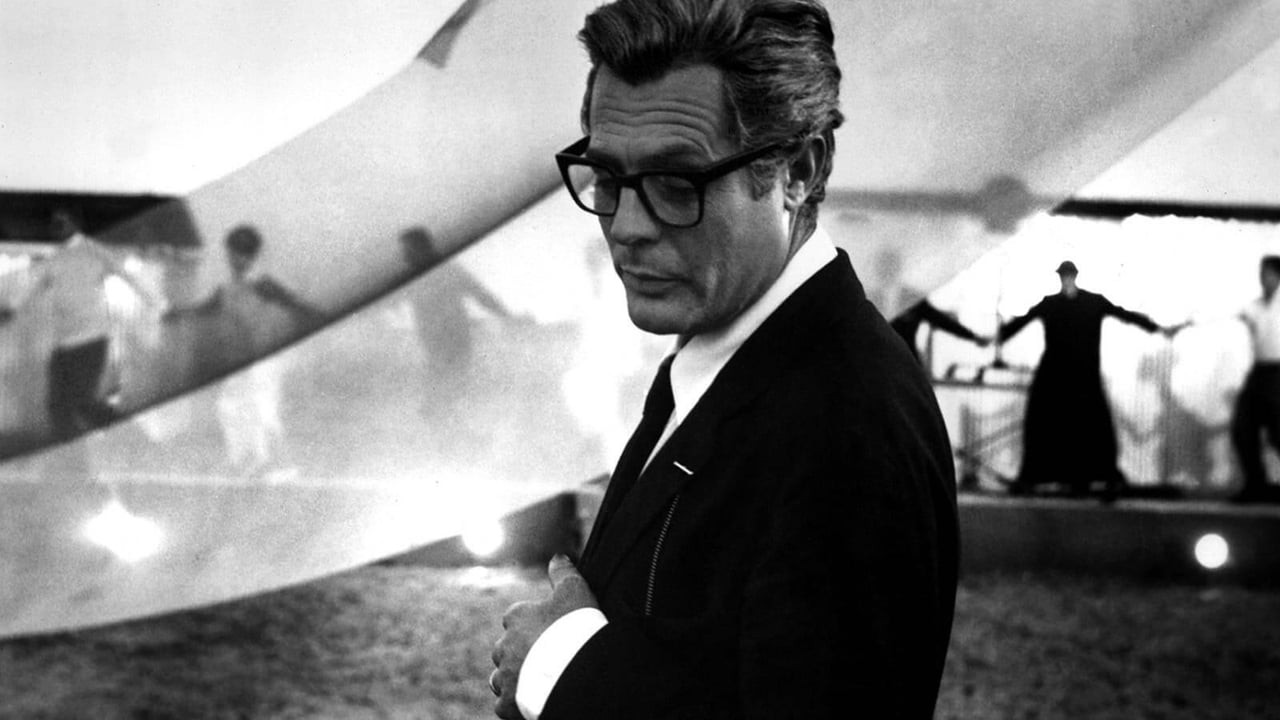
Fellini's most personal film and one of the most influential works of cinematic self-examination ever made. Marcello Mastroianni plays Guido Anselmi, a successful film director paralysed by the impossibility of beginning his next picture. Fellini blurs Guido's memories, dreams, and fantasies into the same fictional register as the film's present, and produces a portrait of creative crisis that has never been bettered.
The film won two Academy Awards, took the Grand Prix at Moscow, and has appeared in every Sight & Sound critics' poll since. It also became the basis for Bob Fosse's All That Jazz and the Broadway musical Nine. Mastroianni's performance, full of comedy and bewilderment, is a masterclass in screen presence.
6. The Leopard (1963)
Dir. Luchino Visconti · Italy / France · Drama / History
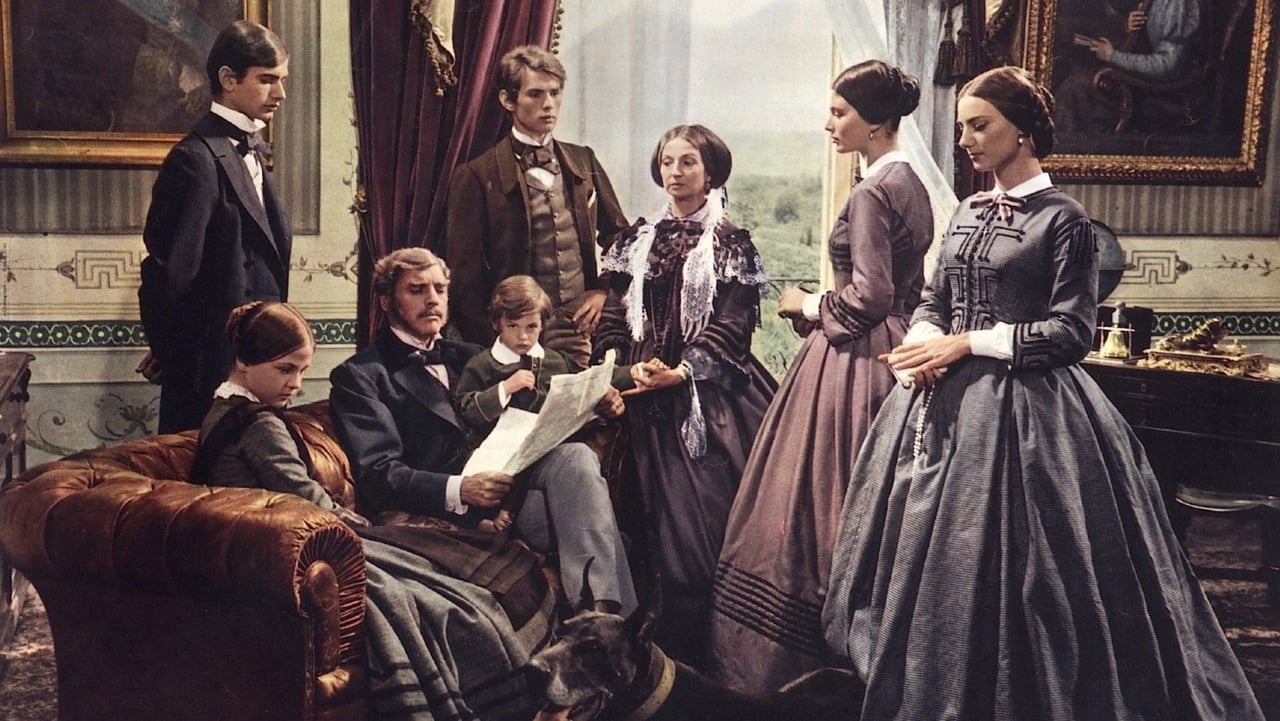
Luchino Visconti's adaptation of Giuseppe Tomasi di Lampedusa's novel is the great cinematic statement on the Risorgimento and the decline of the Sicilian aristocracy. Burt Lancaster plays Don Fabrizio, the prince of Salina, presiding over an old order he understands to be ending. Alain Delon plays his nephew Tancredi, who has thrown in his lot with Garibaldi's republicans. Claudia Cardinale plays the mayor's daughter who unsettles them both.
The film won the Palme d'Or in 1963. The forty-five-minute ball sequence at its centre is one of the most extraordinary set pieces in cinema, and the BFI's 2007 restoration is the way to see it. A film about the dignity of acceptance, made on a scale that very few national cinemas have ever attempted.
7. The Conformist (1970)
Dir. Bernardo Bertolucci · Italy / France / Germany · Drama / Mystery
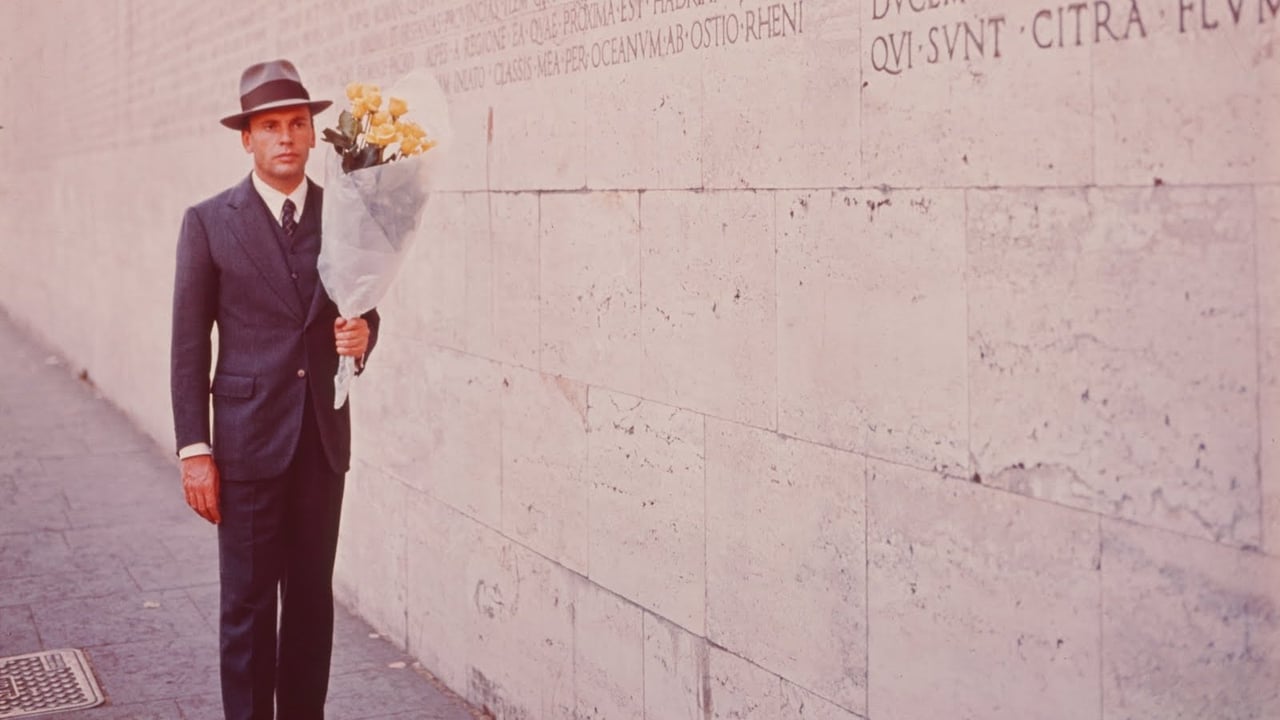
Bernardo Bertolucci was twenty-nine when he made what is still his finest film. Jean-Louis Trintignant plays Marcello Clerici, a young Italian fascist sent to Paris in 1938 to assist with a political assassination. Vittorio Storaro's photography (saturated, geometrical, full of impossible architecture and weather) is among the most beautiful in any film of the period.
The film was nominated for an Academy Award for Best Adapted Screenplay and exerted enormous influence on the next generation of American directors — Coppola, Scorsese, and Schrader have all named it as a primary text. Storaro went on to shoot Apocalypse Now. A film that uses the language of high style to interrogate the psychology of complicity.
8. Cinema Paradiso (1988)
Dir. Giuseppe Tornatore · Italy · Drama / Romance
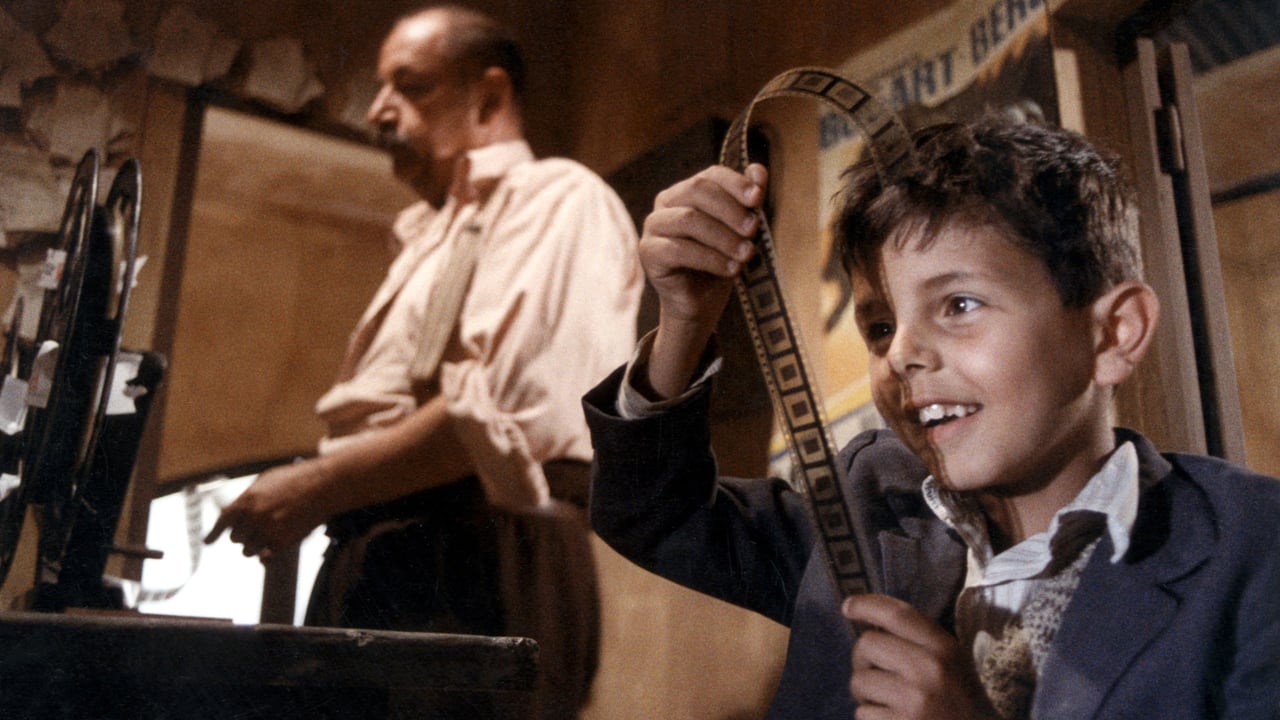
The most internationally beloved Italian film of its decade. Giuseppe Tornatore's drama follows Salvatore, a successful Roman film director, as he returns home to his small Sicilian town for the funeral of an old friend, and remembers his post-war childhood as the apprentice and adopted son of the local cinema's projectionist (Philippe Noiret).
The film won the Special Jury Prize at Cannes and the Academy Award for Best Foreign Language Film. Ennio Morricone's score is one of the great romantic film themes of the late twentieth century. The director's cut runs almost three hours and is the version to seek out. A film about cinema itself, made with extraordinary love for the medium and the small audiences that sustain it.
9. Life Is Beautiful (1997)
Dir. Roberto Benigni · Italy · Drama / Comedy
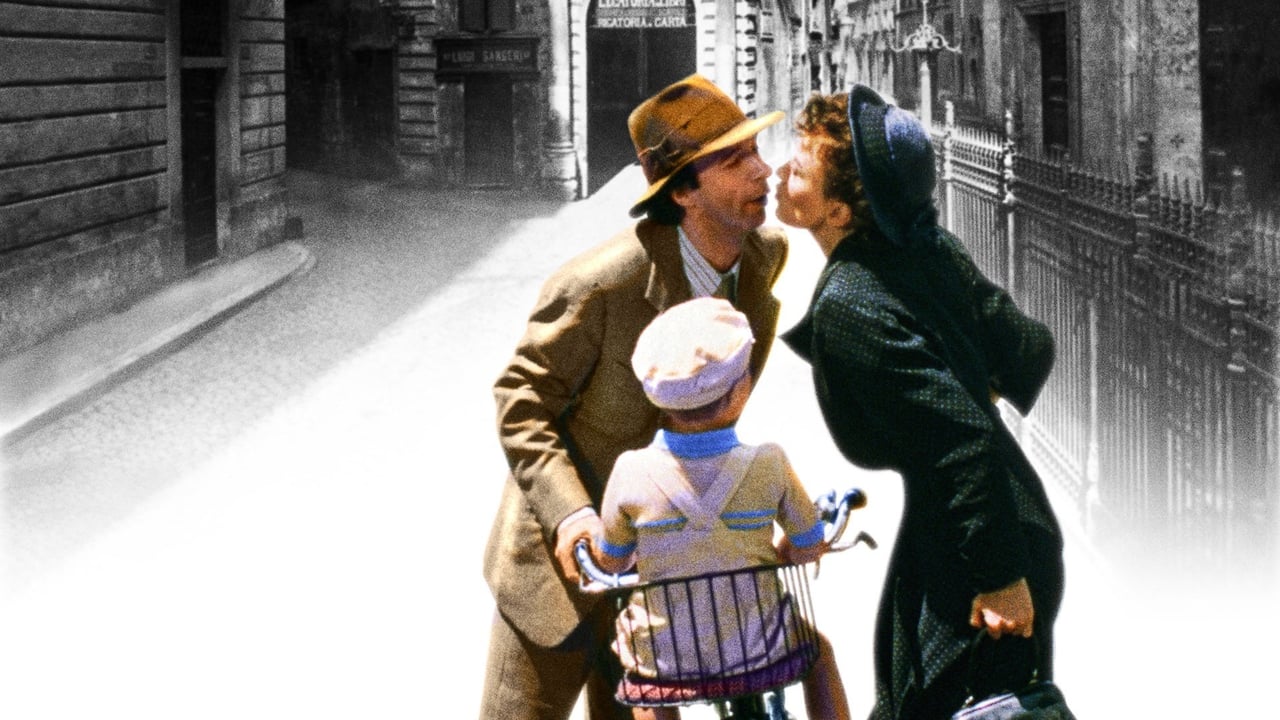
Roberto Benigni's third film as director, and the one that made him a global star. He plays Guido, a Jewish-Italian bookseller in late-1930s Tuscany, whose courtship of a local schoolteacher (Nicoletta Braschi, Benigni's real-life wife) gives way, in the film's second half, to deportation to a Nazi concentration camp with his young son.
The film was a phenomenon: three Academy Awards (Best Foreign Language Film, Best Actor, Best Original Score), the Grand Prix at Cannes, and a Golden Globe. Benigni's leap onto the chairs of the Dorothy Chandler Pavilion at the Oscars is one of the iconic moments of late-1990s cinema. A film that chooses to meet historical horror with the resources of comedy — a choice that some critics have contested, but that has earned the film a permanent place in the affections of millions.
10. The Hand of God (2021)
Dir. Paolo Sorrentino · Italy · Drama
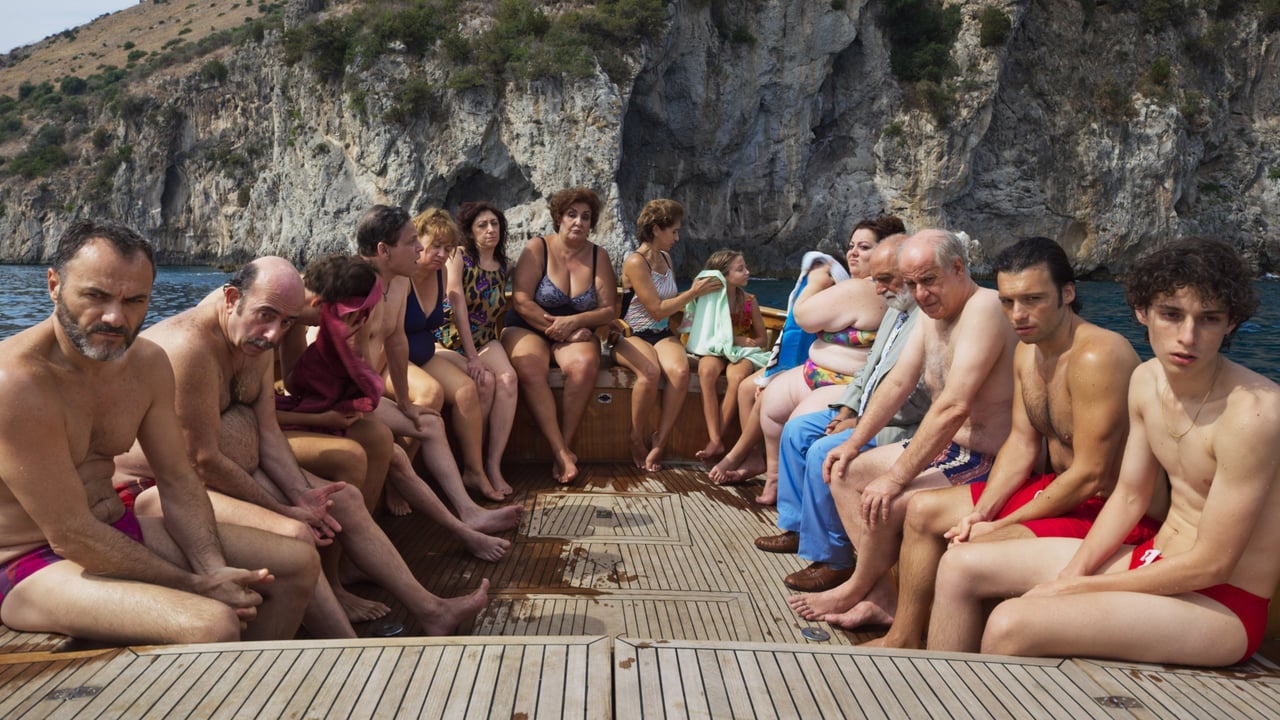
Paolo Sorrentino's most autobiographical film, made after a long career and the international success of The Great Beauty (2013) and the HBO series The Young Pope. Filippo Scotti plays Fabietto, a teenage cinephile in 1980s Naples whose middle-class family is in the middle of an extraordinary year — the year of Maradona's arrival at Napoli, and a series of personal upheavals he is too young to understand.
The film won the Grand Jury Prize at Venice and was nominated for the Academy Award for Best International Feature. Toni Servillo, Sorrentino's longtime collaborator, gives an extraordinary performance as Fabietto's father. A film about Naples that is also a film about how a young person becomes a filmmaker, made with the confidence of a director at the height of his powers.
The Italian Tradition
What unites these films, across seventy-three years, is a willingness to treat ordinary lives as the proper subject of serious art. Bicycle Thieves takes a working-class father seriously. The Hand of God takes a Neapolitan teenager seriously. The neorealist insight — that the lives of the poor and the middle classes are as worthy of cinematic attention as those of kings and aristocrats — has never been abandoned by Italian cinema, even when (as in The Leopard or La Dolce Vita) it is examining the upper reaches of society.
The other through-line is craft. Italian cinema has always taken the technical aspects of the medium seriously: photography, score, costume, set design. Vittorio Storaro, Ennio Morricone, Nino Rota, Tonino Delli Colli, Carlo di Palma — the names of Italian cinematographers and composers have populated international productions for sixty years, and the films above are showcases for the very best of that craft tradition.
Honourable Mention: Amarcord (1973)
Dir. Federico Fellini · Italy / France · Comedy / Drama
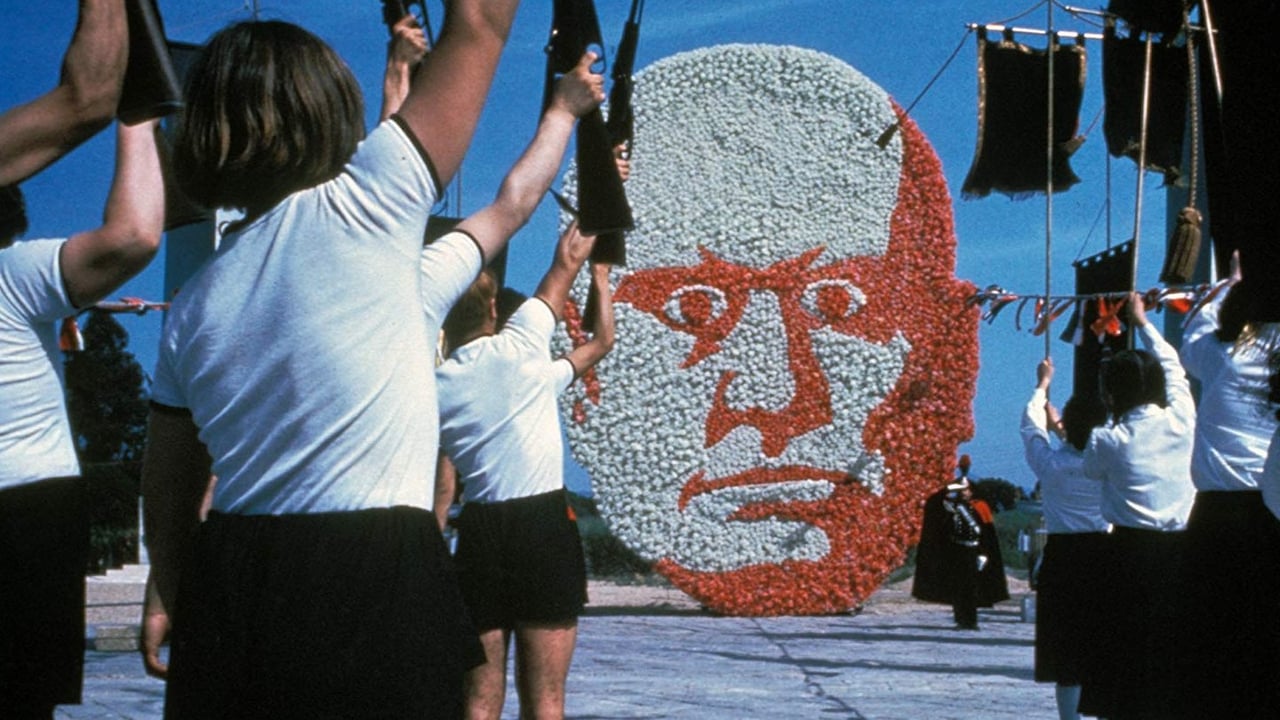
Fellini's nostalgic portrait of his hometown of Rimini in the 1930s, where the rituals of village life unfold against the backdrop of Mussolini's Italy. The film won the Academy Award for Best Foreign Language Film and remains one of the most beloved entries in Fellini's enormous body of work. Worth seeing on the same evening as Cinema Paradiso.
Where to Start
If you're new to Italian cinema, Cinema Paradiso and Life Is Beautiful are immediately accessible and showcase the popular face of Italian filmmaking at its best. For the foundations, Bicycle Thieves and Rome, Open City are the two films that more or less invented modern cinema as a medium of social witness. For something more recent, The Hand of God is the most rewarding Italian film of the past decade.
If you enjoyed this list, explore our companion guides — our 10 Must-Watch European Crime Films and our 10 Must-Watch European Horror Films. For neorealism and the wider war canon — Rossellini's Rome, Open City chief among them — see our 10 Must-Watch European War Films.