
Film
Cathy Come Home
A young working-class couple, Cathy and Reg, start married life full of hope, but a workplace injury and rising rents tip them into a downward spiral through Britain's housing system. Ken Loach's landmark 1966 docudrama (shot like reportage, unbearably immediate) about how quickly a family can fall through the cracks.
About
Broadcast by the BBC on 16 November 1966 as part of The Wednesday Play, Cathy Come Home was an early collaboration between director Ken Loach, producer Tony Garnett and writer Jeremy Sandford — the partnership that would define British social-realist television. Loach was not yet thirty; the techniques he forged here, shooting on 16mm film on real streets rather than in the studio, became the grammar of his entire career.
Sandford's screenplay, drawn from his own reporting on homelessness, follows Cathy (Carol White) and Reg (Ray Brooks), a young couple whose early happiness erodes as an accident, unemployment and unaffordable rent push them out of one precarious home after another. Loach blends scripted scenes with documentary-style voiceover and statistics, so that fiction and reportage become almost indistinguishable. White's performance — open-faced, unguarded — anchors a film that never lets the audience retreat into the comfort of watching actors.
The broadcast reached roughly twelve million viewers, a quarter of the British population, and its impact was immediate and concrete: it forced housing onto the parliamentary agenda and helped catalyse the founding of the charity Shelter. Polls have repeatedly named it among the greatest British television ever made, and it remains a touchstone for any argument that drama can change the world it depicts. Few single works of television have left so deep a mark on a country's conscience.
Top Cast
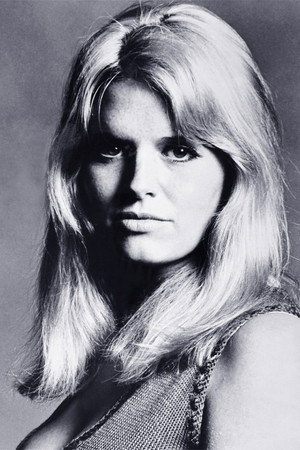
Carol White
Cathy Ward
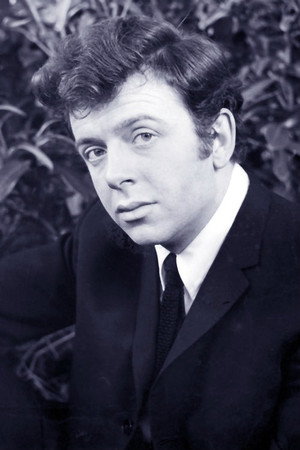
Ray Brooks
Reg Ward
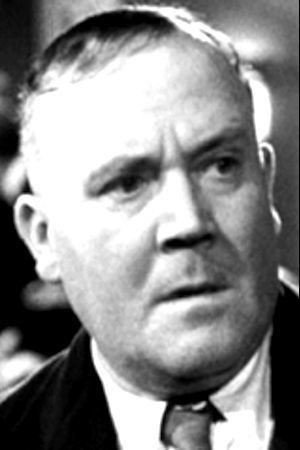
Wally Patch
Grandad
Adrienne Frame
Eileen
Winifred Dennis
Mrs. Ward
Awards, Festivals & Mentions
-
Cited as the second-greatest British television programme — BFI TV 100 (2000)
-
Cited as the best single television drama — Radio Times readers' poll (1998)
-
Cited as the UK's most influential television programme — Broadcast magazine (2005)


