
Film
Ida
In early 1960s Poland, a young novitiate nun named Anna is sent to meet her only living relative, her aunt Wanda, before taking her vows. Wanda reveals that Anna is actually Jewish, her real name is Ida, and that her parents were killed during the German occupation. The two women embark on a road trip to uncover the truth about Ida's family and their fate.
About
Paweł Pawlikowski's Ida won the Academy Award for Best Foreign Language Film in 2015 (Poland's first ever win in the category) alongside the BAFTA, the European Film Award for Best Film, and four Oscars and BAFTAs in technical categories. The film consolidated Pawlikowski, after a long career working primarily in British television and English-language cinema, as the most internationally significant Polish auteur of his generation; he would extend that position with Cold War (2018).
Early 1960s Poland. Anna (Agata Trzebuchowska, in a non-professional debut performance), a young novitiate nun who has been raised in a Catholic orphanage from infancy, is sent by her Mother Superior to meet her only living relative (her aunt Wanda Gruz (Agata Kulesza, in the supporting performance widely cited as the year's best)) before she takes her vows. Wanda, a hardened former Stalinist judge, reveals that Anna is actually Jewish, her real name is Ida Lebenstein, and her family had been killed during the German occupation. The film follows the two women's brief journey across post-war Polish countryside as they attempt to find out what happened to Ida's family.
The film is shot in stark black-and-white in Academy ratio 1.37:1, with Łukasz Żal's photography placing characters at the bottom of the frame and using long static takes throughout. The visual register has been continuously cited as a foundational reference point in subsequent monochrome-period European cinema. The film's commitment to historical specificity (the precise mid-1960s Polish geography, the Solidarity-prefiguring institutional environment of provincial Poland) combines with Trzebuchowska's central performance into one of the quietest works of recent European canon.
Where to Watch
Not currently available in your country.
Available in: , , , , , , , , , , ,









































Streaming availability via JustWatch. Last checked 2026-10-11.
Top Cast

Agata Trzebuchowska
Anna
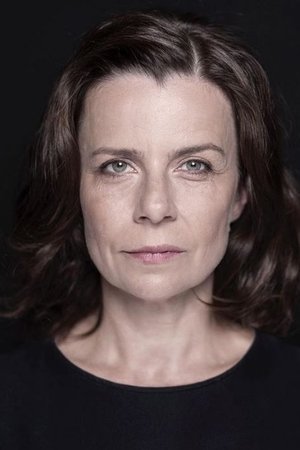
Agata Kulesza
Wanda
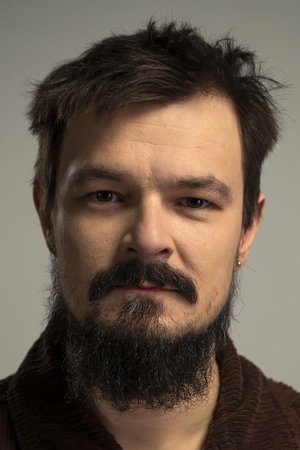
Dawid Ogrodnik
Lis
Jerzy Trela
Szymon

Adam Szyszkowski
Feliks
Awards, Festivals & Mentions
-

Winner × 2 — Oscars: Best Foreign Language Film, Best International Feature Film
-
Winner — BAFTA Award Best Film Not in the English Language
-

Winner × 5 — European Film Awards: Best Film, Best Cinematographer, Best Director, Best Screenwriter, Best People's Choice Award
-

Winner — Cannes Film Festival (FIPRESCI Prize)
-
Nominee — Academy Award Best Cinematography
-
Nominee — European Film Award Best Actress




In these collections
Featured In
- 10 Must-Watch Polish Films 26 May 2026