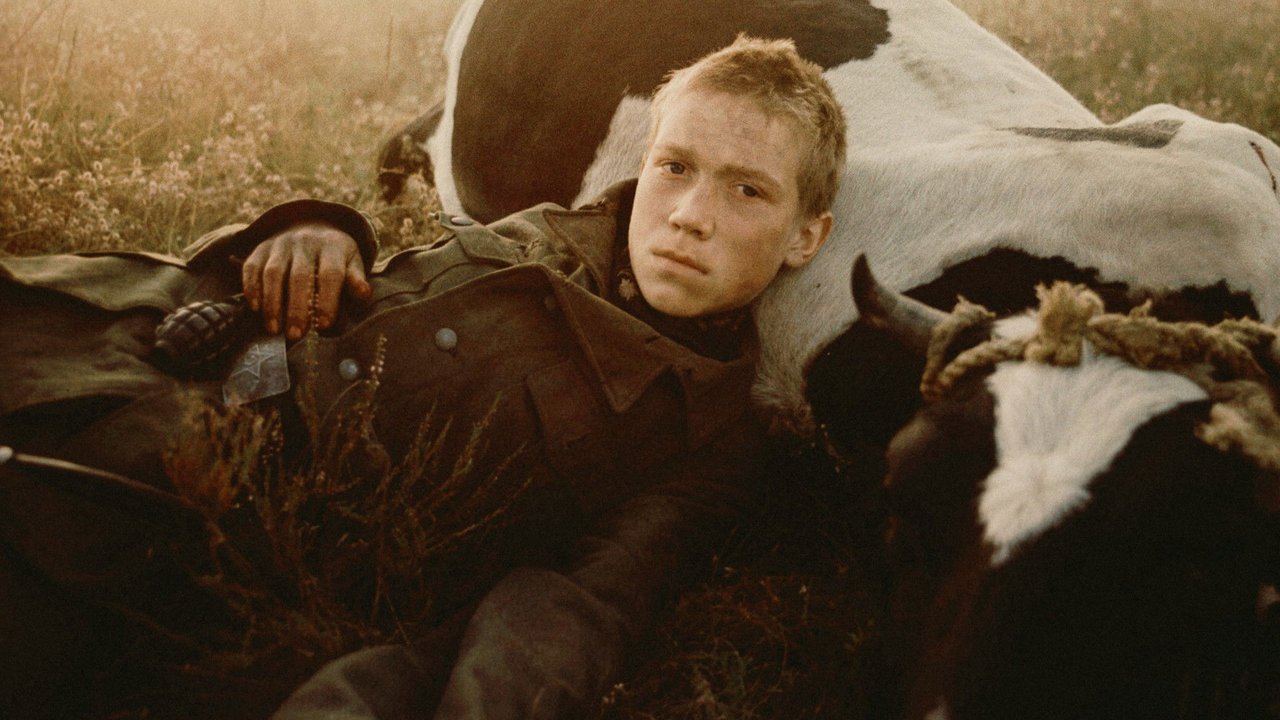
From the moral inquiries of the Polish Film School to Pawlikowski's monochrome romances and Skolimowski's donkey-eyed view of Europe, ten films that explain why Polish cinema keeps finding new ways to look at history.
Polish cinema has, for most of its existence, been a cinema of pressure. The Polish Film School of the late 1950s (Andrzej Wajda, Andrzej Munk, Jerzy Kawalerowicz) used the brief thaw after Stalin's death to interrogate the war and the occupation in a way that neither Soviet propaganda nor Western sentimentality could quite manage. Out of the Łódź Film School, which trained both Roman Polanski and Krzysztof Kieślowski, came filmmakers who treated cinema as a serious moral instrument — a way of asking what people owe each other under regimes that don't care.
Kieślowski's career, from the documentary realism of the 1970s to the metaphysical pulse of the Three Colours trilogy and The Double Life of Véronique, remains the country's central reference point. Around him, the post-1989 reckoning produced a generation of filmmakers who turned to the archives and the family album: Agnieszka Holland, Wojciech Smarzowski, Małgorzata Szumowska. And in the last decade a New Polish Cinema has emerged with international heat, led by Paweł Pawlikowski (Oscar for Ida, Cannes Best Director for Cold War), Jerzy Skolimowski (back at Cannes in his eighties with EO), Jan Komasa (Corpus Christi's Oscar nomination), and the painter-animators Dorota Kobiela and Hugh Welchman.
The list below moves between eras and registers — wartime survival, post-war communism, post-1989 spiritual reckoning, the metaphysical, the animated — but every film here is, in one way or another, about a country that has had to keep re-inventing how it tells itself. These are the ten Polish films we'd press on any stranger curious about why this small country keeps making some of Europe's best cinema.
1. Cold War
Dir. Paweł Pawlikowski · Poland / UK / France · Cannes Best Director (2018)

Paweł Pawlikowski's follow-up to Ida is, by his own account, a loose echo of his parents' romance — a doomed, decades-spanning love story between a composer and a young singer who meet in late-1940s Poland as Wiktor (Tomasz Kot) auditions performers for a state-sponsored folk ensemble. Shot in luminous black-and-white in a boxy 1.37:1 ratio by Łukasz Żal, the film moves in elliptical jumps from communist Poland to Berlin to Paris jazz clubs to Yugoslavia, each cut leaving years of unspoken history in its wake.
At Cannes 2018 it won Pawlikowski the prize for Best Director, and at the Academy Awards it earned three nominations — Best Director, Best Foreign Language Film, and Best Cinematography — a rare feat for a non-English-language film outside the Foreign category. Joanna Kulig, as Zula, gives one of the decade's most magnetic performances, all defiance and exhaustion. Critics described the film as a romance told in ellipses; the gaps are where it hurts.
2. Ida
Dir. Paweł Pawlikowski · Poland / Denmark · Academy Award Best Foreign Language Film (2015)
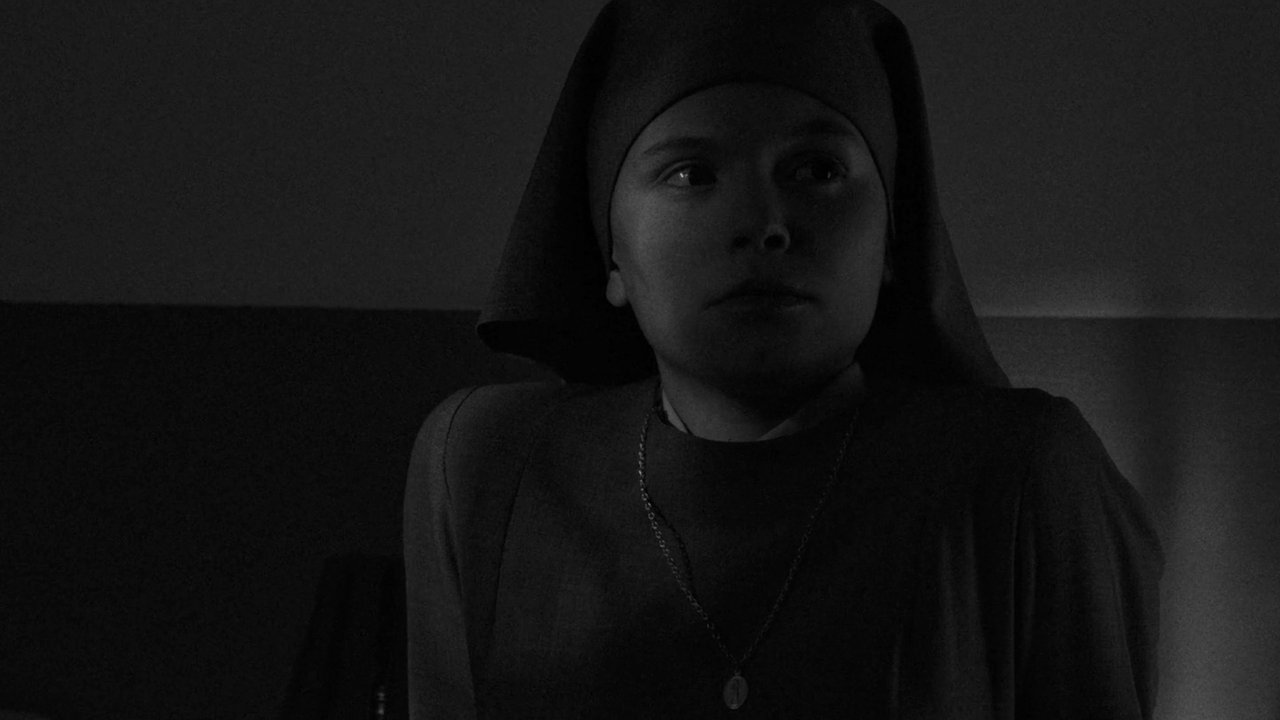
In early 1960s Poland, a young novice named Anna (Agata Trzebuchowska, cast off the street) is sent to meet her only living relative on the eve of taking her vows. Her aunt Wanda, a hardened state prosecutor played by the great Agata Kulesza, immediately tells her that she is Jewish, that her birth name is Ida, and that her parents were killed during the German occupation. What follows is a quiet road trip into the Polish countryside in search of a family secret neither woman is sure she wants to know.
Pawlikowski shoots in austere black-and-white Academy ratio, with characters often pushed to the bottom of the frame and vast empty skies pressing down from above. Ida became the first Polish film to win the Academy Award for Best Foreign Language Film, taking the BAFTA and the European Film Award for Best Film along the way. At 82 minutes it is one of the shortest Best Picture-tier films of the decade — and one of the most concentrated.
3. Three Colours: Blue
Dir. Krzysztof Kieślowski · France / Poland / Switzerland · Venice Golden Lion (1993)
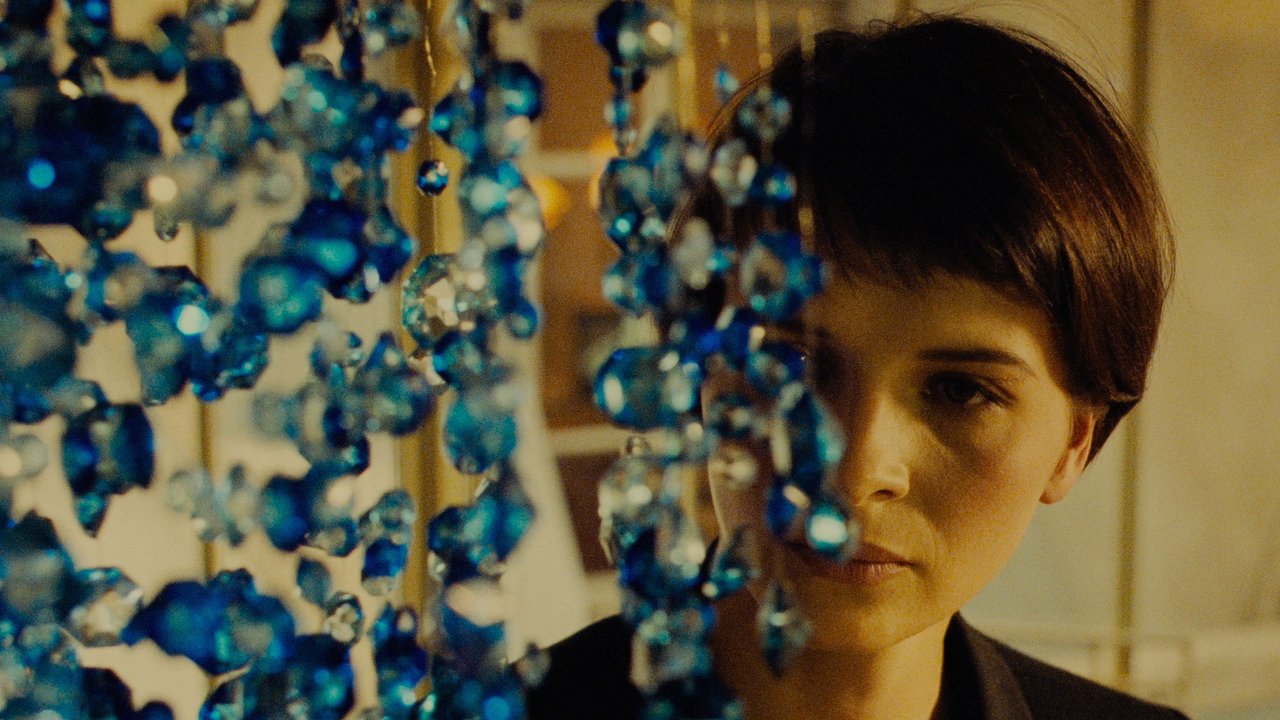
The first instalment of Krzysztof Kieślowski's Three Colours trilogy — themed on the colours of the French flag and the values of liberté, égalité, fraternité — opens with a car crash that kills the husband and young daughter of Julie (Juliette Binoche). What Kieślowski and his long-time co-writer Krzysztof Piesiewicz then make is not a film about grief in the conventional sense but about the impossibility of disappearing: Julie tries to strip her life of attachments, possessions, identity, and finds that the world keeps reaching back.
Sławomir Idziak's cinematography drenches scenes in deep saturated blues; Zbigniew Preisner's score (officially credited to a fictional Dutch composer within the film's universe) is one of the most extraordinary in 1990s European cinema. Blue won the Golden Lion at Venice and the César for Best Film, with Binoche taking Best Actress in both. It remains the gateway film into Kieślowski's late, metaphysical phase.
4. The Double Life of Véronique
Dir. Krzysztof Kieślowski · Poland / France · Cannes Best Actress (1991)
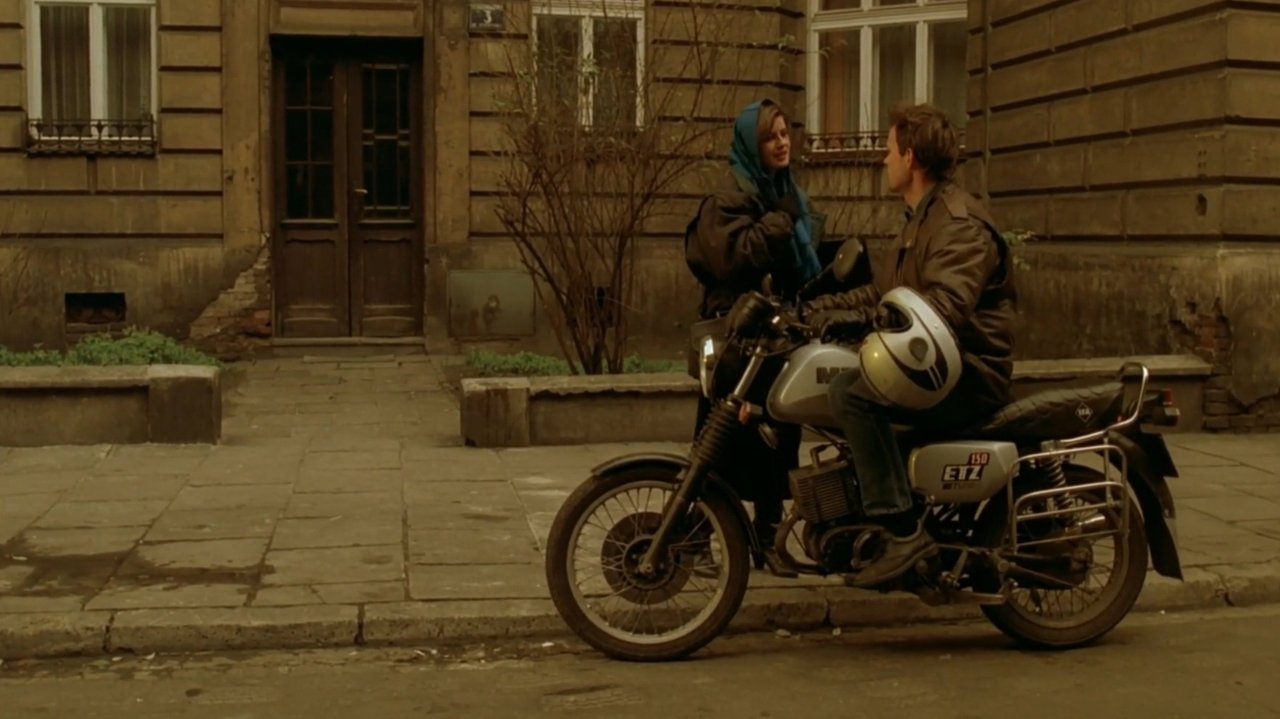
Kieślowski's most enigmatic film, and the one that introduced him to international audiences just before the Three Colours trilogy. Irène Jacob plays two young women — Weronika in Kraków and Véronique in Paris — who share a face, a soul, a vocal gift, and a vague but persistent sense of each other's presence. They never meet. The film follows each in turn, in a structure that asks the viewer to feel a connection the characters themselves can barely articulate.
Shot in honey-and-gold tones by Sławomir Idziak, with another haunting Preisner score built around an invented baroque cantata, Véronique won Jacob the Best Actress prize at Cannes 1991 and earned a Golden Globe nomination for Best Foreign Language Film. It is the rare film in which mood, music, and image carry as much narrative weight as plot — a meditation on coincidence, intuition, and the possibility that we are not as singular as we feel.
5. The Pianist
Dir. Roman Polanski · France / Germany / Poland / UK · Cannes Palme d'Or (2002)
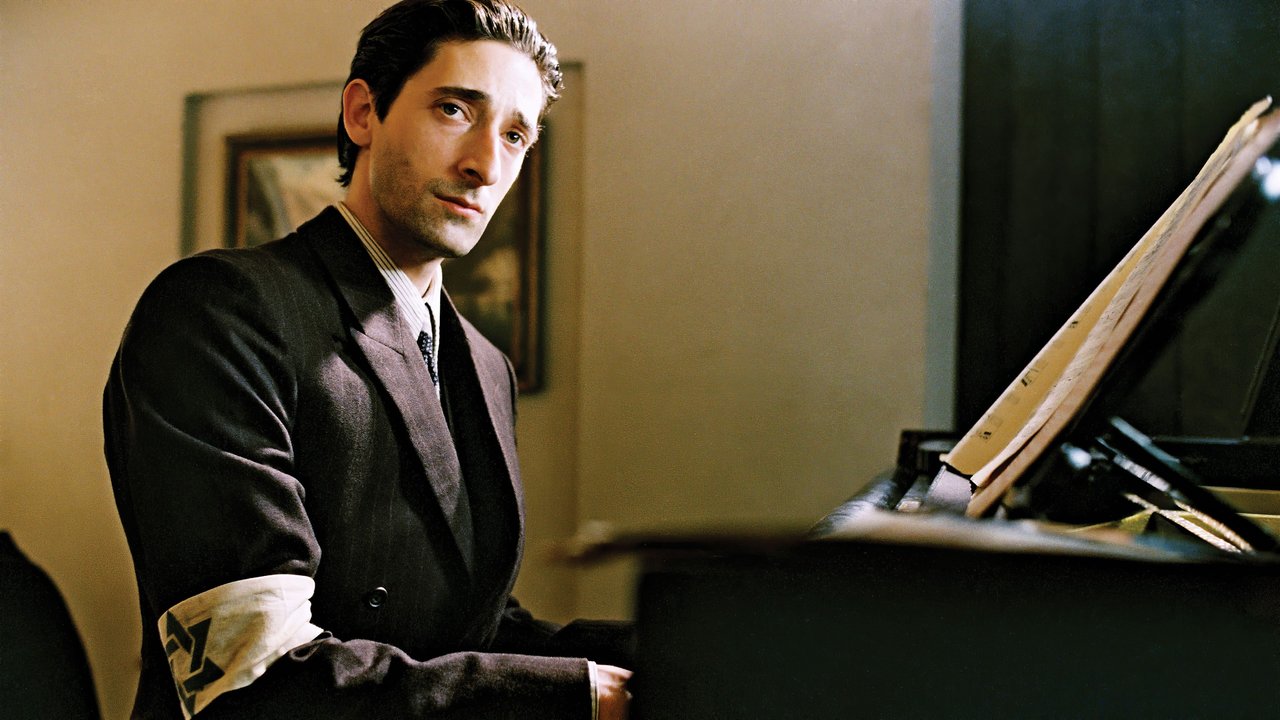
Roman Polanski's adaptation of Władysław Szpilman's memoir is the most personal film of his career — Polanski himself, as a child, escaped the Kraków ghetto, and the production was the project he had refused to make for decades before circumstances finally aligned. Adrien Brody, who lost thirty pounds and learned to play Chopin for the role, plays Szpilman, a celebrated Polish-Jewish pianist whose life is overtaken by the Nazi occupation of Warsaw and the systematic destruction of the city's Jewish population.
The film won the Palme d'Or at Cannes 2002 and three Academy Awards — Best Director for Polanski, Best Adapted Screenplay for Ronald Harwood, and Best Actor for Brody, who at twenty-nine became the youngest winner in the category's history. Roger Ebert called it the work of a master who had been waiting his whole life to make this film. It remains the definitive cinematic account of survival in occupied Warsaw, austere and unsentimental.
6. EO
Dir. Jerzy Skolimowski · Poland / Italy · Cannes Jury Prize (2022)
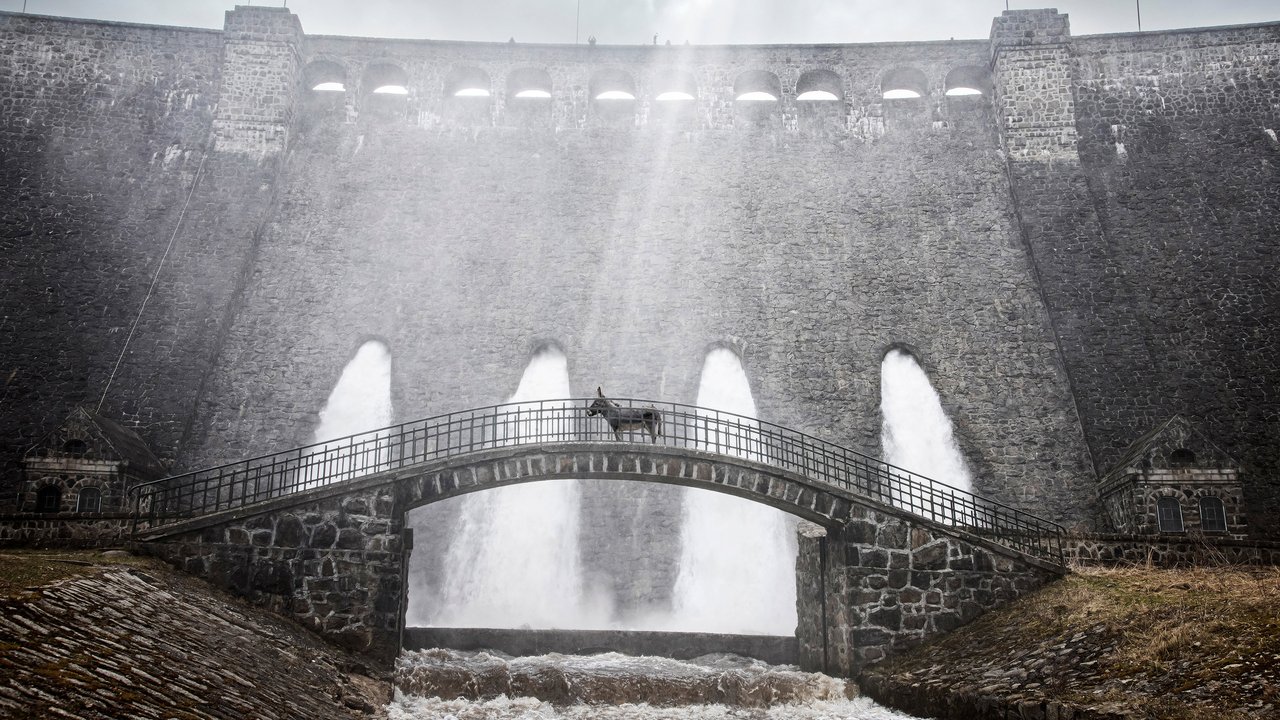
At eighty-four, Jerzy Skolimowski returned to Cannes with a film inspired by Robert Bresson's Au Hasard Balthazar — a near-wordless journey through contemporary Europe seen from the point of view of a grey circus donkey named EO. After Polish animal-rights legislation breaks up the circus and separates EO from his beloved performer Kasandra, the donkey is sent out into the world, where he passes through farms, football fans, slaughterhouses, Italian villas, and the company of Isabelle Huppert in a late, gnomic cameo as a wounded countess.
EO shared the Jury Prize at Cannes 2022 and was nominated for the Academy Award for Best International Feature. Six donkeys play the lead role; cinematographer Michał Dymek shoots them as if filming an actor, often through filters of saturated red. It is one of the boldest formal experiments in recent European cinema — a film about the moral life of the continent, refracted through an animal's gaze.
7. Corpus Christi
Dir. Jan Komasa · Poland / France · Academy Award Nomination (2020)
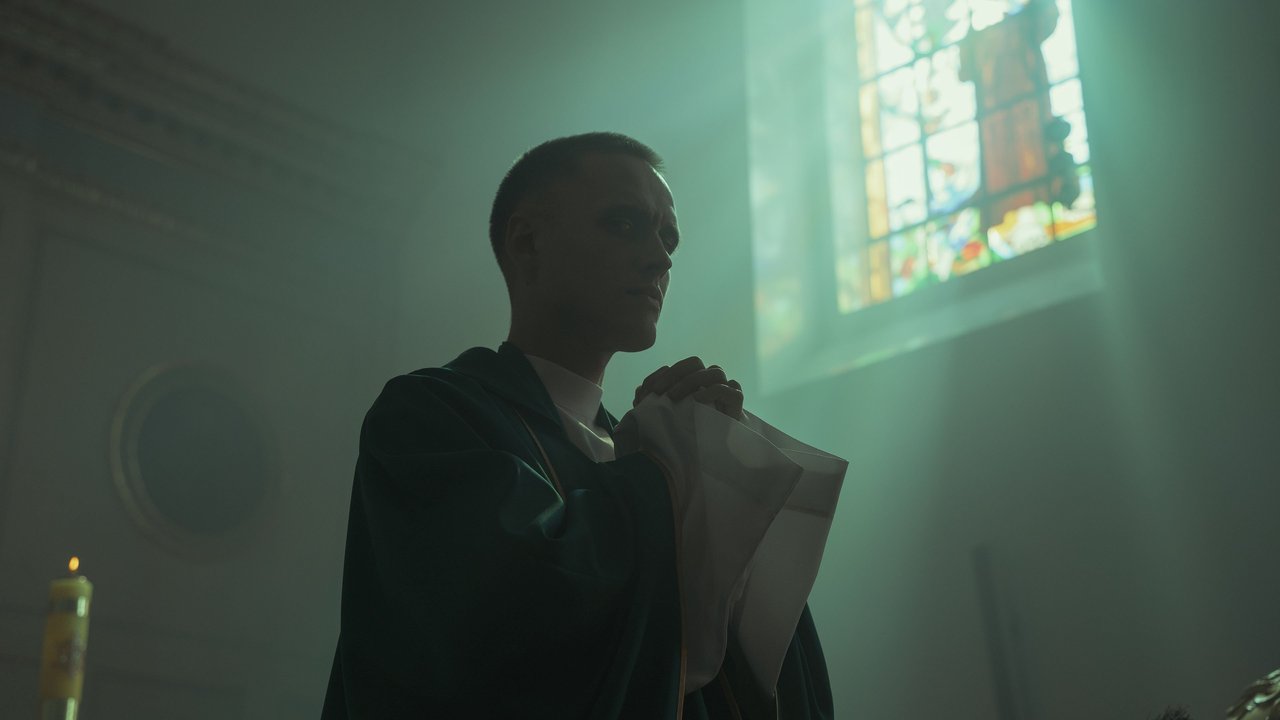
A twenty-year-old fresh out of youth detention wants to enter the seminary and can't — his criminal record won't allow it. Sent to a sawmill job in a small Polish town, he is mistaken for a visiting priest and, on impulse, accepts the collar. Jan Komasa's Corpus Christi takes this almost-implausible premise (loosely inspired by real cases of impostor clergy in Poland) and turns it into one of the most morally serious films of the post-2010 European wave.
Bartosz Bielenia, pale and hollow-eyed, gives a performance that hovers between feral intensity and unexpected tenderness; the casting director found him in a Warsaw theatre school. The film earned an Academy Award nomination for Best International Feature, European Film Award nominations for Best Actor and Best Director, and the Venice Edipo Re Award. It speaks to a Poland still negotiating the role of the Catholic Church in its public life, and does so without ever lapsing into satire or sermon.
8. Europa Europa
Dir. Agnieszka Holland · Germany / France / Poland · Golden Globe Best Foreign Language Film (1992)
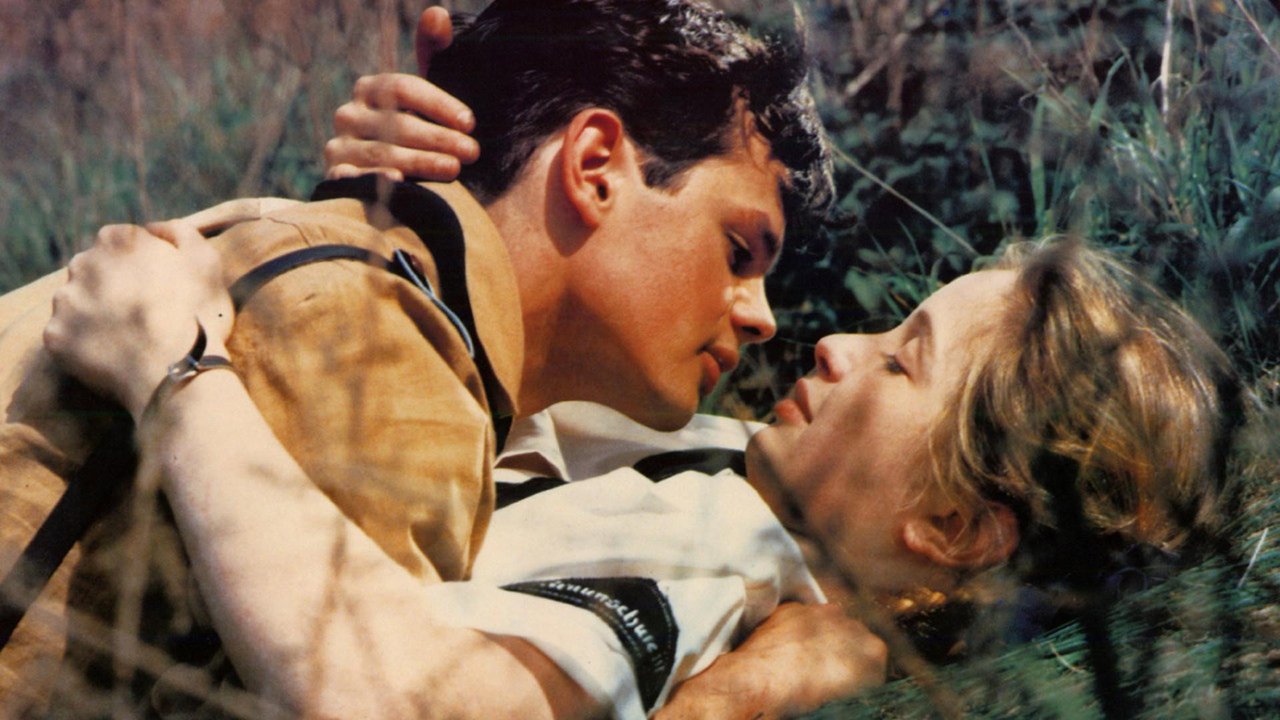
Agnieszka Holland's adaptation of Solomon Perel's memoir tells the almost unbelievable true story of a German-Jewish teenager who, fleeing east into the Soviet Union when the war breaks out, is captured by the Wehrmacht and survives by passing as a pure-blooded Aryan — eventually adopted as a Hitler Youth mascot. Marco Hofschneider plays Salomon with a watchful, exhausted blankness; the real Perel appears briefly in the closing frames, singing a Hebrew song.
The film won the Golden Globe for Best Foreign Language Film and earned Holland an Academy Award nomination for Best Adapted Screenplay — but, controversially, was not submitted by Germany as its Oscar entry, a decision that triggered a public outcry and helped change submission rules. Holland films Perel's double life without romance or relief, letting the absurdity of the situation generate its own moral horror. It remains one of the indispensable Holocaust films of the 1990s.
9. Loving Vincent
Dir. Dorota Kobiela, Hugh Welchman · Poland / UK · Academy Award Nomination Best Animated Feature (2018)
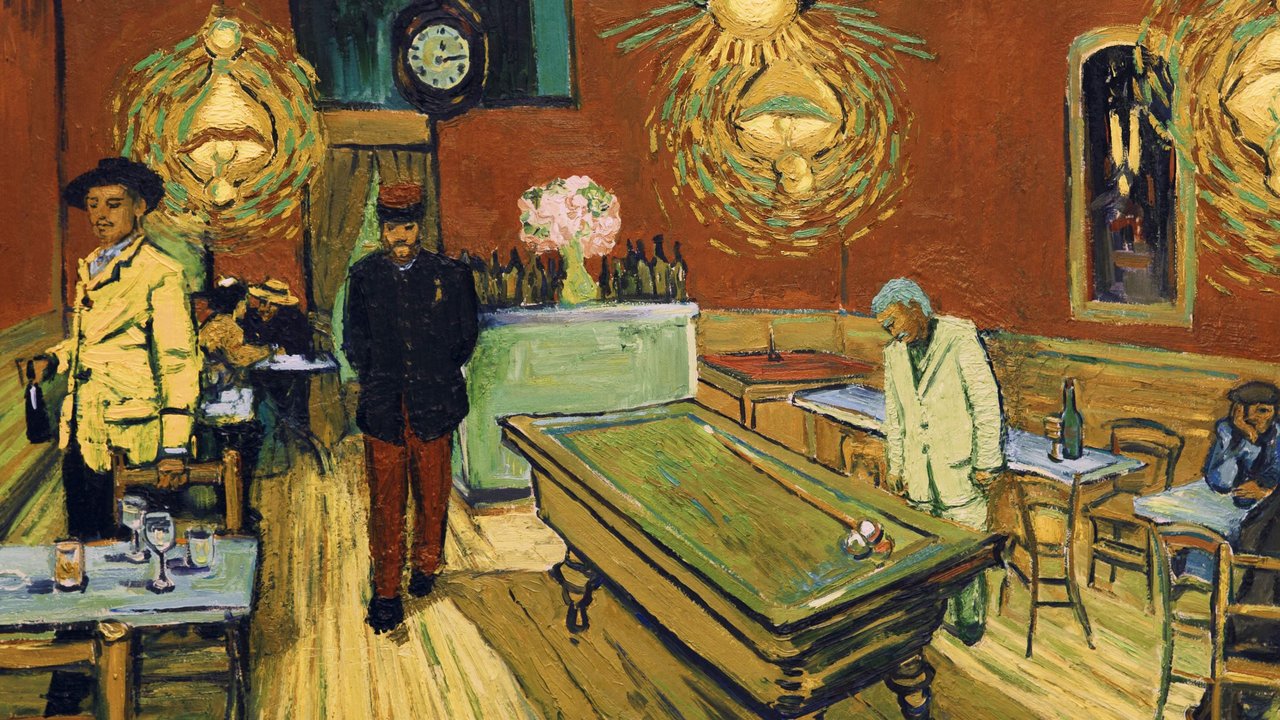
The world's first fully painted feature film. Every one of Loving Vincent's sixty-five thousand frames is an oil painting on canvas, executed in Vincent van Gogh's own palette and brushwork by 125 trained painters across studios in Poland and Greece. The narrative — a young man (Douglas Booth) retracing Van Gogh's final months a year after his death, interviewing those who knew him — is gently noir, with a cast that includes Saoirse Ronan, Helen McCrory, Aidan Turner, and Chris O'Dowd as the painter's circle.
Co-directed by Dorota Kobiela (a painter herself, who first conceived the project as a short) and Hugh Welchman, the film won the European Film Award for Best Animated Feature and was nominated for the Academy Award and BAFTA in the same category. It is at once a biographical detective story and an extended visual essay on Van Gogh's way of seeing — the canvases finally moving the way he must have wanted them to.
10. Quo Vadis, Aida?
Dir. Jasmila Žbanić · Bosnia and Herzegovina / Austria / Romania / Netherlands / Germany / Poland / France / Norway · Academy Award Nomination (2021)
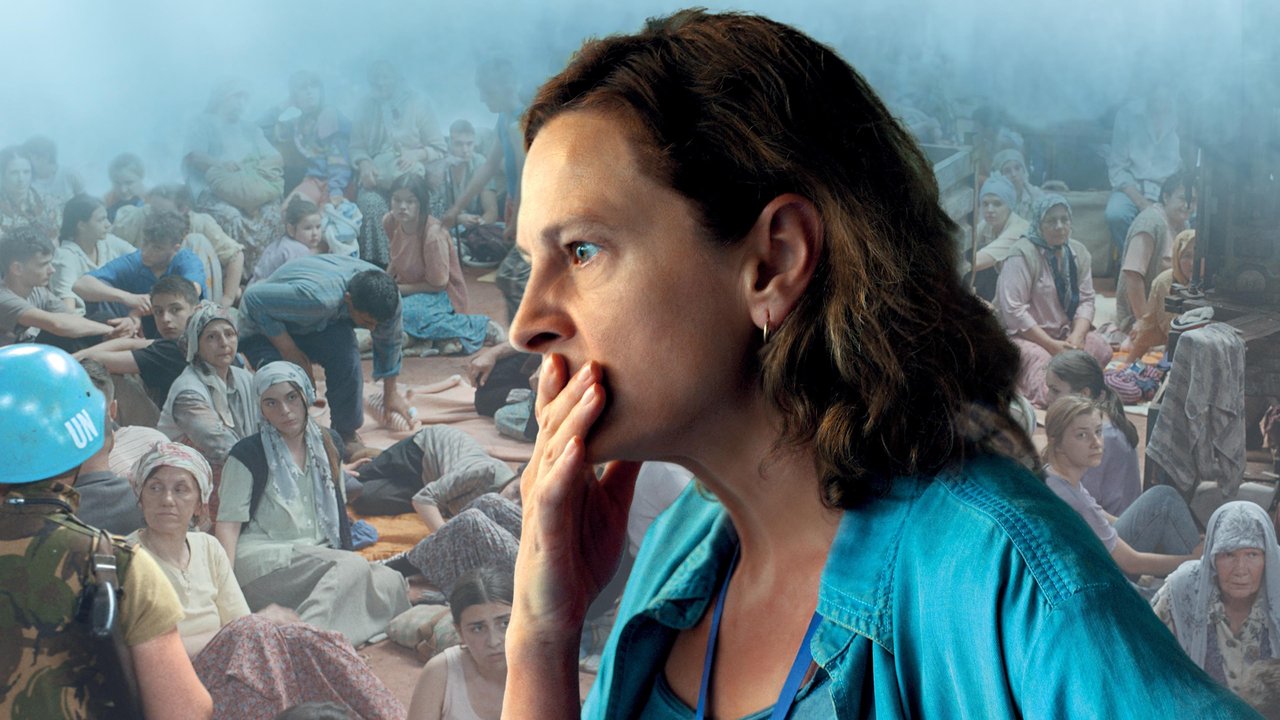
A Polish co-production with seven other European partners, Jasmila Žbanić's film reconstructs the days leading up to the Srebrenica massacre of July 1995 from inside the Dutch UN base where thousands of Bosniak civilians sought refuge. Aida (Jasna Đuričić, in a performance of granite restraint) is the UN translator caught between the failing peacekeepers, the closing Bosnian Serb forces, and her own husband and two sons among the displaced.
Žbanić, herself a Sarajevo native who survived the siege as a teenager, refuses both melodrama and didacticism. The film earned an Academy Award nomination for Best International Feature, won the European Film Award for Best Film, Best Director, and Best Actress, and is widely cited as the most important cinematic account of the genocide. Polish involvement here is structural, not symbolic: the country's co-production funds have, for two decades, been one of the quiet engines of serious European cinema about hard subjects.
A National Cinema That Refuses to Settle
What links these ten films, despite the gulf between Kieślowski's metaphysics and Skolimowski's donkey, is a refusal to let the past be merely past. Whether the subject is the Warsaw Ghetto, a 1960s convent, a Cold War nightclub, or a contemporary parish, Polish cinema keeps returning to the question of what people do with the histories they inherit. The Polish Film School posed it under censorship; Kieślowski extended it into the spiritual; the post-1989 generation widened it to include the Church, the family album, and the borders of Europe.
It is also, importantly, an internationalist cinema. Almost every film on this list is a co-production — with France, Germany, the UK, Denmark, Italy, the Netherlands. Polish funding, Polish crews, and the Łódź school's pedagogical reach have shaped projects far beyond the country's borders, including some of the most important war and Holocaust films of the last forty years.
If you've come to this list through a single famous title, the others are not consolation prizes — they are the conversation that title belongs to. Watch Cold War after Ida; watch The Double Life of Véronique before Blue; watch EO the day after Au Hasard Balthazar.
For more on the wartime register that runs through several of these films, see our 10 Must-Watch European War Films. The recent end of Corpus Christi's decade is mapped further in our 10 Must-Watch European Films of 2024, and Pawlikowski's latest, Fatherland, took the tied Best Director prize at Cannes — see Every Cannes 2026 Winner You Need to See.
For the other great post-communist national cinema, austere where Polish film is often lyrical, see our 10 Must-Watch Romanian Films.