
Film
Mustang
Five orphan sisters in a small Turkish village are progressively confined to their home by their uncle and grandmother after being seen playing innocently with boys on the last day of school, the family replacing windows with bars and freedoms with arranged marriages. Told from the youngest sister's point of view, Deniz Gamze Ergüven's debut is a luminous, fierce story of confinement and resistance, in which female solidarity becomes the only form of escape available.
About
Deniz Gamze Ergüven's Mustang opened at Cannes Directors' Fortnight in 2015 and was nominated for the Academy Award for Best Foreign Language Film as France's official Oscar submission, alongside the César for Best First Film. The film consolidated Ergüven, a French-Turkish director making her debut feature, as one of the most distinctive new directorial voices of her generation. The screenplay was co-written by Ergüven with Alice Winocour.
Five orphan sisters (Lale, Nur, Ece, Selma and Sonay) live with their grandmother and uncle in a small Turkish-Black-Sea-coastal village. After being seen playing innocently with boys on the last day of school (chicken-fights in the sea, splashing each other in their school-uniform skirts) the girls are progressively confined to the family home, with the family elders interpreting the playful incident as a moral threat to family honour. The film follows the months of the girls' confinement and their continuing attempts to maintain their friendship and identities under the family's tightening control.
The film operates simultaneously as coming-of-age drama, contemporary Turkish-cultural document, and meditation on what young women's actual options are within a traditional rural family environment. The five lead performances (particularly Güneş Şensoy as the youngest sister Lale) anchor the film's continuing emotional register. David Chizallet and Ersin Gök's photography of the actual Black-Sea-coast village and the family-house interiors produced a distinctive visual register that has continued to be cited in subsequent Turkish-language cinema.
Where to Watch
Not currently available in your country.
Available in: , , , , , , , , , , , , , , ,














































Streaming availability via JustWatch. Last checked 2026-09-27.
Top Cast
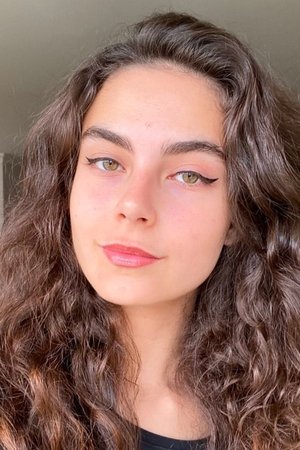
Güneş Nezihe Şensoy
Lale
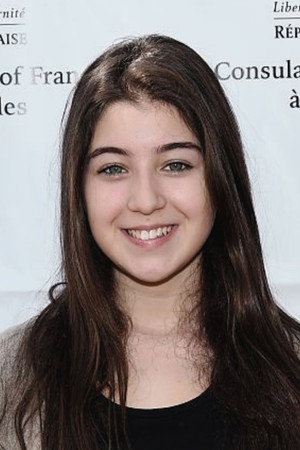
Doğa Zeynep Doğuşlu
Nur

Elit İşcan
Ece
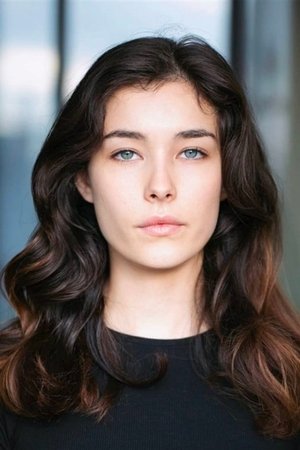
Tuğba Sunguroğlu
Selma

Ilayda Akdoğan
Sonay
Awards, Festivals & Mentions
-

Winner — César Award Best First Film
-

Nominee × 2 — Oscars: Best Foreign Language Film, Best International Feature Film
-

Nominee × 2 — European Film Awards: Best Film, Best People's Choice Award


