
Film
Pandora's Box
Die Büchse der Pandora
In late Weimar Germany, the dazzling, unselfconscious dancer Lulu (Louise Brooks) ruins every man, and a few women, whose paths she crosses. G.W. Pabst's silent landmark gives Brooks one of the most modern performances in early cinema.
About
G. W. Pabst's Pandora's Box (Die Büchse der Pandora) opened in 1929 and sits in the upper tier of every Sight & Sound poll covering silent cinema. Pabst cast the American actress Louise Brooks against a good deal of advice from his German collaborators, and the film made her one of the best-loved female presences of the silent era. Her reputation still rests almost entirely on this film and her second for Pabst, Diary of a Lost Girl.
In late-Weimar Berlin, the dazzling, unselfconscious dancer Lulu (Louise Brooks) moves through the early-1929 demi-monde, a world first sketched in Frank Wedekind's source plays (the late-nineteenth-century Erdgeist and Die Büchse der Pandora). The film follows her through a series of relationships and across the wider Europe that Pabst took over from Wedekind and updated: a Berlin newspaper editor, a wealthy patron, the moneyed world of German theatre, and the men and women drawn in behind them.
Everything rests on Brooks's physical presence. Her bobbed haircut became a fashion reference around the world, and her direct, open gaze into the camera is among the best-loved images of silent cinema; the film's critical standing has climbed steadily over the decades as a result. Günther Krampf's photography of late-Weimar Berlin and its nightlife counts among the foundational achievements of late-silent cinematography.
Where to Watch
Not currently available in your country.
Available in: , , , , , , , , , ,



























Streaming availability via JustWatch. Last checked 2026-11-08.
Top Cast

Louise Brooks
Lulu
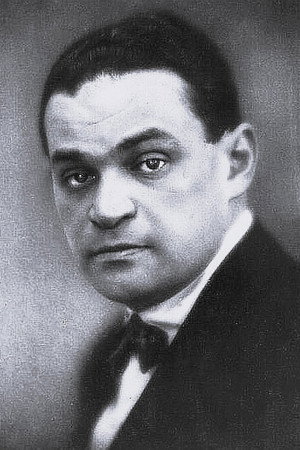
Fritz Kortner
Dr. Ludwig Schön

Francis Lederer
Alwa Schön

Carl Goetz
Schigolch
Krafft-Raschig
Rodrigo Quast
Awards, Festivals & Mentions
-

Sight & Sound 250 Greatest Films
-

BFI 100 Greatest Films


