
Film★ Editor's Pick
Sátántangó
7 hours and 12 minutes, in a collapsing rural Hungarian commune in the dying months of communism, a presumed-dead conman returns and proposes a new project to the residents; structured like a tango, six steps forward, six back; one of the very greatest of contemporary films, by general critical consensus.
About
Béla Tarr's Sátántangó, completed in 1994 after a seven-year shoot, runs seven hours and twelve minutes, making it one of the longest narrative films ever to receive theatrical release. Adapted from László Krasznahorkai's 1985 novel of the same name, with Krasznahorkai co-writing the screenplay, the film cemented the Tarr-Krasznahorkai collaboration that would continue through Werckmeister Harmonies and The Turin Horse. Sátántangó sits in the upper tier of Sight & Sound's all-time critics' poll (number 36 in 2022) and is the central reference point for slow cinema as a cinematic mode.
A failing rural Hungarian collective farm in the dying months of communism, drenched in autumn rain. The presumed-dead conman Irimiás (Mihály Víg, also the film's composer) returns with a plan that will reorganise the residents' shared savings into something he describes as a new project. The film's twelve chapters (six steps forward, six back) circle the same events from different points of view, the structure of a tango. Long takes (some over ten minutes) of mud, drink, sex, and the quiet collapse of a way of life.
Gábor Medvigy's black-and-white photography, the legendary cow-yard sequence, the sustained drinking-bar dance, these are the indelible elements. Tarr's project, in this and his subsequent films, was to find a tempo for despair the rest of European cinema had abandoned. Few films are as committed to their own duration; few reward the time as completely.
Why it's an Editor's Pick: The most ambitious work of post-Wall Hungarian cinema, and the formal foundation of slow cinema as a modern mode. Seven hours that earn every minute.
Where to Watch
Not currently available in your country.
Available in: , , , , , ,












Streaming availability via JustWatch. Last checked 2026-09-27.
Top Cast
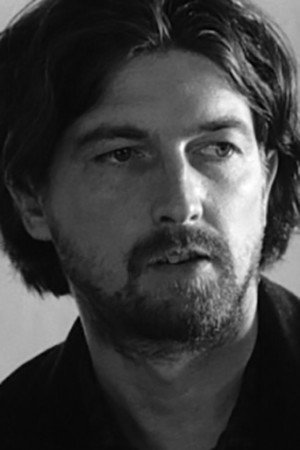
Mihály Víg
Irimiás
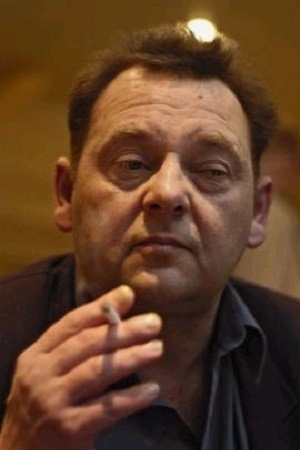
Putyi Horváth
Petrina
Székely B. Miklós
Futaki
Erika Bók
Estike
László feLugossy
Schmidt
Awards, Festivals & Mentions
-

Winner — Caligari Film Award — Berlin
-
Sight & Sound 250 Greatest Films


