
Film★ Editor's Pick
The Lives of Others
Das Leben der Anderen
In 1984 East Berlin, a Stasi officer assigned to surveil a playwright and his actress lover begins to empathise with his targets, and empathy, in a surveillance state, is the most subversive act of all. The definitive cinematic treatment of life under East German surveillance.
About
Florian Henckel von Donnersmarck's The Lives of Others (Das Leben der Anderen) won the Academy Award for Best Foreign Language Film in 2007 (an unusual triumph for a debut feature) alongside the European Film Award for Best Film and seven Deutsche Filmpreis. Donnersmarck was thirty-three; the film was developed across five years of research at the Stasi archives, and is widely regarded as the definitive cinematic reckoning with the East German surveillance state.
1984, East Berlin. Captain Gerd Wiesler (Ulrich Mühe, in the performance that defined his career and his last major one before his death two years later) is a Stasi officer assigned to surveil the playwright Georg Dreyman (Sebastian Koch) and his actress girlfriend Christa-Maria Sieland (Martina Gedeck) on suspicion of dissident sympathies. As Wiesler listens, day after day, his ideological certainties begin to crack; what follows is a slow act of inner defection that the film traces as both a moral and a procedural transformation. Sebastian Koch and Mühe were both East German citizens before reunification; Mühe had been surveilled by the Stasi himself.
The film became a small political event in Germany, with detailed debates in the press about whether such empathic Stasi conversion ever actually occurred (broadly: no, very rarely) and what the film's wishful version meant for collective memory. The closing line (the bookshop scene, the question Es ist für mich?) is one of the most-cited endings of recent German cinema.
Why it's an Editor's Pick: The defining cinematic reckoning with the East German surveillance state, and one of the most assured debut features of the 21st century. Mühe's performance alone justifies its place in the canon.
Where to Watch
Not currently available in your country.
Available in: , , , , , , , , , ,





































Streaming availability via JustWatch. Last checked 2026-10-11.
Top Cast

Martina Gedeck
Christa-Maria Sieland

Ulrich Mühe
Gerd Wiesler
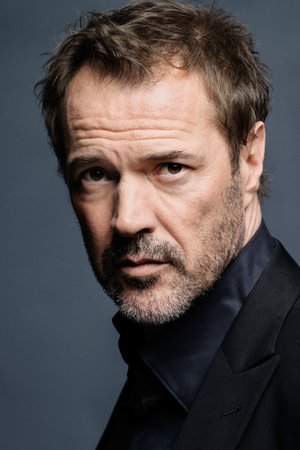
Sebastian Koch
Georg Dreyman
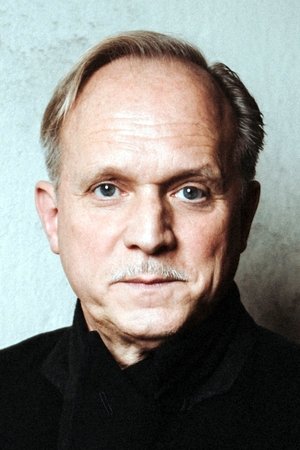
Ulrich Tukur
Anton Grubitz

Thomas Thieme
Bruno Hempf
Awards, Festivals & Mentions
-

Winner — Academy Award Best International Feature Film
-

Winner × 3 — European Film Awards: Best Film, Best Actor, Best Screenwriter
-

Winner — César Best Foreign Film
-
Nominee × 3 — European Film Awards: Best Actress, Best Composer, Best Director


In these collections
Featured In
- 10 Must-Watch European Crime Films 4 April 2026
- 20 Must-Watch European Thrillers 26 August 2026
- 10 Must-Watch German Films of All Time 19 May 2026