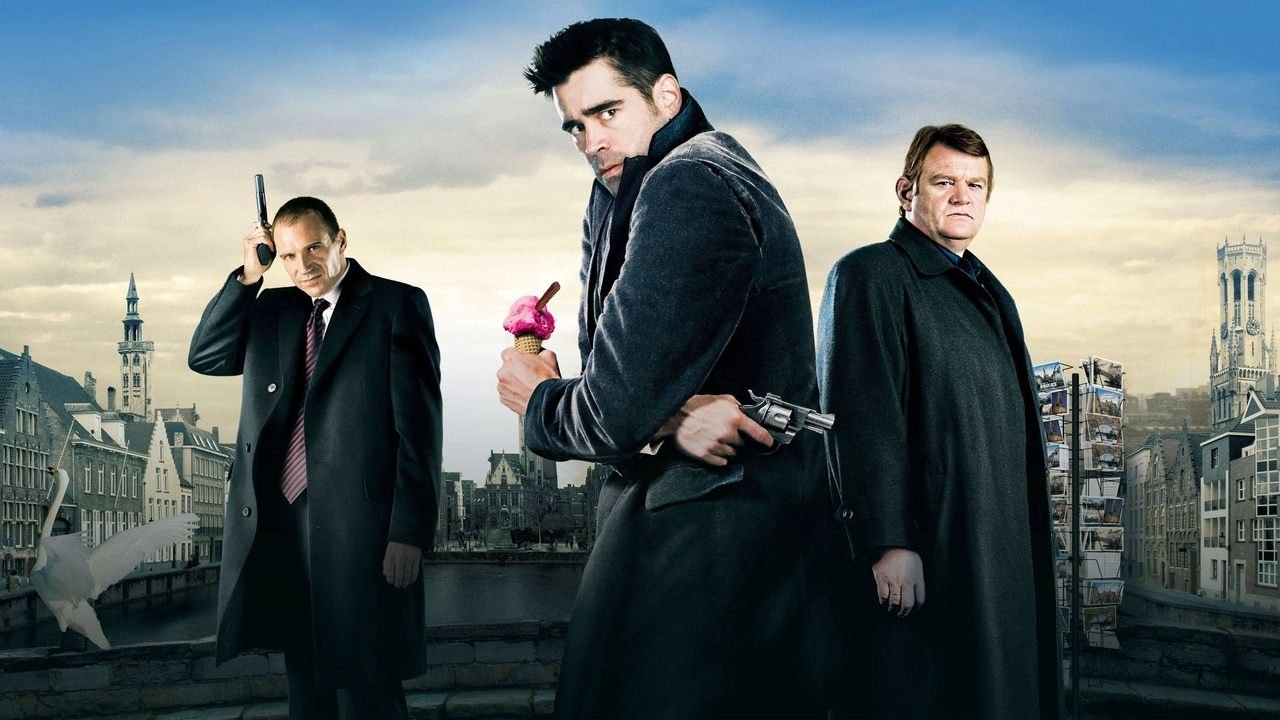
From the painted backdrops of Weimar Berlin to a piano student lost in Brandenburg, the ten German films that, between them, sketch a century of European cinema.
German cinema has rarely settled into a comfortable national identity. The Weimar studios of the 1920s, run by émigrés and visionaries, invented an entire visual grammar of unease before that generation was scattered across Hollywood and the camps. The post-war decades produced little of international consequence until the Oberhausen Manifesto of 1962 declared the old cinema dead, and a cohort calling itself the New German Cinema (Fassbinder, Herzog, Wenders, Kluge, Schlöndorff) set about building a more honest one in its place.
The country's two great political ruptures shadow most of what follows. Weimar fell into Nazism; the Federal Republic spent four decades writing itself out from under that legacy while a separate state, watched and policed, ran in parallel to the east. The films on this list circle that history at different distances: a Berlin angel listening to a divided city, a U-boat captain on a doomed Atlantic patrol, a Stasi officer turning slowly against his own department, a Protestant village in 1913 with something rotten beneath its purity.
The selection below covers a century, from the painted shadows of the Weimar studios to a contemporary German comedy that became one of the most acclaimed films of the 2010s. Festival decorations vary, from Palmes d'Or to multiple Oscar wins to no major prize at all. The common thread is intelligence, formal seriousness, and the willingness to take German history personally.
1. The Lives of Others
Dir. Florian Henckel von Donnersmarck · Germany · Oscar for Best Foreign Language Film
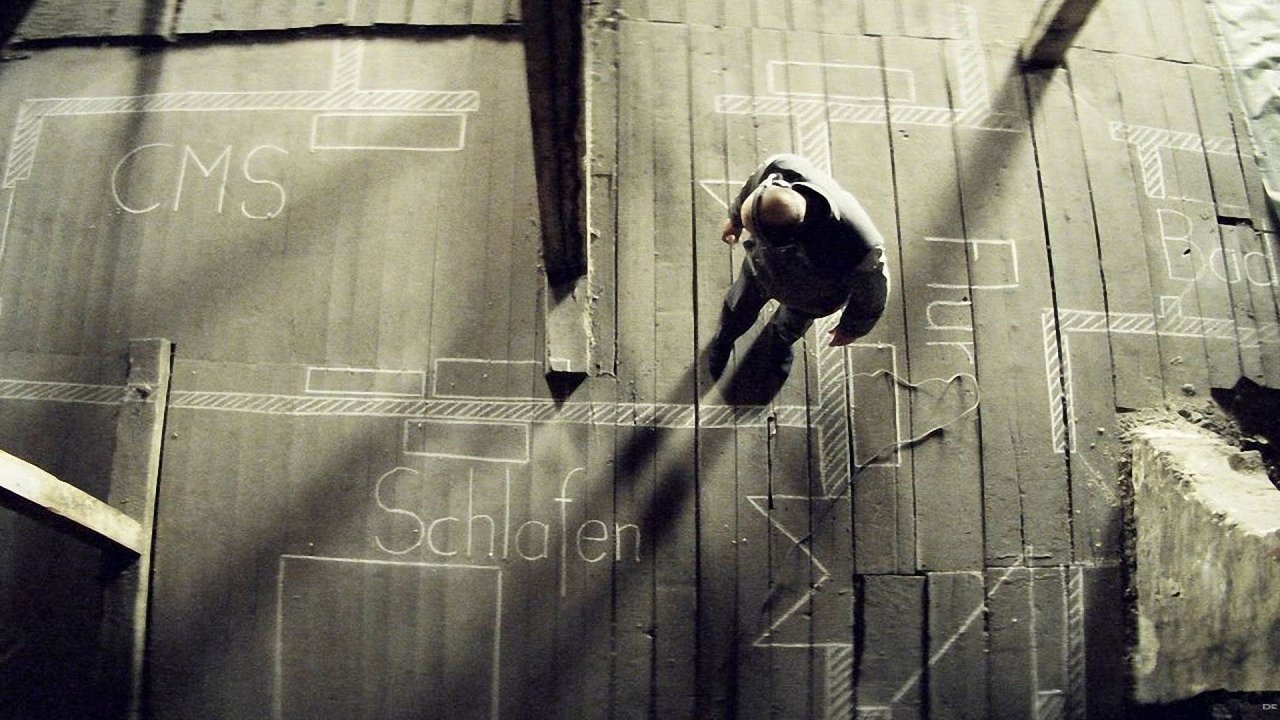
Florian Henckel von Donnersmarck's debut feature, made when he was thirty-three after five years of research at the Stasi archives, took the 2007 Academy Award for Best Foreign Language Film alongside the European Film Award for Best Film and seven Deutsche Filmpreis. It is now generally treated as the definitive cinematic reckoning with the East German surveillance state, the rare case of a first-time director arriving with a fully formed canonical work.
1984, East Berlin. Captain Gerd Wiesler (Ulrich Mühe, in the performance that defined his career and the last major role before his death two years later) is a Stasi officer assigned to surveil the playwright Georg Dreyman (Sebastian Koch) and his actress girlfriend Christa-Maria Sieland (Martina Gedeck). Both Koch and Mühe had been East German citizens before reunification; Mühe had himself been surveilled by the Stasi. As Wiesler listens, day after day, his ideological certainties begin to crack. The film's small political event in Germany generated detailed press debate about whether such empathic Stasi conversions ever occurred (broadly: no), and its bookshop coda has become one of the most-cited closing gestures in recent German cinema.
2. Wings of Desire
Dir. Wim Wenders · Germany / France · Best Director, Cannes 1987
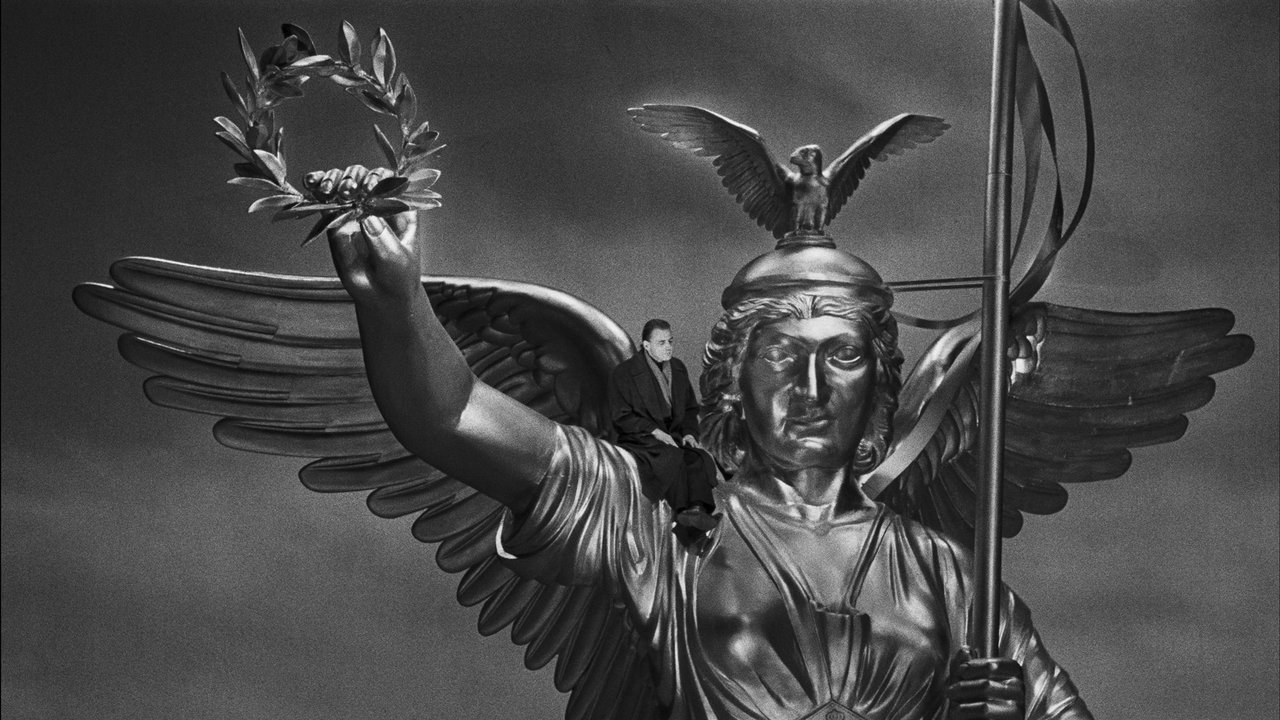
Wim Wenders's Wings of Desire (Der Himmel über Berlin) won Best Director at Cannes 1987 and became the most internationally recognised work of New German Cinema, alongside Fassbinder's Berlin Alexanderplatz and Herzog's Aguirre. The screenplay was developed with the poet Peter Handke and the writer Richard Reitinger; its rhythms (angels' interior monologues, urban-legend cadences) give the film its register.
Two angels drift silently through a still-divided Berlin, listening to the inner thoughts of its inhabitants. Bruno Ganz plays the contemplative Damiel; Otto Sander, his older partner Cassiel. Solveig Dommartin appears in her screen debut as the trapeze artist Marion. Peter Falk plays himself, an American actor in town shooting a wartime film, a casting decision Wenders made directly after watching Columbo reruns during pre-production. Henri Alekan's cinematography moves between angelic monochrome and earthly colour with a precision that has become a permanent reference; Nick Cave performs at the Esplanade in the film's most-quoted sequence. Made just two years before the Wall fell, its image of a divided city has acquired the elegiac weight of a historical document.
3. Run Lola Run
Dir. Tom Tykwer · Germany · Sundance Audience Award
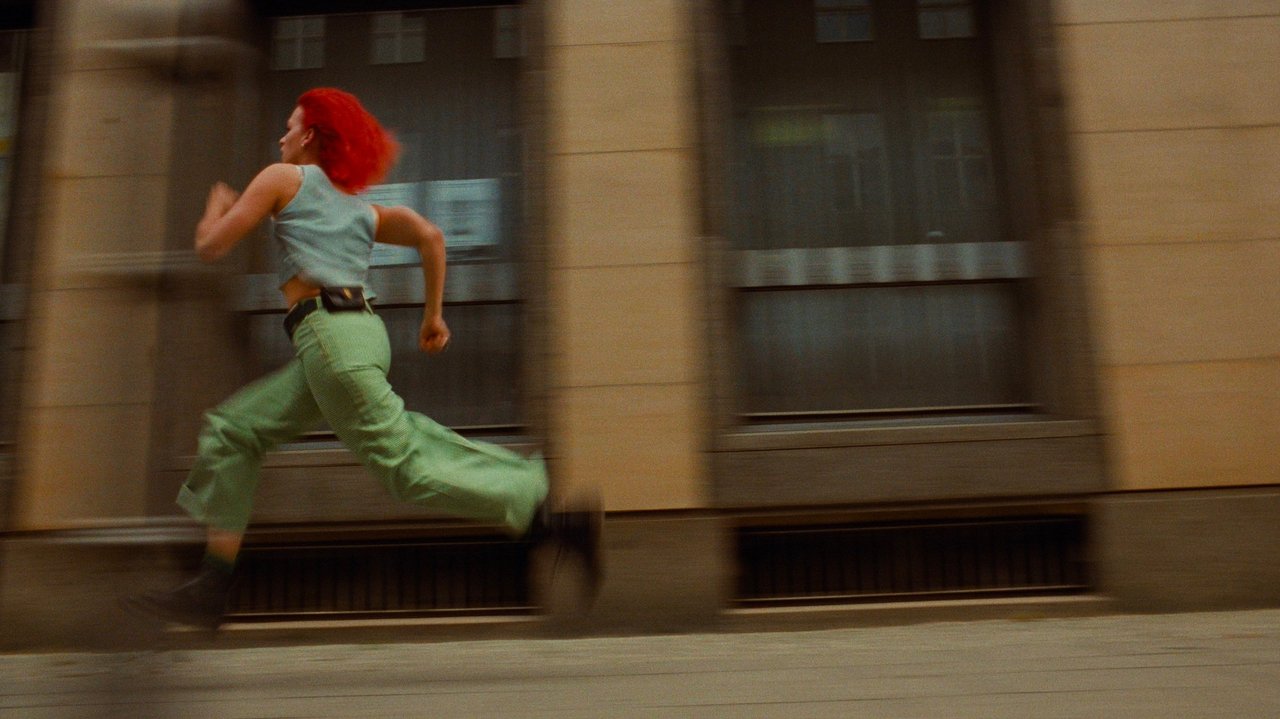
Tom Tykwer's Run Lola Run (Lola rennt) detonated at Sundance in early 1999, winning the Audience Award and going on to become one of the best-selling foreign-language films at the American box office that year on a tiny budget. It also won the German Film Award for Best Feature Film, and is now the rare 1990s German film, alongside Wolfgang Petersen's Das Boot, that crossed into mass international recognition.
Lola (Franka Potente, in the role that launched her brief but intense Hollywood period) has twenty minutes to raise 100,000 marks and rescue her boyfriend Manni (Moritz Bleibtreu) from a botched delivery for a gangster. The structural conceit is to run those twenty minutes three times in succession, each take diverging from the others through tiny acts of contingency. The kinetic electronic score by Tykwer, Reinhold Heil and Johnny Klimek was central to the film's appeal and became one of the best-selling soundtrack albums in German chart history. Tykwer would go on to Cloud Atlas, Babylon Berlin and The Light, but Lola remains the film he is most associated with.
4. M
Dir. Fritz Lang · Germany · Sight & Sound Greatest Films
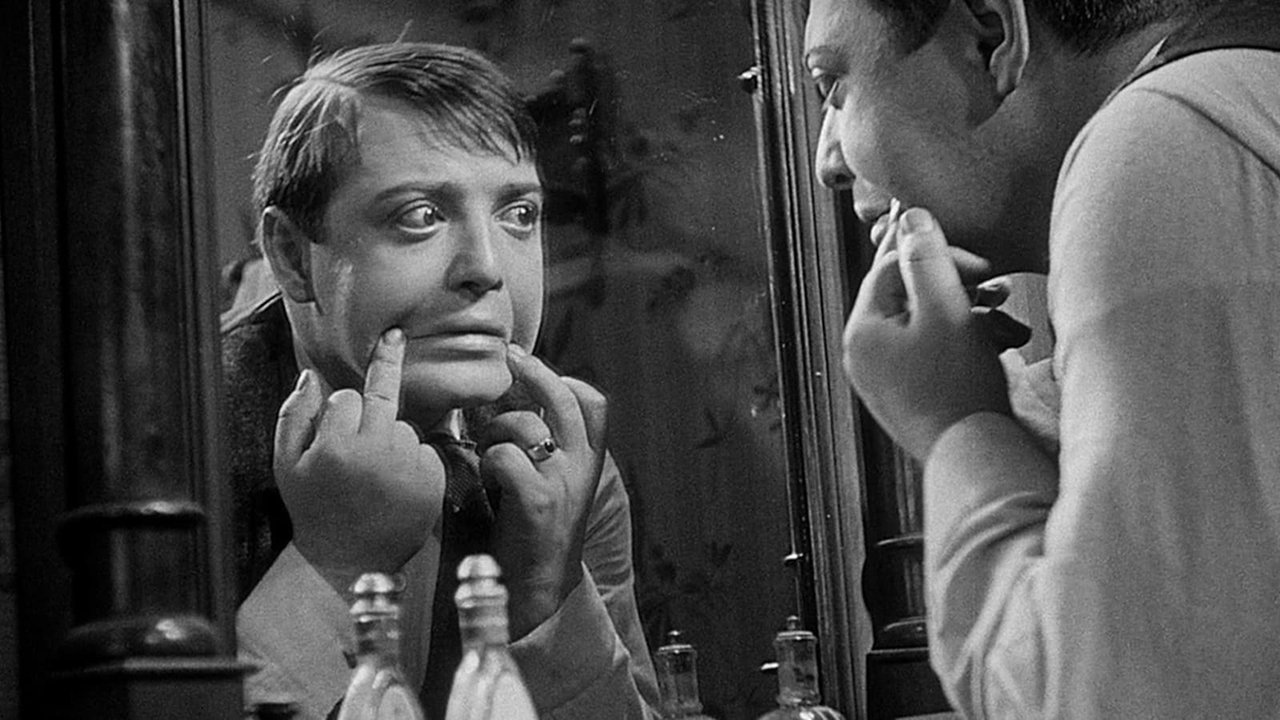
Fritz Lang's M arrived in 1931, his first sound film and one of the earliest German talkies. Based loosely on the contemporary Düsseldorf serial murders by Peter Kürten (then awaiting execution; Lang denied the connection, but the public made it anyway), the film would be denounced by the Nazi Party within two years. Lang fled Germany in 1933. The film sits permanently in the upper tier of the Sight & Sound poll.
A child murderer is terrorising Berlin. The police, applying mass surveillance and door-to-door checks, succeed mainly in disrupting the city's organised criminal economy; the syndicates of pickpockets, beggars and fences organise their own manhunt to find the killer and stop the police pressure. Peter Lorre, then twenty-six, plays Hans Beckert in a performance of haunted compulsion that defined his career and influences everything from Anthony Perkins's Norman Bates to Joaquin Phoenix's Joker. Lang and cinematographer Fritz Arno Wagner pioneered techniques foundational to sound cinema, from the use of off-screen audio (the murderer identified by his whistled fragment of In the Hall of the Mountain King) to a refusal to show the violence directly, accumulating dread through space and silence instead.
5. Aguirre, the Wrath of God
Dir. Werner Herzog · Germany · Sight & Sound 100 Greatest Films
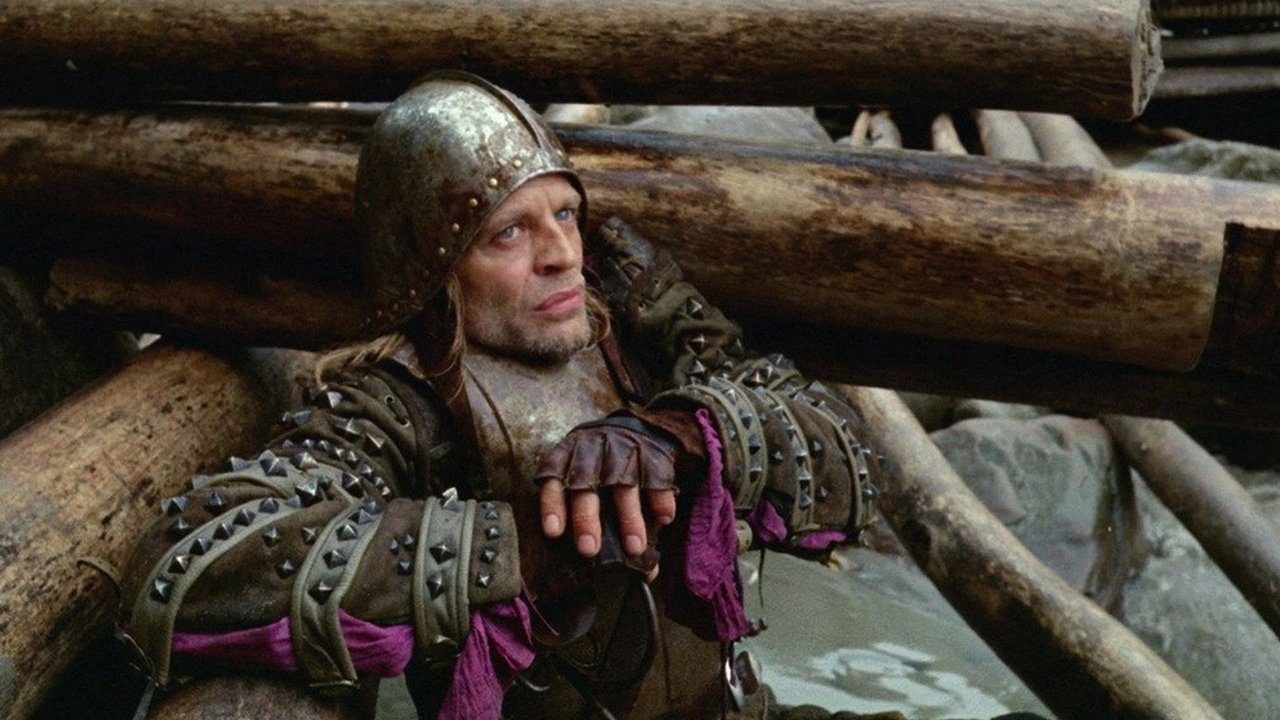
Werner Herzog's third feature, made in 1972 on a budget of approximately $370,000 over five weeks of shooting in the Peruvian rainforest with no permits, established him as the most uncompromising director of New German Cinema. His collaboration with Klaus Kinski, begun here, would become one of the most volatile partnerships in the medium's history, documented later in Herzog's My Best Fiend.
1561, the Andean approach to the Amazon basin. A small Spanish expedition, dispatched by Gonzalo Pizarro to find the rumoured kingdom of El Dorado, splinters into a smaller raft party led by the second-in-command Don Lope de Aguirre (Kinski). As the journey descends into hunger, fever and mutiny, Aguirre declares himself the Wrath of God. Thomas Mauch's photography produced one of the strangest opening sequences in cinema (the descent of the Spanish convoy down the Andean cordillera through fog, in single-take Steadicam decades before Steadicam existed). Popol Vuh's choral electronic score is foundational to the film's atmosphere; the Sight & Sound poll has placed Aguirre permanently in its upper tiers.
6. The Cabinet of Dr. Caligari
Dir. Robert Wiene · Germany · Foundational work of Weimar cinema
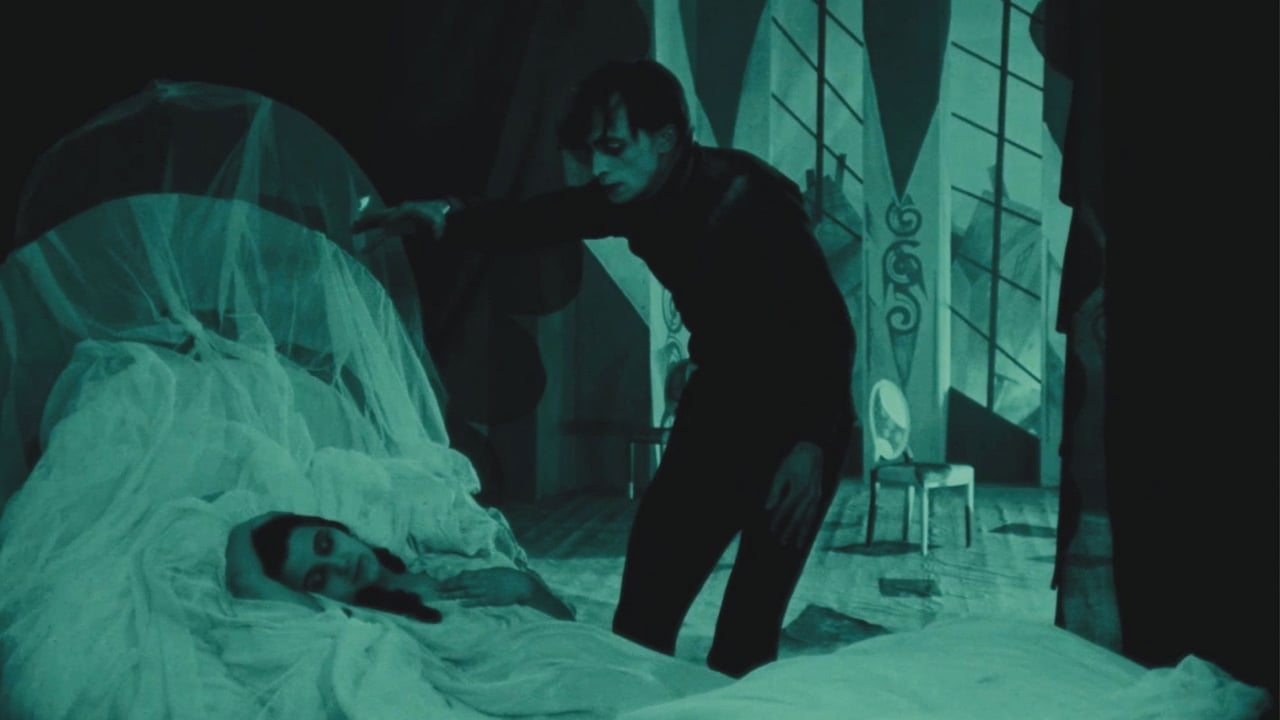
Robert Wiene's Das Cabinet des Dr. Caligari opened in Berlin on 26 February 1920 and is now treated as the foundational work of German Expressionist cinema and one of the most influential films ever made. The screenplay is by Hans Janowitz and Carl Mayer, drafted in 1919 with strong anti-authoritarian intent. Producer Erich Pommer at Decla-Bioscop hired Wiene after Fritz Lang declined the project.
At a German fairground, a sinister hypnotist named Dr. Caligari exhibits a somnambulist called Cesare (Conrad Veidt) who can predict the future. The production's central innovation was its painted-set design: three young expressionist painters from the Sturm-Galerie circle (Hermann Warm, Walter Reimann, Walter Röhrig) designed all sets as flat painted backdrops with deliberately distorted geometry, including painted shadows and impossible angles. The technique allowed for a fully expressionist visual world on a small budget, and was directly imitated across the next decade. Lotte Eisner's 1952 study The Haunted Screen places it at the centre of the entire Weimar-era cinematic tradition; its visual influence on Tim Burton, David Lynch and Guillermo del Toro is regularly catalogued.
7. Toni Erdmann
Dir. Maren Ade · Germany / Austria · European Film Award for Best Film
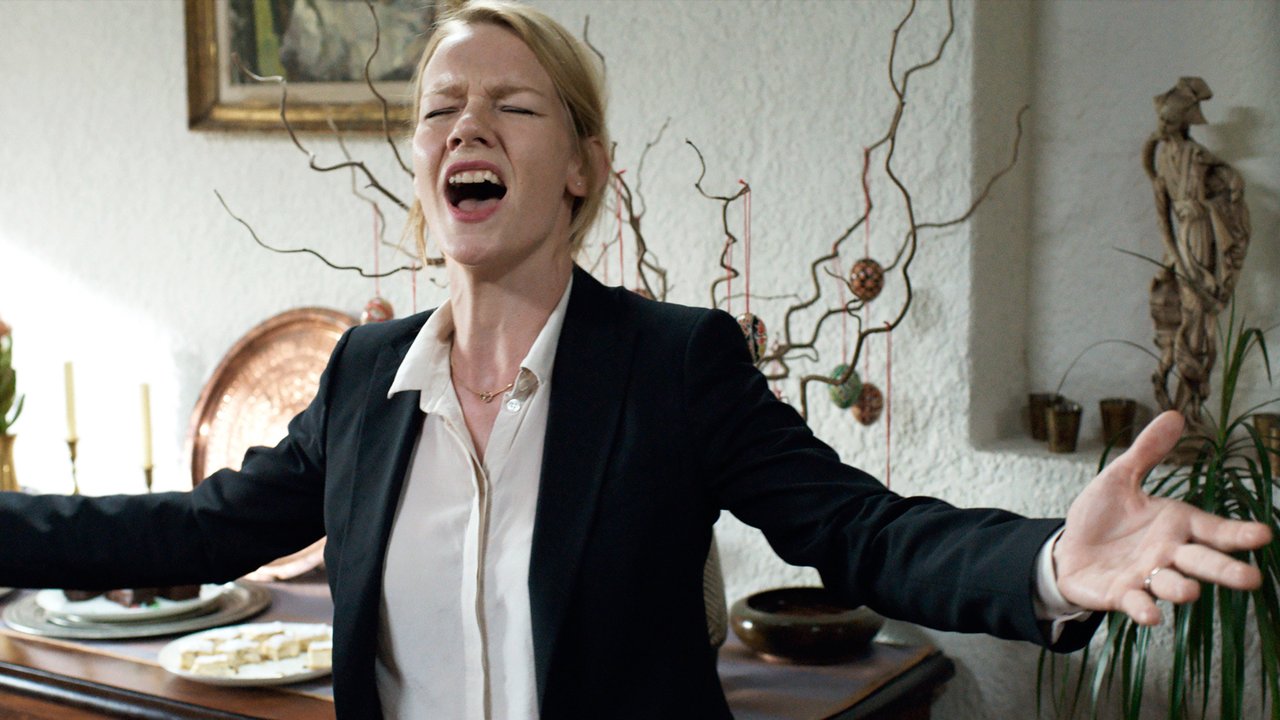
Maren Ade's Toni Erdmann won the FIPRESCI Prize at Cannes 2016 in a year when most observers assumed it would also take the Palme; it didn't, but went on to win the European Film Award for Best Film and earn an Oscar nomination for Best Foreign Language Film. The film established Ade as the most internationally significant German director of her generation and Sandra Hüller, who would later headline Anatomy of a Fall and The Zone of Interest, as a major European actress.
Ines (Hüller) is a German management consultant working in Bucharest on an oil-company restructuring brief that will result in mass redundancies. Her father Winfried (Peter Simonischek) is a recently retired piano teacher with a fondness for elaborate practical jokes. He turns up unannounced and starts impersonating a life coach called Toni Erdmann, complete with false teeth and a wig, in increasingly inappropriate professional contexts. The film runs 162 minutes; few have wasted a frame. Ade's gift is for letting comic-emotional set-pieces accumulate at their own pace, then detonating them so quietly that the audience is barely sure what has happened until afterwards.
8. Das Boot
Dir. Wolfgang Petersen · Germany · Six Academy Award nominations
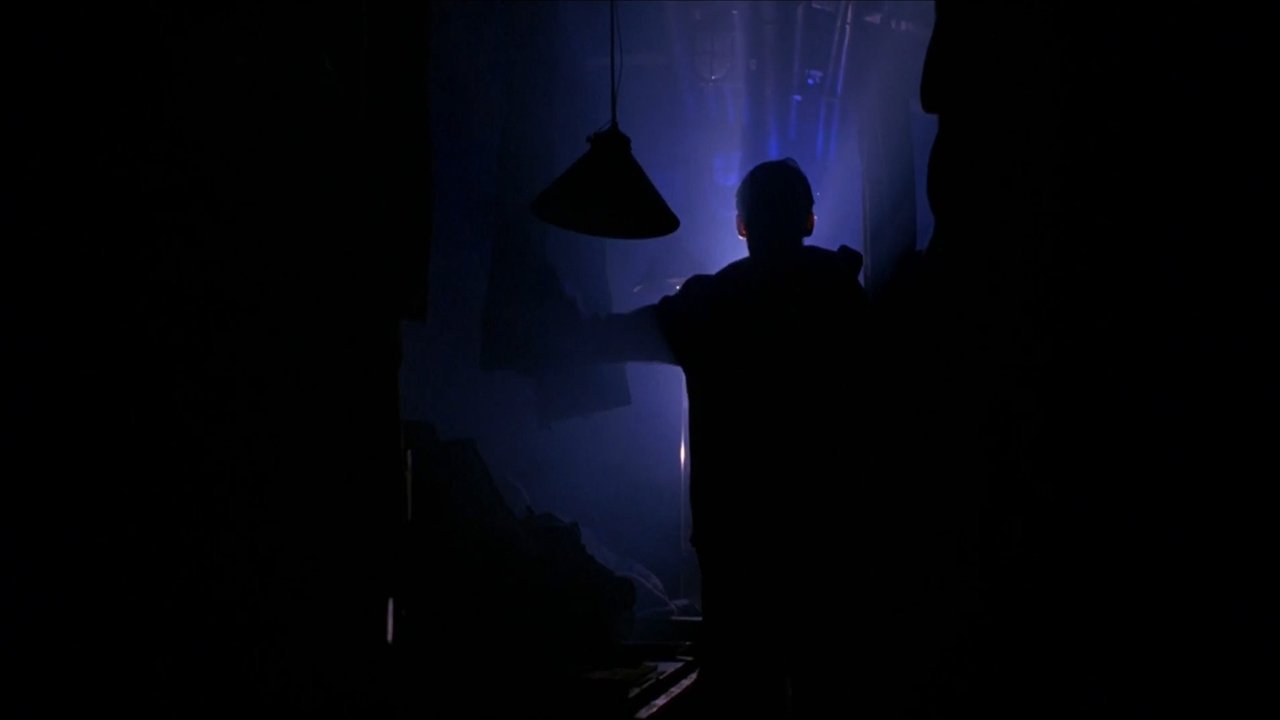
Wolfgang Petersen's Das Boot opened in West Germany in 1981 and at the 1982 Cannes Film Festival, after a six-year production on what was then the most expensive German film ever made. It received six Academy Award nominations including Best Director and Best Adapted Screenplay, a record for a non-English-language film at the time. The 209-minute director's cut is now the standard release; a 293-minute television version exists for the truly committed.
1941. A German U-boat under the command of a war-weary captain (Jürgen Prochnow) leaves La Rochelle for an Atlantic patrol. Petersen and cinematographer Jost Vacano shot inside a full-scale U-boat replica using a hand-held Arriflex bolted to a custom mount, producing the claustrophobic, propulsive interiority that defines the film. Klaus Doldinger's electronic score is an enduring earworm. The film is unusual within German cinema for centring Wehrmacht combatants without either condemning or celebrating them; it presents the U-boat war as systemically unwinnable and individually destructive, and remains the definitive submarine film alongside Run Silent, Run Deep and The Hunt for Red October.
9. Downfall
Dir. Oliver Hirschbiegel · Germany / Austria / Italy · Oscar nomination, Best Foreign Language Film
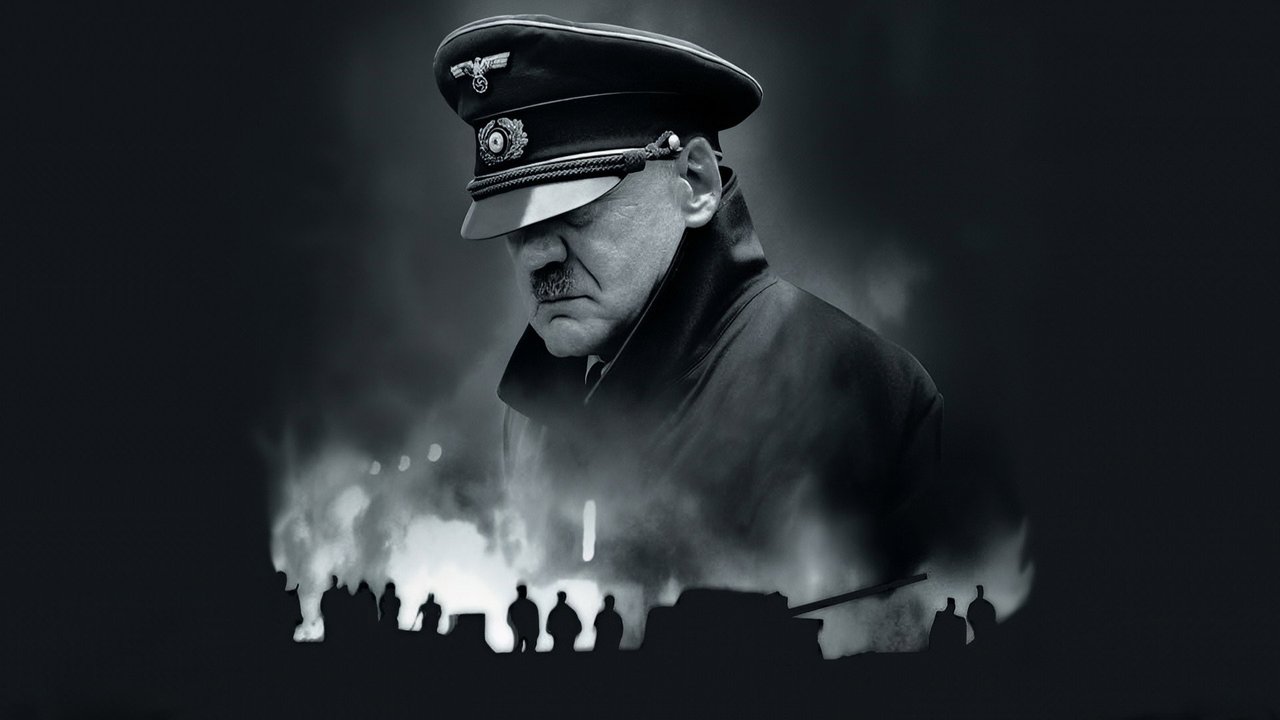
Oliver Hirschbiegel's Downfall (Der Untergang) opened in 2004 and was nominated for the Academy Award for Best Foreign Language Film. It became one of the most internationally consequential pieces of German historical-drama cinema of its decade, partly for its commitment to depicting Hitler from the inside (a subject German national cinema had largely refused in such direct register since the 1950s) and partly for the subsequent meme culture around the Führerbunker scene, which became one of the most-remixed clips in early-2000s YouTube history.
The film depicts the final twelve days of Adolf Hitler (Bruno Ganz, in one of the most-discussed central performances of his career) in the Berlin Führerbunker as Soviet forces close in on the capital in April 1945. The narrative perspective is largely that of Hitler's secretary Traudl Junge (Alexandra Maria Lara), whose 1947 memoirs were later published as Until the Final Hour. Bernd Eichinger's screenplay drew on both Junge's account and Joachim Fest's 2002 historical study. Critics asked at the time whether close engagement with Hitler's perspective constituted demystification or normalisation; the debate has continued. Ganz's performance is now broadly regarded as one of the most committed lead acting achievements of post-war German cinema.
10. The White Ribbon
Dir. Michael Haneke · Germany / Austria / France / Italy · Palme d'Or, Cannes 2009
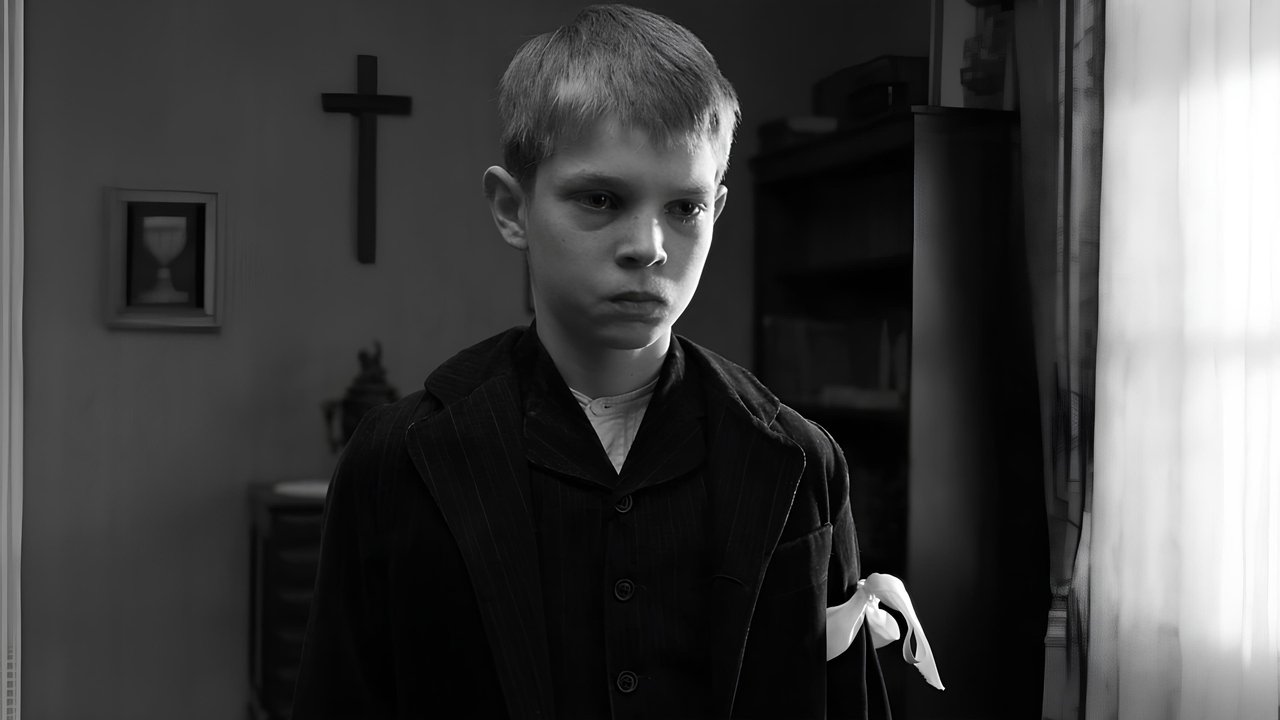
Michael Haneke's The White Ribbon (Das weiße Band) won the Palme d'Or at Cannes 2009 (Haneke's first, three years before Amour) alongside the Golden Globe for Best Foreign Language Film and the European Film Award for Best Film. Shot in stark monochrome over fourteen weeks in Saxony, the film took Haneke a decade of script development to bring to production.
A small Protestant village in northern Germany on the eve of the First World War. A series of mysterious incidents disturbs the closed community, and the schoolteacher (Christian Friedel, in his debut) gradually comes to suspect the village's children themselves. The Lutheran pastor (Burghart Klaußner) ties white ribbons on his children's arms as reminders of the purity they should aspire to and the shame of their failures. Haneke has said in interviews that the film is partly about how the generation that became the perpetrators of the Nazi state was raised. Christian Berger's photography, the absence of a non-diegetic score, and the chillingly precise child performances combine into one of the most rigorous historical-causality films ever made.
A Century of Reinvention
Read together, these ten films sketch a national cinema that has had to reinvent itself at least three times: in the painted Weimar studios that gave the medium an entire visual grammar of dread; in the New German Cinema of the 1970s, which set itself the task of rebuilding a film culture worth taking seriously; and in the post-Reunification decades, when filmmakers turned back to examine the GDR, the Reich, and the assumptions of the Bonn republic with cooler eyes than their predecessors had managed.
The historical reckoning runs across the list, sometimes obliquely (Caligari's painted authority figures, Lang's mob of pre-war Berlin), sometimes head-on (the bunker, the village, the surveilled flat). What unites the work is a refusal of easy consolation. Even Toni Erdmann, the most outwardly comic of the ten, is a film about the costs of complicity, dressed up in a wig and false teeth.
If this list has whetted your appetite for contemporary German cinema, our companion round-up of the 10 Must-Watch German Films of 2025 picks up where this one leaves off. The wartime register of Das Boot and Downfall is extended in our 10 Must-Watch European War Films, and the expressionist shadows of Caligari echo through our 10 Must-Watch European Horror Films.
Two of modern German cinema’s tensest achievements, Victoria and The Teachers’ Lounge, feature in our 20 Must-Watch European Thrillers.