
Film
When the Light Breaks
Ljósbrot
Reykjavík, the longest day of the Icelandic summer. Una, a young art-school student, has just begun a relationship with her bandmate Diddi when the country wakes to the news of a national tragedy. Over the course of the bright, almost sunless twenty-four hours that follow, she finds herself drawn into a small circle of friends mourning together, including the woman whose claim on Diddi was the more public one. The film unfolds in real-time fragments, as friendship and grief work their way unevenly into the open.
About
Rúnar Rúnarsson's When the Light Breaks opened the Un Certain Regard sidebar of the 77th Cannes Film Festival in May 2024, the first Icelandic film to do so. It is the writer-director's fourth feature, after Volcano (2011, also a Cannes Directors' Fortnight title), Sparrows (2015) and Echo (2019), and a five-country co-production led by Iceland's Halibut and the Netherlands' Lemming Film. The film is set across a single twenty-four-hour stretch in Reykjavík, deliberately scheduled around the city's near-perpetual summer daylight.
Elín Hall (The Falcons) leads as Una, with Mikael Kaaber and Katla Njálsdóttir as her friends. Cinematographer Sophia Olsson, who shot Joachim Trier's Louder Than Bombs and Reprise, works in widescreen long takes that linger on faces and Icelandic light; the running time, at just under eighty minutes, is unusually compact for a continental drama and is matched to the real-time structure. The original songs are by the Reykjavík musician Kristín Anna Valtýsdóttir.
The film won the Dragon Award for Best Nordic Film at Göteborg in 2025, swept the Icelandic Edda Awards for Film of the Year, Director and Actress, and was nominated for the European Film Award's European Discovery prize. Reviews in Variety, Screen International and The Hollywood Reporter received it as a quiet, formally rigorous study of communal grief, and as further confirmation of Rúnarsson's place in the small but influential current of Icelandic festival cinema.
Where to Watch
Not currently available in your country.
Available in: , , , , , , , , , , , , , ,































Streaming availability via JustWatch. Last checked 2026-10-11.
Top Cast
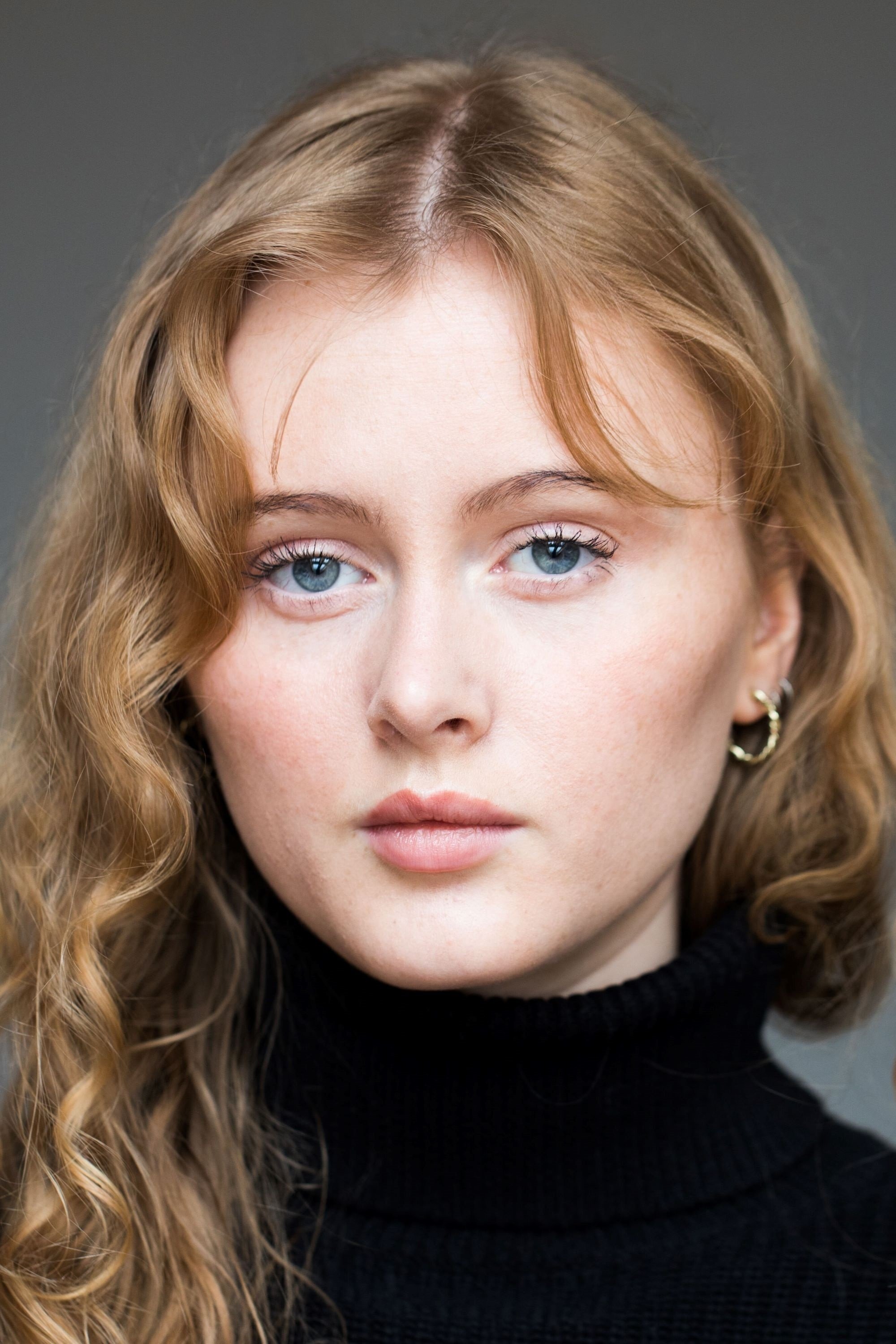
Elín Hall
Una
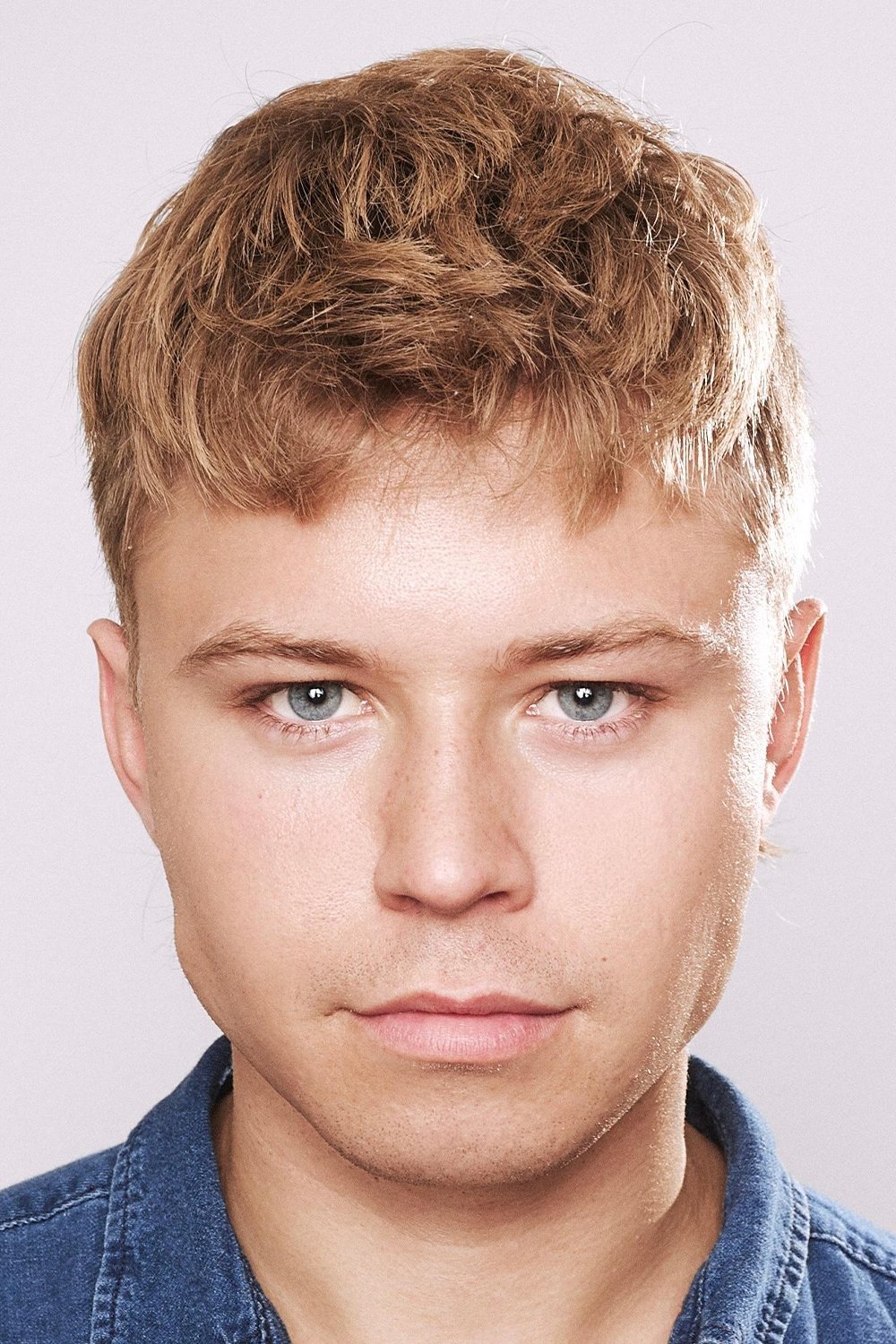
Mikael Kaaber
Diddi
Katla Njálsdóttir
Klara
Awards, Festivals & Mentions
-
Winner — Göteborg Film Festival 2025 — Dragon Award Best Nordic Film
-

Winner × 3 — Edda Awards: Edda Award Film of the Year, Edda Award Best Director (Rúnar Rúnarsson), Edda Award Best Actress (Elín Hall)
-
Nominee — European Film Award European Discovery — Prix FIPRESCI (2024)
-
Cannes Film Festival 2024 — Un Certain Regard (Opening Film)


