From Powell and Pressburger to the Free Cinema generation to the new wave of A24 collaborators, ten essential British films that shaped European cinema.
British cinema has always been double-natured. On one side, the Ealing comedies and the Carol Reed thrillers and the prestige adaptations beloved of Sunday-night television. On the other, the Powell and Pressburger experiments, the kitchen-sink realism of the late fifties, the punk energy of the eighties, and the genre-bending work of contemporary directors like Charlotte Wells and Andrew Haigh. The films below try to honour both traditions, while skipping past the merely respectable in favour of the genuinely necessary.
Several of these are routinely cited on the BFI's polls of the greatest British films ever made, and most of them appear on Sight & Sound's broader greatest-films lists. Whether you're new to British cinema or working through the canon, here are ten films you need to watch.
1. The Third Man (1949)
Dir. Carol Reed · UK · Crime / Mystery / Thriller
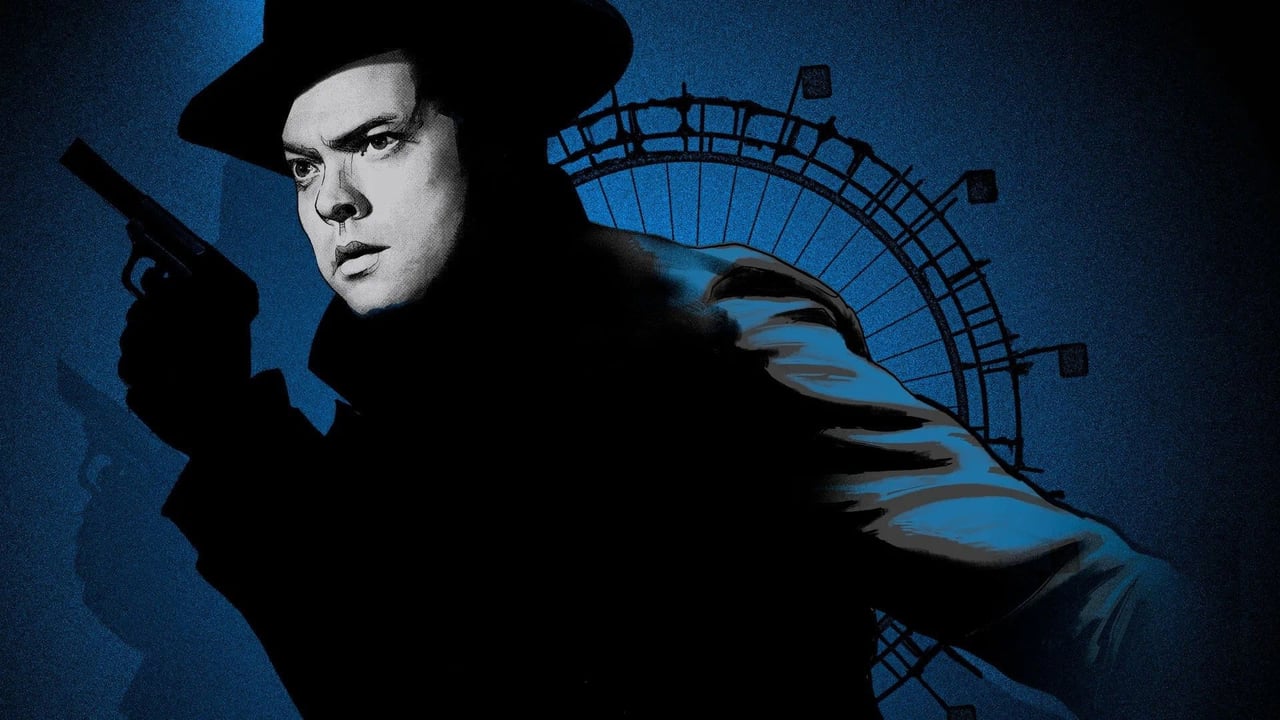
Graham Greene wrote the screenplay; Carol Reed directed; Robert Krasker won an Oscar for the canted, rain-slick black-and-white cinematography of post-war Vienna. Joseph Cotten plays Holly Martins, an American pulp novelist arriving in the occupied city to take up a job offered by his old friend Harry Lime. The friend is missing. The investigation that follows is the basis of one of the great noir films of any nationality.
Anton Karas's zither score, recorded in a single afternoon, became one of the most recognisable themes in cinema. Orson Welles's late-arriving turn as Lime is among the most quoted performances in film history. The Third Man regularly tops BFI polls of the greatest British films ever made, and there is no plausible argument for ranking it lower.
2. Brief Encounter (1945)
Dir. David Lean · UK · Drama / Romance
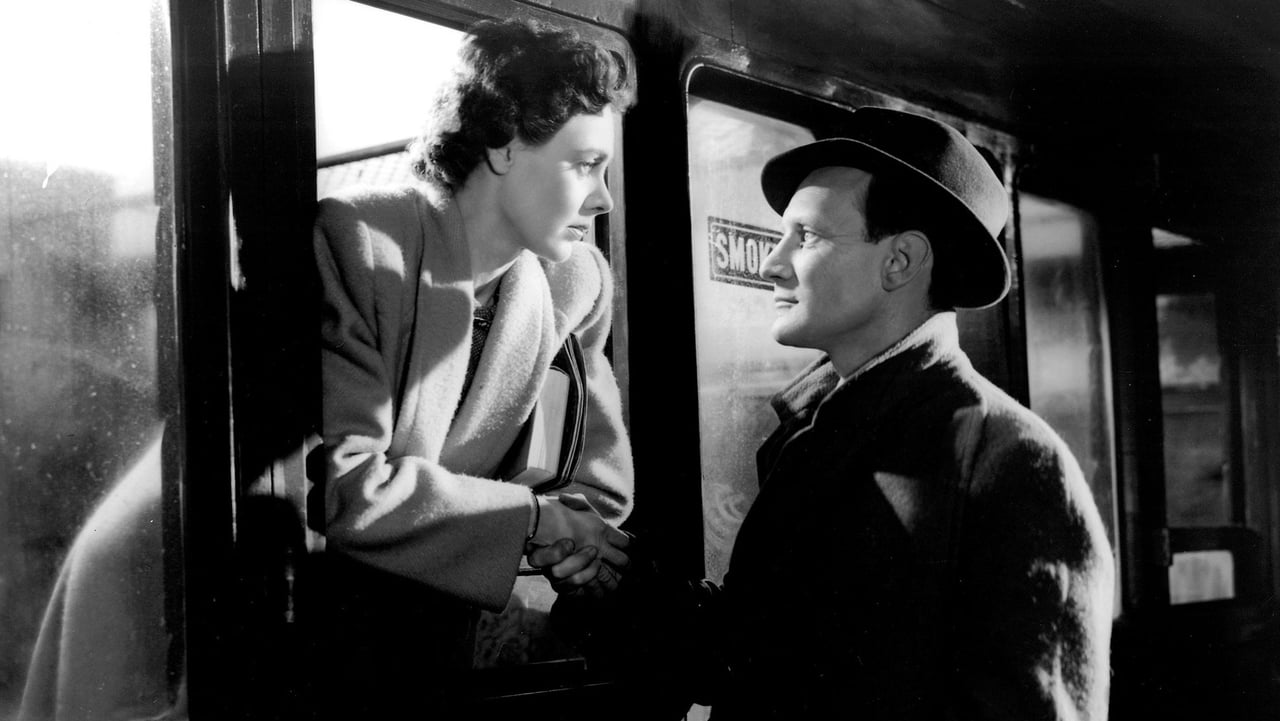
Two strangers meet in the tea room of a suburban railway station. Both are married to other people. David Lean's adaptation of Noël Coward's one-act play is barely an hour and a half long, and consists almost entirely of conversation, but it remains one of the most emotionally precise films ever made about adult longing.
Celia Johnson and Trevor Howard are extraordinary as Laura and Alec; Robert Krasker (later of The Third Man) photographs the steam and the reflections of a country station with extraordinary care; Rachmaninoff's Second Piano Concerto plays underneath. The film was nominated for three Academy Awards and remains a fixture on every serious list of the greatest British films ever made.
3. The Red Shoes (1948)
Dir. Michael Powell & Emeric Pressburger · UK · Drama / Music / Romance
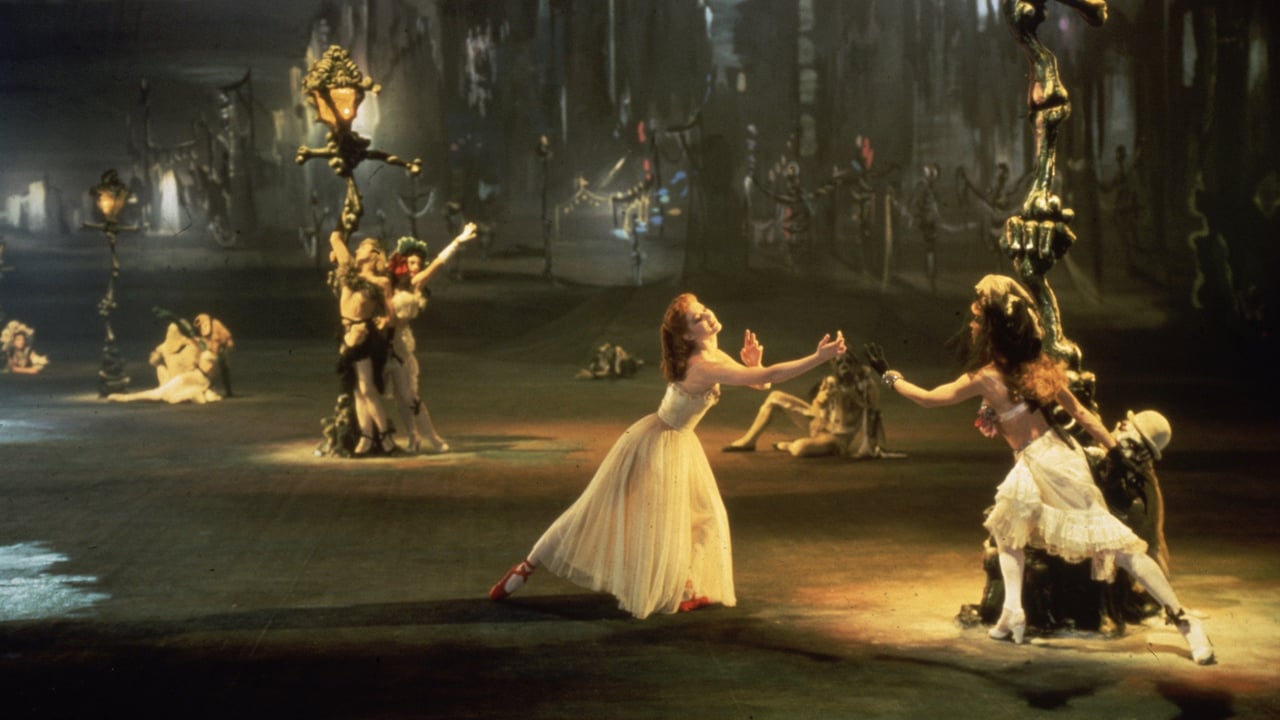
The most ravishing film about an art form ever made. Moira Shearer plays Vicky Page, a young ballerina caught between the impresario who has built her career and the composer she has fallen in love with. Powell and Pressburger's Technicolor production includes a fifteen-minute ballet sequence (designed by Hein Heckroth, choreographed by Robert Helpmann) that has no rival in cinema for sheer visual ambition.
The film won two Academy Awards, helped revive interest in British ballet for a generation, and has been cited as a direct influence by Martin Scorsese, Brian De Palma, and Darren Aronofsky. The 2009 BFI restoration is the way to see it. Few films have looked at the cost of artistic devotion so seriously.
4. Lawrence of Arabia (1962)
Dir. David Lean · UK · Biography / Drama / History / War
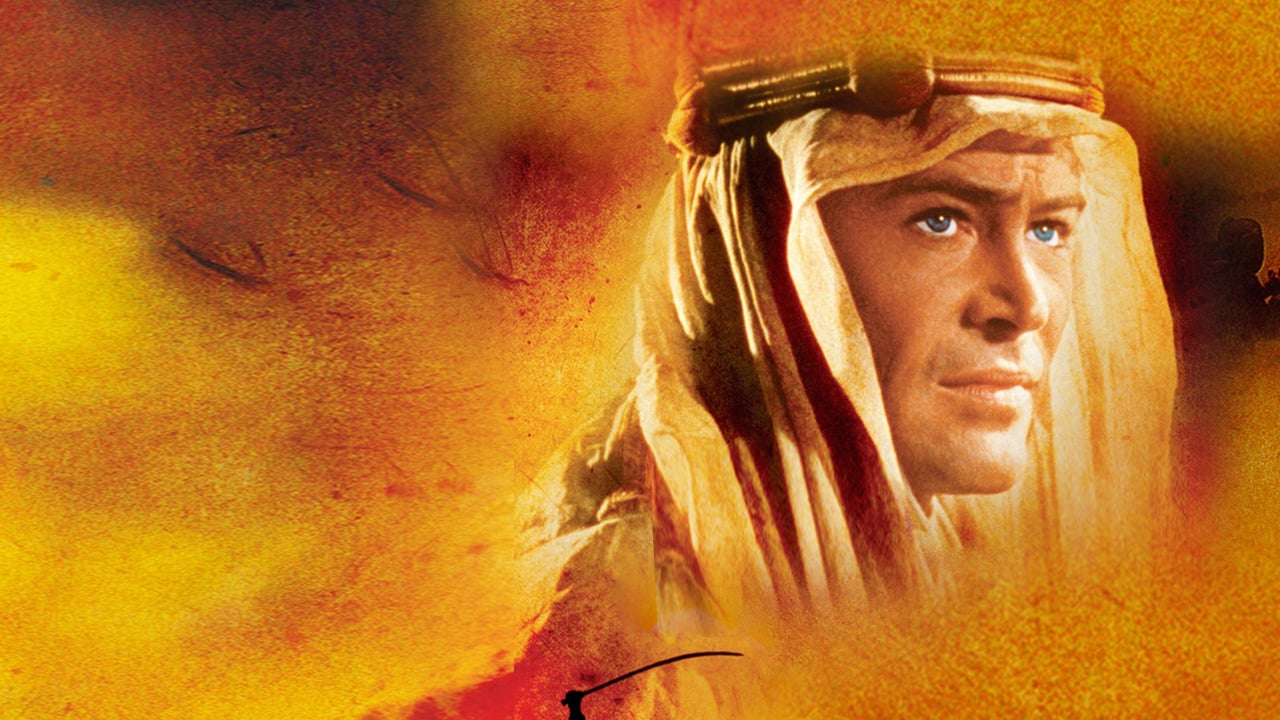
The greatest of the British prestige epics, and one of the most visually overwhelming films ever made. Peter O'Toole, in his first leading role, plays the British army officer T. E. Lawrence, posted to Cairo during the First World War and seconded to coordinate Arab resistance against the Ottoman Empire. The film's central section, shot in the Jordanian desert by Freddie Young in 70mm, is one of the great photographic achievements in cinema history.
Lawrence of Arabia won seven Academy Awards including Best Picture and Best Director. It also gave Omar Sharif his international career and launched O'Toole as one of the great screen actors of his generation. Three hours and forty-eight minutes that pass faster than most ninety-minute films.
5. A Clockwork Orange (1971)
Dir. Stanley Kubrick · UK / US · Crime / Drama / Sci-Fi
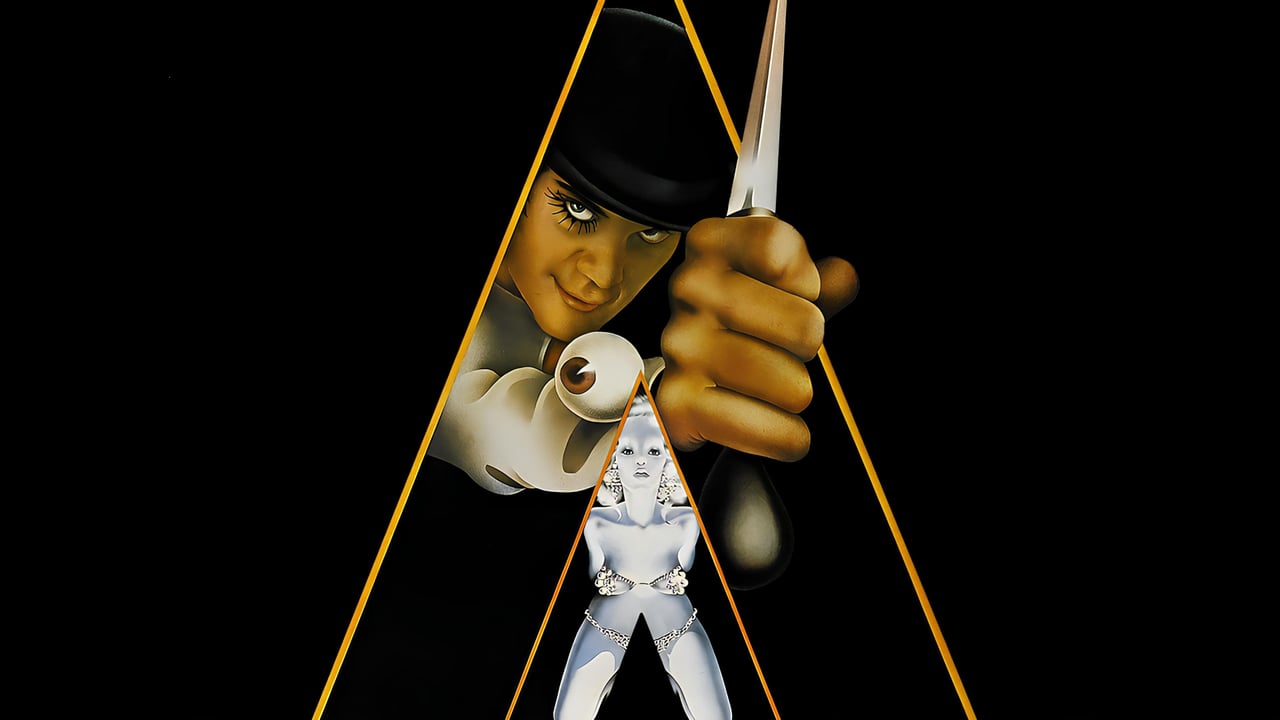
Stanley Kubrick had been based in England for nearly a decade by the time he made his adaptation of Anthony Burgess's novel, and the film is a British production in every meaningful sense. Malcolm McDowell plays Alex DeLarge, the leader of a gang of young men in a near-future London who speak the invented argot Burgess called Nadsat. The film's first act is famously confronting; what follows is a rigorous moral argument about free will, conditioning, and the limits of state power.
Kubrick withdrew the film from British circulation himself in 1973 after a series of copycat incidents; it was not legally available in the UK until after his death in 1999. Few films of any era have provoked the same intensity of public debate. McDowell's performance remains one of the great pieces of screen acting in any decade.
6. Don't Look Now (1973)
Dir. Nicolas Roeg · UK / Italy · Drama / Horror / Mystery
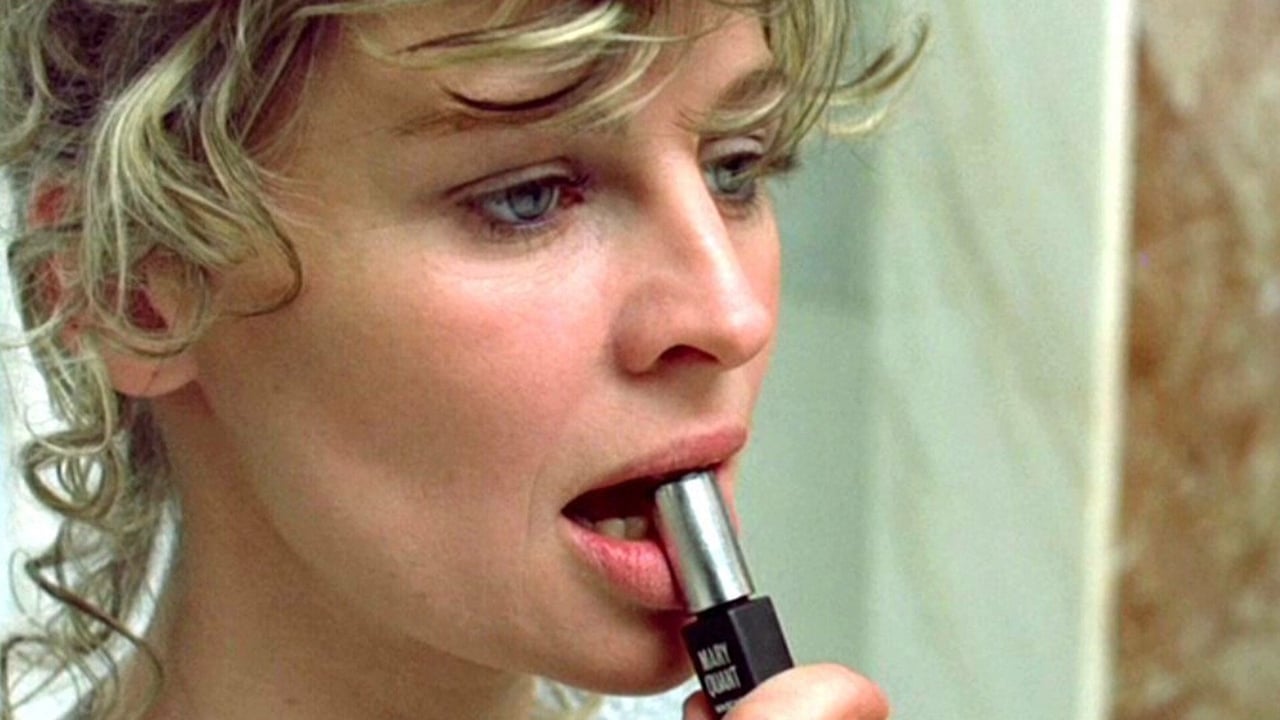
An English couple (Donald Sutherland and Julie Christie) take up a restoration job in Venice in the months after the death of their young daughter. Nicolas Roeg's adaptation of Daphne du Maurier's short story is one of the most formally radical films ever made within the horror tradition: cut against itself, full of premonition and visual rhyme, told in fragments that the viewer is required to assemble.
Roeg, a former cinematographer, photographs Venice in a way no other film has matched: a city of red and grey, of empty canals and unexpected stairways, of dread that builds without ever quite naming itself. The film has been cited as a primary influence by Christopher Nolan, Steven Soderbergh, and Lynne Ramsay. A masterclass in how editing creates meaning.
7. Trainspotting (1996)
Dir. Danny Boyle · UK · Drama / Crime
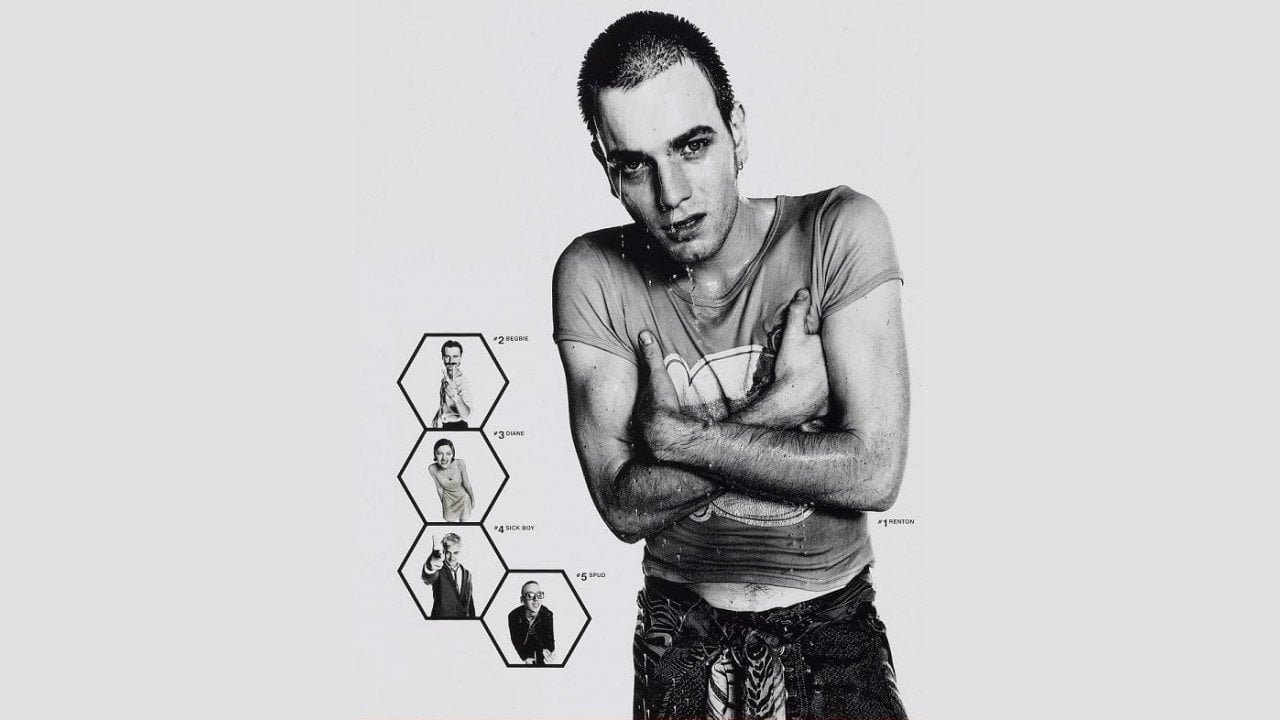
Danny Boyle's adaptation of Irvine Welsh's novel was the defining British film of the nineties: a kinetic, soundtrack-driven, foul-mouthed account of a circle of heroin users in mid-1980s Edinburgh. Ewan McGregor became a star; Robert Carlyle, Jonny Lee Miller, Ewen Bremner, and Kelly Macdonald all gave career-launching performances; John Hodge's screenplay turned Welsh's vernacular into one of the most quotable scripts in modern British cinema.
The film was the second-highest-grossing UK release of its year and one of the most commercially successful arthouse films ever made anywhere. Its opening monologue ("Choose life…") and its Iggy Pop and Underworld needle-drops have become permanent fixtures in popular culture. A film that announced an entirely new register for British cinema.
8. Secrets & Lies (1996)
Dir. Mike Leigh · UK · Drama
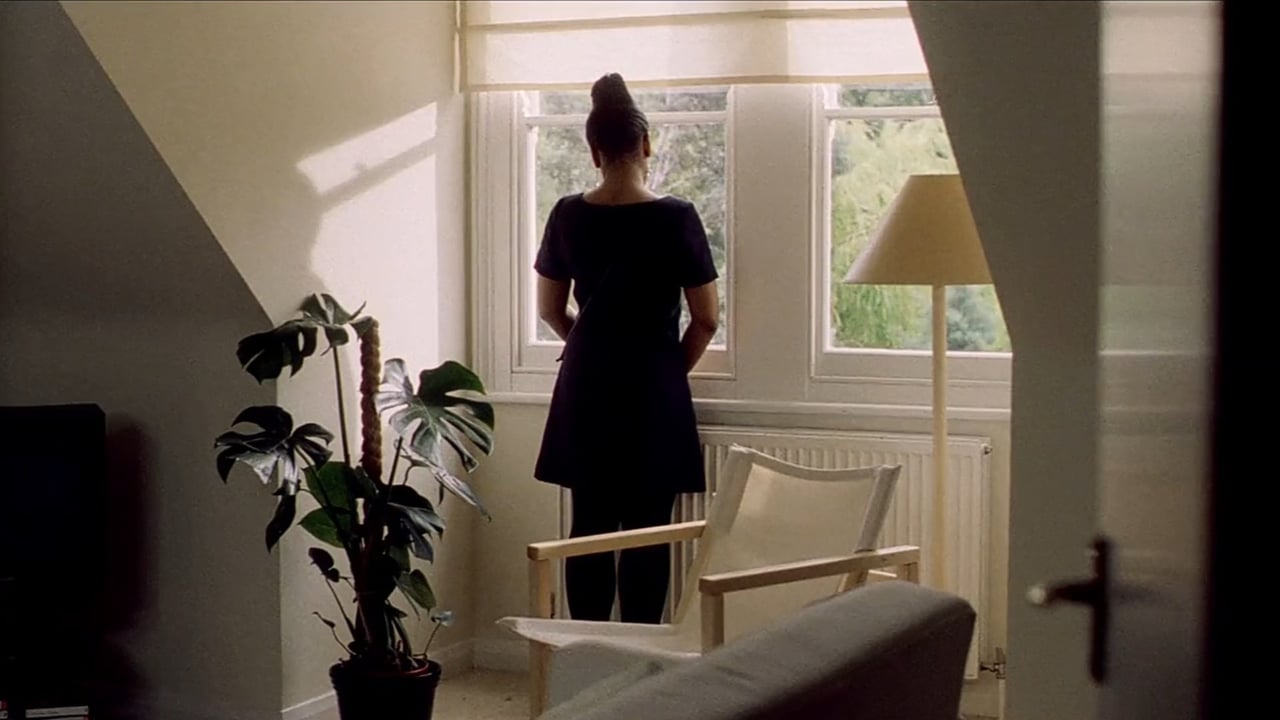
Mike Leigh's Palme d'Or winner remains the high-water mark of his decades-long examination of British family life. Marianne Jean-Baptiste plays Hortense, a young Black optometrist who, after her adoptive mother's death, sets out to find her birth mother — a working-class white woman in north London (Brenda Blethyn) who has no idea Hortense exists.
Leigh's well-known method (months of improvisation with his cast before a screenplay is written) produces the most extraordinary scenes of dialogue in modern British cinema. Blethyn won Best Actress at Cannes; both she and Jean-Baptiste were nominated for Academy Awards. A film of enormous tenderness about how families actually function — through silence, through misdirection, and very occasionally through truth.
9. Atonement (2007)
Dir. Joe Wright · UK / France · Drama / Romance / War
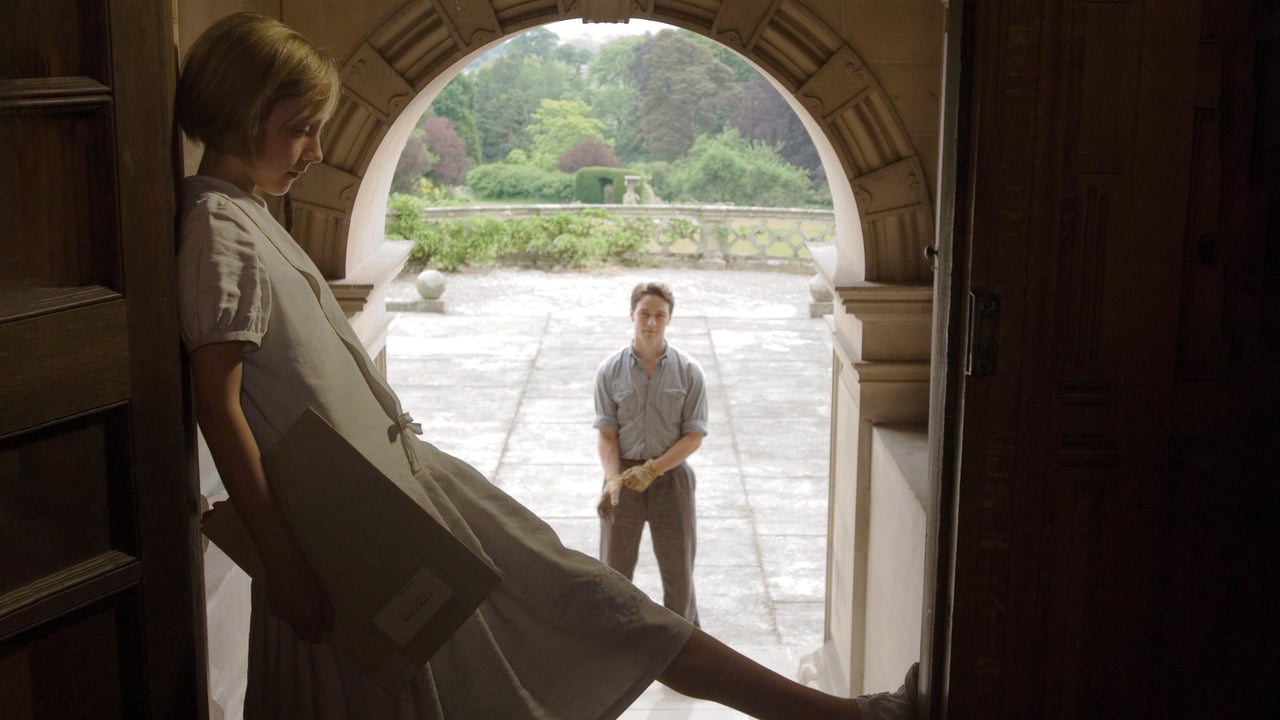
Joe Wright's adaptation of Ian McEwan's novel was nominated for seven Academy Awards including Best Picture and won for Dario Marianelli's score. Saoirse Ronan, then thirteen, plays Briony Tallis, a young girl whose misreading of a moment between her sister (Keira Knightley) and the housekeeper's son (James McAvoy) has consequences across the next decade.
The five-and-a-half-minute Steadicam shot on the beach at Dunkirk is among the most ambitious technical achievements in twenty-first-century British cinema. Seamus McGarvey's photography, the production design, the score, the typewriter percussion that builds throughout — every craft element is operating at the highest level. A film about the moral seriousness of fiction itself.
10. Aftersun (2022)
Dir. Charlotte Wells · UK · Drama
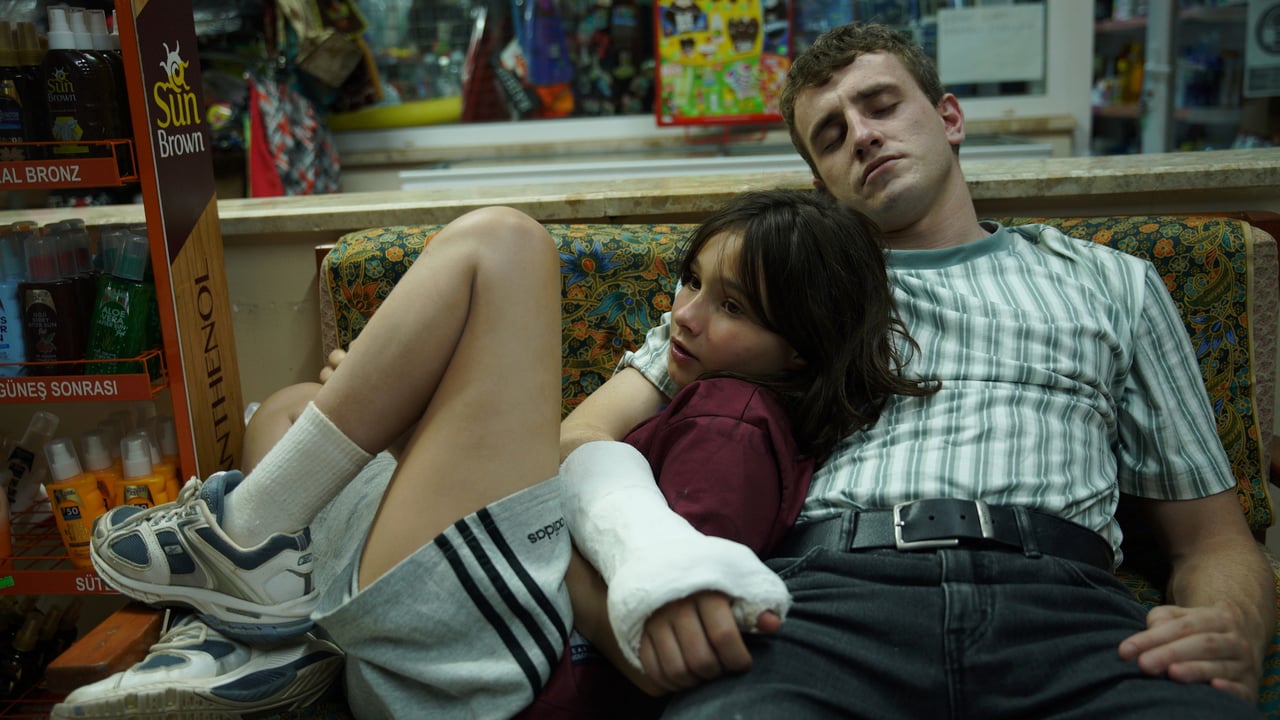
Charlotte Wells's debut feature, made when she was in her early thirties, is one of the most assured first films of recent decades. Paul Mescal plays Calum, a young Scottish father on a budget package holiday in Turkey with his eleven-year-old daughter Sophie (Frankie Corio). The film is reconstructed in part from Sophie's later memory, intercut with home video footage of the trip.
Mescal was nominated for an Academy Award for the performance; the film won prizes at Cannes Critics' Week and a long list of Independent Spirit and BAFTA citations. Gregory Oke's photography of the Turkish coast is exceptional. A film about a parent that refuses to flatter the people watching, made with extraordinary patience and care.
The British Tradition
The British film industry has often been dismissed by its own critics as a poor relation to the more confident traditions of France, Italy, and Germany. The films above suggest a counter-argument. From Powell and Pressburger's Technicolor experiments to the kitchen-sink realism of the sixties to the contemporary work of Charlotte Wells and Andrew Haigh, British cinema has consistently produced films that ask serious questions about class, about empire, about the family, and about the kind of country Britain has been.
What unites these films, across eighty years, is a certain kind of formal restraint paired with emotional ambition. Brief Encounter trusts a railway tea room and two voices. Aftersun trusts a budget hotel and a handful of camcorder tapes. The result, in both cases, is cinema that lingers long after it has ended.
Honourable Mention: The Banshees of Inisherin (2022)
Dir. Martin McDonagh · Ireland / UK · Drama / Comedy
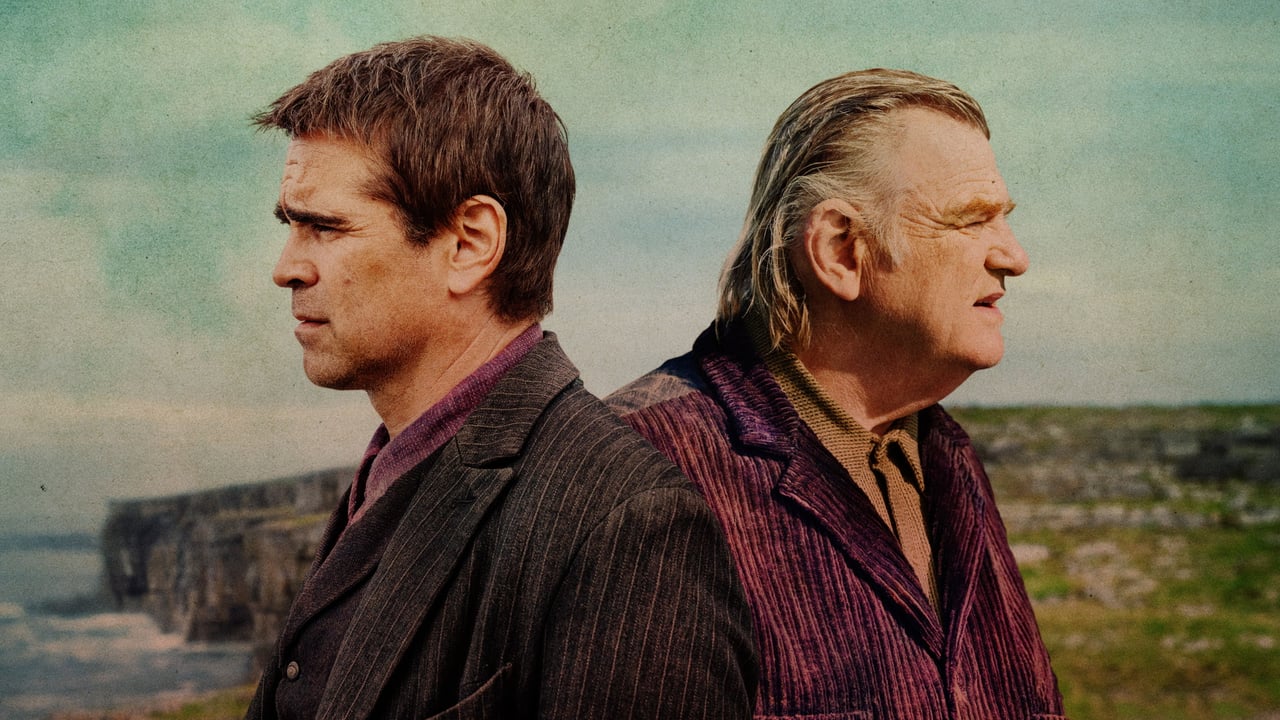
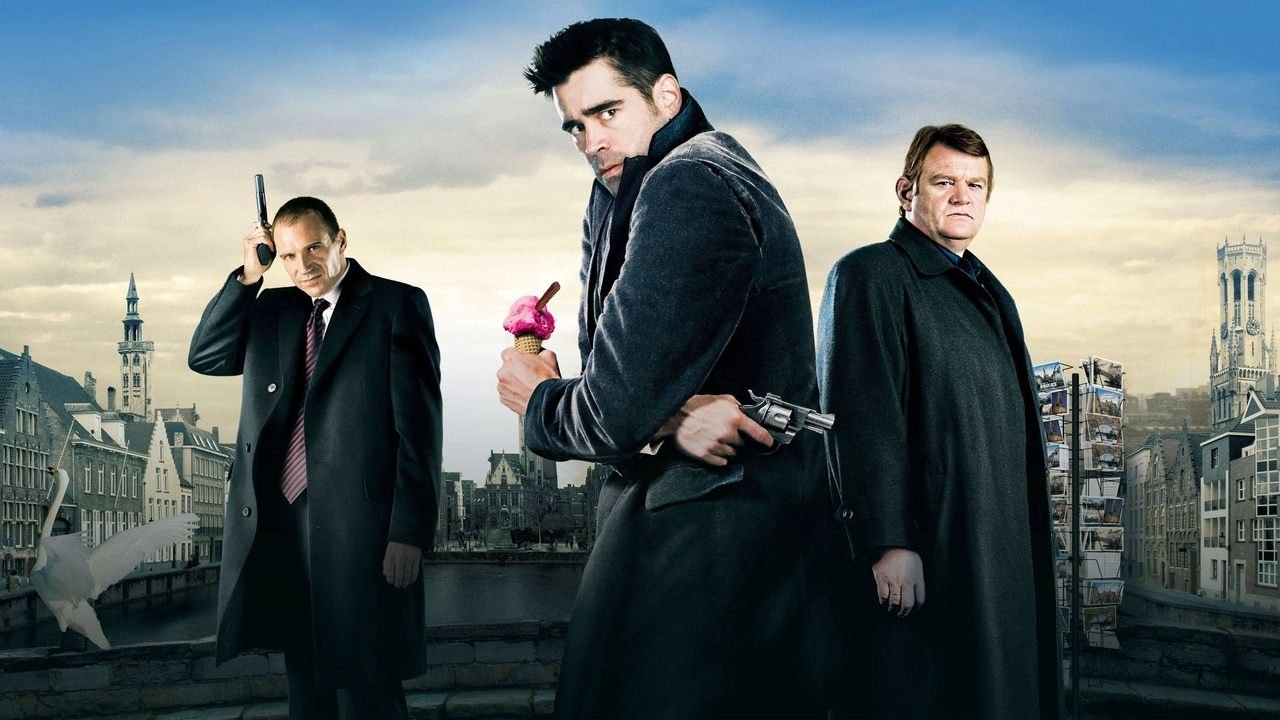
Martin McDonagh's Anglo-Irish co-production reunites the In Bruges pairing of Colin Farrell and Brendan Gleeson on a fictional island off the west coast of Ireland in 1923. Nine Academy Award nominations and a long list of European prizes followed. Worth seeing alongside the rest of McDonagh's filmography.
Where to Start
If you're new to British cinema, The Third Man and Brief Encounter are almost impossible to dislike and showcase the British tradition at its most poised. For a single film that will likely surprise you, Aftersun is the most rewarding recent release. For something with more energy, Trainspotting remains the best entry point to the modern British sensibility.
If you enjoyed this list, explore our companion guides — our 10 Must-Watch British Crime Series and our 10 Must-Watch Irish Films. For UK-led titles in the most recent festival cycle, including The Brutalist and Conclave, see our 10 Must-Watch European Films of 2024.