
Film★ Editor's Pick
The Good, the Bad and the Ugly
Il buono, il brutto, il cattivo
Three men (the laconic bounty hunter (Eastwood), the cold-eyed killer Angel Eyes (Van Cleef), and the explosive Mexican outlaw Tuco (Eli Wallach)) race each other across the American Civil War in pursuit of $200,000 in gold buried in an unmarked grave. Sergio Leone's epic of self-interest, dust and Morricone's "Ecstasy of Gold" is widely considered the greatest Western ever made. The third and grandest film of the Dollars Trilogy.
About
Sergio Leone's The Good, the Bad and the Ugly opened in Italy in December 1966, completing the Dollars trilogy with Clint Eastwood after A Fistful of Dollars and For a Few Dollars More. The 161-minute Italian cut was significantly trimmed for international release; the 178-minute extended cut, restored in 2003 with Eastwood and Eli Wallach re-recording dialogue, is now standard. The film sits permanently in the IMDb top ten and the upper tiers of multiple BFI polls.
Three men race each other across the American Civil War in pursuit of $200,000 in Confederate gold buried in an unmarked Sad Hill cemetery grave. Blondie (Eastwood, the Good) knows the name of the cemetery; Tuco (Eli Wallach, the Ugly, in a career-defining performance of feral charisma) knows the inscription on the grave; Angel Eyes (Lee Van Cleef, the Bad) is hunting both of them. Tonino Delli Colli's wide-frame Techniscope cinematography, Ennio Morricone's score (the title theme, the Trio, the Ecstasy of Gold), and Leone's commitment to a duration the genre had previously refused (single shots held for thirty seconds and longer) produced what is widely considered the apex of the Spaghetti Western form.
The closing three-way standoff at Sad Hill, with its alternating close-ups of eyes and revolver-grips set to The Ecstasy of Gold, is among the most-quoted set pieces in the history of the medium.
Why it's an Editor's Pick: The most enjoyable epic ever made, and the film that proved European genre cinema could surpass Hollywood at its own game. Wallach's Tuco is one of the great supporting performances of the 1960s.
Where to Watch
Not currently available in your country.
Available in: , , , , , , , , , , , , , , , ,





































Streaming availability via JustWatch. Last checked 2026-09-27.
Top Cast
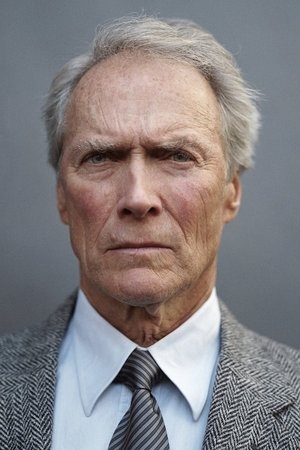
Clint Eastwood
Blondie
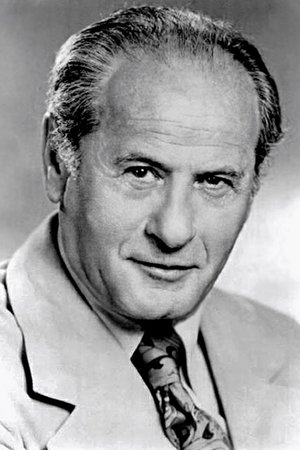
Eli Wallach
Tuco Ramirez
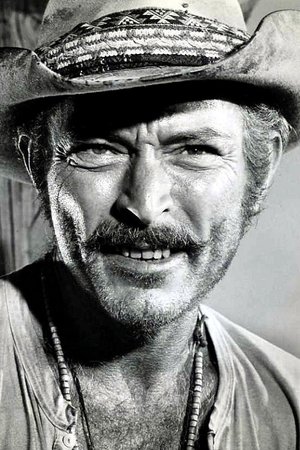
Lee Van Cleef
Sentenza / Angel Eyes
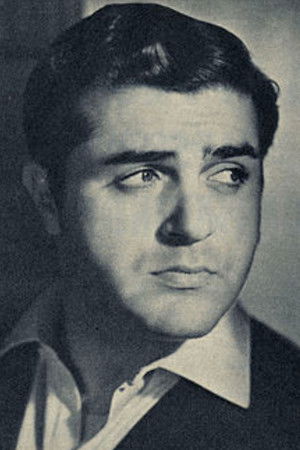
Aldo Giuffrè
Alcoholic Union Captain
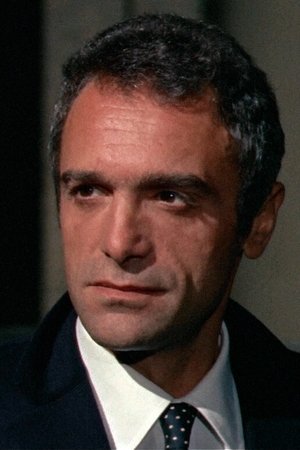
Luigi Pistilli
Father Pablo Ramirez
Awards, Festivals & Mentions
-
IMDb Top 250 Top 10 — perennial
-

BFI 100 Greatest Films


