
Film★ Editor's Pick
Once Upon a Time in America
C'era una volta in America
Over fifty years and three timelines, a New York Jewish gangster named Noodles tries to reckon with the friendships and betrayals of his Lower East Side youth, the boy he lost, the woman he loved, and the partner who became something darker. Sergio Leone's last film, a four-hour American epic shot through Italian melancholy. Ennio Morricone's 'Deborah's Theme' is one of the most quietly devastating film scores ever composed.
About
Sergio Leone's Once Upon a Time in America opened in 1984 in two radically different cuts: the 229-minute European version Leone intended, and a re-edited 139-minute chronological US release that critics and Leone himself disowned as a butchery. The full director's cut is now the standard release. The film was Leone's last, after his post-Western retreat; he had spent over a decade developing it.
Across three timelines (1923, 1933, 1968) Noodles (Robert De Niro) returns to the Lower East Side of his Jewish-immigrant childhood and reckons with the friendships, betrayals, and one defining act of violence that shaped his life. James Woods plays his partner Max with feral charisma; Elizabeth McGovern is Deborah, the dancer Noodles loved and could not protect. Tonino Delli Colli's photography and Ennio Morricone's score (the Cockeye-Deborah theme is among the most beautiful Morricone ever composed) define the film's elegiac register.
The film operates as a memory text: episodes overlap, time loops, the film's structural ambiguity (whether what we are seeing is memory, dream or witnessed event) has been the subject of forty years of critical debate. The 2012 Cannes restoration added back twenty-six minutes of cut material; the conversation about which cut is definitive continues. What is not in dispute is the film's ambition and its place in the canon of long-form American crime epics.
Why it's an Editor's Pick: The most ambitious gangster film ever made, and Leone's masterpiece. A four-hour memory of an immigrant century, with an interpretive openness that is as enigmatic as anything in the medium.
Where to Watch
Not currently available in your country.
Available in: , , , , , , , , , , , , , , , ,

























Streaming availability via JustWatch. Last checked 2026-09-27.
Top Cast
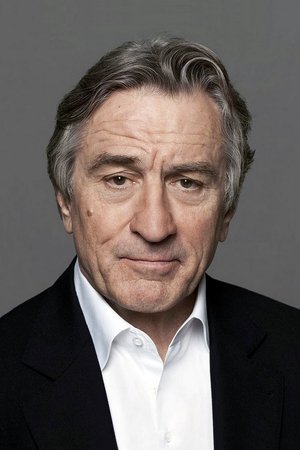
Robert De Niro
David 'Noodles' Aaronson
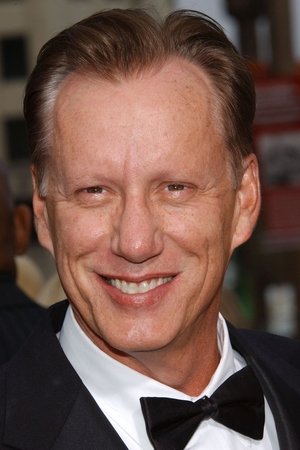
James Woods
Maximilian 'Max' Bercovicz
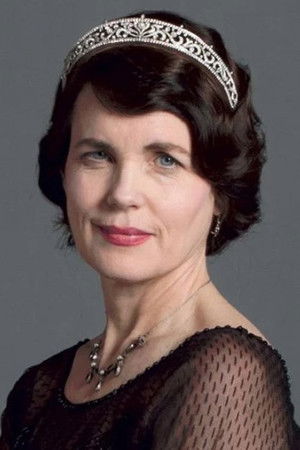
Elizabeth McGovern
Deborah Gelly
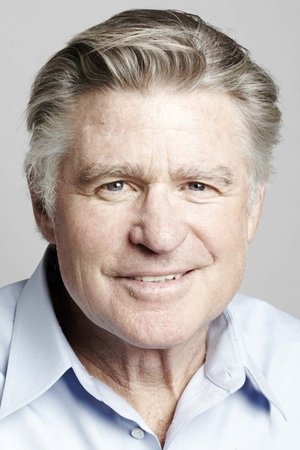
Treat Williams
James Conway O'Donnell
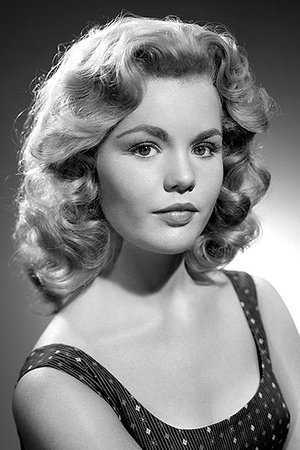
Tuesday Weld
Carol
Awards, Festivals & Mentions
-
Winner — BAFTA Award Best Original Score (Ennio Morricone)
-
Winner — David di Donatello Best Director (Sergio Leone)
-
Sight & Sound 250 Greatest Films


