
Film
Alexander the Great
Ο Μεγαλέξαντρος
On the last night of the nineteenth century a bandit chief called Alexander escapes from prison, seizes a party of English aristocrats as hostages and rides to a mountain village that has organised itself along communal lines. He arrives as a folk hero.
About
Made immediately after The Hunters and running three and a half hours, Alexander the Great is the most severe film in Angelopoulos's severe first decade. Venice gave it the Golden Lion for Experimental Film in 1980 along with the FIPRESCI prize, an award pairing that says something accurate about how the film was received: admired, and held at arm's length.
Omero Antonutti plays the bandit of the title, who breaks out of prison as the twentieth century begins, takes a group of English hostages with him and rides north into a mountain village that has abolished private property. The villagers greet him as the figure of prophecy. What follows is a study of how a liberator becomes something else, staged with Angelopoulos's usual refusal of close-ups and psychology — Antonutti barely speaks, and is often shot as a black silhouette on a horse against snow.
The film was read at the time as a verdict on the Greek left, on charismatic leadership, and on the folk-hero tradition that produced Alexander's name in the first place; Angelopoulos, who had been a committed man of that left, was clearly settling something with himself. It is the least seen of his major works and the hardest to love, but it is where his political thinking is most exposed, and the mountain village sequences contain some of the most beautiful images Giorgos Arvanitis ever shot for him.


Top Cast
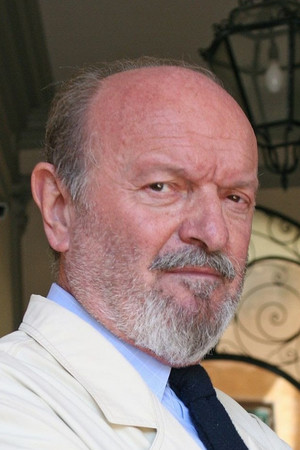
Omero Antonutti
Alexandros

Eva Kotamanidou
Alexandros' daughter
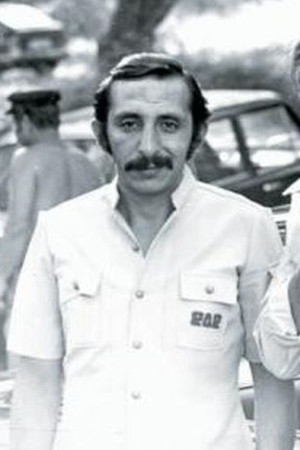
Mihalis Giannatos
Dragoumanos
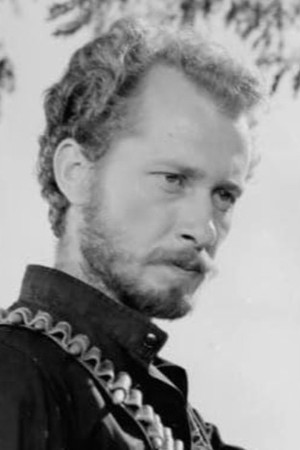
Grigoris Evangelatos
Alexandros' schoolteacher
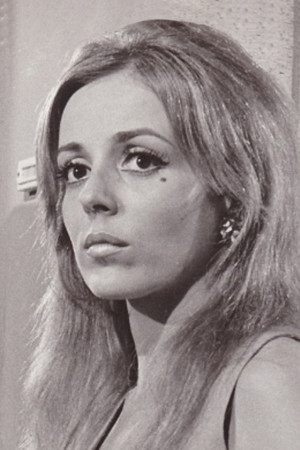
Miranda Kounelaki
Mrs. Tzelepis
Awards, Festivals & Mentions
-

Winner × 2 — Venice prizes: Golden Lion for Experimental Film, FIPRESCI Prize
-
Venice Film Festival 1980 — In Competition


