
Film
Mamma Roma
Mamma Roma leaves prostitution when her former pimp marries, moves to a new housing block on the edge of Rome and brings home the teenage son she has kept away from her life. She has plans for him: a market stall, a respectable trade, a future.
About
Pasolini's second film, made a year after Accattone and premiered in competition at Venice in 1962, is the one that gave Anna Magnani her last great screen part. She had won an Academy Award seven years earlier for The Rose Tattoo; here she is a woman trying to climb one rung and dragging a teenage boy up behind her.
Freed of her old pimp Carmine when he marries, Mamma Roma takes a stall at the market, moves into one of the new blocks going up on the Roman periphery, and installs her son Ettore, who has been raised in the country and knows nothing about her. Pasolini shot in the borgate among non-professionals — Ettore Garofolo was working as a waiter when he was cast — and set the whole thing to Vivaldi, a juxtaposition that was denounced as pretentious at the time and is now the film's most imitated gesture. The two long tracking shots that follow Magnani walking and talking at night, other characters drifting in and out of step with her, are among the most famous in Italian cinema.
Pasolini was prosecuted for obscenity over the film, acquitted, and confirmed in his position as Italy's most useful public enemy. What lasts is the fury underneath the neorealist surface: he is not documenting the sub-proletariat so much as arguing that the promise being sold to it — a flat, a stall, respectability — is a fraud.
Where to Watch
Not currently available in your country.
Available in: , , , , , ,


















Streaming availability via JustWatch. Last checked 2026-10-11.
Top Cast
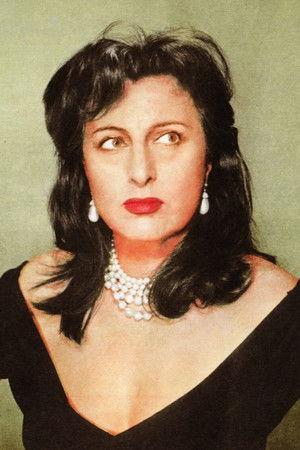
Anna Magnani
Mamma Roma
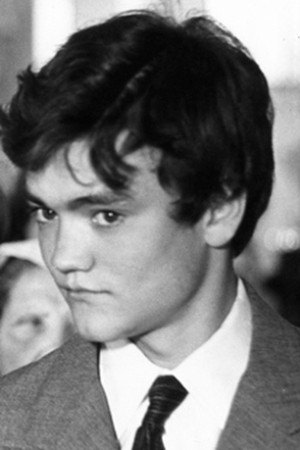
Ettore Garofolo
Ettore
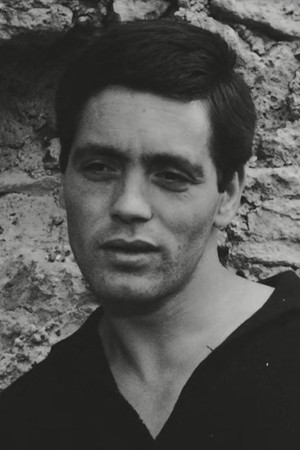
Franco Citti
Carmine
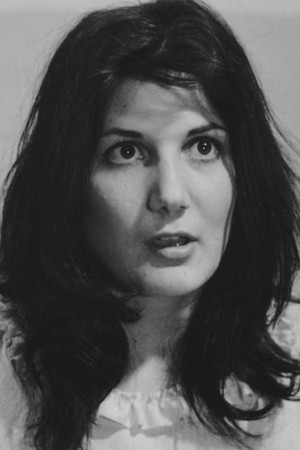
Silvana Corsini
Bruna
Luisa Loiano
Biancofiore
Awards, Festivals & Mentions
-

Venice Film Festival 1962 — In Competition
-
Criterion Collection


